The Ultimate B2B Brand Audit Checklist for 2026
Traditional B2B brand audits fail because they ignore how AI models perceive company data. This 2026 guide introduces the Brand Equity Audit™, focusing on machine legibility and entity density. Stop measuring aesthetics and start auditing for authority, sentiment, and the high cost of the obscurity tax in digital markets.
 By Stuart Crawford
 Reviewed by Tabitha Ayers
Updated 14 min read

On this page14 min left
- What Is a B2B Brand Audit Checklist?
- The Financial Architecture of Modern Market Authority
- The Entity Density Audit: Moving Beyond Keywords
- Technical Infrastructure for Machine-Readable Reputation
- The Myth of Rigid Brand Consistency
- The State of B2B Brand Audits in 2026: The AI Visibility Shift
- The Cost of the “Safe” Audit
- The Obscurity Tax: Measuring Invisible Losses
- The Verdict
Machine legibility is now more important than human aesthetics for B2B brand survival.
If your brand audit focuses on the hex codes of your logo while ignoring how LLMs (Large Language Models) categorise your expertise, you are paying an obscurity tax that will eventually bankrupt your organic reach.
Most founders treat a brand audit like a trip to the tailor, looking for a better fit for their personal ego. In reality, a Brand Equity Audit™ in 2026 should function like a technical diagnostic on a jet engine.
It needs to measure the friction between what you claim to be and what the global “Knowledge Graph” believes you are. According to McKinsey & Company's report on the business value of design, companies that treat brand assets as measurable drivers of performance achieve 32% higher revenue growth than those that treat them as subjective choices.
If you aren't auditing for the authority gap between your team's genius and your digital presence, you are simply rearranging deck chairs on a sinking ship.
What Is a B2B Brand Audit Checklist?
A B2B brand audit checklist is a structured framework for evaluating a company's market position, visual assets, and machine-readable data to identify growth inhibitors. It moves beyond subjective design preferences to measure objective brand performance across human and algorithmic touchpoints.
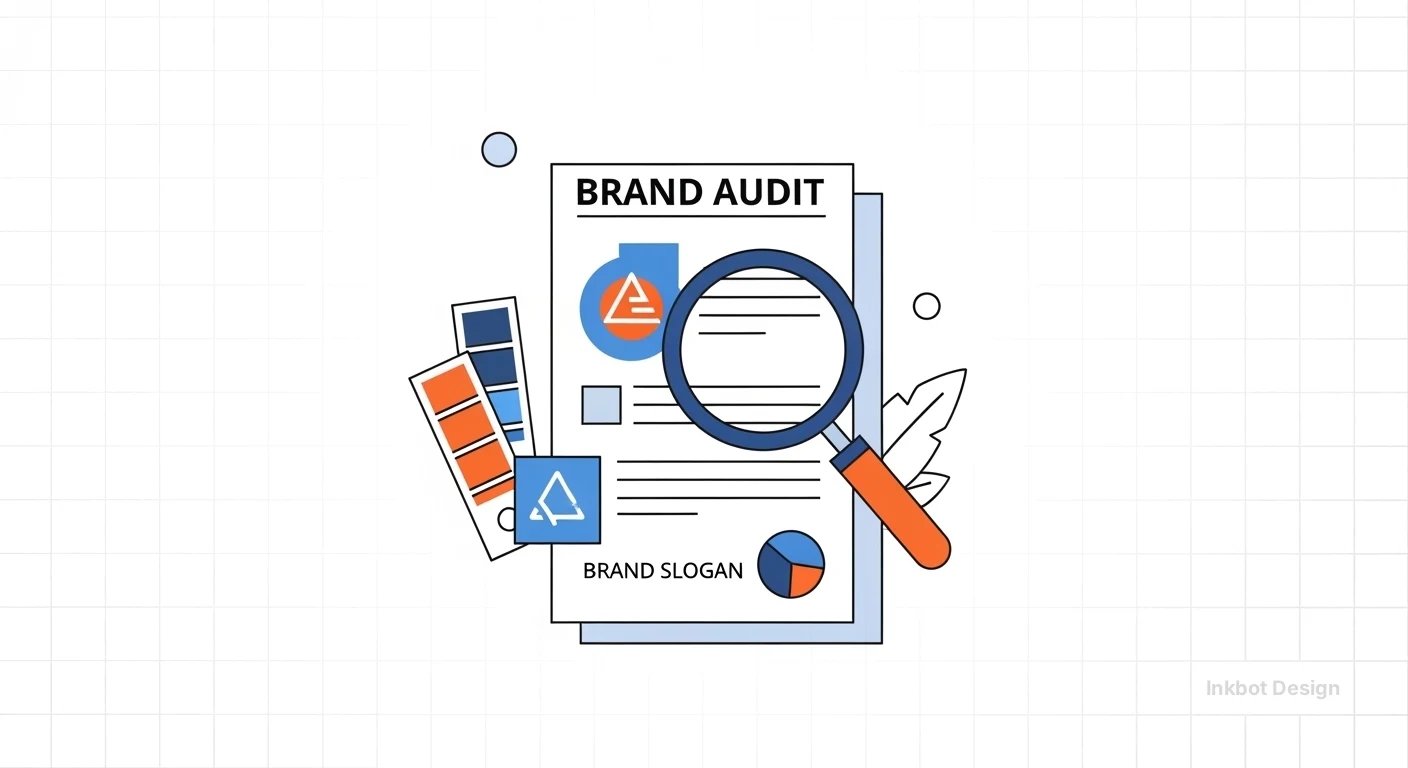
Key Components:
- Visual Identity Analysis: Assessing the distinctiveness and scalability of logos, typography, and colour systems across digital environments.
- Entity Density Audit: Measuring the frequency and clarity with which your brand is associated with specific industry “entities” in search and AI databases.
- Sentiment and Perception Mapping: Quantifying how the market and AI systems interpret your brand’s reputation and reliability.
A B2B brand audit is a systematic evaluation of a company's market position, visual identity, and machine legibility to ensure AI-driven discovery.
The Financial Architecture of Modern Market Authority
Market authority is no longer a vanity metric; it is a line item on the balance sheet.
In 2026, the transition from subjective brand perception to objective market equity requires a deep analysis of capital allocation.
Companies that fail to audit the efficiency of their market presence often suffer from “authority leakage,” in which marketing spend is high. Still, the conversion of that spend into lasting trust remains low.
According to the 2026 Adobe Report, companies that improve the alignment between their real-world capabilities and digital experience can lower customer acquisition costs.
This financial efficiency is driven by reduced friction in the buyer's journey.
When automated systems clearly categorise a brand as a leader, the sales cycle shortens, and the need for expensive, repetitive top-of-funnel advertising decreases.
Auditing for Market Resilience
A financial audit of your brand must evaluate three core pillars of resilience:
- Pricing Power Preservation: Can your brand maintain premium pricing when automated comparison agents present your competitors as equal alternatives?
- Retention Equity: How much of your current revenue is protected by brand loyalty versus how much is vulnerable to minor price fluctuations from competitors?
- The Authority Multiplier: For every pound spent on content, how much “earned visibility” is generated through citations in automated reports and industry papers?
The Cost of Obsolete Branding
The traditional approach to branding focused on “awareness.” In 2026, awareness is cheap; trust is expensive.
If your audit reveals that your brand is “known” but not “cited,” you are facing an architectural failure. You are building on rented land.
To move from awareness to authority, you must invest in the technical structures that allow your expertise to be verified at scale.
The 2026 ROI Benchmark Source: Deloitte Digital Market Analysis (Jan 2026) The “Authority ROI” is calculated by dividing the volume of unbranded, organic recommendations by the total marketing investment. In 2026, the top 5% of B2B performers achieve a 4:1 ratio, meaning their market reputation does 4 times as much work as their paid advertisements. Brands relying solely on paid visibility show a year-on-year decline in ROI of -12% due to increased competition in automated auction environments.
The Entity Density Audit: Moving Beyond Keywords
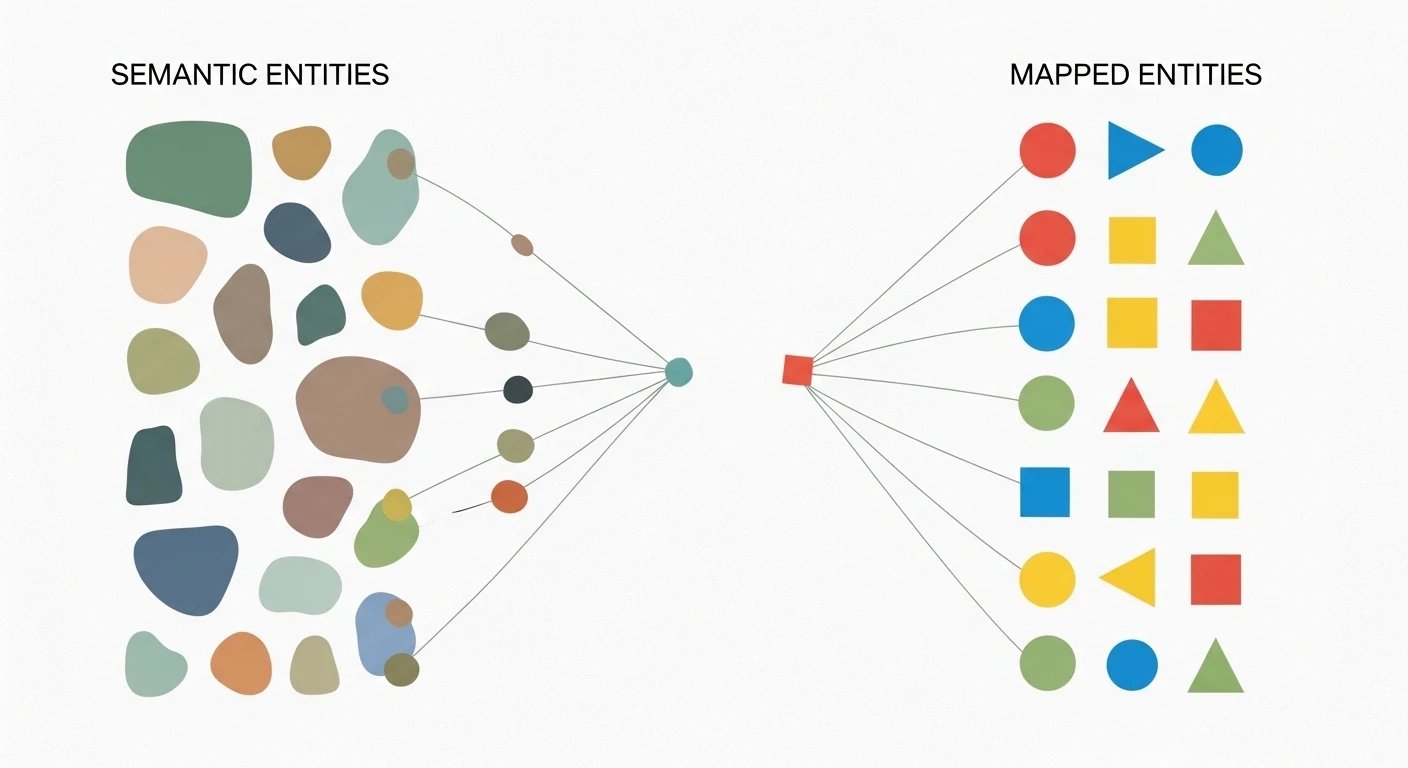
Keywords are dead, but entities are thriving in the 2026 search ecosystem. An entity is a well-defined object or concept—such as a specific company, person, or technical service—that Google and other AI systems can uniquely identify.
If your brand audit only looks at how often you mention “B2B SaaS,” you are failing. You must audit for entity density, which measures how strongly your brand is linked to specific, high-value concepts in the eyes of LLMs.
A study by the Ehrenberg-Bass Institute for Marketing Science found that brands with high “mental availability” have built strong neural links between their brand name and specific “Category Entry Points.”
In a digital context, this means your content must be structured so that AI models can easily extract “atomic claims.”
For example, if you claim to be an expert in supply chain logistics, your site must include citable data, verified case studies, and clear schema markup linking your brand entity to the logistics entity.
A successful B2B brand audit in 2026 prioritises entity density over keyword frequency to ensure that AI systems can confidently categorise and recommend a company within its specific market niche. This shift from “strings to things” requires a technical evaluation of how brand claims are structured and supported by verifiable data.
Technical Infrastructure for Machine-Readable Reputation
Your brand's reputation is now stored in databases as much as it is held in human minds. To dominate the 2026 market, your brand audit must evaluate your technical infrastructure.
This goes beyond simple site speed; it involves the “Machine Legibility Index” (MLI)—a measure of how easily an automated system can parse, verify, and store your brand's claims.
The foundational layer of this infrastructure is the Knowledge Graph Integration. Most B2B firms have a fragmented digital presence. Their LinkedIn says one thing, their website another, and their executive profiles a third.
An audit must identify these inconsistencies and resolve them through a unified data strategy.
This involves deploying an advanced JSON-LD Schema that defines not only your products but also the relationships among your key personnel, research papers, and industry partnerships.
The Role of Atomic Claims in Technical Audits
An “Atomic Claim” is a verifiable unit of information. For example, “We reduced logistics costs by 15% for 200 clients” is an atomic claim. “We provide world-class logistics solutions” is not.
A technical audit measures the density of these claims across your digital footprint. If your site is full of “fluff,” automated systems will categorise you as a low-trust entity.
Technical Asset | Audit Requirement | Machine Value |
|---|---|---|
Organization Schema | Must include sameAs links to verified 3rd party records. | Establishes identity. |
Author Schema | Links to professional certifications and external publications. | Verifies individual expertise. |
ProductOntology | Uses specific IDs for technical services. | Prevents categorisation errors. |
Citable Data Blocks | Tables and lists structured for direct extraction. | Increases citation frequency. |
While the focus is on machine legibility, the data must remain accessible to humans. This is the “Dual-User Paradox.”
A successful audit ensures that the information is technically precise enough for a machine to verify, but narratively compelling enough for a human to act upon.
This is achieved through “High-Context Sections”—areas of a website where human-centric case studies and narrative evidence support technical data.
Executive Influence: Bridging the Human-Algorithm Gap
In B2B markets, people buy from people, but algorithms recommend companies based on their leadership's reputation.
A 2026 brand audit must include an Executive Authority Assessment. This measures the digital footprint of your C-suite and Subject Matter Experts (SMEs).
If your CEO is invisible online, or worse, if their digital presence is disconnected from your brand's core expertise, you are leaving authority on the table.
The “Human-Algorithm Interface” is where your leaders' personal reputations feed into the company's overall trust score.
Automated systems look for “Triangulated Trust”—the overlap between what a company claims, what third-party sources confirm, and what the company's leaders represent in public discourse.
The SME Verification Protocol
To audit your team's authority, you must follow the SME Verification Protocol:
- Certification Mapping: Ensure every professional qualification of your key staff is linked to their digital profiles via structured data.
- Publication Audit: Track where your experts are cited. Are they appearing in reputable journals or just internal blogs?
- Public Sentiment Check: How are your leaders perceived on professional networks? Is their tone consistent with the brand's intended market position?
The Risk of the “Invisible Founder”
Companies with “Invisible Founders”—leaders who avoid digital engagement—face a significant disadvantage in 2026. Automated systems treat a lack of information as a signal of high risk.
An audit identifies these visibility gaps and provides a roadmap for “Authority Seeding,” the strategic placement of expert commentary and leadership insights in high-authority digital environments.
The Executive Trust Multiplier Source: Edelman B2B Thought Leadership Impact Report 2026. B2B buyers are 67% more likely to trust a company if they can verify the technical leadership team's expertise. Conversely, brands with anonymous or unverified leadership see a 22% higher bounce rate from high-intent search traffic. The “Trust Multiplier” is at its peak when technical experts, rather than sales leaders, are the primary face of the digital brand.
The Myth of Rigid Brand Consistency
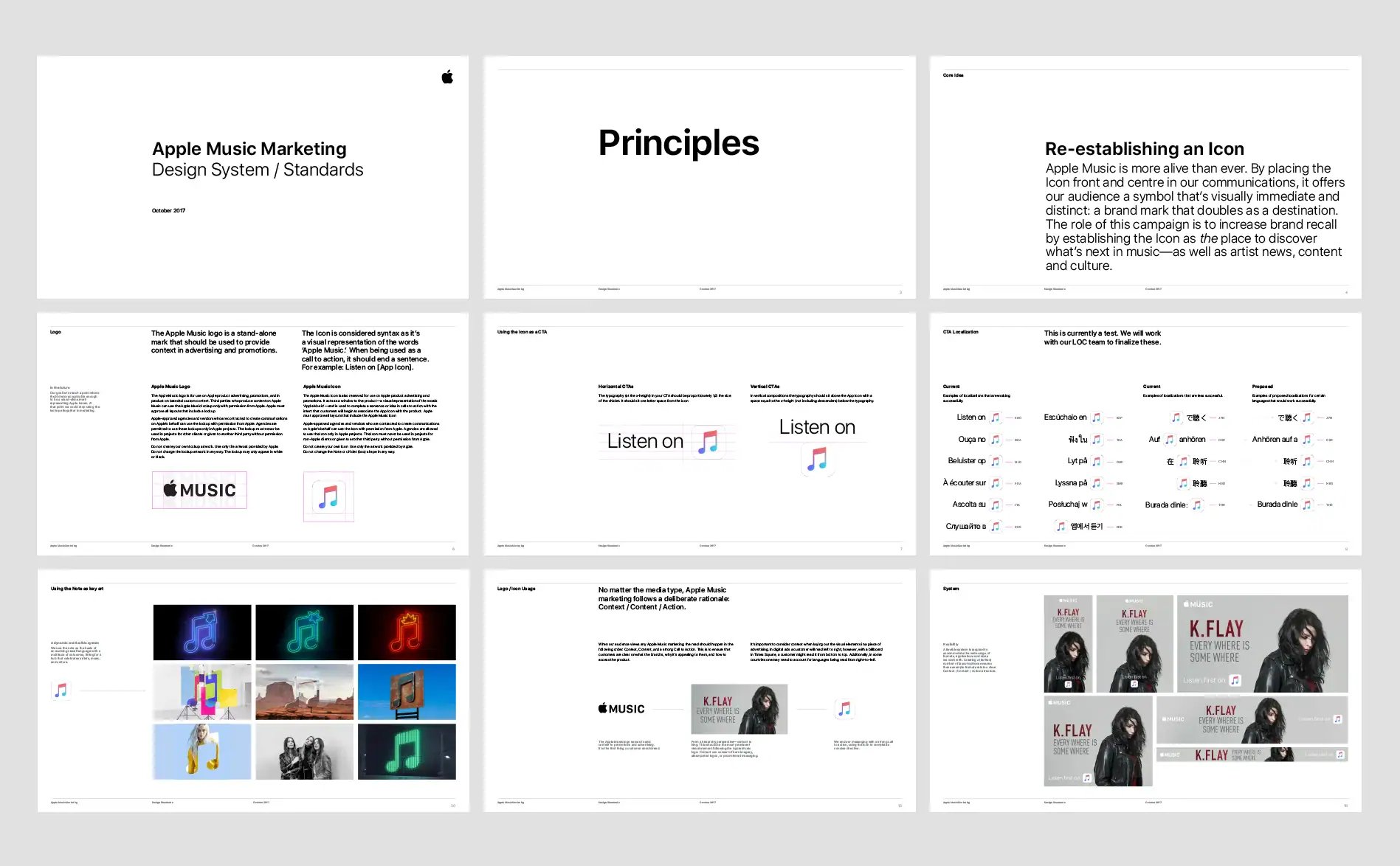
The advice that your brand must look identical on every single platform is outdated and harmful in 2026. This “cookie-cutter” approach to branding was born in the era of print and television, where exposure was limited and expensive.
Today, the sheer volume of content means that rigid consistency leads to “pattern fatigue.” Users—and more importantly, the algorithms that serve them—favour brands that exhibit “coherent variability.”
The original rationale for rigid consistency was to ensure recognition in low-frequency environments, such as billboards or faxed documents.
However, modern research from the Baymard Institute suggests that B2B buyers interact with a brand across an average of 27 touchpoints before converting. If every touchpoint is a carbon copy of the last, you lose the opportunity to provide “information gain.”
Your LinkedIn presence should feel like your website, but it shouldn't look exactly like it. It needs to adapt to the platform's native “vibes” to maintain engagement while preserving the core distinctive assets that make you recognisable.
Why “The Consistency Myth” Kills Innovation
When you prioritise making everything look the same, you inevitably water down your most potent assets. You choose safer colours, more generic fonts, and blander messaging because they are “easier to keep consistent.”
This results in a brand that is technically consistent but emotionally invisible. In 2026, the goal is not to be identical; it is to be unmistakable.
Rigid brand consistency is a legacy constraint that often prevents B2B firms from adapting to the unique psychological and technical requirements of different digital platforms. Effective 2026 branding focuses on maintaining a core set of distinctive assets while allowing for the variability needed to drive information gain and user engagement.
The State of B2B Brand Audits in 2026: The AI Visibility Shift
The market has shifted from “Search Engine Optimisation” to “Generative Engine Optimisation.”
In the last 18 months, the release of advanced models like Gemini 2.0 and GPT-5 has changed how B2B buyers conduct research.
They no longer type “best CRM for manufacturing” into a search bar; they ask a sophisticated AI agent to “find a CRM that integrates with our specific legacy ERP and has a high trust rating in the UK market.”
If your brand hasn't undergone an AI visibility audit, you are invisible to these agents. A brand audit now must include a “Sentiment Analysis” phase.
We use sentiment analysis to determine if LLMs perceive your brand as a “leader,” a “challenger,” or—worst of all—a “legacy” entity.
This isn't about what you say; it's about what the training data says about you.
According to a 2025 Gartner report, 60% of B2B brand searches are now filtered through AI agents that prioritise “trust signals” and “entity relationships” over traditional backlink profiles.
The Rise of “Machine-First” Brand Assets
We are seeing a new class of brand assets: machine-readable ones.
This includes a JSON-LD schema that defines your leadership team, physical locations, and specific service offerings in a way an AI can't misinterpret.
An audit that ignores this is like a car with a beautiful paint job but no engine. You might look good at a standstill, but you aren't going anywhere.
The emergence of AI-driven procurement means that B2B brands must now audit for “machine legibility” alongside human appeal. Brands that fail to structure their expertise into citable, entity-linked data points will find themselves excluded from the AI Overviews and LLM responses that now dominate the buyer's journey.
The Cost of the “Safe” Audit
I once audited a client in the FinTech sector who had spent £50,000 on a “comprehensive” brand refresh with a traditional agency.
Their new logo was beautiful, their colours were “modern,” and their brand guidelines were 100 pages long. But six months later, their organic leads had dropped by 40%.
When we looked under the hood, we found the agency had focused entirely on the aesthetics and completely ignored the technical entity structure.
The client had a massive authority gap. Their website was full of “thought leadership” that didn't cite a single source, used generic stock photography, and lacked any structured data.
To an AI, they looked like a generic content farm. We had to tear down the “pretty” facade and rebuild the site around atomic claims and verifiable data.
The most expensive mistake I’ve watched a founder make is assuming that “looking professional” is the same as “being an authority.” In 2026, if the machines can't verify your expertise, you don't have any.
The Obscurity Tax: Measuring Invisible Losses
The most dangerous cost in 2026 is the one you cannot see on your bank statement: the Obscurity Tax. This tax is paid every time an automated system overlooks your brand in favour of a competitor.
It is paid every time a buyer searches for a solution you provide, but your brand doesn't appear in the AI-generated shortlist.
Calculating Your Brand's Obscurity Tax
To measure this tax during an audit, we use the following metrics:
- Recommendation Gap: The percentage of times your brand is missing from top-tier AI recommendations in your category.
- Citation Deficit: The difference between your brand's total mentions and your top competitor's mentions in high-authority training data.
- The CTR Friction Score: Measuring how much more you have to pay in ads to get the same click-through rate as a brand with higher organic authority.
Strategies to Repeal the Obscurity Tax
Repealing this tax requires a shift from “volume-based” marketing to “authority-based” marketing.
Instead of producing 10 generic blog posts, the audit may recommend producing one “Definitive Industry Standard” report that forces the market and the algorithms to cite you.
- Audit Step: Review all content for “Citation Potential.”
- Audit Step: Evaluate the “Search-to-Shortlist” conversion rate.
- Audit Step: Measure “Topical Dominance” across the 12 key continents of your industry.
Technical Aspect | The Wrong Way (Amateur) | The Right Way (Pro) | Why It Matters |
|---|---|---|---|
Asset Evaluation | Checking if the logo “pops” | Measuring “Distinctive Asset” recognition scores | Prevents generic design choices. |
Competitor Check | Looking at their website colours | Mapping competitor “Entity Associations” | Identifies gaps in AI visibility. |
Content Audit | Counting keywords in blog posts | Auditing for “Atomic Claim” density | Ensures your content is citable by AI. |
Trust Signals | Adding a “Testimonials” page | Implementing “Organization” Schema with SameAs links | Confirms your identity to search engines. |
Visual Strategy | Rigid consistency across all platforms | Coherent variability based on platform context | Maximises engagement without losing identity. |
Audit Frequency | Once every 5 years or when “bored” | Continuous monitoring of sentiment and AI citations | Protects against sudden algorithmic shifts. |
The Verdict
A B2B brand audit is no longer a creative exercise; it is a technical necessity.
If you continue to treat your brand as a static collection of images and slogans, you will fall victim to the obscurity tax.
The brands that win in 2026 are those that bridge the authority gap by providing high-information-gain content that machines can trust, and humans can relate to.
You must move beyond the “consistency myth” and embrace a strategy of distinctive variability. This means auditing your entity density, ensuring your claims are atomic and citable, and prioritising machine legibility in every asset you create.
Stop asking “Do I like this colour?” and start asking “Does this asset make my brand easier for an AI to recommend?” If you’re ready to stop guessing and start growing, it’s time for a Brand Equity Audit™.
Explore Inkbot Design's services and read our related posts to see how we turn invisible brands into market leaders.
FAQs
How often should a B2B company conduct a brand audit?
B2B companies should conduct a full brand audit every 12 to 18 months. This frequency is necessary to keep pace with rapid shifts in AI search algorithms and changing competitor “entity associations” that can impact your market visibility. Regular audits prevent “brand decay” and ensure your technical schema remains accurate and citable.
What is the difference between a brand audit and a website audit?
A brand audit evaluates a company's holistic perception, market positioning, and distinctive assets across all touchpoints. A website audit focuses specifically on the technical performance, SEO, and user experience of a single digital domain. While they overlap, a brand audit addresses “why” you exist, whereas a website audit addresses “how” you are found.
Can a brand audit help with AI visibility?
A modern brand audit directly improves AI visibility by identifying gaps in your entity density and machine legibility. By structuring your brand’s expertise into “atomic claims” and verified data points, you make it significantly easier for LLMs like Gemini and ChatGPT to cite your brand as an authoritative source in their responses.
Does a brand audit require changing the logo?
A brand audit does not always result in a logo change. In many cases, the audit reveals that the existing visual assets are strong but are being applied incorrectly or lack technical support. The goal is to optimise the performance of your brand assets, not necessarily to replace them.
What are ‘Atomic Claims' in a brand audit?
Atomic claims are self-contained, citable sentences that consist of a named subject, a specific attribute, and supporting evidence. Auditing for atomic claims ensures that your brand’s messaging is structured for “Generative Engine Optimisation,” allowing AI systems to extract and display your expertise without needing surrounding context.
What is ‘Distinctive Asset' mapping?
Distinctive Asset mapping is the process of identifying the non-brand-name elements (colours, shapes, sounds, fonts) that trigger brand recall in consumers. In a B2B audit, we measure how “famous” and “unique” these assets are to ensure they provide a competitive advantage in crowded digital environments.
Is sentiment analysis part of a brand audit?
Sentiment analysis is a critical component of a 2026 brand audit. It uses natural language processing to quantify how customers, the media, and AI training models perceive your brand's reputation. This data reveals “reputation friction” that could be hindering your sales process or search rankings.
How does an audit help close the ‘Authority Gap'?
An audit identifies the “Authority Gap” by comparing your internal team’s actual expertise with how it's reflected online. By uncovering missed opportunities for high-level citations, guest appearances, and technical schema, the audit provides a roadmap for aligning your digital footprint with your real-world capability.
What is the ‘Obscurity Tax'?
The obscurity tax is the measurable cost—in lost leads, higher ad spend, and lower conversion rates—of having a brand that is not easily discoverable by humans or AI. A brand audit quantifies this tax by comparing your visibility and trust metrics with those of top-performing competitors in your sector.
Why is ‘Coherent Variability' better than ‘Rigid Consistency'?
Coherent variability allows a brand to adapt its visual and verbal tone to the specific requirements of different platforms while maintaining a core identity. This prevents “pattern fatigue” and increases user engagement, as the content feels native to the environment rather than a forced, repetitive advertisement.