Brand Operating Systems
Guidelines tell your team what the brand is. A Brand Operating System governs how it behaves.
As your firm grows past a handful of people, brand consistency stops being a design and becomes a governance problem. Every new hire, office, partner and AI tool is another place your brand can drift. A Brand Operating System is Inkbot Design’s framework for solving that: the brand governance layer that turns a static set of guidelines into a living system for brand management — one that keeps your identity coherent across every team and touchpoint, no matter how fast you scale.
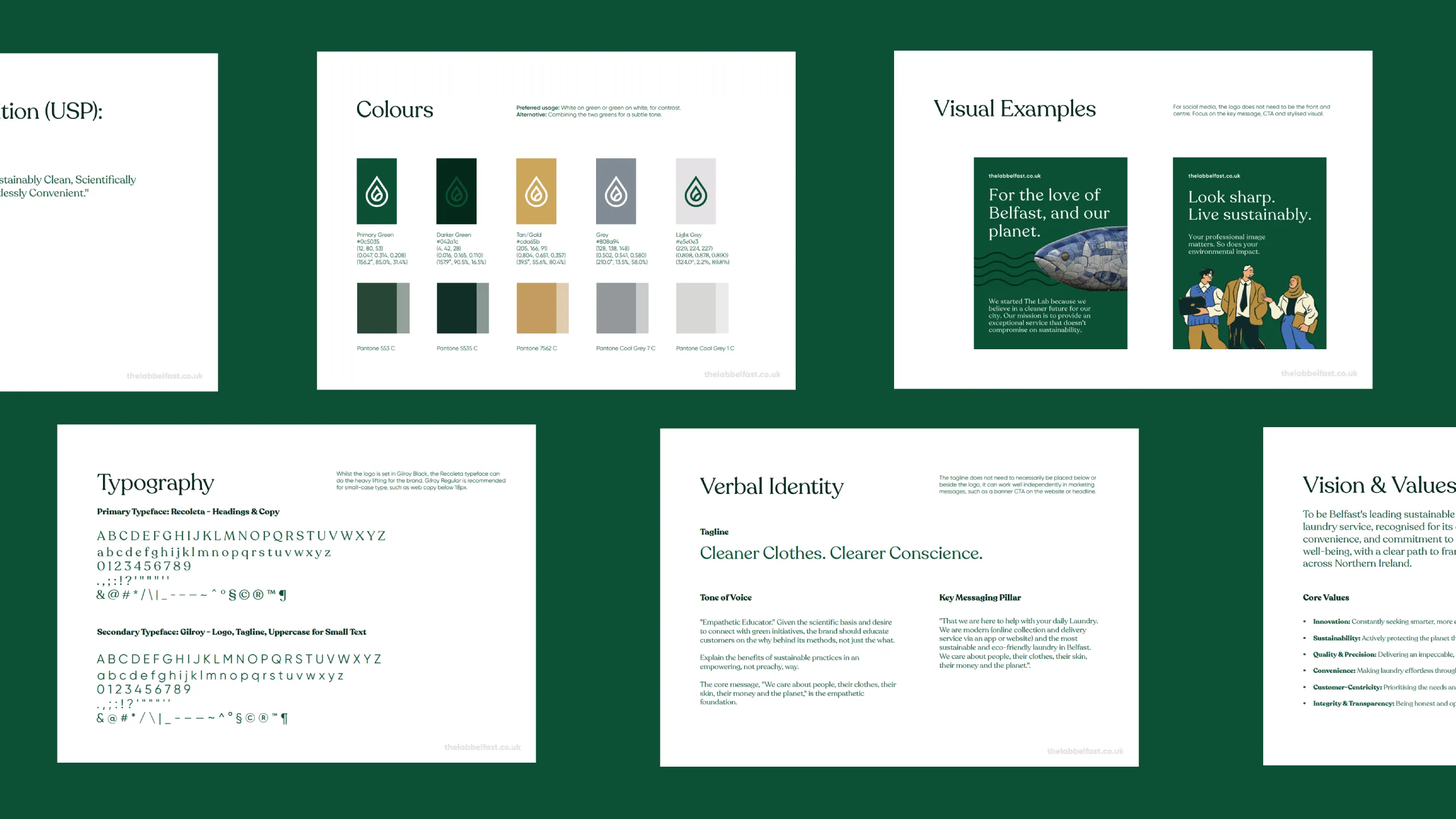
The Governance Gap
Why Brands Fall Apart as They Grow.
Every scaling company hits the same wall. In the early days, brand consistency is easy — one or two people make every asset, and the brand stays coherent by default. Then you grow. Suddenly, there are five people making slide decks, three agencies touching your identity, a dozen SaaS tools generating content, and no single source of truth governing any of it. This is brand drift: the slow divergence between how your brand looks on your website, your LinkedIn, your proposals and your product — and it’s a brand governance failure, not a design one.
Traditional brand guidelines don’t solve this, because a document can’t enforce itself. What growing firms actually need is a system: a brand management framework that makes consistency automatic rather than something a design lead has to police. That’s the difference between owning a guideline and operating a brand.
A brand without guidelines is a ghost—seen by many, understood by none. Most agencies give you a cage; we give you a focus. If your guidelines don’t inspire your team to be unforgettable, they’re just expensive paperwork.
Stuart Crawford





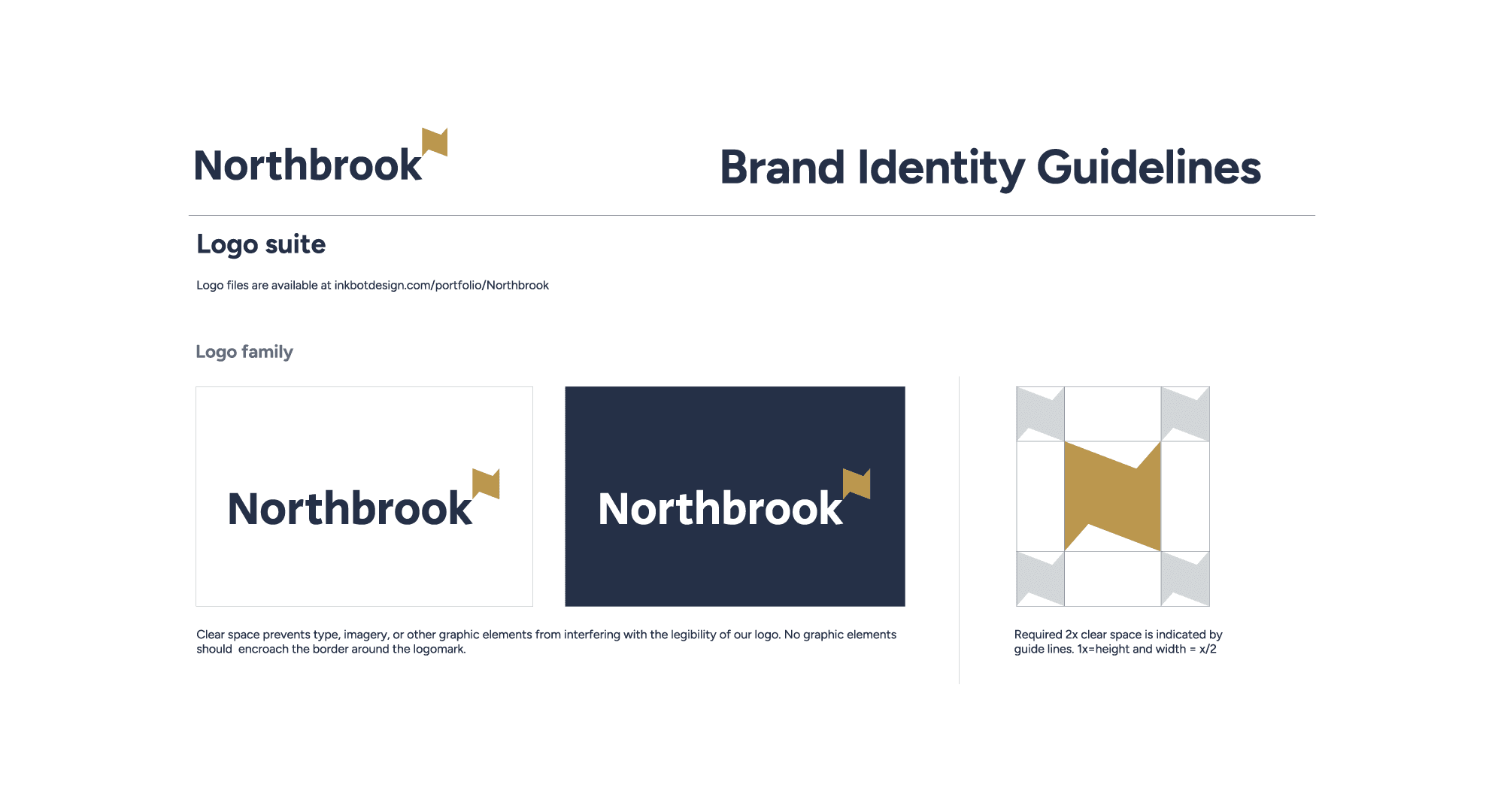
If Your Brand Whispers in One Place and Roars in Another, You Are Paying the Boredom Tax.
Get Brand Guidelines →The Concept
What Is a Brand Operating System?
A Brand Operating System is a living framework for brand governance — the connected system of standards, assets and rules that governs how an organisation’s brand identity behaves across every team, channel and tool.
Where traditional brand guidelines are a static reference document, a Brand Operating System is operational: it integrates brand management into how your team actually works, so brand consistency is maintained by design rather than by enforcement.
It sits on top of your brand guidelines and design system, adding the governance layer that scaling organisations need:
A single source of truth
for every brand asset, so no one is working from an outdated logo or off-brand template.
Brand governance rules
that define who can do what with the brand, and how — the difference between brand freedom and brand chaos.
Brand management workflows
that embed consistency into everyday tools, from decks to social to AI content generation.

The System
The Four Layers of a Brand Operating System.
We build your Brand Operating System in four connected layers, each closing a common brand governance gap:
Your Brand’s Constitution.
The foundational brand guidelines and design system: visual identity, verbal identity, and usage rules. Not a PDF — a maintained, single source of truth every team works from.
Rules of Engagement.
Who owns the brand, who can adapt it, and where the guardrails are. Clear brand governance is what lets you delegate brand work across a growing team without losing control — freedom within a framework, not a bottleneck at the design lead’s desk.
Consistency in the Workflow.
Brand management built into the tools your team already uses — templated assets, cloud-synced libraries, and prompt guidance for AI content tools — so the on-brand choice is always the easiest one. This is how brand consistency scales without scaling headcount.
Governance Over Time.
A brand is never finished. This layer defines how your system is reviewed, calibrated and updated as you grow and as channels shift — so your brand governance keeps pace with your business instead of decaying behind it.
Stop Guarding Your Logo. Start Growing Your Legend.
Today’s market is moving too fast for “Identity Drift.” Let’s build the Brand Operating System that turns your vision into a scalable, revenue-driving machine.
Warning: To maintain our +247% lead growth standard, I only accept 3 new Guideline projects per quarter. Secure your slot today.
When we needed to reposition our identity, Inkbot Design’s strategic approach was exceptional.
Stuart took a deep interest in our long-term goals, transforming our vision into a Cohesive Brand Architecture that perfectly encapsulates our competitive edge. Their commitment to Brand Consistency ensures we are strategically positioned for market success, not just seen.
CEO, RIADVICE
The Payoff
Brand Governance Is a Growth Problem, Not a Design Problem.
When brand consistency breaks, it doesn’t just look untidy — it costs you. An inconsistent brand forces buyers to re-establish trust at every touchpoint, lengthens sales cycles, and makes a scaling firm look smaller and less coordinated than it is. Strong brand governance does the opposite: it makes a growing organisation present as a single, coherent, category-leading entity, whatever its size.
- For multi-partner and multi-office firms: a Brand Operating System keeps every partner, office and service line on-brand without central bottlenecks — brand management that scales with your structure.
- For fast-growing teams: it lets a small team produce the consistent, professional output of a much larger one — brand consistency as a force multiplier, not a headcount cost.
- For AI-heavy workflows, it governs how your brand is expressed through AI tools, so automation scales your brand rather than diluting it.
Our Strategy
Stop buying static PDFs that gather digital dust. Start installing an engine.
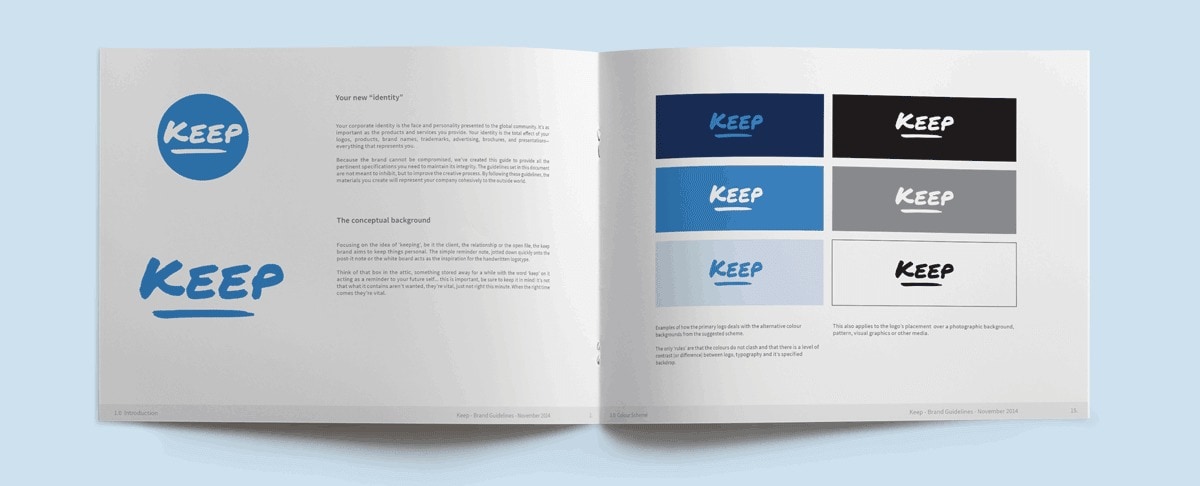
A brand guideline shouldn’t be a “rulebook”—it should be the OS that powers your entire company. Using our proprietary Inkbot Protocol™, we install a living, breathing Brand Operating System that bridges the gap between creative chaos and Category-Leading Entity status. Today, consistency is a currency. We don’t just tell your team what to do; we provide the functional framework to make your brand authority automated, AI-resistant, and impossible to ignore.
Where We Stand
By the Numbers
- 17+ Years of Industry Expertise
Navigating brand evolution, from traditional print to the age of AI.
- 4.9/5 Aggregated Sentiment Score
Based on 160+ verified reviews, our reputation is built on strategic depth and high-precision delivery.
- 2,500+ Strategic Resources
We don’t just practice branding; we lead the conversation with one of the industry’s largest libraries of strategic insights.
- Top-Ranked Strategic Partner
Vetted and ranked as a Top 30 Agency in the UK and the top branding firm in Belfast, Northern Ireland.

Insight
The Warning for Scaling Brands
“The moment you stop enforcing your brand is the moment you start losing your market share. Today, the algorithm rewards the Distinct, not the Dull.”
Your 2026 Guidelines Checklist:
- Is it ‘Dark-Mode Native’? Most brands break when the lights go out.
- Does it include ‘Motion Math’? How does your brand move in the first 3 seconds of video?
- Is it Search-Intent Aligned? Does your visual hierarchy match the way your customers actually search for solutions?
Frequently Asked Questions (FAQ)
Brand Operating Systems: Common Questions.
Great partnerships start with great questions. Whether you’re curious about the technicalities of “Brand Guidelines” or just want to know when we can start, we’ve laid it all out for you here. If your question isn’t on the list, consider it an invitation to jump on a discovery call with us.
What is a Brand Operating System?
A Brand Operating System is a living framework for brand governance that keeps an organisation’s brand consistent across every team, channel and tool. It’s the operational layer above your brand guidelines — combining a single source of truth for brand assets, governance rules, and brand management workflows into one system that maintains consistency as you scale.
How is a Brand Operating System different from brand guidelines?
Brand guidelines are a reference document — they describe what your brand is. A Brand Operating System is a governance framework — it determines how your brand is managed and kept consistent across a growing organisation. Guidelines are one component inside the operating system; the system adds the governance, workflow and scaling layers that a document alone can’t provide.
What is brand governance?
Brand governance is the set of rules, roles and processes that control how a brand is used across an organisation — who can adapt it, how consistency is enforced, and how the brand evolves over time. It’s the discipline that stops brand drift as a company grows, and it’s the core of what a Brand Operating System operationalises.
How do you keep a brand consistent across a large or growing team?
Consistency at scale comes from systems, not policing. A Brand Operating System embeds brand management into everyday workflows — shared asset libraries, templated tools, clear governance rules and a single source of truth — so every team member, in-house or external, produces on-brand work by default rather than by memory.
How does a Brand Operating System handle AI-generated content?
It governs it. By defining precise visual and verbal standards and providing prompt guidance for AI tools, the system ensures brand consistency is maintained even when content is generated by algorithms — so scaling your output with AI doesn’t mean diluting your brand.
Do we need a Brand Operating System if we already have brand guidelines?
If your guidelines are being followed consistently across all teams and tools, you may not. But most growing firms find their guidelines drift the moment more than a few people touch the brand — that’s the governance gap a Brand Operating System fills. Guidelines tell people what to do; the system makes doing it the path of least resistance.