How to Create a Sustainable Brand: 9 Simple Steps
We are drowning in brands.
Logos, slogans, and promises swirl around us like confetti at a parade. But how many of them mean something? How many are built to last financially, ethically, and environmentally?
Here enters the sustainable brand: not another marketing trick, not another green-tinted veneer. It’s a core switch in how we do business, create value, and interact with our world.
If you think a sustainable brand has to be complicated. It’s the domain of large companies with deep pockets and extensive teams of consultants. You’d be wrong.
The truth is, it’s much easier than you think to build a sustainable brand. Basically, it’s a choice. Choose options that align with your values, resonate with your customers, and respect the planet.
Over the next few minutes, I’ll outline nine easy steps to build a brand that not only talks the talk but also walks its walk. A brand that stands for something more than just profit. A brand that will make a difference.
Ready to join the revolution in sustainability? Let’s dive in.
- Sustainable branding is essential for business survival in a competitive market focused on ethical and environmental values.
- Key principles include environmental stewardship, social responsibility, and economic viability to ensure a lasting brand.
- Authenticity and transparency build trust; brands must communicate both their successes and areas for improvement.
- Employee engagement and community involvement are vital; sustainability is a team sport requiring collaboration.
- Sustainability is a journey; continuous innovation and adaptation are necessary for long-term brand success.
Why Sustainable Branding Matters

So, let’s talk about the elephant in the room.
The elephant today? It’s wearing a green hat and holding a “Save the Planet” sign.
Sustainable branding is not a fleeting trend; it is not a fad diet that businesses can quickly shed a few bad PR pounds with. It’s the new normal, the expected price of admission to the future marketplace.
Picture yourself meandering down the supermarket aisle, your cart squeaking along. Two products catch your eye: same look, same price. The difference? One of them all but whispers into your ear, “I’m kind to the earth.” The other one says nothing.
Which one will end up in your shopping cart?
You reach for the earth-hugger if you are anything like 73% of people (an accurate statistic, mind you). That’s not a trend; that’s a revolution in sneakers, quietly marching through the aisles of every store on the planet.
But the best part? This isn’t about making customers feel all warm and fuzzy inside. This is about survival-your business’s survival.
Sustainable branding is your umbrella in the coming storm. It is your shield against rising costs, your ticket to innovation, and your passport to a future where businesses do not care. It will no longer exist.
It is about being relevant tomorrow. And the day after. And in ten years, your kid asks you, “What did you do when you realised the planet was in trouble?”
It’s a disposition that’s not nice to have, but it’s a lifeline in this world that’s now waking up, looking around, and demanding better.
The question, then, isn’t “Should we do this sustainable branding thing?”
The real question is, can you afford not to?
While you’re still thinking about it, your competition has already rolled up their sleeves, planting trees and winning hearts, minds, and wallets.
It’s about saving your business for a future that’s already here. That, or keeping the planet – that would be a pretty epic side effect, wouldn’t it?
How about suiting up and joining the revolution, or are you comfortable being a brand left on the shelf, gathering dust, whispering, “But we’ve always done it this way” to an empty aisle?
The choice, as they say, is yours. However, remember that indecision is a decision, too. And in this game, the sidelines are getting emptier by the day.
Welcome to the new normal. The water’s fine, and yes, it’s ethically sourced.
The Regulatory Push for Sustainability
Look, this isn’t just about feeling warm and fuzzy anymore. It’s not a choice between your brand and the one with a tree on the box.
The game has changed. Governments are stepping in, and they’re not asking nicely.
Across the pond in the EU, they’ve rolled out something called the Corporate Sustainability Reporting Directive, or CSRD. Sounds boring, right? But what it means is huge.
Big companies can’t just talk a big game; they have to report on their environmental and social impact. In detail. It’s like showing your homework to the entire world, and the teacher is the law.
And it’s not just a European thing. In the UK, we have the Streamlined Energy and Carbon Reporting framework. SECR, for short.
It forces large companies to be honest about how much energy they’re using and the greenhouse gases they’re emitting.
The writing isn’t just on the wall; it’s being written into law. This is a massive shove from the people in charge.
Your brand’s survival no longer depends solely on being better than the next one. It depends on being compliant.
Being sustainable is quickly becoming the new standard. Not a nice-to-have, but a must-have to even stay in business.
The Core Principles of Sustainable Branding

What makes a brand sustainable?
Slap the recycling symbol on your packaging, and, well, poof, right? Not quite.
If you truly want sustainability, it must reach the roots of the business. Here are some principles you need to befriend your brand:
- Environmental stewardship
- social responsibility
- economic viability
- Transparency
- Accountability
- innovative adaptability.
These are not just buzzwords; they ought to form the backbone of a sustainable brand.
Walking the Green Talk: Environmental Stewardship
Environmental stewardship encompasses the entire gamut of operations that minimise the ecological footprint of your brand.
It includes taking a hard look at every aspect of your business, from sourcing raw materials through manufacturing processes, packaging, and distribution.
Are you using renewable energy? Reducing waste? Conserving water?
These are the questions you should be asking yourself. Remember, it’s not all about being perfect on day one; it’s just continuous improvement and a steadfast commitment to doing better.
Social Responsibility: People Before Profit
A genuinely sustainable brand is not just about the planet, but also about people: fair labour practices, community involvement, and an active pursuit of diversity and inclusivity.
Think about it: What would be the good of being kind to the environment if it were made in a sweatshop? Social responsibility allows your brand to recognise its place within a larger ecosystem and act accordingly.
Economic Viability: Green and Growing
Here’s a truth bomb for you: A brand can’t be sustainable if it’s not profitable. Economic viability is ensuring your sustainable practices are good for the bottom line.
This may be an investment in energy-efficient technologies that reduce longer-term costs or in the emerging market of ecologically conscious consumers. It’s about finding that sweet spot where doing good and doing well collide.
Transparency & Accountability in Actions
Brand authenticity in this context would imply transparency and accountability. In the age of greenwashing, people are sceptical about brands that claim to be green. That is why transparency and accountability are so important.
Be transparent about your journey of sustainability. Discuss your wins and discuss your losses. Let your customer see behind the curtain to build trust and credibility. These are cornerstones of a strong brand.
The fact is, anyone can claim to be green. It’s easy to slap a leaf on your packaging and write some nice words.
But people are tired of the waffle. They want proof.
This is where certifications come in. Think of them as a badge of honour that you can’t just buy. You have to earn it.
Take the B Corp certification. It’s the real deal. These guys go through your entire business with a fine-tooth comb.
They look at everything, from your supply chain and materials to how you treat your staff. Passing their assessment means you’re genuinely balancing profit with purpose. It tells your customers that you’ve been vetted by the experts.
Then you’ve got things like the Fairtrade mark. See that on a chocolate bar or a bag of coffee?
It means the farmers at the start of the chain are getting a fair price for their labour. It’s a simple way to show you’re not building your brand on the backs of exploited people.
For your products themselves, there’s Cradle to Cradle Certified®. This is some next-level stuff. It’s not just about being recyclable.
It’s about designing products so that every single component can be safely reintroduced into the system, either as a nutrient for the soil or as a material for a new product. No waste. At all.
These badges cut through the noise. They’re a shortcut to trust.
Innovation and Adaptability: Stay Ahead of the Curve
The world of sustainability moves fast. New technologies, changing regulations, shifting consumer preferences – it’s a lot to track in one head. This means that innovation and adaptability are everything.
Stay curious. Keep learning. Be willing to pivot when necessary. In this way, brands can find success in the world of sustainability.
Building Your Sustainable Brand: A Step-by-Step Guide
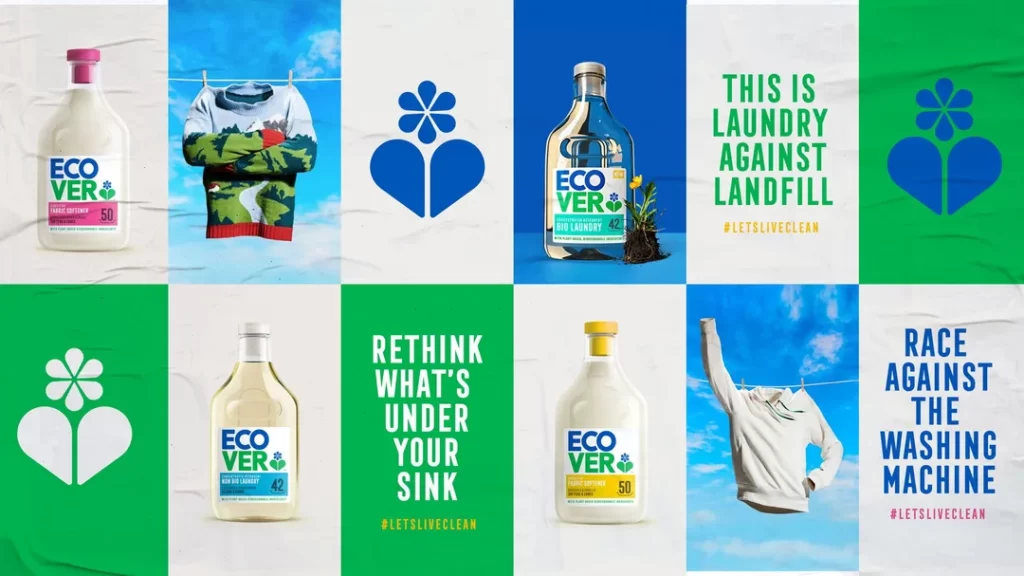
Want to build a sustainable brand? Buckle up, then, because this is more about the ride of soul searching rather than greenwashing.
1 – Find Your Why
Let’s get right to the biggie: Why does your brand exist?
Nope, “to make money” doesn’t count. Go deeper.
What dent are you trying to make in the universe? Your purpose is your guide, your reason for dragging yourself out of bed when times get tough.
Make it count.
2 – Look in the Mirror (It Might Hurt)
Time for a sustainability audit.
This is not about giving yourself a gold star for recycling paper; this is about being brutally honest.
Where are you wasting energy? How’s your water usage? Is your supply chain ethical or just cheap?
Brace yourself. This might sting a bit.
3 – Dream Big, But Make It SMART
Now that you know where you stand, where would you like to go?
Set goals that give you a little bit of sweaty palms.
But make them SMART: Specific, Measurable, Achievable, Relevant, and Time-bound.
“Save the planet” is a noble sentiment. “Reduce energy consumption by 30% within two years” is a plan.
4 – Chart Your Course
Strategy time. This is your treasure map to sustainable glory.
What projects, specifically, will take you there? Who’s responsible? What resources are required?
And let’s get one thing straight: this isn’t something to be put on the back burner. This is the future of your business. Treat it as such.
5 – Walk the Talk
Ideas are sexy. It’s all about the execution.
- Put those sustainable practices into play.
- Convert to renewable energy.
- Redesign for circularity.
- Conserve water like you’re in a desert.
It might feel like trying to herd cats for a while. That’s normal. Keep going.
6 – Build Your Tribe
Sustainability is a team sport, not an individual game.
Engage your employees, suppliers, customers, and even that grumpy neighbour down the street.
Run training programs, host workshops, and start community projects-more the merrier.
And you never know; they may just be your biggest brand ambassadors.
7 – Tell Your Story (But Don’t Brag)
You are doing some amazing things; don’t keep it a secret.
Share your journey – the good, the bad, the ugly.
Be transparent. Be authentic. It is not about patting your own back; it’s about inspiring others to be part of the movement.
Utilise social media, sustainability reports, and your packaging materials. Shout it from the rooftops if you need to.
8 – Keep Score
Remember those SMART goals? It’s time to check up on them.
Regularly.
Be honest about where you’re killing it and where you’re falling short.
Leverage recognised frameworks like GRI or SASB. They add credibility and keep you honest.
9 – Never Stop
Let me tell you a little secret: sustainability doesn’t have a finish line.
There is no finish line to win the race. It’s a journey to get better and better.
Keep innovating. Keep learning. Attend conferences. Join industry groups. Collaborate with experts. Push boundaries.
Because the moment you think you’ve arrived is when you start falling behind.
Building a sustainable brand is not for the faint of heart. It’s for dreamers, doers-those crazy enough to think they can change the world.
It’s hard work. It’s messy. At times, it’s frustrating.
But it’s also the most important thing you’ll ever do.
Because you are not only building a brand, you’re building a better future. And that, my friends, is worth every ounce of sweat and all the sleepless nights.
The Building Blocks of a Sustainable Brand
Now that we’ve covered the steps to create a sustainable brand, let’s dive deeper into some key elements that will bring your brand to life.
Sustainable Product Design

Your products are simply the main component of your brand. How do you create your sustainable products?
Principles of Circular Design
Integrate the principles of circular design by creating items that are comfortable to use. Moreover, these pieces must be reliable for many years and environmentally friendly.
The idea is to have products made according to the principles that allow them to be easily repaired, reused, or recycled at the end of their life cycles.
Design thoughts from crafting a modular base with easy-to-replace parts and materials that are recyclable or biodegradable.
The old model is broken. Make something, sell it, and then it ends up in a landfill. It’s a one-way street to a planet full of rubbish.
The circular economy flips that on its head. It’s about creating a loop. A product’s life shouldn’t end when a customer is done with it.
Look at Patagonia. They’re absolute masters of this. Their Worn Wear programme is genius.
Got a tear in your favourite fleece? They’ll help you fix it. Grown out of a jacket? You can trade it in for store credit.
They’ll clean it up, repair it, and sell it to someone else. What does this do? It keeps their gear out of the bin, for starters.
It also builds an insane amount of loyalty. You’re not just buying a jacket; you’re investing in a system that prioritises quality and longevity over cheap, disposable fashion. It’s a completely different relationship with the customer.
Material Selection
Select materials wisely: Choose those that can be recycled or composted and are renewable instead.
Develop a systematic plan that spans from raw material procurement to disposal, encompassing every phase of a product’s lifecycle.
Durability and Longevity
Durable and eco-friendly products are now being realised as the most long-lasting of them all. It not only benefits the environment but also fosters customer loyalty.
Sustainable Packaging
Don’t let your sustainable product be undermined by unsustainable packaging. Here’s how to green your packaging:
Minimalism is Key
The less, the better when it comes to sustainable packaging. Only use what you need to protect your product. Anything excess in packaging is a waste waiting to happen.
Eco-Friendly Materials
Explore eco-friendly packaging materials, such as recycled paper, biodegradable plastics, or even innovative materials made from mushrooms or seaweed. There are loads of exciting sustainable innovations within the world of packaging.
Design for Reuse
Can your packaging be reused? Perhaps it can be reused as a storage container or planter. Designing for reuse adds value for your customers and helps reduce waste.

Sustainable Supply Chain
Your brand is only as clean as its supply chain. Here’s how to green your operations:
Supplier Selection
Select suppliers that share your values in sustainability. Look for certifications like Fairtrade, Organic, or B Corporation. Don’t hesitate to ask tough questions about their practices.
Local Sourcing
Source locally when you can. This reduces transportation emissions and boosts local economies. It is a win-win for both sustainability and community impact.
Transparency and Traceability
Introduce source-to-shelf tracking systems for your products. This will assist you in setting up and managing your supply chain while simultaneously earning consumer trust that knows its origin.
Sustainable Marketing
Your marketing must communicate your commitment to sustainability. Here’s how it can be done:
Authentic Storytelling
Communicate your sustainability journey sincerely and authentically. But not just your successes-honestly share your challenges too. Consumers appreciate honesty and transparency.
Education Over Promotion
Educate your customers about sustainability issues, not just your products. Become the trusted source and thought leader on sustainability.
Go digital with your marketing and reduce paper waste. When this is impossible, consider green alternatives such as recycled paper and vegetable-based inks for your physical marketing materials.
Sustainable Workplace Practices
Your commitment to sustainability should extend to your workplace as well. Here’s how:
Energy Efficiency
Apply energy-saving features in your offices or facilities. This may involve LED lighting, energy-efficient appliances, and intelligent building management systems.
Waste Reduction
Apply full recycling and composting programs. Strive for a waste-free office: Avoid buying single-use items; instead, encourage the use of reusable items.
Employee Engagement
Engage your employees in your sustainability efforts. Apply green teams, sustainability training, and incentives for eco-friendly behaviours.
Leveraging Technology for Sustainable Operations
Alright, let’s talk about the secret weapon in your sustainability arsenal: tech.
This isn’t just about fancy gadgets. It’s about being smarter, leaner, and cleaner. And a lot of the time, it saves you a significant amount of money.
First up, Artificial Intelligence. AI can be the brains of your operation. It can analyse your energy use and tweak your heating, lighting, and machinery to cut waste without anyone even noticing.
In your supply chain, it can determine the most fuel-efficient delivery routes, saving you money on petrol and reducing your carbon footprint.
Then there’s Blockchain. Forget all the cryptocurrency hype for a minute. At its core, blockchain is a highly secure digital record-keeping system that can’t be tampered with.
For you, that means total transparency. You can track your raw materials from the farm to the factory to the shop floor. You can prove, without a doubt, that your cotton is truly organic or your diamonds are conflict-free. It’s honesty, guaranteed by code.
And don’t forget the Internet of Things, or IoT. This is about putting tiny, smart sensors on everything.
In a factory, they can monitor water pipes and sound the alarm the moment a leak starts. In a field, they can pinpoint exactly which patch of soil needs water, so not a single drop is wasted.
It’s about having real-time data to prevent problems from escalating. This tech isn’t some far-off dream. It’s here now, and smart brands are using it to make their sustainability claims a reality.
Overcoming Challenges in Sustainable Branding

Building a green brand is no easy task; sometimes, you face challenges. Let’s cover some common obstacles and methods to beat them.
Higher Initial Costs
It’s a fact that most green practices do have higher initial costs. Whether investing in renewable energy or utilising organic materials, adopting a green approach can be costly.
- Solution: Keep the big picture in mind. Most sustainable practices pay off in the long term by building greater efficiencies and reducing waste. Consider the potential added value of increased sales and brand loyalty among eco-conscious consumers.
Sustainability Issues: Complicated Matters
Sustainability is indeed a complex field, as it encompasses a multifaceted context with numerous interlinked aspects that can be overwhelming to navigate, making it challenging to know where to begin and how to address all the various aspects of sustainability.
- Solution: Start small with niches where you make the most impact. Focus on things that matter most to your industry, resources, and capabilities. It’s a journey of improvement.
Smear of Greenwashing
Consumers ‘ scepticism about green claims is growing, with all brands climbing aboard the sustainability train. Even with the best of intentions, you may be accused of greenwashing.
- Solution: Be transparent about your journey. Support your claims with data and third-party certifications. Admit when you don’t measure up and describe the efforts you’re making for improvement.
Balancing Sustainability with Other Business Priorities
Sustainability initiatives may sometimes conflict with other business priorities, such as rapid growth and near-term profitability.
- Solution: It needs to be integrated into the heart of business strategy, not an independently focused activity. Seek solutions that balance both sustainability and business objectives.
Measure and Report Impact
The impacts of your efforts toward sustainability, particularly in terms of social and environmental aspects, take time to measure and quantify.
- Solution: Invest in robust Sustainability Measurement and reporting systems—report against respected standards such as the GRI Standards or the UN Sustainable Development Goals.
Conclusion: Your Sustainable Brand Awaits
Creating a sustainable brand requires a big task. It takes commitment, innovation, and the will to challenge the status quo. But the benefits are enormous for your business, customers, and the planet.
Keep in mind that sustainability is a journey, not a destination. There is no need to have all the answers right from day one. Most importantly, when you start, your effort is genuine, and you are committed to continuous improvement.
Are you ready to build a brand that stands out in the marketplace and stands up for our planet? The world is waiting for brands that dare to do business differently. Will your brand be one of them?
Your journey into sustainable branding now begins. It’s time to make it count.
FAQs
What is a sustainable brand?
A sustainable brand meets present needs without compromising the ability of future generations to meet their own needs. Balance the bottom line with environmental stewardship and social responsibility.
How long does building a sustainable brand take?
Building a sustainable brand is not an event; it’s a process. You may begin implementing sustainable practices today, but establishing a sustainable brand will take decades of relentless effort.
Is sustainable branding relevant for just a particular industry?
No, sustainable branding is applicable to every industry. The specific practices may differ, but every business can find ways to operate more sustainably and communicate those efforts to its customers.
How can I avoid greenwashing when building my sustainable brand?
Be honest and transparent about your work on sustainability. Make specific, measurable claims supported with data. Admit when you fall short; show how you’re working to improve. Third-party certifications can also serve to validate your claims.
Can I afford to be sustainable as a small business?
Yes! Many practices that can be considered sustainable, such as reducing energy use or minimising waste, save money in the long term. Given your resources, start small and focus on areas where you can have the most significant impact.
How can I measure the success of my sustainable branding?
Success can be measured in reduced environmental impact, such as carbon emissions and waste, alongside social outcomes, including better labour practices and community benefits. Associated business results include increased sales and an improved brand reputation.
How can employees build a sustainable brand?
Employees are a vital ingredient in building a sustainable brand. They can develop ideas, encourage the entity to take practical steps towards sustainability, and even become brand ambassadors as they promote their companies. Engaging your employees in your sustainability activities will improve morale and productivity, enhancing your sustainable objectives.
How do I communicate my brand’s sustainability efforts to customers?
Be transparent and authentic in your communication. Share your sustainability journey through various channels, including your website, social media, packaging, and sustainability reports. Educate the customer rather than promote your efforts.

