Reminder Advertising: The Secret Weapon for Brand Domination
Let’s face it – the marketing world is a battlefield.
Every day, countless brands wage war for consumer attention. They’re all vying for that coveted spot in your customers’ minds.
But here’s the kicker: most of them are doing it wrong.
They’re pouring millions into flashy campaigns, celebrity endorsements, and over-the-top stunts. All while ignoring one of the most potent weapons in their arsenal:
Reminder advertising.
Now, I know what you’re thinking. “Isn’t that just pestering people to buy stuff?”
Not even close.
Reminder advertising is the art of gently nudging your audience, keeping your brand fresh in their memory without being a nuisance. It’s like that friend who always remembers your birthday – reliable, welcome, and oddly comforting.
And let me tell you, it works wonders.
When I started Inkbot Design, I was just another small fish in a vast ocean of graphic design agencies. However, by mastering the art of reminder advertising, we successfully maintained top-of-mind awareness for our clients, even in a fiercely competitive market.
So, buckle up. We’re about to dive deep into the world of reminder advertising. By the end of this post, you’ll have all the tools you need to dominate your market and leave your competitors in the dust.
Ready? Let’s get stuck in.
- Reminder advertising keeps brands relevant, ensuring they remain in consumers' minds amidst a crowded market.
- It is cost-effective, often cheaper and more targeted than traditional advertising campaigns.
- This strategy enhances brand loyalty, reinforcing connections with customers over time.
- Reminder ads encourage repeat purchases, turning one-time buyers into loyal customers.
- Applicable at any stage, reminder advertising benefits both startups and established brands alike.
What is Reminder Advertising Anyway?
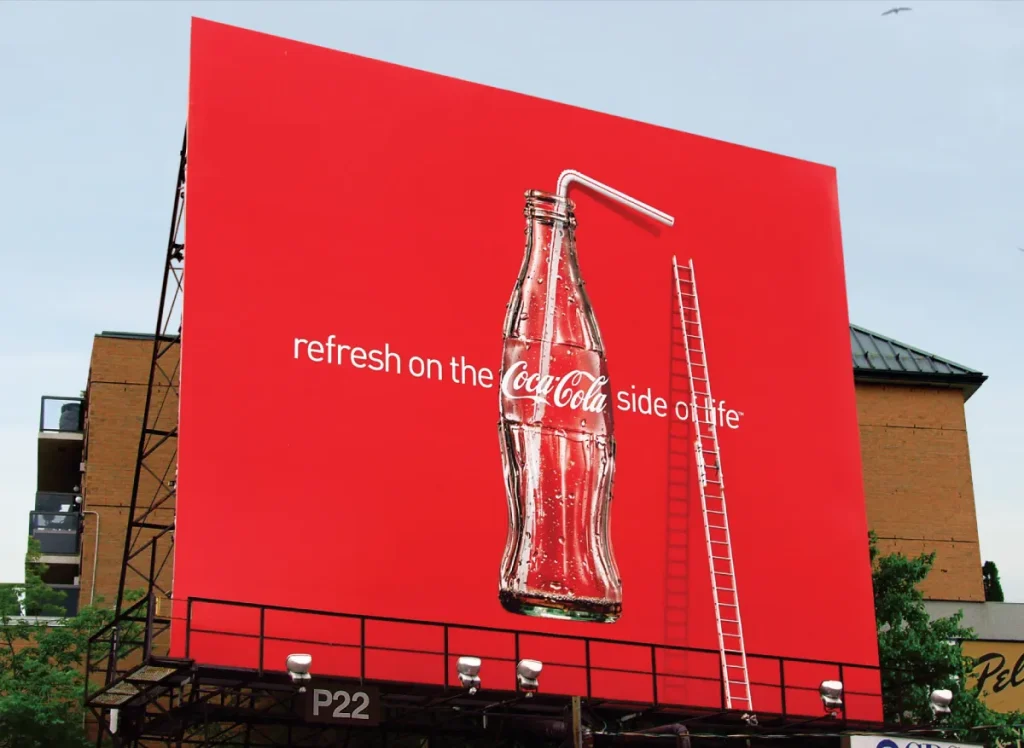
All right, let’s start with the basics. What exactly is reminder advertising?
In simple terms, reminder advertising is a marketing strategy to keep established brands or products in the public eye. It’s not about introducing something new or convincing people to buy – it’s about reminding them that you exist and that they liked you in the first place.
Think of it like this:
You’re at a party, chatting away, having a grand old time. Suddenly, someone mentions Coca-Cola. You weren’t particularly thirsty before, but now you’re craving a cold, fizzy drink. That’s reminder advertising in action.
Why Should You Care About Reminder Advertising?
You might wonder, “Stuart, why should I care about this? I’ve got other marketing strategies that work just fine.
Here’s why reminder advertising is the secret sauce your marketing strategy’s been missing:
- It keeps you relevant: In today’s fast-paced world, consumers have the attention span of a goldfish on Red Bull. Reminder advertising ensures you don’t fade into obscurity.
- It’s cost-effective: Reminder ads are often more cost-effective and targeted than full-blown advertising campaigns.
- It boosts brand loyalty: By staying present in your customers’ minds, you reinforce your relationship with them.
- It drives repeat purchases: A gentle nudge can be all it takes to turn a one-time buyer into a loyal customer.
- It works at any stage: Whether you’re a startup or an established brand, reminder advertising can work wonders for your business.
The Science Behind Reminder Advertising: Why It Works
I’m not usually one for getting all scientific, but bear with me here. There’s some fascinating psychology behind why reminder advertising is so bloody effective.
The Power of Familiarity
Ever heard of the mere-exposure effect? It’s a fancy term psychologists use to describe why we prefer things we’re familiar with.
In other words, the more we see something, the more we like it.
This is why reminder advertising is so powerful. By consistently exposing your audience to your brand, you’re not just reminding them you exist – you’re making them like you more.
The Zeigarnik Effect
Here’s another psychological nugget for you: the Zeigarnik Effect. It suggests that people remember uncompleted or interrupted tasks better than completed ones.
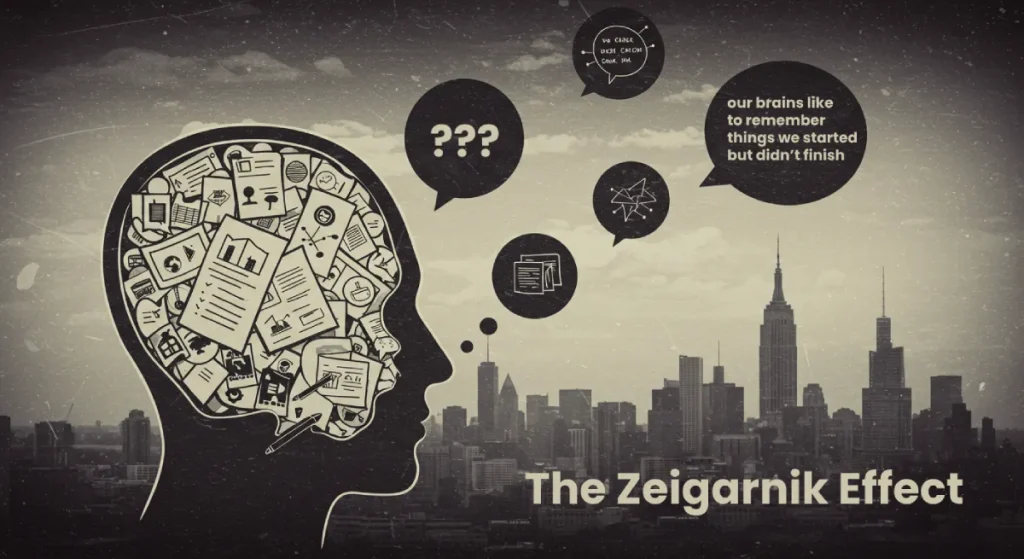
In marketing, this means that if someone’s considered buying your product but hasn’t, they’re more likely to remember it. Reminder advertising capitalises on this by giving that little push to complete the purchase.
The Rule of Seven
You’ve probably heard the old marketing adage that a person needs to see a message seven times before they act on it. While the exact number may vary, the principle remains the same.
Reminder advertising helps you hit that magic number, increasing the likelihood of conversion.
And here’s another bit of brain science for you. Ever bought a new car and then suddenly you start seeing that exact same model and colour everywhere?
That’s not magic, mate. It’s the Baader-Meinhof Phenomenon, also known as the frequency illusion.
Your brain is simply paying attention to something it previously ignored. Reminder advertising works in the same way. By consistently putting your brand in front of people, you trigger this effect. They start seeing you around, thinking, “Blimey, this brand is really taking off.” It makes you seem more relevant and important, just because they’re noticing you more.
Types of Reminder Advertising: Choose Your Weapon
Now that we’ve covered the ‘why’, let’s dive into the ‘how’. There are several types of reminder advertising, each with its strengths. Let’s break them down:
1. Display Ads
These are your classic visual ads on websites, social media platforms, and mobile apps. They’re great for catching the eye and reinforcing brand recognition.
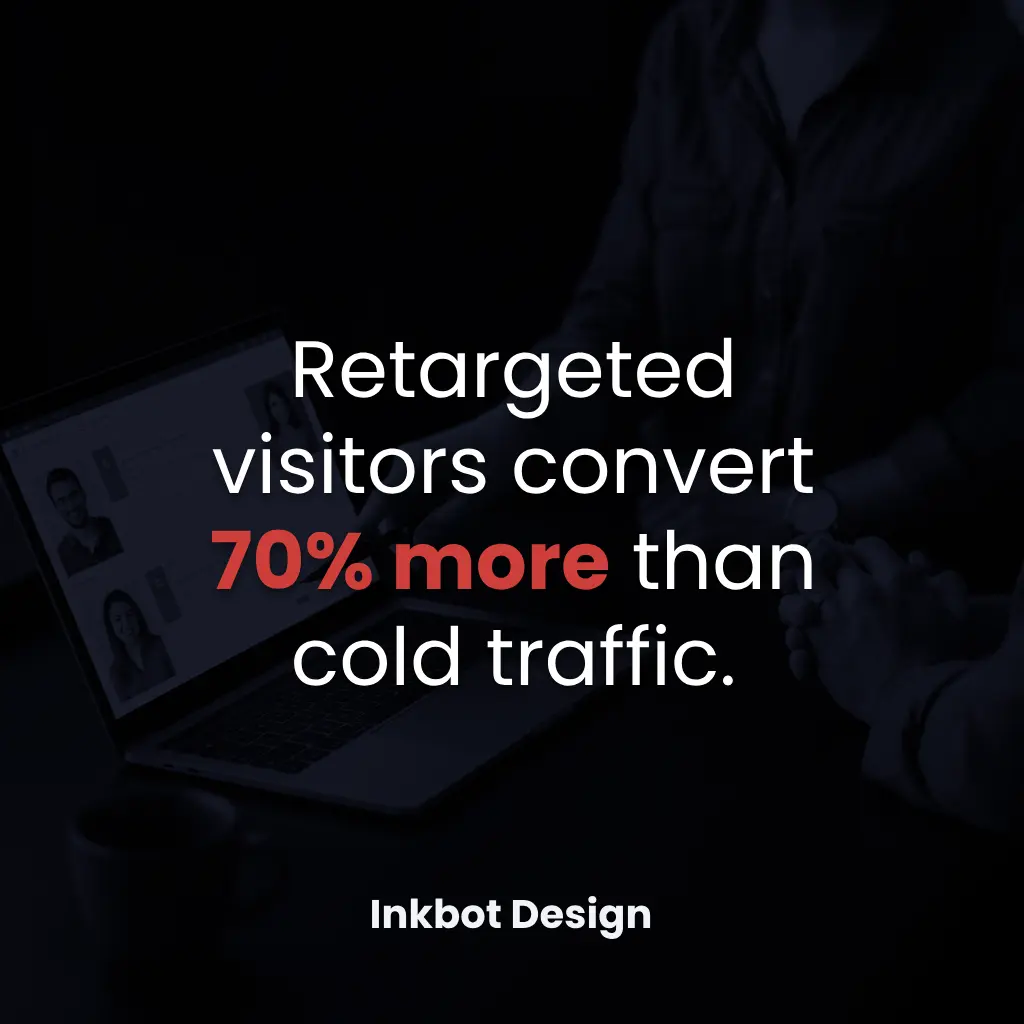
2. Retargeting Ads
These clever little buggers follow your website visitors around the internet, reminding them of products they’ve viewed but haven’t purchased.
3. Email Reminders
From abandoned cart emails to “We miss you” messages, email reminders are a direct way to re-engage customers.
4. Push Notifications
These are short messages that pop up on mobile devices or web browsers. They’re immediate and hard to ignore.
5. Social Media Posts
Regular posts on social platforms keep your brand visible in your followers’ feeds.
6. TV and Radio Spots
Short TV or radio ads can serve as effective reminders for more prominent brands.
7. Out-of-Home Advertising
Billboards, posters, and other physical ads in public spaces can provide constant reminders to a broad audience.
- 8. Connected TV (CTV) Ads: Let’s be honest, loads of us are watching streaming services on our big tellies now, not broadcast TV. Short ads on platforms like YouTube TV, All4, or Peacock are the new TV spots, catching people when they’re relaxed on the sofa.
- 9. In-App Notifications: If you’ve got your own app, this is a goldmine. A little ping on their phone saying, ‘That item you liked is back in stock’ is a direct, personal, and bloody effective way to pull them right back in.
Crafting Killer Reminder Ads

Now, here’s where the rubber meets the road. How do you create reminder ads that work?
When we started Inkbot Design, we learned these lessons the hard way. But you don’t have to. Here’s our tried-and-tested formula for crafting reminder ads that pack a punch:
1. Keep It Simple, Stupid
Your reminder ad isn’t the place for a lengthy sales pitch. Keep your message clear, concise, and to the point.
At Inkbot Design, we often use just our logo and a short, punchy tagline. It’s enough to jog the memory without overwhelming the viewer.
2. Be Consistent
Your reminder ads should be instantly recognisable as part of your brand. Use consistent colours, fonts, and imagery across all your marketing materials.
3. Use Emotion
Humans are emotional creatures. Tap into that. Use imagery or copy that evokes positive feelings associated with your brand.
4. Timing is Everything
The best reminder ad in the world won’t work if shown at the wrong time. Use data to understand when your audience is most receptive.
5. Personalise Where Possible
People love feeling special. Use data to personalise your reminder ads. Even something as simple as including the viewer’s name can make a big difference.
6. Include a Clear Call-to-Action
What do you want the viewer to do after seeing your ad? Make it crystal clear and straightforward.
7. Test, Test, Test
Never assume you’ve got it right the first time. Continuously test different versions of your ads to determine which one works best.
The Role of AI and Automation in Modern Reminder Advertising
Right, let’s look under the bonnet for a second. This isn’t as complicated as it sounds, I promise.
A few years ago, you’d have had to guess where to place your ads. Now, we have clever technology doing the heavy lifting.
Programmatic Advertising
Think of this as a robot auctioneer for ad space. Instead of calling up a website to buy an ad, AI-powered systems buy ad placements in real-time. They ensure your reminder ad is displayed to the right person, on the right website, at the exact moment they’re most likely to be paying attention. It’s all about efficiency.
Creative That Adapts in Real-Time (DCO)
Now this is the really smart bit. DCO tech changes the ad itself for whoever is looking at it.
Say you sell clothes. Someone views a pair of blue trainers on your site but doesn’t make a purchase. With DCO, the reminder ad they see later won’t just be your logo; it will also include your brand’s name.
It’ll be an ad featuring those exact blue trainers. It might even show a different message if they’re a first-time visitor versus a loyal customer. It makes the reminder personal and significantly more effective.
Real-World Examples: Reminder Advertising Done Right
All right, enough theory. Let’s look at some brands that are smashing it with their reminder advertising:
Coca-Cola: The Kings of Reminder Advertising
Coca-Cola doesn’t need to convince you to try its product. Everyone knows what Coke is. Instead, they focus on reminding you how great Coke is, often tying their ads to emotions or experiences.
Remember their “Share a Coke” campaign? That wasn’t about introducing a new product. It was a brilliant reminder campaign that got people talking about and buying Coke repeatedly.
McDonald’s: The Golden Arches of Memory
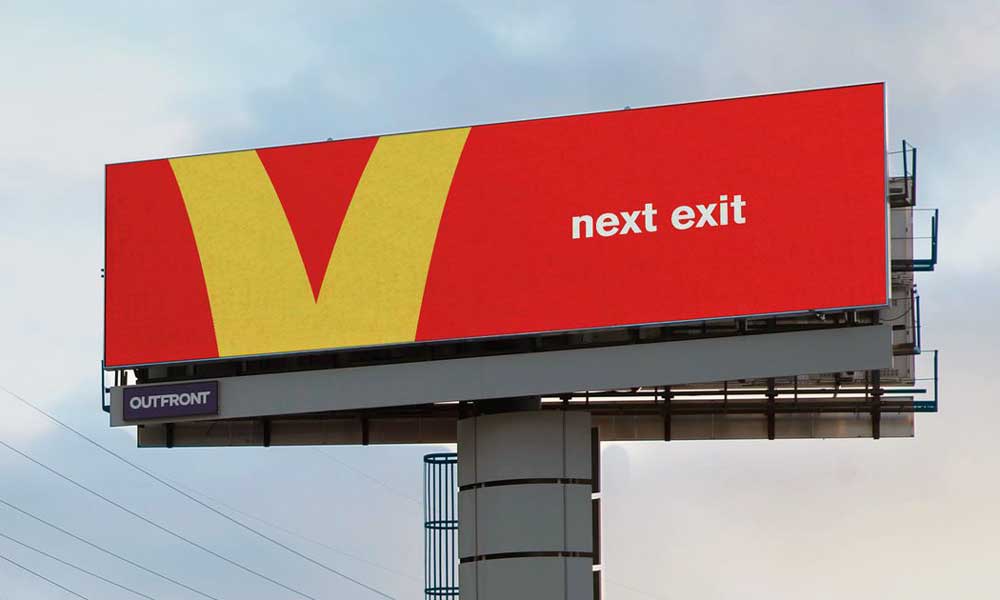
McDonald’s uses its iconic golden arches in almost all its advertising. Sometimes, that’s all they need. A simple image of those arches reminds you of their brand and triggers a craving.
Volkswagen: Driving Home the Message
Volkswagen’s “Think Small” campaign is a classic example of reminder advertising. It didn’t try to sell you on new features. It reminded you of the core appeal of the VW Beetle – its compact size and efficiency.
Spotify: The Annual Reminder Masterclass
Now here’s a modern giant that has turned reminder advertising into a global event: Spotify.
Think about their “Wrapped” campaign at the end of every year.
They’re not trying to sell you a new subscription. You’re already a customer.
What they’re doing is reminding you, in a very personal way, of the value you’ve gotten from their service all year long. “Look at all these great tunes you discovered with us! Remember that weird phase you went through in May?”
It reinforces their place in your life. It’s emotional. And the best part? Everyone shares their results on social media, doing Spotify’s marketing for them for free. It’s a masterclass in making your customers feel seen and keeping your brand at the centre of the conversation.
The Dark Side of Reminder Advertising: Pitfalls to Avoid
Now, before you go off and start bombarding your audience with reminder ads, let’s talk about the potential pitfalls. Because, like anything in marketing, reminder advertising can go wrong if you’re not careful.
1. Overexposure
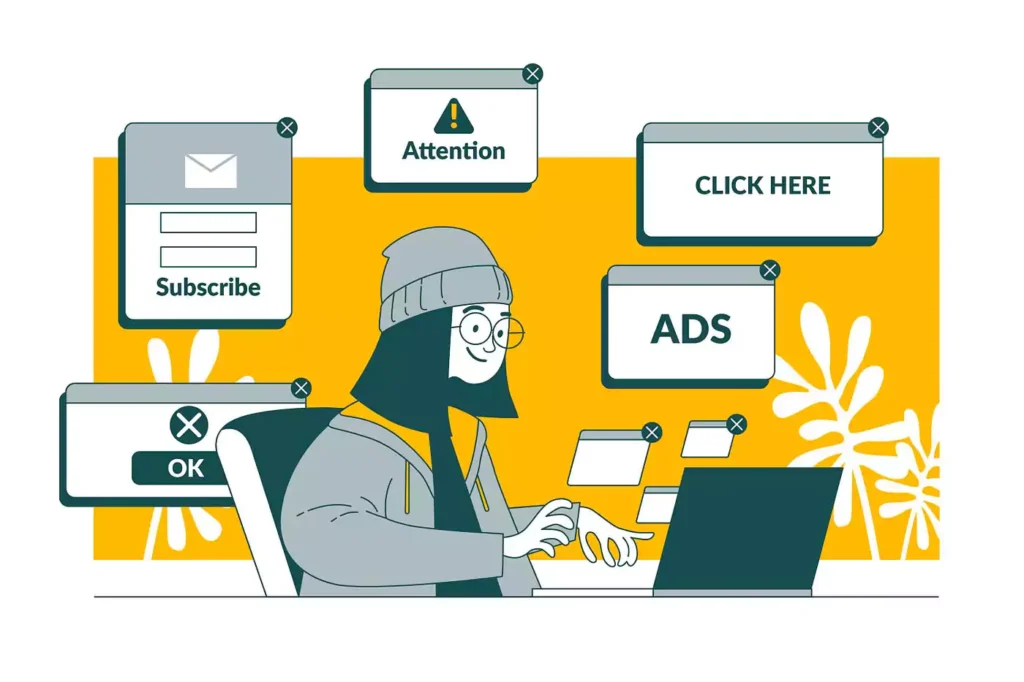
Yes, familiarity breeds liking – but only up to a point. Bombard your audience with too many reminders, and you’ll quickly become that annoying brand they can’t escape.
At Inkbot Design, we learned this the hard way. We once ran a remarketing campaign that was so aggressive that we lost customers. Oops.
2. Irrelevance
Your reminder ads need to be relevant to the viewer. Showing ads for products they’ve already bought or have no interest in wastes your budget and patience.
3. Poor Timing
Timing is crucial in reminder advertising. Sending a “buy now” reminder at 3 am will probably not win you any customers.
4. Lack of Value
Your reminder ads should offer value to the viewer, even if it’s just a moment of entertainment. Don’t just repeat your brand name ad nauseam.
5. Ignoring Context
Always consider the Context in which your ad will be seen. A reminder ad that works excellently on Instagram might fall flat on LinkedIn.
Measuring Success: KPIs for Reminder Advertising
Right, so you’ve crafted your reminder ads and launched your campaign. But how do you know if it’s working? Here are the key performance indicators (KPIs) you should be tracking:
1. Brand Recall
This measures how well people remember your brand after seeing your ads. You can measure this through surveys or brand lift studies.
2. Engagement Rate
This includes metrics like click-through rate, likes, shares, and comments. It demonstrates how effectively your ads are resonating with your target audience.
3. Conversion Rate
While reminder ads aren’t primarily about driving immediate sales, you should still track how many people take action after seeing your ads.
4. Frequency
This measures how often people see your ads. Too low, and you’re not making an impact. Too high, and you risk annoying your audience.
5. Return on Ad Spend (ROAS)
This measures the revenue generated for every pound spent on advertising. It’s crucial to ensure your reminder ads are cost-effective.
- 6. View-Through Conversions (VTCs): This one’s a big deal for reminder ads. It tracks when someone sees your ad, doesn’t click, but then visits your site and makes a purchase later. It proves that the reminder did its job by planting a seed, even if it didn’t elicit an immediate click.
- 7. Customer Lifetime Value (CLV): Look at the long game. Are the customers who see your reminder ads sticking around longer and spending more money over their lifetime compared to those who don’t? If the CLV for the exposed group is going up, your reminders are doing more than just jogging memories; they’re building proper loyalty.
The Future of Reminder Advertising: What’s Next?
All right, it’s time to put on our futurist hats. What’s next for reminder advertising? Here are my predictions:
1. Hyper-Personalisation
With AI and machine learning advancements, we’ll see reminder ads tailored to demographics and individual preferences and behaviours.
2. Augmented Reality (AR) Reminders
Imagine walking down the street and seeing a virtual reminder ad in your AR glasses. It’s coming, folks.
3. Voice-Activated Reminders
We’ll see (or rather hear) more audio-based reminder ads as smart speakers become more prevalent.
4. Emotional AI
Future reminder ads can detect your emotional state and adjust their message accordingly.
5. Predictive Reminders
Instead of reminding you about past behaviours, ads might start predicting what you’ll need in the future.
Conclusion: Time to Remind ‘Em Who’s Boss
We’ve covered much ground here. From the psychology behind reminder advertising to crafting killer ads and avoiding common pitfalls.
But here’s the thing: knowledge without action is as helpful as a chocolate teapot.
So, what are you going to do with all this information?
Will you let it sit in your brain, gathering dust like that exercise bike in your spare room?
Or will you take action?
Because let me tell you, the brands that master reminder advertising are the ones that stay at the top of their game. They’re the ones that customers think of first when they’re ready to buy.
And that could be you.
So, here’s my challenge to you:
Take one idea from this post – just one – and implement it in your marketing strategy this week.
It could be setting up a retargeting campaign.
You could tweak your social media posts to serve as subtle reminders.
Or, it’s time to rethink your email marketing strategy.
Whatever it is, take action.
And if you need help crafting those killer reminder ads? Well, that’s where Inkbot Design comes in. We’ve been there, done that, and got the t-shirt (and we can design you a pretty snazzy t-shirt, too).
Remember (see what I did there?), in the marketing world, it’s not always about being the loudest. Sometimes, it’s about being the most persistent, relevant, and memorable.
So go on, give them something to remember.
FAQs
How often should I use reminder advertising?
It depends on your industry and audience, but strive for consistency without being overly repetitive. Start with 2-3 times a week and adjust based on engagement metrics.
Is reminder advertising only for big brands?
Not at all! Businesses of all sizes can benefit from reminder advertising. It’s beneficial for small businesses looking to build brand recognition.
How much should I budget for reminder advertising?
Start with 10-15% of your marketing budget and adjust based on results. Remember, reminder ads are often more cost-effective than full campaigns.
Can reminder advertising work for B2B companies?
Absolutely! B2B decision-makers are humans, too. Reminder ads can keep your brand top-of-mind during long sales cycles.
How do I measure the ROI of reminder advertising?
Track key metrics such as brand recall, engagement, and conversion rates. Also, consider using attribution models to understand how reminder ads contribute to your marketing efforts.
What’s the difference between reminder advertising and retargeting?
Retargeting is a form of reminder advertising that targets users who’ve previously interacted with your brand online. Reminder advertising is a broader strategy that can include retargeting.
Can reminder advertising be annoying to customers?
If done poorly, yes. The key is to provide value, not just repetition. Vary your message and avoid overdoing the frequency.
Q: How long should a reminder advertising campaign run?
A reminder that advertising should be an ongoing strategy, not a one-off campaign. However, it is essential to regularly review and refresh your ads to prevent ad fatigue.
Can I use reminder advertising for new products?
While reminder advertising is typically used for established products, it can also be used to reinforce awareness after an initial launch campaign.
How does reminder advertising fit into an overall marketing strategy?
Reminder advertising should complement your other marketing efforts, reinforcing messages from your primary campaigns and keeping your brand visible between significant promotions.

