The Ultimate Guide to Real Estate Branding
Branding is the secret superpower of top-performing real estate agents and agencies.
Get it right, and you’ll attract high-value clients, stand out, and dominate your local market. Get it wrong, and you’ll be lost in the shuffle, struggling to gain traction no matter how many open houses you host.
As the founder of Inkbot Design, a branding and design agency that’s worked with dozens of real estate clients, I’ve seen it all. The good, the bad, and the “oh no, they didn’t” regarding real estate branding.
In this comprehensive guide, I’m pulling back the curtain and sharing the exact strategies, frameworks, and design principles you need to create an unforgettable real estate brand.
Whether starting from scratch or giving your existing brand a facelift, follow these steps, and you’ll be well on your way to closing more deals than you ever thought possible.
Let’s dive in!
- Branding is a core business asset that creates trust, recognition, and allows you to command higher prices and attract ideal clients.
- Define a clear Unique Value Proposition and precise ideal client avatar to tailor messaging and visual identity effectively.
- Develop a cohesive brand identity—logo, palette, typography, imagery—that differentiates and evokes an emotional connection.
- Promote your brand consistently across all touchpoints, including portals, social video, and reputation management tools.
Why Branding Matters in Real Estate (More Than You Think)

Look, I get it. As a real estate professional, you focus on lead generation, deal negotiation, and ensuring a smooth client-closing process.
Branding might feel like a nice-to-have – something that “fancy” companies do, but not necessarily a priority for your business.
But how many real estate agents or brokerages have you encountered that all seem to blend?
I’m willing to bet it’s a lot. Sadly, most real estate brands are forgettable, interchangeable, and devoid of real personality.
And that’s a huge missed opportunity. Your brand is one of the most potent tools for standing out, attracting your ideal clients, and commanding higher prices.
Think about it this way – when a prospective home buyer or seller is researching real estate professionals in your area, what will make them choose you over the competition?
Is it your extensive knowledge of the local market? Your impeccable negotiation skills? Your award-winning customer service?
Absolutely. Those things are crucial. But they’re table stakes in the real estate game.
What’s going to make you genuinely memorable and irresistible is your brand. A brand that connects with your target audience on an emotional level showcases your unique value proposition and makes you the obvious choice.
And the best part? A solid real estate brand can make your other marketing and sales efforts more effective.
When you have a clear, cohesive brand identity, your website, social media, listings, and other collateral will all work together to send a consistent, compelling message. This builds trust, recognition, and top-of-mind awareness with your prospects.
On the other hand, a disjointed, forgettable brand will undermine all of your other marketing activities. No matter how great your listings are or how persuasive your pitch is, you will need help to convert leads into clients if your brand falls flat.
So, if you’re serious about growing your real estate business and taking it to new heights, investing in a strong, memorable brand should be at the top of your priority list.
How to Build an Unforgettable Real Estate Brand (In 5 Steps)
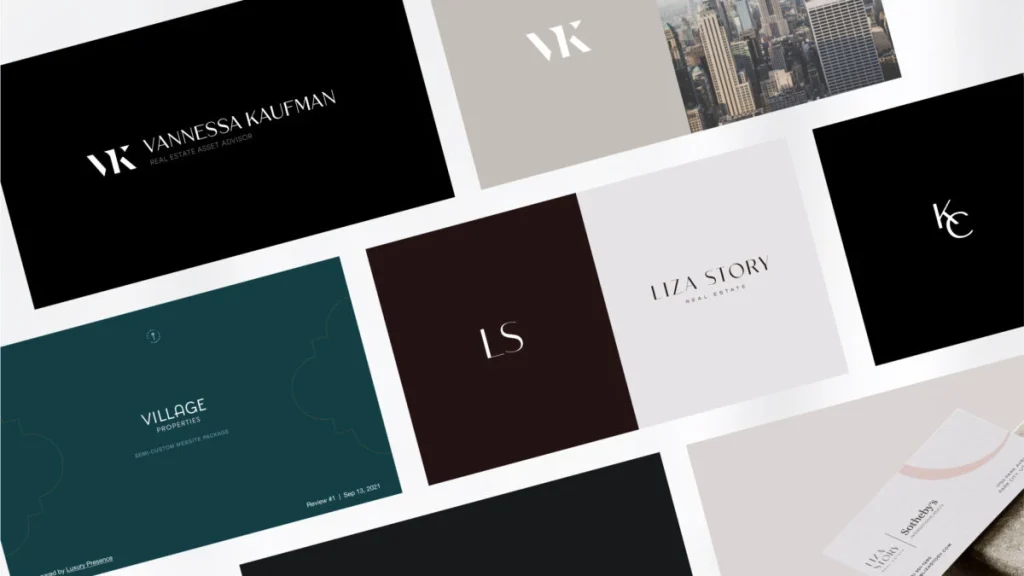
Choosing Your Path: Personal vs Agency Identity
One of the most frequent questions we face at Inkbot Design is whether an agent should brand themselves or lean entirely on their parent brokerage (such as Savills, Knight Frank, or Keller Williams).
The Solopreneur Brand
If you are an individual agent, you are the product. Your brand should be built around your face, your voice, and your specific local expertise.
- Entities to Highlight: Your LinkedIn profile, your Instagram handle, and your personal Google Business Profile.
- Pros: You own the equity. If you move brokerages, your clients follow your brand, not the company’s.
- Cons: Higher personal marketing spend and the need for constant content creation.
The Brokerage/Agency Brand
For a full agency, the brand must be scalable. It isn’t about one person; it’s about a system of excellence.
- Strategic Focus: Consistency across all agents, high-end Matterport virtual tours as a standard, and a unified CRM like Salesforce or HubSpot to ensure the brand experience is identical regardless of which agent handles the call.
The 2026 Hybrid Solution: The most successful agents today use a “Powered By” model. They maintain a distinct personal visual identity—often a unique Wordmark and personal headshot style—while displaying the brokerage logo as a “trust badge” in the corner of their marketing collateral.
Step 1: Define Your Unique Value Proposition
The first step in building an unforgettable real estate brand is to clarify your unique value proposition (UVP).
Your UVP is the unique benefit you offer your clients – what sets you apart from every other real estate agent or brokerage in your market.
I know what you’re thinking: “But don’t we all provide the same core services – helping clients buy and sell homes?”
You’re absolutely right. On the surface, the services offered by real estate professionals may seem quite similar. But that’s precisely why you must dig deeper and uncover what makes you unique.
👉 Ask yourself questions like:
- What specialised knowledge, skills, or experience do I possess that my competitors don’t?
- What are the specific ways I go above and beyond for my clients?
- What do my past clients consistently praise or appreciate about working with me?
- What unique attributes, values, or personality traits define my approach to real estate?
The answers to these questions will help you identify your UVP – the thing that makes you the obvious choice for your ideal clients.
For example, you’re an expert in luxury homes and can provide white-glove concierge service to high-net-worth clients. Or you can specialise in first-time homebuyers and have a reputation for patiently guiding them through every step of the process.
Whatever your unique angle is, make sure it’s something that your target audience truly values. Because at the end of the day, your UVP isn’t about you – it’s about the benefits you offer your clients.
Step 2: Identify Your Ideal Client Avatar
With your unique value proposition dialled in, the next step is to get crystal clear on your ideal client avatar.
Who do you want to attract to your real estate business? What are their demographics, psychographics, pain points, and aspirations?
The more detailed and specific you can get with your ideal client profile, the better. Because this information will inform every other aspect of your brand-building process.
Think about factors like:
- Age, gender, income level, education, marital/family status
- Interests, hobbies, values, lifestyle
- Primary motivations for buying/selling a home
- Common pain points, challenges, or fears
- Preferred communication channels and information sources
Once you have a clear picture of your ideal client, you can tailor your brand messaging, visual identity, and overall positioning to speak directly to their needs and desires.
For example, your target clients are affluent empty-nesters looking to downsize into a maintenance-free luxury condo. Your brand would likely have a more sophisticated, aspirational tone than one targeted at first-time millennial homebuyers.
Defining your ideal client avatar is crucial because it ensures that every real estate brand is laser-focused on attracting and converting your most valuable prospects.
Step 3: Develop a Compelling Brand Identity
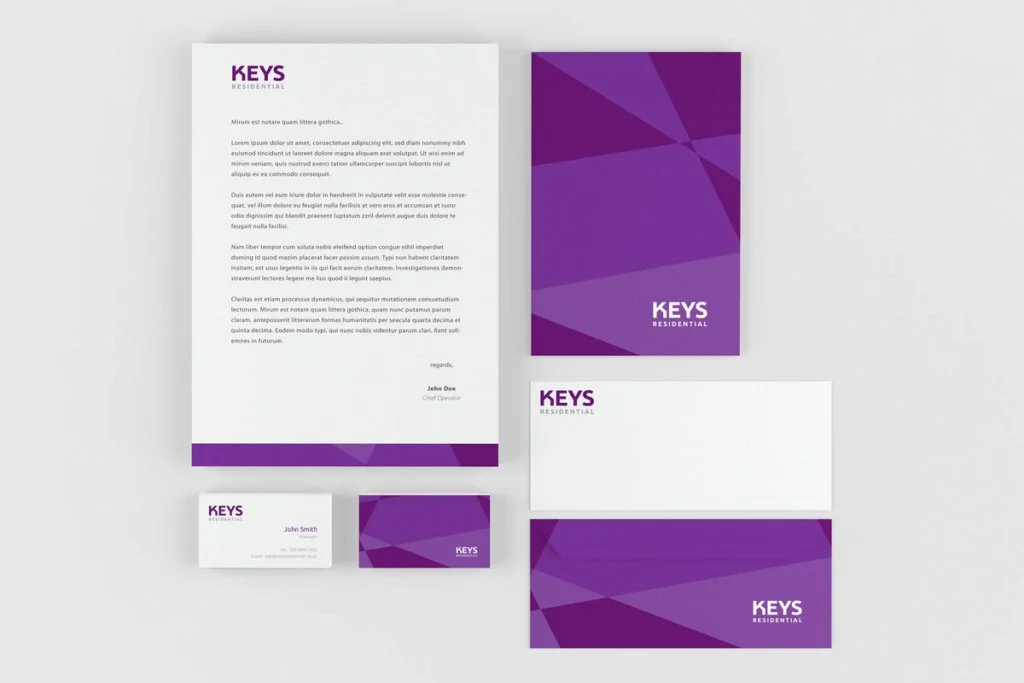
With your unique value proposition and ideal client avatar dialled in, it’s time to start crafting your brand identity.
Your brand identity encompasses all the visual and verbal elements to create a cohesive, recognisable brand – your logo, colour palette, typography, imagery, and brand voice.
Think of your brand identity as the “face” of your real estate business. It’s what prospective clients will see, hear, and experience when they interact with your brand.
When developing your brand identity, keep these fundamental principles in mind:
- Differentiation: Your brand identity should set you apart from the crowd. Avoid generic, cookie-cutter design elements that blend with every other real estate agent or brokerage.
- Consistency: Every visual and verbal touchpoint of your brand should feel cohesive and aligned. This builds recognition and trust with your target audience.
- Personality: Inject your brand identity with a distinct personality that resonates with your ideal clients. Are you modern and fresh? Are you sophisticated and elegant? Warm and approachable?
- Emotional Connection: The most successful real estate brands don’t just look good – they also make an emotional impact. Aim to evoke positive feelings like trust, excitement, or aspirations in your target audience.
When executed well, your brand identity will become an invaluable asset – a shorthand way for your ideal clients to recognise and connect with your real estate business instantly.
The Science of Visual Trust: Colour and Type in 2026
In the property sector, your visual choices aren’t just aesthetic; they are psychological triggers. By the time a client reads your name, they have already subconsciously judged your competence based on your Pantone selection and font weight.
The Property Colour Matrix
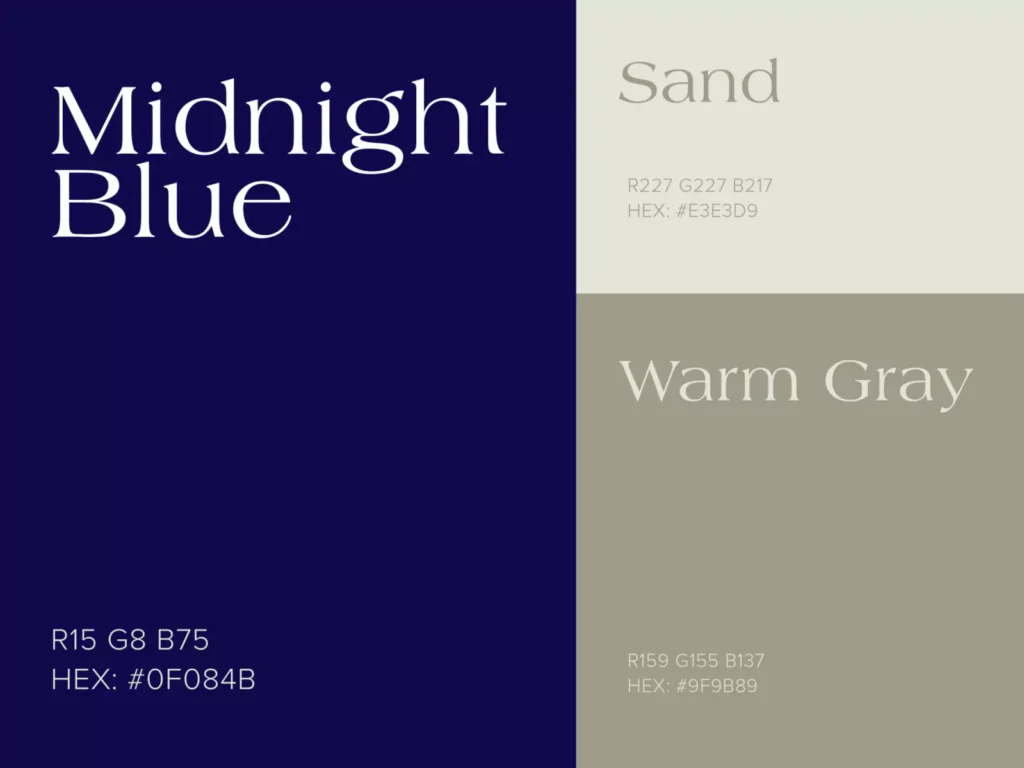
For 2026, the industry has shifted away from “aggressive sales reds” towards tones that evoke stability and transparency.
- Deep Navy and Slate: Signals institutional trust and “old money” stability. Ideal for commercial brokerages or high-end residential firms.
- Sage Green and Terracotta: These are the “ESG” (Environmental, Social, and Governance) colours of the year. They appeal to the eco-conscious buyer and the growing “Sustainable Living” demographic.
- Champagne and Charcoal: The go-to palette for the luxury market. It suggests exclusivity without the cliché of bright gold.
Typography: Stability vs Speed
Your font choice dictates your brand’s “voice” before a single word is spoken.
- Serif Fonts (e.g., Playfair Display): These suggest heritage, wisdom, and authority. Use these if you specialise in historic homes or high-value estates.
- Sans-Serif (e.g., Montserrat or Inter): These are clean, modern, and suggest efficiency. They are the standard for tech-forward agencies and modern urban developments.
Pro Tip: Avoid the “House Icon” trap. In 2026, AI-driven search systems and savvy buyers find house-shaped logos generic. Instead, focus on an abstract Brandmark that represents your unique UVP—perhaps a geometric symbol of “growth” or a minimalist representation of your local skyline.
Step 4: Craft Irresistible Brand Messaging
Once you’ve nailed down your visual brand identity, it’s time to focus on your brand messaging – the words and phrases you use to communicate your value proposition, personality, and unique selling points.
Effective real estate brand messaging should achieve a few key objectives:
Clarity: Cut through the noise and communicate your key points clearly and concisely. Avoid industry jargon or fluff.
Authenticity: Let your brand’s authentic personality shine through. Speak to your audience in a genuine, conversational tone.
Differentiation: Position your real estate business as the obvious choice by highlighting what makes you unique.
Emotional Impact: Appeal to your ideal clients’ hearts and heads. Use language that evokes positive feelings and aspirations.
Some specific elements of compelling real estate brand messaging include:
- Tagline or Slogan: A short, punchy phrase that captures the essence of your brand.
- Brand Story: A narrative that explains the “why” behind your real estate business.
- Value Proposition Statements: Concise statements that articulate the key benefits you offer.
- Brand Personality Descriptors: Adjectives that define your brand’s unique personality.
- Branded Language: Distinctive words, phrases, or idioms that reinforce your brand identity.
Remember, excellent brand messaging isn’t just about what you say – it’s also about how you say it. Focus on crafting a brand voice that is authentic, engaging, and aligned with your ideal client avatar’s preferences.
Step 5: Consistently Promote Your Brand Across All Touchpoints
The final step in building an unforgettable real estate brand is consistently promoting it across all your marketing and sales touchpoints.
This means ensuring that your brand identity and messaging are present and cohesive everywhere your target audience encounters your business – from your website and social media to your email campaigns, print collateral, and in-person interactions.
This also extends to everyday touchpoints, such as email communication, where email signature generators help maintain uniform branding, professional design, and consistent contact information across your entire organisation.
Consider all the different ways prospective clients might interact with your real estate brand and ensure you deliver a consistent, compelling experience at every turn.
For example, your website should feel like a natural extension of your brand, with visuals and messaging that instantly resonate with your ideal clients. Your social media content should reinforce your brand personality and value proposition. And when a potential buyer or seller meets you in person, your style, communication, and overall demeanour should align with your carefully crafted brand identity.
Remember, building a robust real estate brand is a collaborative effort. It requires ongoing maintenance, optimisation, and promotion to keep your business top-of-mind with your target audience.
Over time, this consistent brand presence will pay dividends through increased recognition, trust, and customer loyalty. Your ideal clients will come to see you as the obvious choice – the real estate professional who truly understands and caters to their unique needs.
Dominating the Digital Landscape: Beyond Your Website
Your website is your home base, but in 2026, your brand is often first “consumed” on third-party platforms. Consistency here is the difference between a lead and a lost click.
Portal Branding: Rightmove, Zoopla, and Zillow
When a user scrolls through a property portal, they see hundreds of listings. To make your brand stick:
- Branded Overlays: Ensure your listing photos have a consistent “look”—whether it’s a specific brightness level or a subtle, professional watermark.
- The “Premium” Effect: Use branded video headers on Rightmove or Zillow. A high-production-value video that starts with your animated logo builds instant “Prestige Equity”.
Social First Branding: TikTok and Instagram Reels
Video is no longer optional. A “static” brand is a dead brand in the current market.
- The 3-Second Hook: Your brand voice must be established in the first three seconds of a video. Use consistent branded captions (fonts and colours) so that even if the sound is off, the viewer knows it’s your content.
- Behind-the-Scenes Authenticity: 2026 buyers value “The Human Behind the Brand”. Share the “unfiltered” moments of a property valuation or a difficult negotiation. This builds Relatability, a key pillar of modern trust.
The Essential Real Estate Branding Toolkit
Building a premium brand no longer requires a six-figure marketing department. Here is the tech stack we recommend for maintaining a cohesive identity:
| Tool Category | Recommended Platforms | Why it Matters for Your Brand |
| Design & Layout | Canva, Adobe Express | Allows for rapid creation of branded social posts and brochures using pre-set templates. |
| Visual Content | Midjourney, Adobe Firefly | Creating “Mood Boards” and hyper-realistic staging visuals to show a property’s potential. |
| 3D Experience | Matterport, Giraffe | Provides a consistent, high-tech viewing experience that reinforces a “Modern Expert” brand. |
| Video Editing | CapCut, InShot | Enables agents to add branded subtitles and transitions to property walkthroughs on the fly. |
| Reputation Management | Trustpilot, Google Reviews | Your brand isn’t what you say it is; it’s what your clients say. Automated review collection is vital. |
Elevate Your Real Estate Brand with These Proven Strategies
Okay, let’s recap the key points we covered in this blog post:
- Your real estate branding is one of your most powerful assets. It makes you stand out, connect with your ideal clients, and command higher prices.
- Building an unforgettable real estate brand requires defining your unique value proposition, identifying your ideal client avatar, developing a compelling brand identity, crafting irresistible messaging, and consistently promoting your brand across all touchpoints.
- Investing in your real estate brand may require an upfront financial and time commitment, but the long-term payoff in increased leads, referrals, and revenue can be substantial.
So what are you waiting for? It’s time to start leveraging the power of branding to take your real estate business to new heights.
I’d be happy to chat if you need help bringing your real estate branding to life. As the founder of Inkbot Design, I’ve helped countless real estate professionals like you to stand out from the crowd and attract their ideal clients.
Just message me, and let’s create an unforgettable brand that will transform your business.
FAQs
How much does real estate branding cost in 2026?
For a solo agent, a professional visual identity (logo, palette, and social templates) typically costs between £1,500 and £4,000. For a full-service agency requiring a comprehensive strategy, website, and brand guidelines, budgets generally sit between £10,000 and £25,000. While DIY tools exist, the “opportunity cost” of a generic brand often exceeds the price of professional design.
Should I use my own name or a business name for my real estate brand?
If you intend to remain a “local specialist” and value personal relationships, using your name (e.g., Julian Hart Estates) builds trust more quickly. However, if you plan to scale your business, hire a team, or eventually sell the company, a “Legacy Brand” name (e.g., Summit Property Group) is more effective as it doesn’t rely on your personal presence for every deal.
How do I legally protect my real estate brand?
You should trademark your business name and logo through the Intellectual Property Office (IPO) in the UK or the USPTO in the US. This prevents competitors in your local area from using names or visual styles that are confusingly similar. Additionally, ensure you own the “Exact Match” domain name and all social media handles to prevent “brand squatting”.
Can I use AI to create my real estate logo?
While tools like ChatGPT and Midjourney are excellent for brainstorming and creating “mood boards”, we advise against using raw AI output for your final logo. AI-generated logos often lack the technical scalability (vector format) required for large-scale signage and cannot be easily trademarked. Use AI for inspiration, then hire a human designer to refine the “Soul” of the brand.
How often should I refresh my branding?
A full rebrand is usually necessary every 7 to 10 years. However, a “Visual Refresh”—updating your typography, photography style, or website UI—should happen every 3 years to ensure you don’t look dated compared to newer, tech-savvier competitors entering the market.