Why Logo Design Contests are Bad Business
Logo design contests are a bad business practice because they reduce the creative process to speculative work (“spec work”), bypassing critical brand strategy and client-designer collaboration.
This crowdsourcing model, popular on some platforms, often results in generic, unoriginal designs with significant risks of plagiarism and unclear intellectual property (IP) rights.
A professional design process, in contrast, is an investment in a unique brand identity built on a deep understanding of your business, market, and audience.
- Logo design contests often lead to low-quality, generic designs that lack depth and understanding of the brand.
- Designers are exploited, working for free with no guarantee of fair compensation or respect for their craft.
- Cheap logo contests risk copyright infringement and trademark issues, posing legal challenges for businesses.
- Investing in a professional designer ensures a thoughtful logo that accurately represents and strengthens your brand identity.
The Allure of the Contest
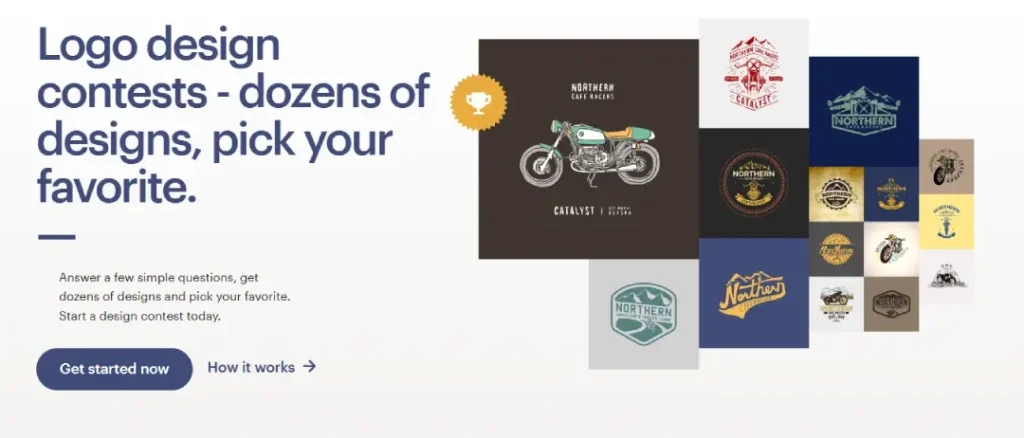
Initially, competitions for logo creation can appear to be a win-win situation. As a business owner, you will receive many designs at a relatively low price.
On the other hand, designers can demonstrate their skills and maybe even earn some money. However, when we look at this matter, it becomes evident that various problems are hidden behind it.
Yes, you may save a couple of bucks at first. But do not forget about the proverb: “I am not rich enough to buy cheap things”.
A quickly created contest logo will need replacement sooner or later. This is without considering what might happen to your brand if people see its design as average or generic.
These contests often brag about the hundreds or thousands of entries they get. Nevertheless, more doesn’t always mean better quality when it comes to design. You would have so many mediocre designs that finding one good idea could be like finding a needle in a haystack.
The Dark Side of Design Contests

So, let’s examine why these contests are so problematic for everyone involved.
Designers Being Exploited
Imagine this: The amount of labour that goes unpaid is enormous. It is like if you were to ask a crowd of plumbers to fix your pipes for free and only pay the one whose work you liked best.
No Research or Strategy
A good logo does not just look pretty; it reflects knowledge about your brand, target audience, and market. Contestants lack both time availability and motivational incentives for such fundamental research. They are shooting in the dark, hoping to hit the bullseye by chance.
Copyright Infringement and Plagiarism Risks
Many designs are being produced very quickly, significantly heightening the likelihood of accidental or deliberate plagiarism. You might get a logo already in use or, even worse, be sued for copyright infringement.
The True Value of Professional Logo Design
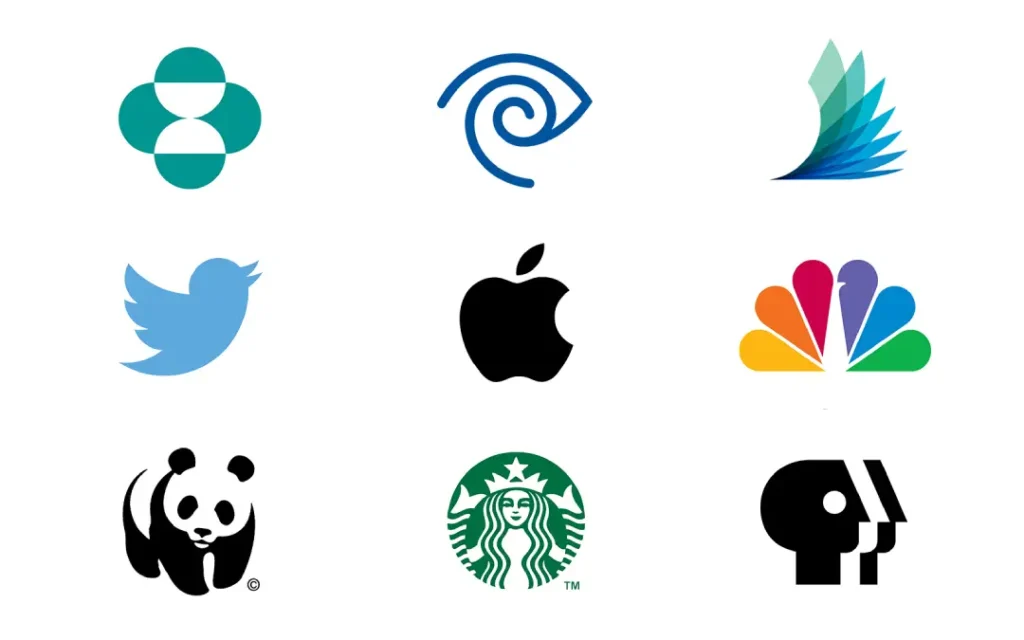
Having seen why logo design contests are not ideal, let us discuss what you get when hiring professional designers.
Pro designers do not only create beautiful pictures. They will familiarise themselves with your enterprise, values, and target market. In this case, the logo becomes a visual representation of your brand, not just any graphic.
Years of working in the field equip experts with unmatched skills and expertise.
More so, they understand various principles of design in depth. Therefore, such a person can create eye-catching logos that work well across different media types.
The designer-client relationship is like a partnership where both parties must work together. You can contribute throughout the design process until the final product is delivered.
This way, one ends up with a logo that meets their expectations, unlike in contests where there’s nothing else but “take it or leave it”.
The Hidden Costs of Cheap Logos
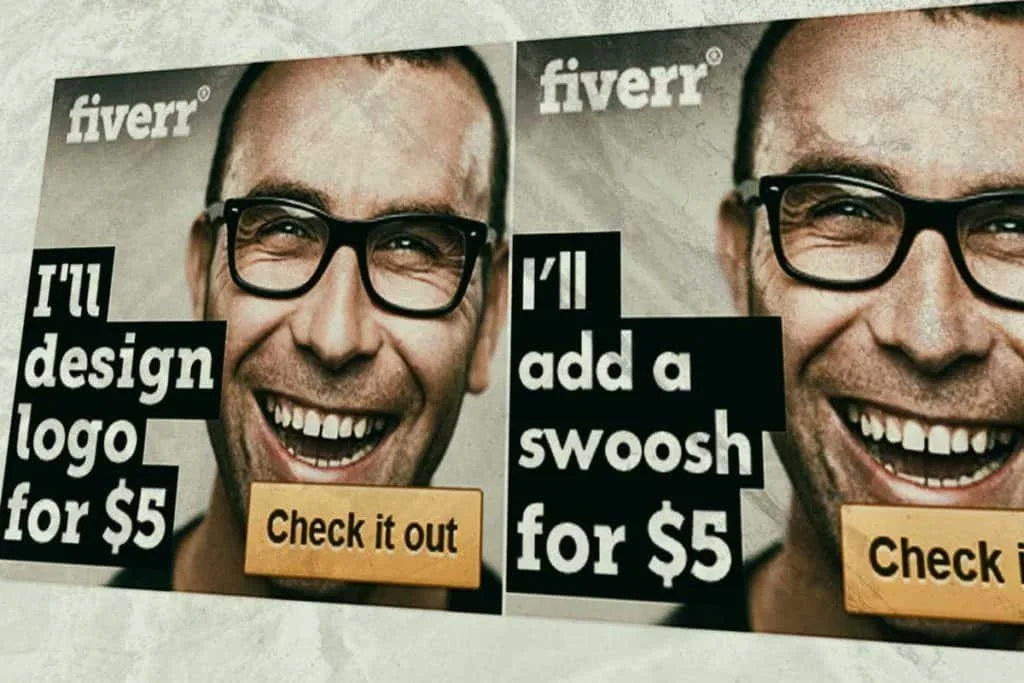
Talk about cash. Logo design competitions are cheaper initially. Nevertheless, what do you think about the future expenses?
Re-Designing Fee
That low-priced logo might look fine now, but how will it hold up in one year? What about five years? You may need to redo it earlier than expected, doubling your cost.
Missed Business Opportunities
A poorly designed logo can repel potential customers. It is the first thing people know about your brand, and you remember what they say about first impressions….
Inconsistent Branding
If a logo does not represent your brand, it can cause message inconsistency among different marketing materials that confuse clients and weaken your brand image.
The Ethics of Design Contests
Let’s think about the moral implications of logo design contests.
These competitions imply that designs do not need to be paid for until one is chosen. Such an attitude may influence other fields by making creative work less valuable.
A race to the bottom occurs when designers only compete by lowering their prices. As a result, both quality and the entire design industry suffer.
Alternatives to Logo Design Contests
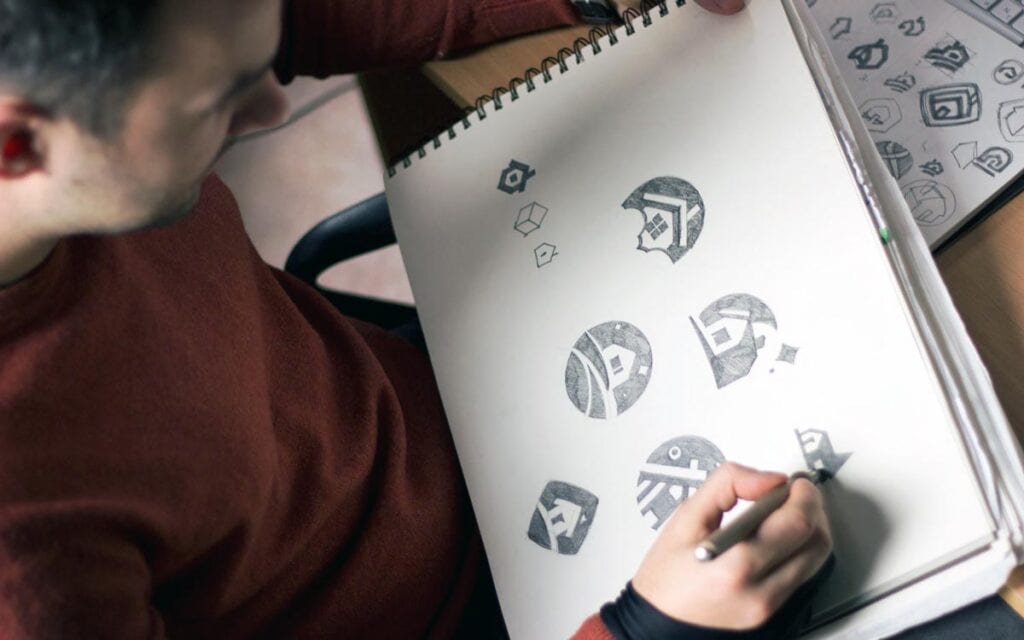
Okay, we’ve decided that contests for logo design are not a good idea. But now, what can we do?
Freelance Designer
Hiring a freelance designer is excellent because you get the skills of a professional without paying as much as you would at an agency.
Design Agencies
Design agencies will give you everything from logos to colour schemes to visual language if you have the money.
DIY Logo Makers
Logo generators online are perfect if you’re really on a budget. Just don’t forget that they’re not as good as custom-made logos.
The Legal Pitfalls of Logo Design Contests
Copyright issues have been mentioned. However, we should look more closely at the legal quagmire that logo design contests can become.
Problems with Trademarks
Your logo could resemble an existing trademark if you don’t do enough research. This may result in expensive lawsuits and rebranding.
Rights to Intellectual Property
The terms of many contest platforms need to be clarified regarding who owns the submitted designs. You might get stuck if you want to trademark the logo you choose.
The Impact of a Great Logo
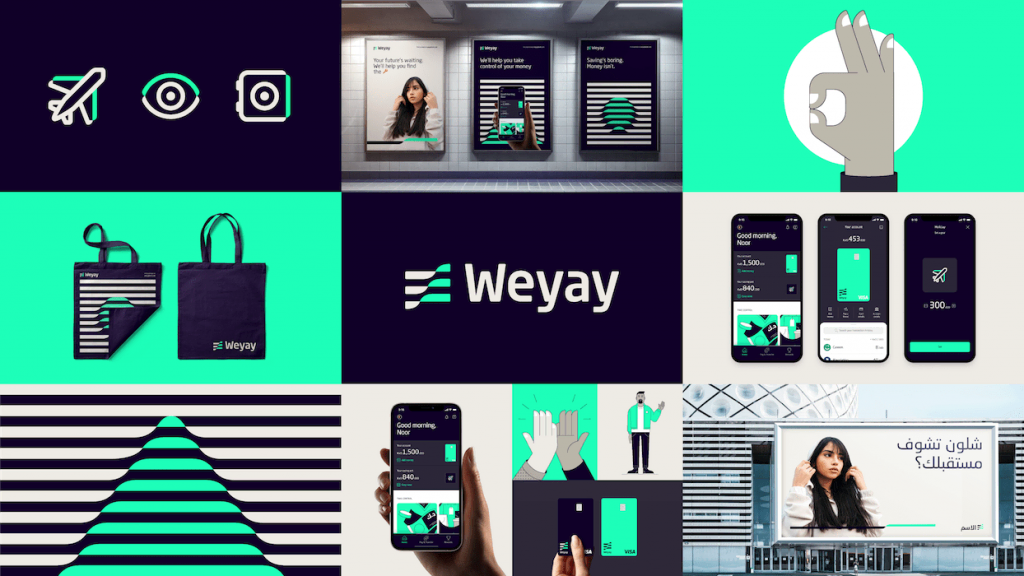
In the crowded mall of concepts, creations and services, your logo is like a mute representative of your brand. It’s more than just a pretty picture; it’s an effective instrument that can influence perceptions, evoke feelings and drive decisions.
Consider this: When you look ahead and see those golden arches on the horizon, don’t you suddenly want some fries? That’s what an impactful logo can do.
But here’s the thing: Most businesses treat their logo like an afterthought. They throw together some clip art and call it a day, then wonder why it’s not making waves.
Your logo is your mark on the world. It’s your first impression, lasting memory, and shorthand for everything you stand for.
A well-crafted logo isn’t just a pretty face. It pulls its weight:
- It cuts through noise. In an endless-scrolling, fleeting-attention world, a distinct logo catches eyes and keeps them.
- It tells your story. Your logo can communicate values, personality traits and customer promises without saying a word.
- It builds trust. A polished professional logo says, “We take this seriously.” Visual shorthand for “We’ve got our act together.”
- It creates a tribe. When people wear your logo on their t-shirt or stick it to their laptop, they’re not just advertising for you — they’re declaring membership in your brand community.
- It opens wallets. A strong enough symbol can justify premium pricing: think “generic cola” versus “Coca-Cola.”
Here’s the thing: Your logo isn’t just for customers. It’s for you and your team, too — an everyday reminder of what you stand for/what you’re building/who & how impact should be made.
So ask yourself: Is my current mark pulling its weight? Is it a forgettable blob or a brand beacon?
Don’t settle for good enough—your business deserves better! Investing in meaningful design yields higher returns; create an icon that doesn’t just represent your brand but also lifts it.
Remember this truth: In a world of noise, the right logo can be your signal. So, let’s make sure it counts.
Conclusion
When everything is said and done, logo design contests may appear as a time-saving solution; however, they abound with problems.
From an ethical standpoint, quality matters; the dangers outweigh potential savings. Your logo represents your brand – it is what most customers see first. It should be given enough time, consideration and professional input, which a committed designer can offer.
Always remember that your logo is an investment in the future success of your brand. It is worth doing well. Therefore, if you ever feel enticed by any logo design contest, just think about how much a cheap design costs. Trust me; eventually, your business will be grateful for this decision!
FAQs
Do logo design contests provide an excellent opportunity for new designers to get experience?
Even though it may seem to be an opening, the contests take advantage of the beginners by making them work without pay and without providing constructive criticism or contacts in the industry.
How much should I pay for a professional logo design?
The prices are very different, but you should be ready to spend from £300 up to £2000+ for a decent logo design, depending on how experienced the designer is and how complicated the project may be.
Can’t I use a free online logo maker instead?
These tools might be helpful for tiny businesses or temporary logos, but do not possess the customisation features or strategic thinking that professional designers bring.
How long does it usually take for a professional logo design process?
A logo design process takes 2-6 weeks, including research and revisions.
What if I don’t like a professional designer’s logo?
Usually, most professional designers have revision rounds specified in their contracts, so you can give feedback until you are satisfied with the result.
Are there any situations where a logo design contest might be appropriate?
Rarely, some educational or non-profit contexts may be where a contest with a well-defined structure could benefit. However, contests generally are not recommended for businesses looking for professional logos.
How can I find a trustworthy logo designer?
Look through designers’ portfolios with positive client reviews and follow clear steps in their work. You can find them through associations of designers, freelance platforms or referrals from other enterprises.
Before working with my designer on creating brand identity elements such as logos, etc., what should I prepare?
Gather information about your brand identity (values), target audience & competitors; think over what message you want to communicate through your logo so that it best reflects the essence of your business. The more info you give, the better the result will be.
Can’t I just hire the logo contest winner for further work if needed?
This approach still supports unpaid speculative work, although it’s possible. It is more ethical, and usually, better results can be expected if one hires a designer based on their portfolio and asks them to create custom logos for different purposes accordingly.
What are some characteristics which make up a good logo?
Good logos have simplicity, memorability, versatility, relevance (to the brand) & timelessness. They should also be scalable to different sizes and look great in colours and black-and-white versions.