10 Outdated Branding Practices to Leave Behind
Here’s what most business owners get wrong about branding in 2026: They’re still doing what worked in 2015. And it’s costing them millions.
I see it every day. Entrepreneurs obsess over logo colours while their competitors build trust engines—companies spend fortunes on brand guidelines that collect digital dust. “Expert” agencies recycle decade-old playbooks and charge premium rates for outdated advice.
But here’s the reality: The branding practices that built billion-dollar companies ten years ago will kill your business today. The market has evolved. Customer psychology has shifted. And if you’re still following the old rules, you’re already falling behind.
In this article, I will show you the 10 outdated branding practices that silently sabotage your growth – and, more importantly, what to do instead. No theory. No fluff. These are just battle-tested strategies working right now in the real world.
Let me be clear: This isn’t just about staying current. It’s about survival. Because in today’s market, the gap between brands that adapt and those that don’t isn’t just widening – it’s becoming an unbridgeable chasm.
- Simplify logos for recognisability and versatility across platforms, prioritising scalable design over intricate details.
- Adopt fluid identity systems and multi-sensory branding to stay adaptable, accessible, and relevant across devices and environments.
- Move communities to owned channels, embrace UGC and co-creation, and prioritise authenticity over over-polishing.
Impact of Outdated Branding Practices on Businesses
Imagine entering a shop with mediocre lighting, dusty shelves, and old advertising from a decade ago. Would you stick around? Probably not. That’s your business without an updated branding strategy.
Outdated branding can create a fragmented customer experience. It ages your brand quicker than milk left out on a hot summer day. Here are some significant impacts you should consider:
- Loss of Credibility: Customers see a brand not evolving as untrustworthy or uninterested in keeping up with modern trends.
- Decreased Engagement: Modern consumers expect active and responsive brands. Outdated practices lead to lost opportunities for dialogue.
- Lower Sales: When your branding doesn’t resonate, fewer customers will be willing to spend their hard-earned cash with you.
The takeaway? Keeping your branding fresh and relevant isn’t just smart—it’s essential for survival in this cutthroat market.
Overly Complex Logos – Simplify Your Design for Versatility and Recognisability

Take a moment to think about logos that immediately come to mind. Nike, Apple, McDonald’s—these logos are all simple and effective. They communicate their brand messages without the clutter.
But what happens when your logo is as complicated as assembling IKEA furniture? It loses recognisability.
Consider this:
- Versatility: Your logo must look great on various platforms, from business cards to social media avatars. If it’s too complex, it’s like trying to fit a square peg into a round hole. Please keep it simple!
- Memorability: A clean, straightforward design sticks in customers’ minds. The simpler it is, the easier they’ll remember it.
In my experience at Inkbot Design, simplifying client logos often resulted in immediate positive feedback, making them more visually appealing and memorable. One client’s convoluted logo became a minimalist design, instantly making it more effective.
So, take a good look at your logo. Is it doing you justice?
Beyond the Visual: Multi-Sensory Branding in 2026
If your branding strategy only focuses on what people see, you are ignoring 60% of the human experience. As voice search and wearable tech become the primary interfaces, Sonic Branding (audio) and Haptic Identity (touch/vibration) have become essential.
- Audio Identity: Just as Netflix has its “Ta-dum” and Intel has its jingle, your brand needs a consistent sound. This applies to your podcast intros, the “notification ping” in your app, and even the background music in your social clips.
- Accessible Design: 2026 standards demand that branding is inclusive. This means your “visual” identity must work for those using screen readers. Are your brand colours WCAG 2.2 compliant? If your contrast ratios are too low, you aren’t just being “aesthetic”—you’re being exclusionary.
| Sensory Element | Outdated Practice (2015) | Modern Strategy (2026) |
| Audio | Random stock music in ads. | Custom “Sonic Logo” and voice profile. |
| Visual | Fixed colours, no accessibility check. | Dynamic palettes with high-contrast modes. |
| Interactive | Standard “click” buttons. | Custom haptic feedback patterns in-app. |
Ignoring Mobile Optimisation – Ensure Branding is Mobile-Friendly
Now that we’re living in a mobile-first world, ignoring mobile optimisation is akin to trying to shove a square peg into a round hole. It’s not going to work.
Your consumers are no longer chained to their desks. They’re swiping, tapping, and scrolling on smartphones, tablets, and all sorts of tech.
So, what should you consider?
- Responsive Design: Use elements that adapt perfectly to screen sizes.
- Fast Load Times: If your branding takes longer than a few seconds to load, you lose potential customers.
Neglecting mobile optimisation shrinks your audience faster than you can say “lost opportunity!”
A friend once told me he lost a significant deal because his brand’s website looked horrendous on phones. Don’t let that happen to you.
The Death of the Brand PDF: Moving to Fluid Identity Systems
For decades, the “Brand Guidelines” document was a static PDF—a rigid set of rules that sat in a Dropbox folder, ignored by the team. In 2026, this is a recipe for irrelevance. Modern audiences interact with your brand across a fragmented ecosystem: smart watches, AI chatbots, augmented reality, and decentralised social feeds. A static identity cannot survive this.
Instead, leading organisations are adopting Fluid Identity Systems. This approach uses Figma-based living libraries and Design Systems that allow your brand to adapt to its environment without losing its soul.
- How to transition: Move from “fixed layouts” to “component-based branding.” Your logo shouldn’t be a single file; it should be a responsive asset that adapts its complexity based on the screen’s “Real Estate.”
- When to adapt: If your brand feels “off” in a dark-mode interface or a voice-only environment (like Amazon Alexa), your system is too rigid.
Scenario: Consider a fintech startup. In a high-trust environment like a banking app, the brand uses bold, serif typography and muted tones. On TikTok, the same system automatically triggers high-energy motion graphics and a “snappy” audio logo to match the platform’s vibe. The “soul” is consistent, but the “expression” is fluid.
One-Size-Fits-All Approach – Customise Branding Strategies for Different Platforms and Demographics

Have you ever tried to wear a size 12 shoe when you’re a size seven? Not the best experience, right? That’s what a one-size-fits-all branding approach feels like.
Different platforms, demographics, and target markets have their unique characteristics. Here’s how you can tailor your brand accordingly:
- Understand Your Audience: Use analytics to ascertain different preferences across your customer segments.
- Adapt for Each Channel: What works on Instagram might not translate to LinkedIn. Each platform’s vibe deserves its unique approach.
- Content Tailoring: Perhaps short videos for TikTok and in-depth articles on Medium. Give your audience what they consume best.
The brands that get this right connect deeply with their audiences. A tailored approach to branding is akin to tweaking a recipe to just the right taste—everyone loves it!
Neglecting Social Media Engagement – Actively Engage and Interact with Your Audience Online
Here’s a thought: Your audience isn’t just a number; they’re real people!
Ignoring social media engagement is like throwing a party and not inviting your friends. You can’t build a vibrant brand without active communication with your audience.
- Active Participation: Respond to comments, ask for feedback, and create polls. Your customers will feel valued.
- Storytelling: Share stories about your brand, behind-the-scenes content, or customer testimonials. Authenticity goes a long way.
I remember posting an engaging story on social media profiling one of our team members at Inkbot Design. The engagement skyrocketed. People loved the peek behind the curtain!
Why not initiate that conversation? What is your audience saying?
From Followers to Co-Creators: The Community Moat
Building a “following” on Instagram is a 2015 goal. In 2026, those followers are owned by the platform, not you. To survive, you must move your community into “owned” spaces like Discord, Slack, or bespoke member portals.
The shift is from consumption to contribution. Look at the LEGO Ideas model: the community isn’t just buying; they are designing the product roadmap.
Steps to Build a Co-Creation Brand:
- Surrender Control: Let your community vote on new features, brand colours, or even marketing slogans.
- Incentivise Advocacy: Move away from “Affiliate Links” and toward “Brand Equity.” Give your most loyal fans early access, exclusive “founding member” status, or physical tokens of appreciation.
- The “Unhinged” Authenticity: Stop over-polishing. If a community member posts a “meme” of your brand that is slightly off-brand but funny, embrace it. Authenticity in 2026 is about being part of the joke, not the punchline.
Inconsistent Brand Identity – Maintain a Cohesive and Consistent Brand Image Across All Channels
Picture this: You walk into a store wearing a bright yellow shirt, but you find the store’s logo is now bright pink. Confusing, right?
An inconsistent brand identity creates chaos and confusion for customers, eroding trust.
Here’s a quick checklist for maintaining consistency:
- Brand Guidelines: Define your brand tone, colours, typography, and imagery. Ensure everyone on your team is in sync.
- Regular Reviews: Audit your social media and online interfaces regularly to ensure they align with your brand’s core identity.
Consistency builds trust. When customers know what to expect, they’re likely to return. Look at major brands like Coca-Cola—their consistent branding keeps them at the forefront.
Ignoring Sustainability – Incorporate Eco-Friendly Practices and Highlight Them in Branding Efforts

With climate change storming the castle of public consciousness, brands that ignore sustainability might as well dress up in dinosaur costumes.
Your customers, especially the younger generation, care about sustainability. Failing to incorporate eco-friendly practices into your branding is like ignoring the elephant in the room.
Here’s what to do:
- Practice What You Preach: Implement sustainable practices within your operations.
- Showcase Efforts: Regularly communicate your brand’s sustainability efforts. Whether eco-friendly packaging or giving back to the community, flaunt it!
In my journey at Inkbot Design, we shifted toward sustainable materials for our print projects. You better believe it boosted our credibility and attracted like-minded businesses.
Are you making eco-friendly moves?
The Circular Economy: Branding for Longevity, Not Consumption
In 2026, “Eco-friendly” is no longer a marketing buzzword; it’s a regulatory and consumer requirement. Outdated brands still talk about “offsetting carbon.” Modern brands demonstrate a Circular Economy mindset.
This means your brand identity must communicate the entire lifecycle of your product. Patagonia set the standard, but now even small B2B brands are expected to show their “homework.”
Framework for Radical Transparency:
- The Cost Breakdown: Following the Everlane model, show exactly where the money goes.
- The Failure Log: Publicly share what your brand is struggling with (e.g., “We haven’t perfected plastic-free shipping yet, but here is our 2-year plan”).
- Blockchain Provenance: Use distributed ledgers to prove your supply chain claims. If you say it’s “organic,” provide the digital receipt.
Relying Solely on Traditional Advertising – Embrace Digital Marketing, Influencer Partnerships, and Content Marketing
Let’s be honest: traditional advertising is like dial-up internet. It was great once, but times have changed!
Relying solely on old-school ads can stall your growth and leave $$ on the table.
- Digital Marketing: Social media, SEO, and email marketing are the new frontlines. Flex those digital muscles!
- Influencer Partnerships: Collaborate with influencers who resonate with your brand to enhance your reach and authenticity.
- Content Marketing: Blogging and vlogging can build authority and create engaging stories that captivate your audience.
Personal experience has taught me that engagement soared when we shifted our strategies at Inkbot Design. Fresh, dynamic approaches opened doors that had been thought to be locked!
Don’t get stuck in the past. Embrace the change!
Overlooking User-Generated Content – Leverage Authentic Content from Your Audience for Stronger Engagement
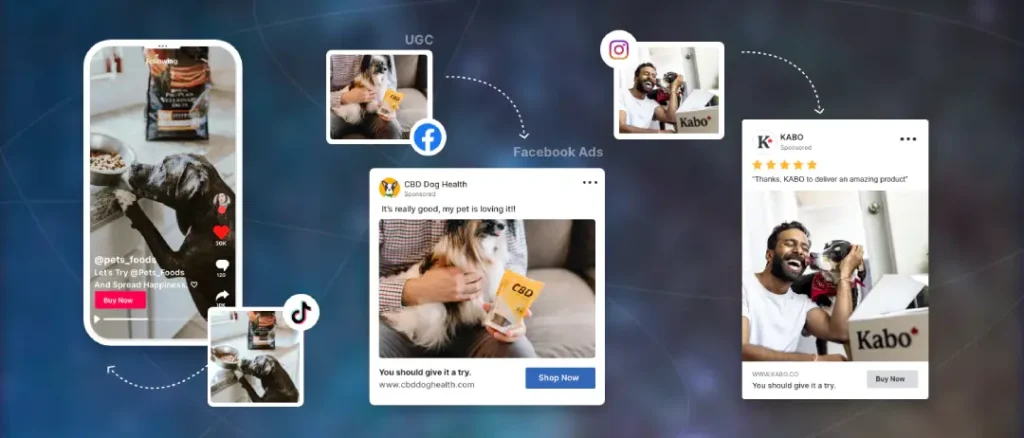
User-generated content (UGC) is free advertising. Your audience loves to share their experiences with your brand—why not turn that to your advantage?
Consider this:
- Social Proof: UGC acts as testimonials, compelling potential customers to engage with your brand.
- Increased Engagement: Highlighting customers’ content often results in a snowball effect, prompting others to join in.
I have seen brands whose customers shared images of their products; that content can quickly launch a viral campaign.
Why not ask customers to share their experiences? Use a custom hashtag to curate their content!
The AI Branding Paradox: Hyper-Personalisation at Scale
The biggest mistake in 2026 is using Artificial Intelligence merely to “optimise ads.” The real power lies in using Generative AI to tailor the brand experience to the individual user without losing the brand’s core identity.
However, many businesses fall into the trap of “Algorithmic Blandness.” They let tools like Jasper or Midjourney dictate their creative direction based on “what’s trending,” resulting in a brand that looks like everyone else’s.
How to use AI for branding correctly:
- Sentiment Analysis: Use Brandwatch or Hootsuite to monitor real-time emotional shifts in your community.
- Persona Scaling: Train a private instance of Claude on your brand’s unique tone of voice (your “Brand Soul”). This ensures that whether a customer talks to a chatbot or reads a blog post, the personality remains the same.
- Predictive Branding: Don’t just react to data; use it to predict where your audience is moving. If data shows a shift toward “minimalist lifestyle” among your buyers, your visual identity should subtly pivot before the trend peaks.
Conclusion
In a nutshell, holding onto outdated branding practices is a surefire way to fall behind.
From overly complex logos to neglecting sustainability, every aspect matters. Keeping your branding fresh, adaptable, and engaging will not only resonate with your audience but also save your business from the brink.
So, where do you stand? Are you ready to leap into modern branding strategies?
Your brand won’t just survive; it will thrive!
Outdated Branding FAQs
How do I update my brand without losing my current Google rankings?
This is a common fear. Focus on maintaining your “Entity” consistency. Ensure your brand name, core mission, and key personnel remain linked in your site’s metadata. Use Schema Markup (specifically Organization and Brand types) to tell search engines that “Old Brand X” is now “Modern Brand X.”
Is a minimalist logo always better for 2026?
Not necessarily. While simplicity helps with mobile icons, we are seeing a “New Maximalism” in 2026—brands using rich textures and complex storytelling to stand out against “AI-generated blandness.” The key isn’t “simple,” it’s “scalable.”
Should I use my own face as the brand (Personal Branding)?
In the age of AI, human faces are the ultimate “Trust Signal.” Founders who integrate their personal story into the corporate brand often see 4x higher engagement. However, ensure the business can eventually stand on its own, or you’re creating a “key person” risk.
My designer says we must follow every trending aesthetic to stay relevant. True?
Chasing trends is like running on a hamster wheel – lots of motion, zero progress. Brands making real money focus on timeless principles that communicate their value proposition. Trends come and go, but clarity and consistency print money.
Should I focus heavily on my logo design and brand colours?
Most people obsess over logos as if they were building the next Nike swoosh. Here’s the reality: Your brand is the feeling people get when interacting with your business. Colours and logos matter, but they’re maybe 5% of the equation. Spend the other 95% on delivering extraordinary value and experiences.
What about maintaining a super-polished, perfect brand image on social media?
Perfect is boring, and boring doesn’t sell. Today’s highest-converting brands show their process, failures, and humanity. Your audience wants to see the kitchen, not just the plated meal. Perfection builds distance; authenticity builds trust.
Is it still essential to keep my personal brand separate from my business brand?
This outdated thinking costs businesses millions in missed opportunities. In 2025, people will buy from people. The most successful companies leverage their founders’ personal brand to amplify their message. Your story, face, and personality are assets – use them.
How does “Voice Search” affect my brand name?
If your brand name is hard to pronounce or sounds like a common word, AI assistants will struggle to find you. In 2026, “Phonetic Clarity” is a core branding requirement. Test your name with Siri or Google Assistant—if it fails to recognise you, a rebrand might be necessary.
Should I avoid controversial topics to protect my brand?
The brands playing it safe are the ones dying slow deaths. Taking a stand on issues that matter to your core values attracts the right customers and builds deeper loyalty. Just ensure you’re genuine – people can smell performative activism from a mile away.
My team says we must focus on brand awareness first, and then sales will follow. Thoughts?
This is backwards thinking that burns cash. The strongest brands today build through performance marketing first, then scale through the brand. Start by selling something valuable, optimise your funnel, and then amplify what’s working through brand building. Brand awareness without sales is just expensive ego-stroking.
What about maintaining strict brand consistency across all touchpoints?
Consistency matters, but not at the expense of testing and optimisation. The best brands today maintain their core identity while constantly testing new approaches. If you’re so rigid with consistency that you can’t experiment, you’re wearing handcuffs in a fistfight.
These myths are costing you money. The faster you drop them, the quicker you’ll scale. Focus on what drives revenue: clear messaging, genuine relationships, and consistent value delivery. Everything else is just expensive decoration.