A Guide to Platform-Specific Considerations for Social Media
If your social media “strategy” is to create one post and blast it across LinkedIn, Instagram, X, and Facebook, you don’t have a strategy. You have a confetti cannon filled with bland, grey paper. You’re making noise, but nobody is celebrating.
This is the Copy-Paste Crime. And it’s the biggest reason small businesses feel like they’re shouting into a void online. You’re wasting time, you’re wasting money, and you’re making your brand look utterly clueless.
The truth? Each social media platform is a foreign country. Each has its language, its own culture, and its etiquette. Showing up and speaking the wrong language doesn’t just get you ignored. It gets you ridiculed.
It’s time to stop broadcasting and start connecting. That means understanding the platform-specific considerations that separate the thriving brands from those that just… exist.
- Each social media platform has its unique culture and language; a tailored approach is essential for effective engagement.
- The Copy-Paste Crime harms brands; using the same content across platforms signals a lack of understanding of their audiences.
- Platforms like LinkedIn require professional, informative posts, while TikTok favours entertaining, authentic content tailored to trends.
- Understanding user intent and adapting content strategy is crucial for success; avoid generic posts that ignore audience context.
- Regular measurement of engagement and user actions, rather than vanity metrics, is vital for assessing social media effectiveness.
The One-Size-Fits-None Rule: Why Platforms Are Not Billboards
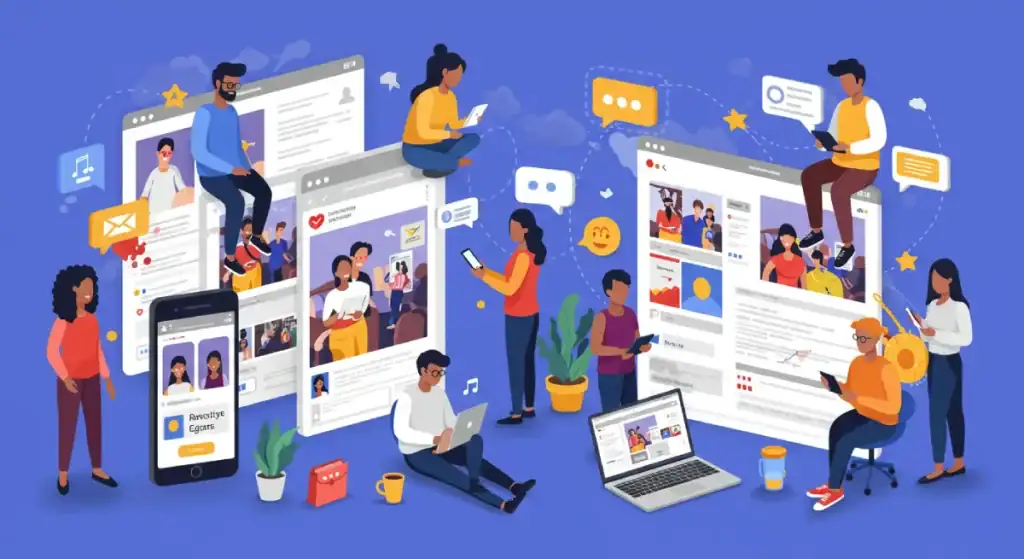
The core mistake businesses make is seeing social media platforms as empty billboards waiting for their advertisement. They’re not. They are dynamic, living environments.
Think about your behaviour.
The mindset you have when scrolling LinkedIn during your lunch break is entirely different from the one you have when you’re flicking through TikTok on the sofa at 9 PM.
- On LinkedIn, you’re in a professional headspace. You’re looking for industry insights, career growth, or business solutions. You’re wearing a metaphorical suit.
- On TikTok, you’re seeking entertainment, a laugh, or a quick, surprising life hack. You’re in your pyjamas and want to be surprised, not sold to.
- On Instagram, you often look for inspiration, aesthetics, or a peek behind the curtain of a brand or person you admire.
Dumping the same formal, corporate announcement in all three places is a catastrophic failure to read the room. It’s like trying to have a serious business negotiation in the middle of a nightclub. It doesn’t work.
Getting this wrong isn’t a neutral outcome. It actively harms your brand. It signals that you don’t understand your customers or the digital spaces they inhabit. You’re the tourist shouting slowly in English, hoping the locals will magically understand. They won’t. They’ll ignore you and serve the person who bothered to learn a few local phrases.
Platform-Specific Considerations: Speaking the Local Language
To get results, you need to become a digital polyglot. You need to learn the local dialect of each platform you choose to be on. And for God’s sake, choose. You don’t need to be everywhere. It’s better to be fluent in two languages than to stutter in six.
LinkedIn: The Digital Boardroom
- The Vibe: Professional, credible, and value-driven. This is where people go to get smarter about their industry and build their professional brand. It’s a place for intellectual capital, not holiday snaps.
- What Works:
- Thought Leadership: Not fluff pieces, but genuine articles sharing lessons learned, industry analysis, or a firm, well-argued opinion.
- Text-Heavy Posts: Unlike other platforms, well-written, longer-form text posts perform brilliantly here. Tell a story. Share a failure.
- Simple Graphics: A clean graphic highlighting a key statistic or quote. Nothing too flashy.
- Company Culture: Showcasing your team and wins, but in a professional context.
- What Gets You Ignored: Hard-sell posts. Vague corporate announcements. Treating it like Facebook by posting memes or overly personal updates. You’re here to add value to someone’s career, not to distract them.
Instagram: The Polished Portfolio & The Raw Reel

- The Vibe: Primarily visual. It’s about aesthetics, inspiration, and building a community. It’s a brand’s digital shop window, and increasingly, its back room via Stories and Reels.
- What Works:
- High-Quality Visuals: Your grid is your portfolio. Photos and graphics must be sharp, on-brand, and visually appealing.
- Authentic Reels: This isn’t TikTok Lite. It’s for showing processes, offering quick tips, or revealing the human side of your business. More polished than TikTok, but more raw than a corporate video.
- Engaging Stories: Polls, Q&As, behind-the-scenes glimpses. Stories are for building relationships with your existing followers.
- Community in the DMs: The real magic happens in direct messages. Respond to every story reply. Start conversations.
- What Gets You Ignored: Ugly, off-brand graphics. Every post screams “link in bio!” Desperate, salesy captions. I once knew a coffee shop that served the most incredible coffee, but their Instagram was full of blurry, poorly lit photos. They failed because they didn’t realise Instagram was their shop front for 90% of potential new customers. They were selling a premium product with amateur visuals. It just doesn’t work.
TikTok: The Chaotic Talent Show
- The Vibe: Entertainment-first. Raw, unfiltered, and driven by sound and trends. The algorithm is a kingmaker, rewarding creativity and authenticity, not budget.
- What Works:
- Not Making Ads: Seriously. Make TikToks, not ads. Participate in the culture of the platform.
- Jumping on Trends (Wisely): See a trending sound or format? Figure out how to apply it to your niche in a genuinely funny or interesting way.
- Lo-Fi is a Feature: Overproduced, slick video often fails. An iPhone video shot in two minutes can go viral.
- Educational Content Disguised as Fun: “Three mistakes you’re making with your finances” set to a trending song.
- What Gets You Ignored: A polished corporate video with a stuffy voiceover. A sales pitch. A law firm doing a dance challenge without a shred of self-awareness. Look at a brand like Ryanair. They sell plane tickets, but on TikTok, they are a comedy channel that roasts its customers. They get it.
X (Twitter): The Global Pub Conversation
- The Vibe: Real-time, fast-paced, and conversational. It blends breaking news, witty commentary, and direct customer interaction. It doesn’t belong here if a thought takes 300 words to explain.
- What Works:
- Wit and Personality: Brands that win on X have a distinct voice. They’re funny, sharp, or incredibly helpful. Look at Wendy’s—they built an empire on sassy replies.
- Joining Conversations: Using the platform to comment on real-time events (newsjacking). This requires you to be on the platform, not just scheduling posts.
- Direct Customer Service: It’s a public forum for solving problems. Fast, helpful replies are a huge brand win.
- What Gets You Ignored: Being a robot. Scheduling bland, generic updates. Using it as a one-way announcement channel. X is a conversation. If you’re not talking with people, you’re just talking at them.
Facebook: The Community Town Hall

- The Vibe: Community-centric. The demographic is generally older than on Instagram or TikTok. People are there to connect with family, friends, and local groups.
- What Works:
- Building Community in Groups: A Facebook Group for your customers or fans is one of today’s most powerful marketing tools. It’s a direct line to your most loyal audience.
- Local Focus: For brick-and-mortar businesses, Facebook is still king. Events, regional updates, and community engagement work wonders.
- Genuine Stories: Posts that show the people and purpose behind the business tend to perform better than sterile product shots.
- Hyper-Targeted Ads: The ad platform is compelling if you know who you’re talking to.
- What Gets You Ignored: Using your business page as a megaphone to yell “BUY NOW constantly!” The algorithm will bury you, and your audience will mute you.
Pinterest: The Visual Discovery Engine
- The Vibe: Aspirational and future-focused. Pinterest isn’t a social network; it’s a visual search engine. Users are there to plan, discover, and save ideas for later—for their wedding, their home renovation, their next purchase.
- What Works:
- High-Quality Vertical Images: “Pins” need to be beautiful, informative, and in a vertical format. Think infographics, tutorials, and stunning product shots.
- Long-Term Value: A pin can drive traffic to your website for months or even years. It’s a long-term content investment, not a short-term engagement play.
- “How-To” and Inspirational Content: Step-by-step guides, recipes, and style inspiration are the platform’s bread and butter.
- What Gets You Ignored: Treat it like Instagram, post square images with short-lived captions, and expect immediate comments and likes. That’s not why people are there.
How to Build a Strategy That Works
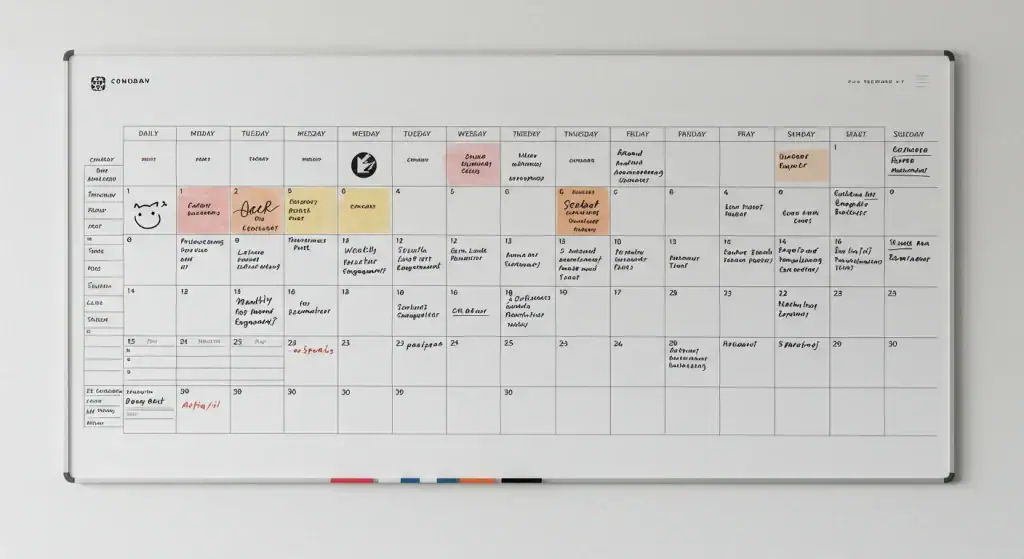
Alright, theory is done. How do you implement this without having a meltdown? It’s a process. It requires thinking, which is where most businesses fall short.
Step 1: The Brutal Audit
Look at your current social media. Be honest. Where are you getting engagement and results (leads, sales, traffic)? Not just likes. If you’ve been posting on four platforms and 95% of your engagement comes from LinkedIn, that’s telling you something.
Step 2: Pick Your Battlefields
Based on your audit and the platform deep dive above, choose one or two platforms to dominate. Where does your target customer hang out? If you sell high-end B2B consulting, you should be living on LinkedIn. If you sell handcrafted jewellery, Instagram and Pinterest are your home turf. Stop trying to be everywhere.
Step 3: Define Your Platform-Specific Angle
For each chosen platform, define your purpose.
- Example: “On Instagram, we will inspire our audience with beautiful project visuals and behind-the-scenes stories. On LinkedIn, we will educate our audience with in-depth case studies and industry insights.” This simple statement forces you to think differently for each channel.
Step 4: Master Content Repurposing, Not Recycling
This is the key. Don’t just copy-paste. Repurpose.
- That in-depth case study you wrote for LinkedIn?
- It becomes a 10-slide carousel for Instagram.
- The key statistic from it becomes a text-based post for X.
- You can talk through the results in a 60-second Reel. It’s the same core idea, but re-packaged natively for the language of each platform. This is what Gary Vaynerchuk preaches with his content pyramid model. It’s about working smart, not just hard.
Step 5: Measure What Matters
Stop obsessing over vanity metrics like follower counts and likes. They are mostly useless. Start tracking what impacts your business:
- Website Clicks
- Leads Generated
- Engagement Rate (Comments and shares, not just likes)
- Sales with a clear attribution path
What gets measured gets managed. If you’re only measuring likes, you’ll create content that gets likes, not content that builds a business.
The Costliest Mistakes Small Businesses Make
You’ll be ahead of 80% of your competition if you avoid these common pitfalls.
- The Copy-Paste Crime: We’ve covered this. Stop it. Now.
- Mismatched Tone: Trying overly formal and corporate on TikTok or too casual and meme-heavy on LinkedIn. Read the room.
- Ignoring Comments: Social media is a two-way street. Ignoring comments and DMs is like a shopkeeper ignoring a customer standing at the counter. It’s just rude, and it’s bad for business.
- Buying Followers: The stupidest thing you can do. It ruins your engagement rate, fools no one, and makes your brand look desperate.
- Inconsistency: Posting ten times one week and then disappearing for a month. You build momentum through consistency. Show up regularly or don’t show up at all.
This Sounds Hard. What Now?
If you’ve read this far and think, “This sounds like a full-time job,” that’s because it is. Doing social media properly—with strategy, nuance, and creativity—is a significant investment of time and resources.
It requires research, planning, content creation, community management, and analysis. It’s not something you can just hand off to an intern with a phone and hope for the best.
This is the work of a dedicated digital marketing service. It’s about understanding the deep currents of brand strategy and applying them to the chaotic, fast-moving world of social media. It’s about turning your social media from a resource drain into a genuine business asset.
If you’re ready to stop wasting time and start building a real presence, then it might be time for a direct conversation. That’s what a quote request is for—to get a clear, honest assessment of what it would take to do it right.
Conclusion
Social media isn’t complicated, but it is hard. It requires you to do the one thing most businesses are allergic to: giving a damn.
It demands empathy for your audience’s context. It requires the creative energy to tailor your message. And it demands the humility to admit that what works in the boardroom won’t work on TikTok.
Stop looking for shortcuts and hacks. There aren’t any. The “secret” is to respect the platform, respect your audience, and show up authentically and consistently. Do that, and you won’t have to shout. People will want to listen.
Frequently Asked Questions (FAQs)
Is posting the same thing on different platforms really bad?
Yes. It signals to users that you can’t understand the platform’s culture. At best, it gets ignored. At worst, it harms your brand’s credibility.
How many platforms should my small business be on?
As few as possible to begin with. Master one or two platforms where your target audience is most active. Being a star on one platform is far more effective than being a ghost on five.
What’s the most vital metric to track on social media?
It’s not likes or followers. Its engagement rate (comments, shares, saves) and, more importantly, off-platform actions like website clicks, leads, and sales are directly attributable to your social media efforts.
How can I create content for different platforms without burning out?
The key is content repurposing. Create one “pillar” piece of content (like a blog post, video, or case study) and then break it down into dozens of more miniature, platform-native “micro-posts” (Reels, carousels, text posts, etc.).
Should my B2B company be on a “fun” platform like TikTok?
Only if you can find an angle that is authentic to you and provides value (which can be entertainment) to an audience. A B2B company teaching complex topics in a simple, funny way can succeed. A B2B company doing a clumsy dance trend will fail.
Is Facebook dead for businesses in 2025?
No, it’s just different. For local businesses, community building (especially in Groups) and reaching an older demographic, it’s still incredibly powerful. Organic reach on pages is low, so a strategy often involves targeted ads or a strong community focus.
How long does it take to see results from a platform-specific strategy?
It depends on the platform and your consistency. Building a community and trust takes time. You might see some quick wins, but expect to invest at least 3-6 months of consistent, high-quality effort before seeing significant, measurable business results.
What’s the most significant difference between Instagram Reels and TikTok?
While visually similar, the culture is different. TikTok often rewards more chaotic, raw, and trend-led content. Instagram Reels can be slightly more polished and are frequently used to showcase a brand’s personality or process to an existing audience that is already warmer.
Can I just hire an intern to manage our social media?
You can, but you’ll get intern-level results. Social media management is a strategic role that blends marketing, branding, copywriting, video production, and customer service. It should be handled by a professional who understands your business goals.
What is “user intent” in social media?
It’s the “why” behind someone’s scrolling. Are they on LinkedIn to find a job or industry news? Are they on Pinterest to plan a purchase? Understanding their goal allows you to create content that meets their needs, making your brand helpful instead of interruptive.
Explore our digital marketing services if you’ve realised your social media needs more than just random posting. For direct, expert input on building a brand that connects, request a quote and let’s have a real conversation.