SEO for Professional Services: Turning Trust Into Search Visibility
Most SEO advice treats professional-services firms like e-commerce brands, chasing keyword volume. It’s the wrong job. For law, accountancy and advisory firms, search visibility is the visible expression of institutional trust. This guide shows how to prove expertise, reduce buyer anxiety, and get found at the moment prospects are vetting you.
 By Stuart Crawford
 Reviewed by Tabitha Ayers
Updated 11 min read
On this page11 min left
A managing partner told me his firm's blog was doing “great” – 40 posts a year, steady traffic, page-one rankings for a dozen terms.
He also couldn't explain, in one sentence, why a prospect should pick his firm over the practice two streets away. Those two facts are the same problem.
Traffic that arrives before trust is built converts nobody, and in professional services, the buyer isn't shopping – they're de-risking a decision with consequences.
That is the gap most SEO advice ignores.
Guidance written for e-commerce assumes that the searcher wants the best product at the best price and will make a quick decision.
A general counsel choosing litigation representation, a founder selecting the accountant who'll handle a sale, an in-house team vetting an advisory firm for a restructuring – none of them behaves that way. They are managing risk, and they buy the firm they trust to be right when it matters.
SEO for professional services is the discipline of making that trust visible in search. Get the sequence wrong, and you rank for words while losing the room.
If you're weighing where your firm actually loses commercial ground, a structured digital marketing agency diagnosis is more useful than another content calendar – but first, the method.
How Professional-Services SEO Actually Works
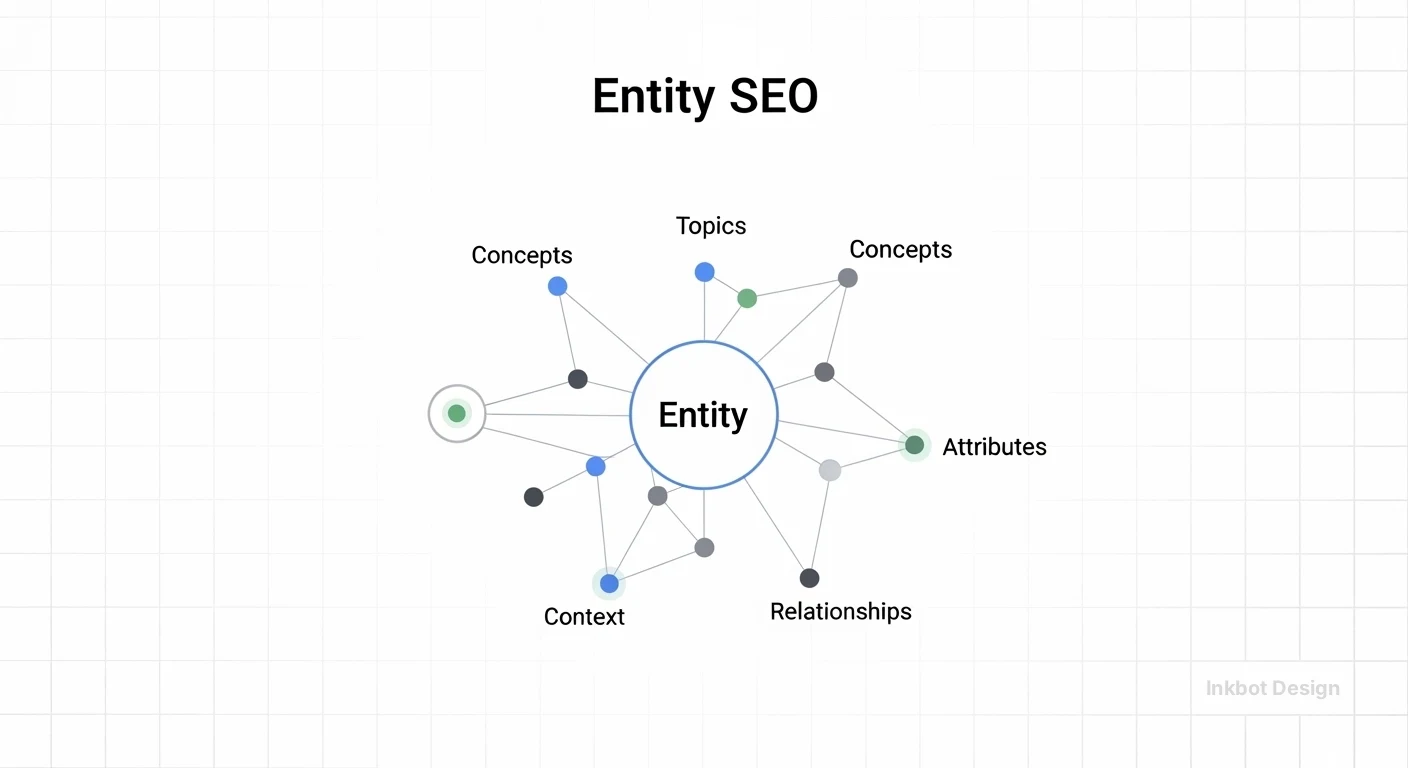
SEO for professional services is achieved in five stages: positioning clarity first, named-expertise architecture, jurisdiction and service-line structure, trust and authority signals, then measurement against enquiries – not rankings. The order is the value. Firms that invert it produce content that ranks and converts poorly, because they optimised for keywords before they resolved why a high-stakes buyer should trust them.
- The buyer is resolving risk, not comparing products, so proof of expertise outranks keyword coverage.
- Positioning must be settled before content production, or every page competes on generic terms.
- AI-driven search now reads off-site trust signals – reviews, PR, named-expert mentions – as heavily as on-page content.
SEO for professional services is the practice of making a firm's expertise, jurisdiction, and named specialists visible in search at the moment high-stakes buyers are vetting providers.
This guide sits within the broader discipline of professional-services digital marketing agency strategy; treat what follows as the search layer of that wider positioning work.
Prerequisites: What Must Be True Before You Write a Word
Most SEO guides skip the honest entry conditions. Three must be in place before content production earns its keep.
First, a resolved position. If three partners describe the firm differently in the same pitch, no page can describe it consistently either. Positioning is not a marketing nicety here – it's the input every downstream page depends on.
Second, named experts, not a faceless brand. AI search systems and human buyers both look for the specific individual accountable for the work. A page attributed to “our team” is invisible, whereas a page attributed to a named partner with credentials is citable.
Third, honest jurisdiction and service-line scope. A firm that claims to do everything everywhere ranks for nothing credible. The prospect wants a specialist who understands their situation.
“Content produced before positioning is resolved is not an asset – it's a liability that ranks. It attracts visitors who bounce because the firm cannot plainly tell them why it is the credible choice. Fix the position first, and every subsequent page inherits its clarity.”
Stage 1: Resolve Positioning Before You Optimise Anything

Positioning comes first because every ranking decision downstream depends on it.
Know it's done right when any partner can state, in one sentence, who the firm is for and what it's trusted with.
The failure mode here is starting keyword research before this sentence exists – you end up optimising for terms that describe the category, not the firm, and you compete with everyone.
The UK professional-services marketing survey (2025) found firms invested an average of 3.1% of turnover in marketing and business development, yet only 18% said marketing drives the firm's strategic process.
That disconnect is the problem in the numbers: spend is happening, but it isn't aligned with strategy. Positioning is the wire.
In 17 years of brand work, the pattern I see most often is firms treating SEO as a task to delegate rather than a consequence of a clear position.
Stage 2: Build Named-Expertise Architecture
Named expertise is the second stage because AI and human buyers both anchor trust to accountable individuals.
It's done right when every service page lists the responsible partner, their credentials, and their track record in that specific area. The failure mode is the anonymous “meet the team” page, disconnected from the work expertise that the search systems cannot attribute to anyone.
2026 legal-marketing analysis is explicit that off-site authority signals – PR, reviews, reputable mentions – are increasingly weighted, because AI and search systems use them to assess trust.
Named experts are how those signals attach to your firm. A quote from a named partner in a trade publication is a trust signal; an unattributed brand mention is noise.

Stage 3: Structure by Jurisdiction and Service Line
Jurisdictional and service-line structure comes third because it's how you prove specialism at the page level.
Done right, a prospect searching for a specific problem in a specific place lands on a page built for exactly that – not a generic services overview.
The failure mode is one bloated “services” page that tries to rank for everything and ranks for nothing.
The global SEO services market is projected at USD 83.98 billion in 2026, rising to USD 148.86 billion by 2031 at a 12.12% CAGR – evidence that competition for search visibility is intensifying, not easing. Structure is how a mid-sized firm competes without outspending.
A precise page on a defined problem in a defined jurisdiction beats a large firm's generic page on the same term.
Stage 4: Earn Trust and Authority Signals
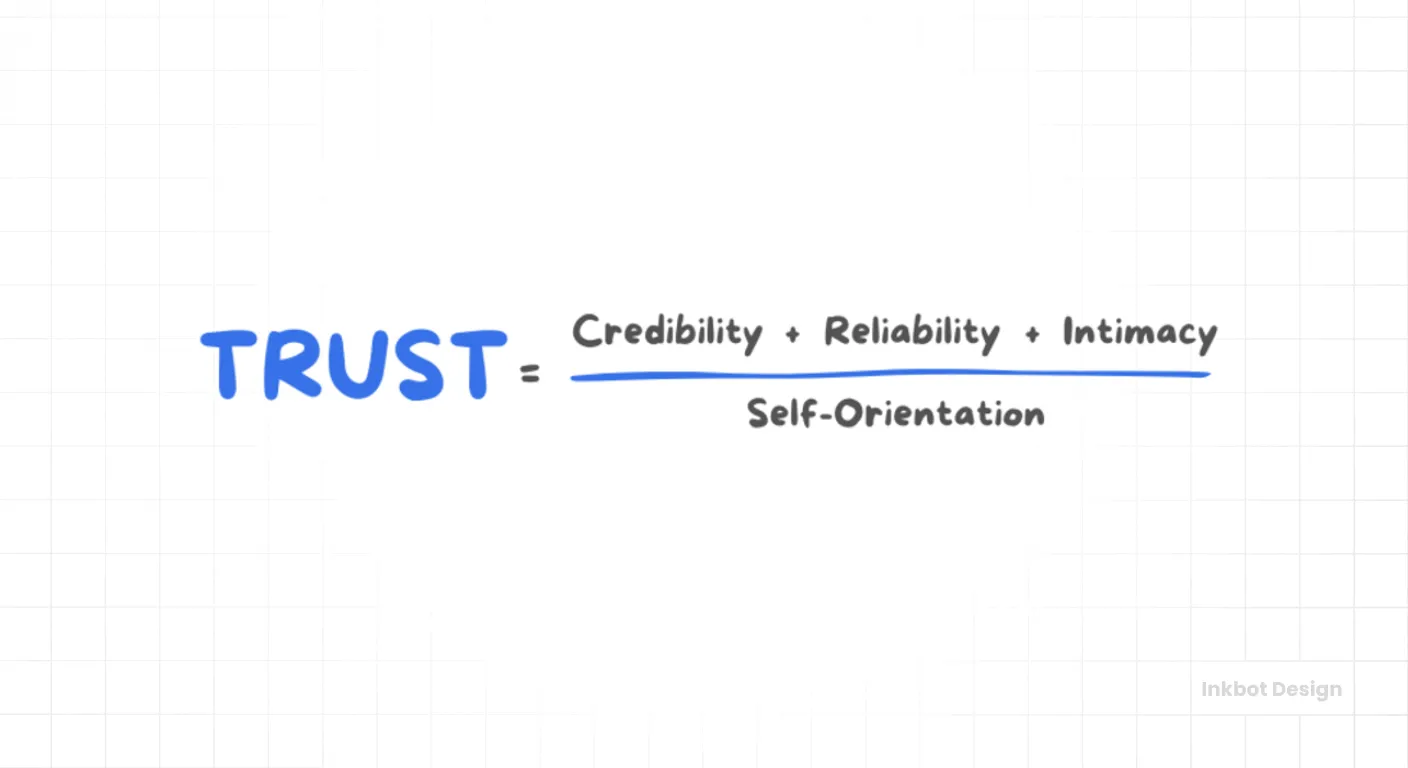
Trust signals are the fourth stage because by 2026, technical SEO is a baseline requirement rather than a differentiator.
Multiple 2026 legal-marketing sources state that AI-driven discovery depends on crawlable, structured, well-linked sites – which means a fast, clean site no longer distinguishes you; it merely qualifies you to compete.
Done right, off-site authority (reviews, PR, named mentions, credible citations) accumulates.
The failure mode is pouring budget into on-page tweaks while ignoring the reputation signals AI systems now read.
Here, the sceptical reader raises a fair objection: “We're a serious firm, not a review-farming restaurant.”
Correct – and the answer isn't gaming reviews. It ensures the genuine markers of your standing (client testimonials, directory recognitions, press commentary from named partners) are visible and structured, because AI systems assessing trust cannot credit what they cannot see.
Stage 5: Measure Against Enquiries, Not Rankings
Measurement comes last because it defines success.
Done right, you track qualified enquiries and pitch invitations attributable to search – not vanity rankings.
The failure mode is the monthly report celebrating position gains while the phone stays quiet. A firm ranking first for a term that no buyer uses to vet a provider has optimised the wrong number.
The second objection this reader raises: “SEO takes months – how do I know it's working before then?” Fair.
The early signal isn't ranking; it's the quality of enquiry. In the first stage, watch whether inbound prospects already understand what you specialise in.
When they do, the positioning is surfacing correctly in search. That's the leading indicator; enquiries follow.
Where This Stands Now: AI Overviews and the 2026 Shift
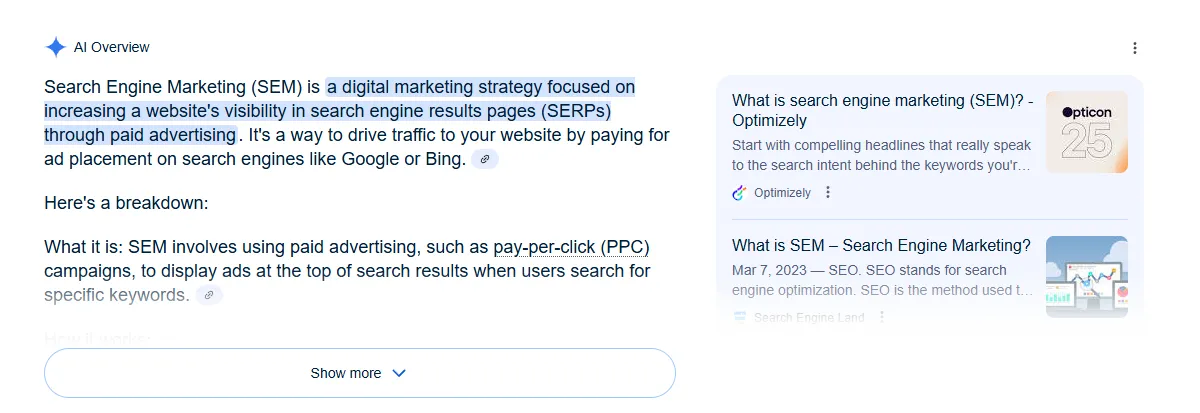
AI Overviews, GEO-style optimisation, local SEO changes, and a stronger emphasis on citation-worthiness shape professional-services SEO in 2026.
The practical consequence: search increasingly surfaces answers assembled from trusted sources, not just links.
To be cited in those answers, your content must be extractable, attributable to a named expert, and corroborated by an off-site authority.
2026 legal-marketing overviews also flag voice search, data privacy, precision analytics, and content accuracy as major trends. The through-line is trust.
Every one of these shifts rewards firms that can prove, in structured and citable form, that a named specialist stands behind the claim. Technical excellence is assumed. Demonstrated expertise is the differentiator.
For a firm mid-rebrand, this is the moment of maximum risk and opportunity: a repositioning that carries named expertise and jurisdictional clarity into its new site architecture compounds, one that changes URLs and messaging without preserving entity signals resets its search equity to zero.
The Distinct Angle: The Step Everyone Does Too Late
Intelligent practitioners recommend starting with content and keywords because they are measurable, teachable, and produce visible output fast. That's why the advice persists – it feels like progress. For most businesses, it's even reasonable.
For professional services, it's the wrong order. The evidence sits in the buyer's behaviour: a prospect vetting a firm for a high-consequence engagement is reducing perceived risk, and risk is reduced by clarity of position and proof of named expertise – not by volume of articles.
Produce content before positioning is resolved, and you generate pages that rank on generic terms and convert poorly, because they cannot answer the only question the buyer is actually asking: Can I trust this firm with this?
The mechanism is buyer psychology. A clearer position reduces the cognitive load of a high-stakes choice; it makes the firm legible, and legibility reads as competence.
That's why the same fee looks expensive from a vague firm and fair from a specialist. Positioning first isn't a philosophy – it's the sequence that makes every subsequent SEO pound work harder.
Before commissioning a single article, resolve the one-sentence position, name your accountable experts, and define your jurisdictional scope. Then optimise. The firms that win search in professional services are the ones that treated SEO as the visible expression of a clear position, not as a substitute for having one.
The Verdict
Search visibility in professional services is not won by the firm that publishes the most.
The firm wins it when a buyer trusts on sight – because its position is clear, its experts are named, and its specialism is legible at the exact moment a high-stakes decision is being made.
Everything in this guide serves that single reframe: SEO here is institutional trust, made findable.
The firms that struggle are the ones treating their practice like an online shop – chasing keyword volume, delegating SEO as a task, measuring rankings while pitches slip away.
The firms that pull ahead resolve positioning first, build named-expertise architecture, structure by jurisdiction, earn genuine authority signals, and measure the quality of enquiry rather than the vanity of position.
The sequence is the strategy.
If you're repositioning ahead of a growth phase or acquisition, the cost of getting this wrong is not abstract – it's a new brand that ranks for the wrong things and a search presence that resets to zero.
The single most important action today: write your firm's position in one sentence and test whether every partner agrees. If they don't, that's the work – and it comes before any SEO.
To find exactly where your brand is losing commercial ground in search and what to do about it, request a free Brand Equity Audit™ – a structured, written diagnostic delivered in 48 hours, no sales call.
Frequently asked questions
What is SEO for professional services?
SEO for professional services is the practice of making a firm's expertise, jurisdiction, and named specialists visible in search when high-stakes buyers are vetting providers. It prioritises proof of trust over keyword volume, because the buyer is reducing risk on a consequential decision rather than comparing products on price.
Why does most professional-services SEO advice fail?
Most advice fails because it treats law, accountancy, and advisory firms like e-commerce brands chasing keyword volume. The real job is proving expertise and reducing buyer anxiety. Content produced before positioning is resolved ranks for generic terms but converts poorly, because it never answers whether the firm can be trusted.
How is SEO for professional services different from e-commerce SEO?
E-commerce SEO assumes a fast, price-driven purchase. Professional-services buyers are de-risking a high-consequence decision and buying the firm they trust. That makes named expertise, jurisdictional relevance, and clarity of position more important than transactional keyword coverage and product-page optimisation.
What should we fix before starting SEO?
Resolve positioning first: every partner should describe the firm identically in one sentence. Then name your accountable experts with credentials, and define your jurisdictional and service-line scope. Optimising before these are settled produces pages that compete on generic terms and convert poorly.
Does content volume help law firm SEO?
No – for high-stakes professional services, a small number of authoritative, named-expert, jurisdiction-specific pages outperforms high-volume generic content. The buyer resolves risk, not article consumption. Volume without positioning attracts traffic that bounces because the firm cannot state, plainly, why it's the credible choice.
How do AI Overviews affect professional-services SEO?
AI Overviews assemble answers from trusted, citable sources rather than only listing links. To be cited, content must be extractable, attributable to a named expert, and corroborated by an off-site authority. In 2026, citation-worthiness and demonstrated expertise matter more than raw keyword targeting.
Is technical SEO still a differentiator?
No – by 2026, technical SEO is a baseline requirement. 2026 legal-marketing sources confirm AI-driven discovery depends on crawlable, structured, well-linked sites, which means clean technical foundations merely qualify a firm to compete. Demonstrated expertise and off-site trust signals are now the differentiators.
When should we do SEO relative to a rebrand?
Before and during – never as an afterthought, a rebrand that carries named expertise and jurisdictional clarity into new site architecture compounds search equity. One that changes URLs and messaging without preserving entity signals resets search visibility to zero. Plan the search layer alongside the positioning work.
How much should a firm invest in marketing?
The 2025 UK professional-services survey found firms invested an average of 3.1% of turnover in marketing and business development. More telling: only 18% said marketing drives strategic process. Spend matters less than whether it's wired to a clear position and strategy.
What's the difference between ranking and being found by buyers?
Ranking is a position for a term; being found means appearing when a specific buyer searches for a specific problem. A firm can rank first for a term that no buyer uses to select a provider. Measure qualified enquiries and pitch invitations, not vanity positions.
How do off-site signals affect trust?
Off-site authority – reviews, PR, reputable mentions from named partners – increasingly influences how AI and search systems assess trust. These signals attach to named individuals, not anonymous brands, which is why named-expertise architecture is a prerequisite for the authority stage to work.
How quickly does professional-services SEO work?
SEO typically takes months to move rankings, but the early signal is enquiry quality, not position. When inbound prospects arrive already understanding your specialism, your positioning surfaces correctly in search. That leading indicator appears before ranking gains and predicts them.