Where to Find the Best Graphic Design Jobs Online
Graphic design jobs are out there, but finding the right one can be tricky.
Whether you’re fresh out of school or a seasoned pro, the hunt for the perfect gig never really ends.
There’s a lot to sift through, from freelance gigs to full-time positions. But don’t worry; we’re here to guide you through the maze.
Let’s explore where to find the best graphic design jobs and make your search more manageable.
- Use specialised platforms like Upwork, Dribbble, The Dots, and AngelList to find curated, high-quality design roles.
- Build a case-study portfolio showing process, results, and Loom or Notion walkthroughs to impress hiring managers and ATS alike.
- Master modern tools such as Figma, motion/3D tools, and AI prompt engineering to stay competitive for top roles.
- Network in private communities — Slack, Discord, and direct Loom outreach unlock hidden, referral-first job opportunities.
Introduction to Graphic Design Jobs

Graphic design is a field that blends creativity with technology to visually communicate ideas.
If you love to create and have an eye for aesthetics, this might be your perfect career path.
Graphic design jobs are not just about making things look pretty; they involve solving problems and conveying messages through visual content.
The demand for graphic designers has skyrocketed. The opportunities are vast and varied, from designing logos and websites to creating marketing materials and product packaging.
Whether you’re interested in working for a big corporation or prefer the flexibility of freelance work, there’s a niche for everyone.
Here are some key roles you might explore:
- Art Director: Leads a team of designers and oversees the visual aspects of projects.
- Multimedia Designer: Focuses on creating engaging content using a mix of graphics, video, and audio.
- Web Designer: Specialises in creating the layout and design of websites.
- UX/UI Designer: This one’s a big deal now. It’s all about making sure websites and apps don’t make people want to throw their computer out the window. You’re working on making things easy and logical to use.
- Motion Graphics Designer: Think animated logos, explainer videos, and cool title sequences. If it’s a graphic and it moves, that’s your domain. You’ll need to get good with software like Adobe After Effects for this.
- Brand Identity Designer: Look, this is about creating the whole vibe of a company. The logo, the colours, the fonts… you’re building the visual foundation so that people recognise the brand instantly. It’s a massive responsibility because you’re shaping how the world sees them.
A strong portfolio is often more important than a degree in this field. It showcases your skills and creativity, giving potential employers or clients a glimpse of what you can do.
You’ll need a strong grasp of design software such as Adobe Photoshop and Illustrator, and a solid understanding of design principles to succeed.
Attention to detail and strong communication skills are also crucial, as you’ll often work closely with clients or other team members to bring ideas to life.
Graphic design is a dynamic and ever-evolving industry. Staying up to date with the latest trends and continuously honing your skills will keep you competitive in this exciting field.
The 2026 Design Job Market: Navigating AI and Automation
The landscape of graphic design has shifted from “asset creation” to “strategic visual communication”.
In 2026, the best jobs aren’t just looking for someone who can move pixels in Adobe Illustrator; they want designers who can orchestrate AI workflows and manage complex design systems.
The integration of generative AI tools like Adobe Firefly and Midjourney into professional workflows has led to the dwindling of entry-level “production” roles.
However, this has opened a massive gap for “AI Design Ops” and “Creative Strategists”. To win a high-paying role today, you must demonstrate how you use these tools to speed up ideation while maintaining the brand’s unique human touch.
Key Shift: Employers now prioritise your Design Process over the final result. They want to see your “thinking” via Loom recordings or documented case studies in Notion, showing how you navigated a brief from concept to delivery.
Exploring Niche Graphic Design Fields
Right, most people just think about logos and websites. But the real game is often played in niches with less competition.
If you specialise, you can become the go-to person and charge a lot more. Here are a few you might not have thought about:
- Environmental Graphic Design: This is about blending graphics with physical spaces, such as museums and offices. Think clever signage, wayfinding, and big wall murals that guide people and bring an environment to life.
- Publication Design: For anyone who loves a well-laid-out magazine or book. You’ll manage typography and grids to make long reads more enjoyable, across both print and digital formats like e-books.
- Data Visualisation: Your job is to turn complicated data into graphics people understand at a glance. Think smart infographics; it’s a mix of analytical thinking and pure design skill.
Top Platforms for Graphic Design Jobs
Finding the right place to land a graphic design job can be tricky, with so many options.
Knowing where to look is half the battle, whether you’re seeking freelance gigs or full-time positions.
Here’s a breakdown of the most effective platforms to kickstart your graphic design career.
Freelance Marketplaces
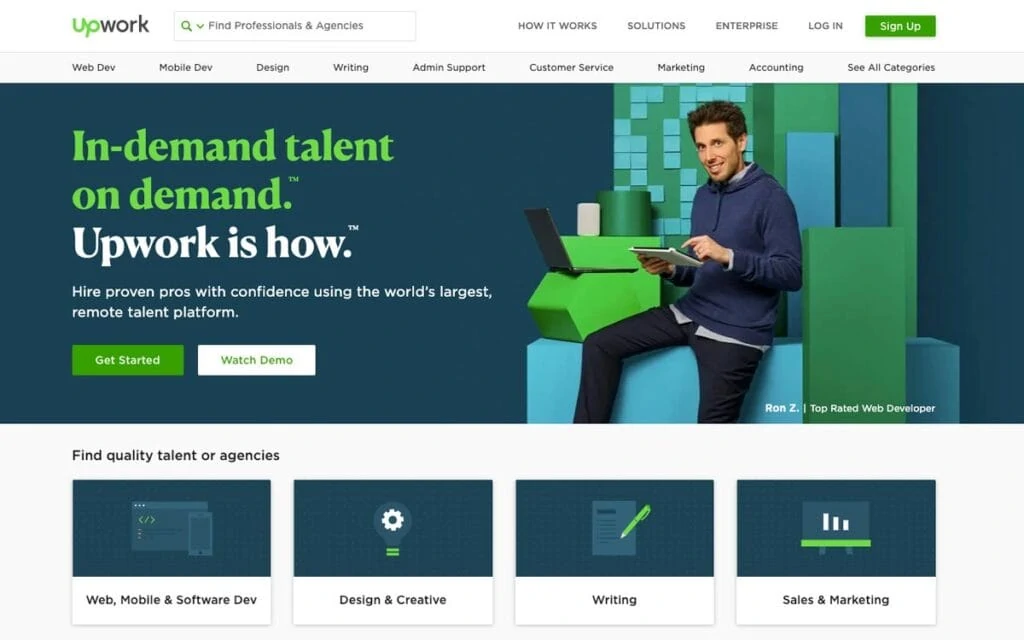
Freelance marketplaces are a goldmine for graphic designers looking to work independently. These platforms allow you to connect with clients worldwide and offer various projects.
- Upwork: A popular choice for many designers, Upwork provides diverse projects. It’s user-friendly and offers a secure payment system.
- Fiverr: Known for its competitive pricing, Fiverr is ideal for those who want to build a portfolio quickly. It’s a great way to earn some cash while showcasing your talent.
- Explore the top seven platforms: Platforms like Near, Dribbble, and Toptal are also excellent for finding freelance work, each catering to different niches and client needs.
Top-Tier UK & Global Design Job Boards
While Indeed and Glassdoor are useful, they are often flooded with low-quality listings. For high-calibre roles in the UK and globally, you need to look where the creative directors hang out.
| Platform | Best For | Location Focus |
| The Dots | Networking and “creatives with a conscience” | UK / London |
| Creativepool | Award-winning agencies and high-end brands | Global / UK |
| If You Could | Curated, high-quality studio roles | UK |
| Ottto | Tech startups and high-growth companies | Global Remote |
| Design Week Jobs | Senior editorial and brand roles | UK |
| Working Not Working | Elite freelance and full-time talent | Global / US-Heavy |
Pro Tip: If you are targeting UK roles, ensure your LinkedIn profile is set to “Open to Work,” but filter specifically for London, Manchester, or Bristol-based agencies, as these hubs currently dominate the UK Design Council’s growth metrics.
Company Websites
Sometimes, the best opportunities are found directly on a company’s website. Many companies prefer to list jobs on their sites before posting on job boards.
- Google Design Jobs: Dream of working at a top tech company? Check Google’s careers page for their latest design job openings.
- AIGA Design Jobs: An excellent resource for professional, pro-bono, and internship opportunities. You can filter jobs by level and type.
- AngelList: Ideal for those interested in working with startups. You can find a variety of roles and even set up a profile to let companies know you’re available.
Mastering the 2026 Technical Stack
To be competitive in the current market, your software skills must extend beyond the “Big Three” of the Adobe Creative Cloud.
While Photoshop, Illustrator, and InDesign remain foundational, they are no longer sufficient for the highest-paying roles.
- Figma is Mandatory: Even for “traditional” graphic designers, Figma has become the industry standard for collaboration and design systems. If you can’t build a responsive component or a prototype, you’re missing out on 60% of modern brand identity jobs.
- Motion and 3D: With the rise of spatial computing, tools like Spline (for 3D web design) and Rive (for interactive motion) are seeing a massive surge in job description mentions.
- The AI Layer: Knowledge of Prompt Engineering and AI-assisted retouching is now a standard requirement. Employers expect you to reduce turnaround times by 30-40% using these technologies.
Networking for Graphic Design Opportunities

Networking is a game-changer in the graphic design world.
It’s not just about knowing people; it’s about building relationships that can lead to job opportunities and collaborations.
Let’s dive into some practical ways to network as a graphic designer.
Professional Associations
Joining professional associations can be a fantastic way to meet other designers and industry professionals.
Organisations like AIGA (American Institute of Graphic Arts) offer events, workshops, and conferences where you can connect with peers.
These gatherings are educational and a great platform to showcase your work and get feedback.
Being part of such associations can open doors to exclusive job listings and collaborations.
Social Media Networks
Social media is not just for selfies and memes; it’s a powerful tool for networking. Platforms like LinkedIn and Instagram can help you connect with industry leaders and potential clients.
On LinkedIn, you can join groups related to graphic design, participate in discussions, and share your insights. Instagram, on the other hand, is excellent for showcasing your portfolio.
Use hashtags wisely to reach a broader audience and engage with other designers.
Building a network takes time and effort, but your connections can be invaluable in your career journey.
Networking isn’t just about finding jobs and building a community.
Whether it’s through professional associations or social media, each connection is a step towards more opportunities in the graphic design field.
The “Invisible” Job Market: Slack, Discord, and Direct Outreach
Nearly 40% of the best graphic design jobs are never posted on public boards. They are filled through “referral-first” cultures in private communities.
- Private Slack Communities: Groups like DesignOps Assembly or the United Designers Slack are goldmines. Many lead designers post “we’re hiring” messages there a week before the job goes live on LinkedIn.
- The Discord Shift: Many Web3, gaming, and tech-focused design roles are recruited almost exclusively through Discord servers like Friends of Figma or niche industry groups.
- Direct Outreach (The “Loom” Strategy): Don’t wait for a vacancy. Identify 10 agencies you love, find their Creative Director on LinkedIn, and send a personalised 60-second Loom video. Briefly audit one of their recent projects and suggest a “value-add” you could provide. This proactive approach has a 5x higher conversion rate than standard applications.
Portfolio Optimisation for Humans and Algorithms

In 2026, your portfolio must pass two gates: the ATS (Applicant Tracking System) and the Creative Director. If your portfolio is just a collection of images, you will fail the first gate.
Gate 1: The Algorithm (GEO/ATS)
Modern recruitment tools “read” your portfolio site to index your skills. Ensure you have actual text (not just images of text) describing your projects. Use keywords such as User Experience, Visual Identity, Typography, and Project Management naturally throughout your case studies.
Gate 2: The Human (The 30-Second Rule)
A Creative Director will give your site 30 seconds.
The “About” Page: People hire people. Mention your specific interests, whether it’s sustainable design or your obsession with Swiss typography.
The Hero Image: Your absolute best work must be visible without scrolling.
Context over Content: Don’t just show a logo. Show the Brand Guidelines you created, the social media rollout, and—most importantly—the results (e.g., “Increased click-through rate by 15%”).
Tips for Applying to Graphic Design Jobs

Applying for graphic design jobs can be both exciting and nerve-wracking. To help you navigate this process, here are some tips to make your application stand out:
- Tailor Your Resume and Portfolio: Ensure your resume highlights the skills and experience most relevant to the job you’re applying for. Your portfolio should showcase your best work and be tailored to the specific style and type of projects the company is known for.
- Craft a Strong Cover Letter: Your cover letter is your chance to make a good first impression. Be sure to personalise each job application, explaining why you’re interested in the position and how your skills align with the company’s needs.
- Get Past the Robot Gatekeepers: Many companies use software (ATS) to scan your CV before a human ever sees it. To beat the robots, use keywords from the job description, stick to a clean single-column layout, and send a PDF unless asked for another format.
- Highlight Your Technical Skills: Familiarity with design software such as Adobe Creative Suite is often required. List any certifications or special skills that set you apart from other candidates.
- Show Your Creativity: Employers are looking for innovative thinkers. Use your application to demonstrate your creative problem-solving skills and unique design perspective.
- Prepare for Interviews: Research the company and be ready to discuss how your experience and skills make you a good fit. Practice answering common interview questions and be prepared to talk about your design process and past projects.
- Follow-up: Send a thank-you email after your interview to express your appreciation for the opportunity. In the meantime, an AI job finder can keep your pipeline moving while you wait to hear back. This can also be a chance to reiterate your interest in the position.
Applying for a graphic design job is not just about showcasing your skills; it’s about demonstrating your passion and fit for the company’s culture. Stay authentic and let your personality shine through your application.
Following these tips will increase your chances of landing a graphic design job that excites and inspires you. Remember, persistence and attention to detail can make all the difference in your job search.
Salary Benchmarks and Financial Reality (UK 2026)
Understanding your value is essential for a successful job hunt. Based on recent industry surveys from the UK Design Council and recruitment firms like Major Players, here is what you should expect:
| Role Level | Salary Range (London) | Salary Range (Regional UK) |
| Junior Designer | £28,000 – £35,000 | £24,000 – £30,000 |
| Mid-Weight Designer | £40,000 – £55,000 | £35,000 – £45,000 |
| Senior / Art Director | £60,000 – £85,000+ | £50,000 – £70,000 |
| Freelance (Day Rate) | £350 – £600 | £250 – £450 |
A Note on IR35: If you are freelancing for large UK companies, be aware of IR35 regulations. Many “inside IR35” roles will require you to pay tax as an employee, which can significantly reduce your take-home pay. Always ask if a role is “Inside” or “Outside” before agreeing to a rate.
Conclusion
Wrapping up, finding the best graphic design jobs is a journey that blends exploration, skill-building, and a bit of strategic networking. Success in this field often hinges on how well you can market yourself and your skills.
- Start by identifying platforms where your skills are in demand. Knowing where to look is half the battle, whether on freelance marketplaces or through traditional job boards.
- Networking is crucial. Engage with professional associations and leverage social media to connect with industry peers and potential employers.
- A strong portfolio is your ticket to impressing potential clients or employers. Make sure it showcases your best work and reflects your unique style.
Remember, persistence is key. The right opportunity might not come immediately, but with dedication, it will come.
Finally, a polished resume is crucial when you’re ready to apply. Consider crafting a graphic design CV that effectively highlights your strengths and experience. This can make all the difference in standing out in a competitive market.
Ultimately, the graphic design landscape is vast and full of opportunities. With the right approach, your next big career move could be soon.
Frequently Asked Questions
How do I find remote graphic design jobs that pay in USD while living in the UK?
The best way is to use platforms like Ottto or AngelList (Wellfound), which specialise in US tech startups. Be prepared to handle your own taxes via a Limited Company and use a service like Wise to minimise currency conversion fees.
Is a design degree still necessary in 2026?
While a degree from an institution like Central Saint Martins carries prestige, 75% of creative directors now prioritise a strong portfolio and proven software proficiency over formal education. However, a degree is still helpful for securing “High Potential Individual” visas if you plan to work abroad.
How can I spot “ghost” job listings?
If a job has been posted for more than 30 days and has “over 100 applicants” on LinkedIn, it might be a ghost listing used for data collection or talent pooling. Focus your energy on jobs posted within the last 48 hours or reach out directly to the company’s internal recruiter.
What is the best niche for high-paying design roles right now?
Fintech, Healthcare (HealthTech), and Green Energy are currently the highest-paying sectors. These industries value “information design” and “trust-building aesthetics,” which command a premium over standard retail or lifestyle branding.
Should I use an AI CV builder?
You can use AI to draft your CV, but you must manually edit it to ensure your unique “voice” comes through. Use tools like Canva or Figma to design the layout, but ensure the exported PDF is text-searchable so it doesn’t get rejected by ATS software.