Affiliate Marketing: Beyond Coupons to Creative Advocacy
Ignoring the strategic side of affiliate marketing costs more than just commissions. It costs reputation.
When your brand is plastered across “Deal” sites next to knock-off vitamins and shady VPNs, you aren’t just losing money; you are eroding your brand awareness and telling the market that your product isn’t worth the full price.
In 2026, the game has shifted. The “Passive Income” dream is dead. What remains is a high-stakes arena of Creative Advocacy.
- Shift from coupon-led tactics to Creative Advocacy that builds brand equity through authentic, expert-led content.
- Move tracking to Server-to-Server APIs and Multi-Touch Attribution to accurately reward the full affiliate value chain.
- Vet and equip high-quality advocates with real access, unique data, and compliant disclosures to resist AI disruption and fraud.
What is Affiliate Marketing?

Affiliate marketing is a performance-based marketing model in which a business rewards one or more affiliates for each visitor or customer generated by the affiliates’ own marketing efforts.
At its most professional, it is an extension of a brand’s sales force, outsourced to third-party creators, publishers, and advocates who maintain their own audience trust.
The three core elements of a modern affiliate system include:
- The Merchant (Brand): The entity creating the product or service.
- The Affiliate (Advocate): The creator or publisher who uses their word-of-mouth marketing skills to recommend the product.
- The Consumer: The individual who completes the transaction, often benefiting from the affiliate’s specific insight or “Creative Advocacy.”
The State of Affiliate Marketing in 2026
The last 18 months have seen the most violent shift in affiliate history.
With the complete deprecation of third-party cookies in Chrome and the rise of AI-driven search, the “old ways” of dropping a link and hoping for a click are finished.
Today, Google’s Search Generative Experience (SGE) answers basic queries directly.
If an affiliate site simply lists “Best Laptops 2026,” the LLM will summarise that list without the user ever clicking an affiliate link. This has forced a survival-of-the-fittest scenario.
To survive, affiliates must provide “Information Gain”—knowledge that an AI cannot synthesise because it requires human testing, physical presence, or unique brand identity insights.
We are also seeing a massive pivot toward Server-to-Server (S2S) Tracking.
Since privacy-focused browsers block traditional tracking pixels, professional programs now use direct API integrations to ensure affiliates get paid.
If you are still using 2010-era tracking scripts, you are likely missing 30% of your conversions.
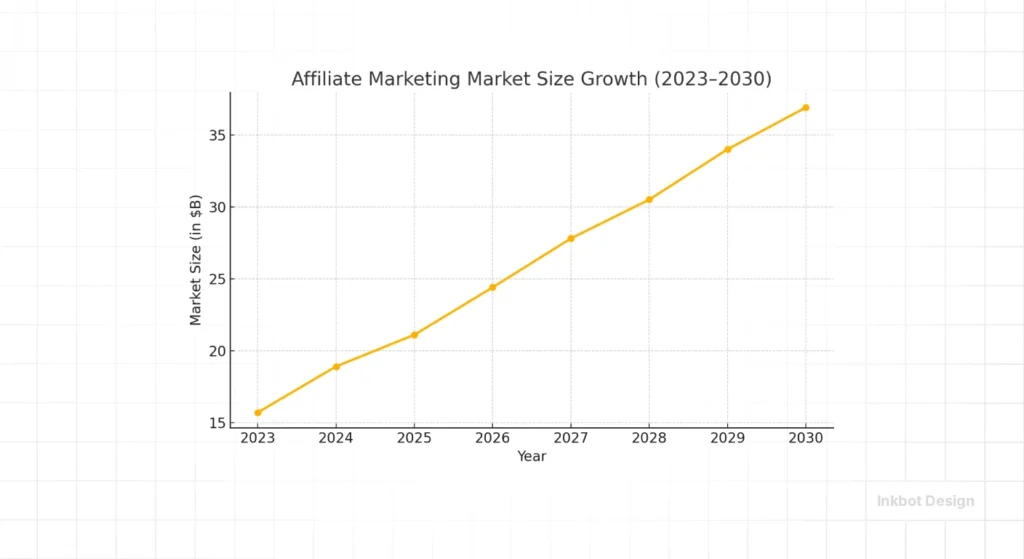
The Anatomy of Creative Advocacy vs. Coupon-Farming
Most SMB owners think they want “more affiliates.” They are wrong. They want better advocates.
A thousand coupon sites will not help you build brand awareness; they will only help you go out of business faster.
| Feature | Amateur (Coupon-First) | Professional (Advocacy-First) |
| Content Type | Generic listicles / Code scrapers | Primary research / Video Case studies |
| Attribution | Last-click (The closer wins) | Multi-touch / Incremental lift |
| Brand Impact | Erodes price integrity | Builds brand equity |
| User Intent | Looking for a discount | Looking for a solution |
| Longevity | Killed by search updates | Resistant to AI disruption |
Solving the Attribution Crisis: Rewarding the Value-Chain
The “Last-Click” model is the primary reason brands suffer from coupon poisoning. It rewards the “closer”—the site that provides a code at checkout—while ignoring the “opener” who actually built the brand awareness.
To solve this, modern UK programs utilise Multi-Touch Attribution (MTA). Instead of 100% of the commission going to the final click, the bounty is split:
- The Introducer (First Click): Receives a percentage for introducing a new customer to the brand.
- The Influencer (Middle Clicks): Receives a share for providing technical comparisons or “How-to” guides that moved the customer closer to a decision.
- The Closer (Last Click): Receives a smaller, “completion” fee.
The “Incremental Lift” Formula. In 2026, we measure success through Incremental Lift. This asks: “Would this sale have happened without the affiliate?”
Incremental Value = Total revenue with affiliates − (baseline organic revenue + cannibalised traffic)
If an affiliate is merely bidding on your brand terms in Google Ads, their incremental value is effectively zero, or even negative once commissions are deducted.
The Technical Shift: From Browser Pixels to Server-Side Integrity
In 2026, relying on a browser-based pixel to track your sales is like trying to catch rain in a sieve.
With the total phase-out of third-party cookies and the aggressive hardening of Intelligent Tracking Prevention (ITP) in Safari, the industry has migrated to Server-to-Server (S2S) tracking.
Server-to-Server (S2S) Tracking works by generating a unique Click ID the moment a user interacts with an advocate’s link.
This ID is stored in your database (not the user’s browser). When a conversion occurs, your server communicates directly with the affiliate platform’s API to confirm the sale.
| Feature | Browser-Based Tracking (Legacy) | S2S / API Tracking (2026 Standard) |
| Privacy Compliance | Poor (Often blocked by browsers) | High (Bypasses browser restrictions) |
| Accuracy | 60–75% (Lost to ad-blockers) | 98–100% |
| Setup Complexity | Low (Copy-paste code) | Moderate (Requires developer/API) |
| Security | Vulnerable to pixel spoofing | Highly secure |
To implement this, most UK brands now use tools like Google Tag Manager (Server-Side) or direct integrations with platforms like Impact.com or Awin.
By moving the logic away from the client-side, you ensure that your high-value advocates are compensated even if the customer uses a hardened privacy browser or clears their cache mid-journey.
Moving Toward Creative Advocacy
Creative Advocacy is the process of partnering with individuals who don’t just “link” to you but “represent” you. These are your brand ambassadors.
They don’t just want a 5% kickback; they want to show their audience how your service solves a specific, painful problem.
The Psychology of Trust and E-E-A-T
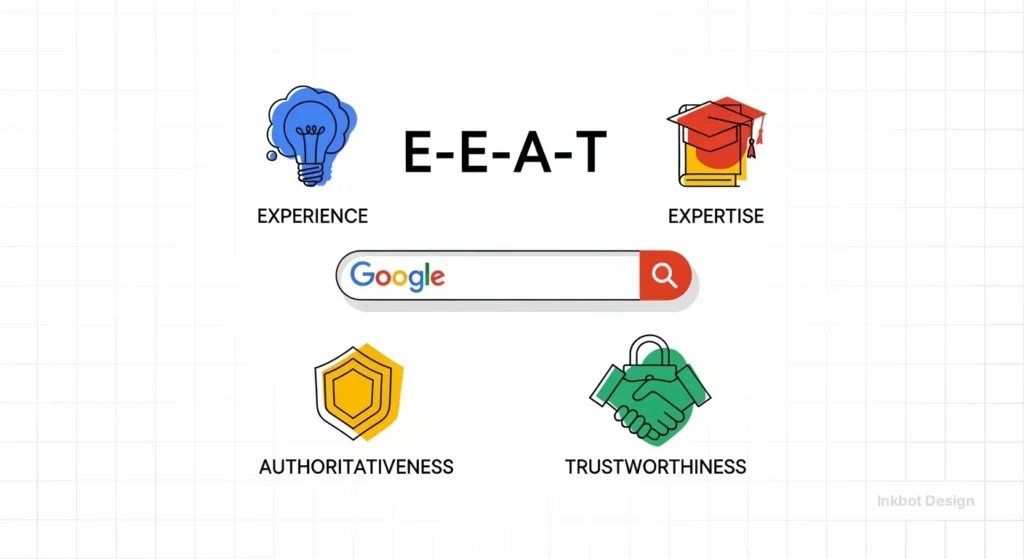
Google’s focus on Experience, Expertise, Authoritativeness, and Trustworthiness (E-E-A-T) has made the “anonymous” affiliate site a relic of the past.
Users now demand to know who is making the recommendation.
According to Nielsen’s Trust in Advertising report, 88% of consumers trust recommendations from people they know, but more importantly, a significant percentage now trust “expert editorial content” more than traditional ads.
When an advocate uses their own name and reputation to back your brand, they are engaging in a brand alliance that carries weight.
Navigating the UK Regulatory Landscape
In the UK, the Advertising Standards Authority (ASA) and the Competition and Markets Authority (CMA) have become significantly more stringent.
By 2026, “hidden” affiliate links are not just a breach of trust—they are a legal liability.
The CAP Code (Committee of Advertising Practice) requires that any affiliate content is “obviously identifiable” as an ad.
This means your advocates must include a clear, upfront disclosure—usually #Ad or “Commission Paid”—before the user engages with the link.
Key Compliance Requirements for 2026:
- Prominence: The disclosure cannot be buried in a “See More” section or hidden in a tiny font. It must be at the top of the content.
- Platform Specifics: On TikTok or Instagram, the “Paid Partnership” label is required, but the ASA often insists on a verbal or text overlay disclosure as well.
- The CMA Focus: The CMA specifically targets “fake reviews.” If an advocate claims to have used a product they haven’t touched, both the advocate and the brand are liable for “unfair commercial practices.”
Building the 2026 Partner Toolkit
To move away from thin, automated content, you must provide your advocates with a Partner Toolkit that facilitates Information Gain.
This is the unique data or experience that AI cannot replicate.
- The Asset Vault: Move beyond low-res logos. Provide 4K lifestyle photography, raw B-roll for video creators, and “unboxing” templates.
- The Knowledge Graph: Give them a “Cheat Sheet” of your brand’s core entities. For example, if you are a SaaS brand, list your integrations with Slack, Salesforce, and Microsoft Teams. This helps them build the semantic depth that 2026 search engines crave.
- Exclusive Data Points: Share internal (anonymised) statistics. “Our users save an average of 12 hours a week” is a powerful, unique hook that an affiliate can use to differentiate their review from a generic AI summary.
- The Sandbox Environment: For software or high-end services, provide a “Sandbox” login. An advocate cannot give a “Deep Dive” if they have only seen your marketing site. They need to get under the bonnet.
How to Vet Your Advocates for Authority
In a world of AI-generated “review” sites, your brand’s reputation depends on the quality of your partners. Use this 4-Point Authority Audit before approving any new advocate:
- Real-World Experience: Does the creator have a physical presence or a verifiable history in the niche? (e.g., a sustainable fashion advocate who actually visits factories).
- Audience Sentiment: Use tools like Brandwatch to scan the comments on their previous work. Is the audience asking technical questions, or is it a “bot-farm” of generic praise?
- Platform Diversity: A high-quality advocate rarely exists on only one platform. Look for a “Hub and Spoke” model: a technical blog (the hub) supported by LinkedIn, YouTube, or a Substack newsletter (the spokes).
- Disclosure History: Do they consistently follow ASA guidelines? A creator who hides their disclosures is a regulatory time-bomb for your brand.
A £40,000 Mistake
In our fieldwork, we often see companies scale their affiliate programs too quickly without auditing the traffic sources.
I once audited a B2B SaaS client who was thrilled that their affiliate revenue had doubled in three months. On the surface, the branding ROI looked fantastic.
But when we looked under the bonnet, we found that 80% of those “new” customers were actually existing leads from their own email list.
A group of affiliates bid on the company’s own brand name in Google Ads (a practice known as “Brand Bidding”). The affiliates were essentially intercepting the company’s own traffic and charging them a 15% commission for the privilege.
We shut down those affiliates and redirected that budget into boosting your brand recognition through legitimate content creators. The result? Revenue stayed the same, but the profit margin jumped by £40,000 a month.
Technical Optimisation for 2026
If you want to rank and convert in the current climate, your technical foundation must be flawless.

1. Zero-Party Data and The Death of the Cookie
With the shift toward privacy, you should encourage affiliates to use “Lead Magnets.” Instead of just sending a click to your homepage, have them send traffic to a co-branded landing page where users can exchange an email address for a guide.
This allows you to measure brand awareness more accurately and builds a long-term asset (the email list) that isn’t dependent on a 30-day cookie window.
2. Deep Linking vs. Generic Linking
Never send affiliate traffic to your homepage. It is a conversion killer. Your advocates should use “Deep Links” that go directly to the product or service page they are discussing.
If an advocate is talking about co-branding, the link should point to a co-branding page, not a generic “Services” page.
3. Mobile-First Advocacy
Data from Statista shows that over 60% of affiliate conversions now happen on mobile devices. Yet, many affiliate dashboards and landing pages are still designed for desktop.
If your affiliate’s mobile experience is clunky, you are throwing money away. Ensure your request-a-quote forms are thumb-friendly and load in under 2 seconds.
Strategies for Creative Advocacy
The “Niche Authority” Model
Instead of chasing the most prominent influencers, find the “Micro-Authorities.”
These are people with 5,000 to 10,000 followers who have an incredibly high engagement rate in a specific sector (e.g., UK-based sustainable packaging).
These advocates provide better word-of-mouth marketing because their audience actually listens to their technical advice.
Product Gifting vs. Commission
In 2026, the best advocates are often those who use the product first. Stop offering cold commissions.
Start by offering the service for free to people who already fit your target persona. If they love it, the advocacy will be “Creative” and “Authentic” rather than “Salesy.”
Semantic Content Clusters
Help your affiliates rank by giving them a “Keyword Map.” If they are writing about your brand, suggest they also cover related entities.
This helps them build topical authority, which, in turn, improves your brand’s search visibility. It’s a form of brand alliances that works at the code level.
The Multi-Sector Approach: B2B vs. B2C
The mechanics of advocacy shift dramatically depending on your target persona.
1. B2B SaaS Advocacy: The focus here is on Efficiency and Integration. Your advocates should be consultants, agency owners, or “Fractional COOs.” They don’t just “link” to you; they build workflows around your product. A conversion here might be a “Request a Demo” rather than a direct sale, which would require a longer cookie window (often 60–90 days).
2. High-End E-commerce: For premium UK lifestyle brands, the focus is on Aesthetics and Values. Your advocates are “Tastemakers.” The goal is Brand Salience—being the first brand that comes to mind when consumers think of “sustainable luxury.” Here, “Product Gifting” is more effective than high commissions.
Protecting Your Margin from AI-Driven Fraud
As AI improves, so does the sophistication of affiliate fraud. In 2026, we see three primary threats:
- AI Review Farms: Networks of thousands of sites generating fake “human” reviews to capture “Information Gain” signals.
- Cookie Stuffing 2.0: Using invisible iFrames to drop tracking IDs on users who haven’t even seen the affiliate’s content.
- Bot-Based Lead Gen: Using LLMs to fill out “Request a Quote” forms with realistic-looking but fake data.
To combat this, integrate your affiliate platform with fraud-detection tools like Anura or Fraudlogix. These systems analyse the “biometrics” of the click—checking for non-human mouse movements or impossibly fast form completion—to ensure you only pay for genuine human advocacy.
The Verdict
Affiliate marketing is no longer a “set and forget” channel. If you treat it like a cheap sales tactic, you will attract cheap affiliates who will eventually destroy your brand equity.
The winner in 2026 is the brand that treats its affiliates like partners. Stop the coupon-farming. End the last-click obsession. Start investing in Creative Advocacy that rewards those who actually build your brand. It is the only way to ensure your marketing survives the shift toward AI and privacy-first browsing.
Ready to stop wasting money on “parasite” affiliates? Request a quote today to see how we can audit your brand strategy and build a system that actually works.
Frequently Asked Questions (FAQ)
What is the difference between affiliate marketing and influencer marketing?
Affiliate marketing is performance-based, meaning you only pay when a specific action (like a sale) occurs. Influencer marketing often involves an upfront fee for “exposure” or “reach.” However, in 2026, these two are merging into “Creative Advocacy,” where influencers are paid based on the long-term value they create.
Why is coupon-farming bad for my brand?
Coupon-farming attracts “bottom-funnel” shoppers who are only interested in the lowest price. This erodes your brand awareness and makes it challenging to maintain premium pricing. It also often “steals” commissions from legitimate advocates who actually convinced the customer to buy.
How do I track affiliates without third-party cookies?
You should move to Server-to-Server (S2S) tracking. This uses a unique transaction ID that your server passes to the affiliate’s server, bypassing the browser’s privacy settings. It is more accurate and future-proof than traditional pixel tracking.
What is “Information Gain” in affiliate content?
Information Gain is a Google ranking factor that rewards content for providing new, unique information that isn’t found in other articles. For affiliates, this means giving original photos, personal test results, or unique datasets rather than simply rewriting the manufacturer’s product description.
How much should I pay my affiliates?
There is no “one size fits all.” Commissions range from 1% (high-volume retail) to 50% (digital products). The key is to ensure the commission is high enough to incentivise “Creative Advocacy” but low enough to protect your branding ROI.
What is “Brand Bidding” in affiliate marketing?
Brand bidding is when an affiliate bids on your company’s name in search engines (e.g., “Inkbot Design Coupons”). This is usually a predatory tactic that steals your organic or direct traffic. Most professional programs strictly forbid this in their terms of service.
How do I find high-quality advocates for my SMB?
Look for people who are already talking about your industry. Use tools to find “Micro-Authorities” on LinkedIn or niche blogs. Reach out with a personal message, not a generic template, and offer them a trial of your service.
Is affiliate marketing still profitable in 2026?
Yes, but only if you move away from “thin” content. The “Passive Income” era of low-effort sites is over. The profit now lies in high-authority, expert-led advocacy that delivers genuine value to consumers.
How does affiliate marketing affect SEO?
While affiliate links themselves are usually “nofollow” or “sponsored” (and thus don’t pass link equity), a successful program drives word-of-mouth marketing and brand searches. This increased brand interest is a powerful indirect signal to search engines.
Can I use AI to help my affiliates write content?
You can provide AI-ready “Context Packs,” but discourage them from publishing raw AI output. Search engines in 2026 prioritise “Information Gain”—the stuff AI doesn’t know. If an affiliate’s review is just a rehash of your sales page, it won’t rank, and it won’t convert.
What is the average commission for a UK Creative Advocate?
While it varies, high-authority content creators usually command 15–25%, whereas coupon sites typically get 1–3%. The higher rate reflects the “Brand Equity” they build, which has a longer-lasting ROI than a one-time discount.
How does the “Digital Markets, Competition and Consumers Act” affect me?
This UK act gives the CMA more power to fine brands directly (up to 10% of global turnover) for hosting fake reviews. You must have a robust vetting process to prove you are not incentivising dishonest testimonials.
Should I use an “Exclusivity” clause in my contracts?
Generally, no. In the “Advocacy” model, your partner’s value comes from their independence. If they only talk about you, they lose their E-E-A-T. They should be free to compare you to competitors—provided your product is actually better.
How do I handle global payouts for advocates in 2026?
Use platforms that offer Stripe Connect or Wise integrations. Advocates in 2026 expect instant, low-fee payouts in their local currency, especially for micro-transactions or “per-lead” models.

