How to Find Lucrative Freelance Graphic Design Jobs
Are you looking to break into the world of freelance graphic design?
You’ve come to the right place! This comprehensive guide will share my top tips and strategies for finding high-paying freelance graphic design jobs.
As the founder of Inkbot Design, I’ve navigated the ups and downs of the freelance life, and I’m here to help you avoid the common pitfalls and fast-track your success.
Let’s dive in!
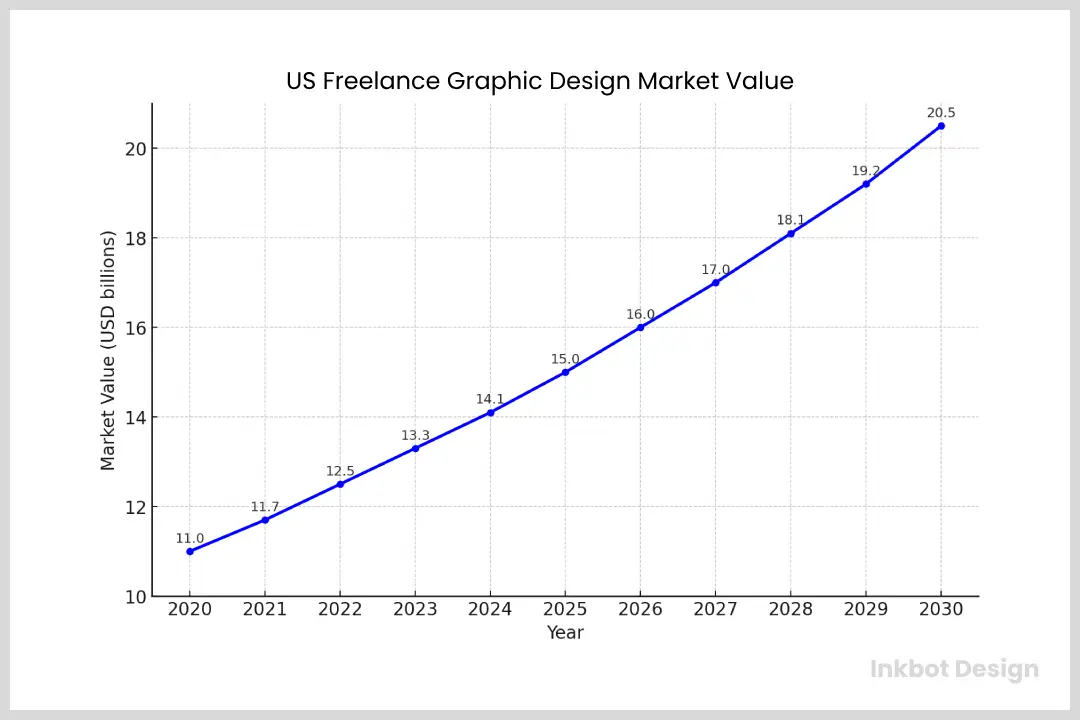
- The freelance graphic design industry is rapidly growing, with significant opportunities expected by 2030.
- Identifying a niche enhances visibility and client interest, promoting expertise in specific design areas.
- A strong portfolio showcasing curated work and personal style is crucial for attracting potential clients.
- Networking within local communities and leveraging relationships leads to valuable opportunities and referrals.
Understand the Freelance Graphic Design Landscape
First things first, let’s get a lay of the land.
The freelance graphic design industry is booming, with more and more businesses outsourcing their design needs to talented creatives like you.
According to a recent study, the global freelance graphic design market is expected to reach $78 billion by 2030, growing at a CAGR of 13.6% from 2022.
I remember when I first started as a freelance designer. It was exhilarating but also a bit daunting.
The freedom to choose my clients and projects was liberating, but I quickly realised that I needed to be savvy about finding work and managing my business.
One of my biggest challenges was discovering the right platforms and strategies to connect with potential clients. It took some trial and error, but eventually I landed on a winning formula that let me build a steady stream of high-quality gigs.
Identify Your Niche
Before starting your freelance graphic design journey, it’s essential to identify your niche. What kind of design work do you excel at?
Are you a whiz at branding and logo design? Maybe you’re a master of UI/UX or print design. Whatever your speciality, hone in on it and position yourself as an expert.
I started as a generalist, taking on any design projects that came my way.
But I quickly realised I was spreading myself too thin and not showcasing my talents. Once I focused on branding and identity design, my career took off.
Clients love to work with designers who have a clear, defined niche. It demonstrates your expertise and helps you stand out in a crowded market.
So reflect on your strengths and passions, and let that guide your freelance journey.
Build a Killer Portfolio
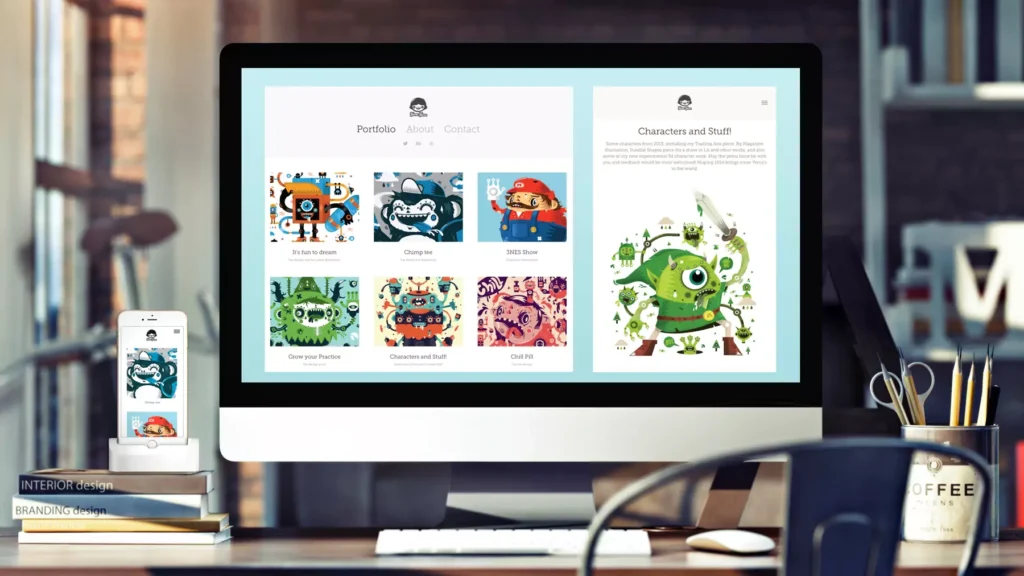
Your portfolio is your calling card as a freelance graphic designer. It’s where you showcase your best work and capture the attention of potential clients.
When I was first starting, I spent countless hours meticulously curating my portfolio. I included projects ranging from sleek brand identities to eye-catching social media graphics.
And I didn’t just throw together a random assortment of designs – I crafted a cohesive narrative that highlights my design process and problem-solving abilities.
Remember, your portfolio isn’t just a showcase of your technical skills; it reflects your style and creative vision. So, don’t be afraid to let your personality shine through. Use bold typography, striking imagery, and innovative layouts to make your work pop.
And remember to optimise your portfolio for the digital age. Make sure it’s mobile-responsive, easy to navigate, and showcases your work in the best possible light. Tools like Behance, Dribbble, and your website are great options for hosting your portfolio.
Leverage Your Network
One of the most powerful ways to find freelance graphic design jobs is through your existing network. Think about it – your friends, family, and former colleagues are all potential sources of leads and referrals.
When I started Inkbot Design, I reached out to my personal and professional connections and let them know I was available for freelance work. I was amazed by how many people referred me to their clients or connected me with potential opportunities.
Feel free to get creative with your networking. Attend industry events, join online communities, and connect with other designers on LinkedIn. The more people who know about your services, the more potential clients you’ll have in your pipeline.
And remember to nurture those relationships over time. Check in with your contacts, offer to collaborate on projects, and provide value wherever you can. The more you invest in your network, the more it will pay off in the long run.
Tapping into the “Shadow” Job Market
Not all lucrative jobs are posted on LinkedIn or Dribbble. In fact, the highest-paying gigs often happen through direct outreach before a job description is even written.
The Targeted Outreach Strategy: Don’t “spray and pray”. Use Crunchbase to find companies that have recently received “Series A” or “Series B” funding. These companies have capital and an immediate need to “look the part” for their new investors.
- Identify the Decision Maker: Usually the Head of Marketing or Creative Director.
- The “Loom” Pitch: Instead of a flat email, send a 60-second Loom video. Audit one piece of their current design (e.g., their landing page or a social ad) and show—visually—how you would improve it.
- The Follow-Up: Use a lightweight CRM like HubSpot or Streak to track when they open your email.
Scenario: A designer noticed a fintech startup’s app icons looked dated. He sent a Loom showing three redesigned icons. That 5-minute video led to a £15,000 UI refresh project.
Diversify Your Income Streams
A freelance graphic designer must have a diverse portfolio of income streams. Relying on a single client or project can be risky, especially in today’s volatile economic climate.
That’s why I always encourage the designers I work with to explore multiple revenue sources. In addition to taking on traditional freelance gigs, consider offering add-on services like:
- Logo and branding package design
- Social media content creation
- Website design and development
- Illustration and icon design
- Print design for marketing materials
You could also explore passive income opportunities, such as selling digital downloads on platforms like Etsy or Creative Market. Or, if you’re feeling entrepreneurial, you could even start your own design-focused e-commerce business.
The key is continually expanding your skill set and exploring new ways to monetise your talents. The more diverse your income streams, the more financially resilient your freelance business will be.
Moving Beyond High-Volume Marketplaces: The Premium Shift
While platforms like Upwork and Fiverr remain staples for volume, 2026 has seen a massive shift towards “curated” marketplaces. If you are looking for lucrative, high-stakes projects, you must position yourself where the serious capital lives.
Contra has emerged as a powerhouse for independent designers. Unlike older models, it is commission-free for freelancers, focusing instead on a “Professional Profile” that acts as a combined portfolio and payment processor. For those in the UK, it integrates seamlessly with local banking, making it a viable alternative to traditional invoicing.
For elite-level creatives, Working Not Working remains the gold standard. This is an invite-only or highly vetted platform used by brands like Apple, Google, and Nike. To succeed here, your work must demonstrate not just technical skill, but a unique “creative voice”.
The “Productised” Service Model
Many designers are now moving away from custom quotes for every project. By using tools like Designjoy as a blueprint, you can offer a subscription-based model.
- How to implement: Create a “Design Subscription” package on your site. Use Stripe for recurring billing and Trello or Asana for managing the request queue.
- The Benefit: Predictable monthly recurring revenue (MRR) rather than the “feast or famine” cycle of traditional freelancing.
| Platform | Best For | Fee Structure | Vetting Level |
| Contra | Modern Independents | 0% Commission | Low/Medium |
| Working Not Working | High-End Advertising | Membership Fee | Very High |
| YunoJuno | UK-Based Creative Pros | Client-paid fees | High (UK focus) |
| Layers | UI/UX Specialists | Free/Premium tiers | Medium |
Tap into Your Local Community
While online marketplaces can be a powerful tool, consider the value of tapping into your local community. Small businesses, startups, and regional organisations often prefer to work with designers who are physically close to them.
When I was starting, I made a point of networking with local business owners and attending community events. I’d introduce myself, share my portfolio, and offer to help with any design needs they might have.
This strategy paid off in spades. I landed several high-profile clients through these local connections and built long-lasting relationships that continued to pay dividends.
By working with local clients, you can often charge higher rates and enjoy more personalised, hands-on collaboration. And don’t forget the benefits of meeting face-to-face, attending in-person meetings, and immersing yourself in the community.
So feel free to get out there and introduce yourself to your local design scene. Attend meetups, join professional associations, and volunteer your services to local nonprofits. You always need to find out where those connections might lead.
Offer Value-Added Services
More than being a talented graphic designer is required in today’s competitive freelance landscape. You must also offer value-added services that set you apart from the competition.
For example, at Inkbot Design, we don’t just create beautiful designs – we also provide strategic branding and marketing consultation. We help clients define their brand identity, develop cohesive visual assets, and create high-impact marketing materials.
Going beyond the traditional design scope, we can position ourselves as trusted advisors and command higher rates. Clients are willing to pay a premium for designers offering a more comprehensive, strategic approach.
So, consider expanding your offerings and providing additional value to your clients. You could offer website development, photography services, or social media management—services that can easily become side hustles for developers. The key is identifying your client’s pain points and positioning yourself as the solution.
Leverage Your Testimonials and Reviews
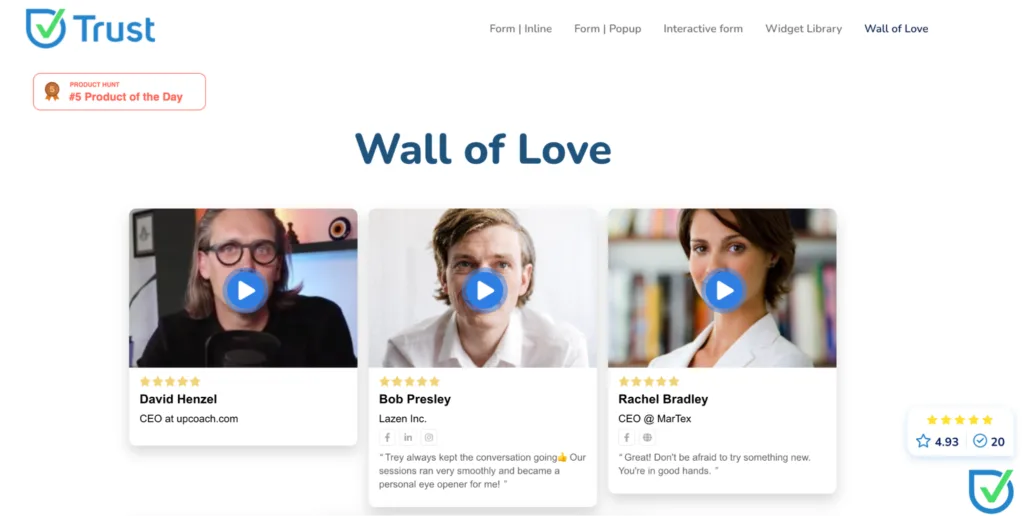
In freelance graphic design, testimonials and reviews can be pure gold. Positive feedback from past clients builds trust and credibility and can also help you attract new work.
After completing a project, I always ask my clients for feedback and testimonials. Most people are happy to share their positive experiences, and I feature those glowing reviews prominently on my website and marketing materials.
Feel free to get creative with how you showcase your testimonials, too. Use eye-catching graphics, pull quotes, or even short video testimonials to make them shine. And if you have any particularly impressive client logos or brand names in your portfolio, highlight them as well.
Remember, potential clients seek proof that you can deliver high-quality work and exceptional service. By leveraging your positive reviews and testimonials, you’ll stand out from the competition and land more lucrative gigs.
Continually Upskill and Innovate
In the fast-paced world of graphic design, it’s crucial to continually upskill and stay ahead of the curve. The design tools, trends, and best practices are constantly evolving, and if you want to remain competitive, you need to adapt and innovate.
I dedicate time each week to learning new skills and experimenting with design techniques. I attend industry events, take online courses, and read design blogs and publications to stay informed about the latest developments in the field.
And I encourage the designers I work with to do the same. We’re constantly pushing the boundaries of what’s possible, trying new software, and exploring emerging design styles and approaches.
By continually investing in your professional development, you’ll not only be able to provide higher-quality work to your clients, but you’ll also be able to command higher rates and position yourself as a true thought leader in the industry.
Mastering the AI-Augmented Design Workflow
In 2026, clients no longer pay for “the struggle”; they pay for the result and the strategy. To remain lucrative, you must integrate Generative AI into your workflow to speed up non-billable tasks.
Conceptualisation with Midjourney and Adobe Firefly.
The discovery phase is where many designers lose money. Instead of spending ten hours on manual mood boards, use Midjourney to generate rapid “vibe” checks for clients. Once a direction is approved, move into Adobe Firefly within Photoshop to extend imagery or generate high-fidelity, commercially safe assets.
Vector Innovation with Illustrator AI
Adobe Illustrator now features advanced “Text to Vector” capabilities. Use this to create complex patterns or iconography bases that you can then manually refine. This doesn’t replace your skill—it removes the “grunt work,” allowing you to take on three times the volume without increasing your hours.
When should you disclose AI use?
Transparency is a currency in 2026. Always include an “AI Usage Clause” in your contracts. Specify that while AI is used for brainstorming or asset generation, the final delivery is a unique, human-refined piece of Intellectual Property.
Prioritise Your Mental Health and Work-Life Balance
Finally, it’s important to remember that freelancing can be both exhilarating and exhausting. As a graphic designer, you’re not just responsible for creating unique designs – you’re also responsible for managing your own business, marketing, and client relationships.
That’s why it’s so important to prioritise your mental health and work-life balance. Far too many talented designers burn out and give up on their freelance dreams because they simply can’t keep up with the demands.
Set clear boundaries, take regular breaks, and invest in self-care activities that help you recharge. And don’t be afraid to say no to clients or projects that don’t align with your values or that will stretch you too thin.
Remember, your well-being is just as important as your design skills. By taking care of yourself, you’ll be able to produce your best work, maintain a positive mindset, and build a sustainable freelance business.
Pricing for Profit: Value vs. Volume
The biggest mistake freelance designers make is charging by the hour. When you get faster, you get paid less. This is the “Efficiency Paradox”. In 2026, the most successful designers use Value-Based Pricing.
The Framework: Instead of asking “How long will this take?”, ask “What is the value of this brand identity to the client over the next five years?” A logo for a local coffee shop might be worth £500, but a visual identity for a venture-backed startup raising £2m is worth £10,000+. Both might take you twenty hours to design.
UK Legalities: IR35 and Sole Trader Status. If you are operating in the UK, you must navigate IR35 (Off-payroll working rules). If you work for a large client in a way that looks like “disguised employment”, you could be liable for significant back taxes.
- Tip: Always use a bespoke “Contract for Services” (not an “Employment Contract”). Ensure you have the “Right of Substitution”—the ability to hire someone else to do the work.
- Tools: Use HMRC’s CEST tool to check your status. For bookkeeping, FreeAgent or Xero are the industry standards for UK designers, offering direct links to HMRC for Self-Assessment.
FAQs
How do I price my freelance graphic design services in 2026?
Move away from hourly rates (e.g., £50 – £150) and adopt value-based or project-based pricing. For a standard branding package, UK freelancers typically charge between £2,500 and £7,000, depending on the client’s size and the usage rights (licensing) involved.
Is a degree necessary for high-paying design jobs?
No. In 2026, your Behance portfolio and your “proof of work” (case studies) outweigh a degree. Clients care about your ability to solve business problems using tools like Figma and Framer.
How do I handle IR35 as a UK freelance designer?
Ensure you are “outside IR35” by maintaining control over how, where, and when you work. Use your own equipment (e.g., a MacBook Pro with Adobe Creative Cloud) and ensure your contracts don’t stipulate “mutuality of obligation”.
What is the best way to get clients without using Upwork?
Focus on “Inbound Authority”. Regularly post your process (not just the final result) on LinkedIn and Twitter (X). Use SEO-optimised case studies on your own website to attract organic leads searching for specific niche experts.
How has AI changed the freelance design market?
It has bifurcated the market. Low-end “production” work is being automated by Canva Magic Studio and Adobe Firefly. However, the demand for “Design Strategists” who can guide AI and maintain brand consistency has never been higher.
How do I build a solid online presence as a freelance graphic designer?
Create a professional website that showcases your best work and highlights your unique value proposition. Maintain an active presence on design-focused social media platforms like Behance, Dribbble, and LinkedIn. Consistently share your work, engage with your network, and position yourself as a thought leader in your niche.
What are some strategies for finding freelance graphic design jobs?
Besides leveraging online marketplaces and your local community, consider networking with other designers, joining professional associations, and contacting local businesses and startups directly. Develop a solid pitch and be prepared to showcase your skills and experience.
How can I effectively manage my freelance graphic design business?
Invest in project management tools, establish transparent processes and workflows, and learn to scope and price your projects effectively. Stay on top of your finances, invoicing, and taxes, and don’t be afraid to outsource administrative tasks. Most importantly, prioritise your well-being and maintain a healthy work-life balance.
What are some tips for providing excellent client service as a freelance graphic designer?
Focus on clear communication, active listening, and managing client expectations. Deliver high-quality work on time, be responsive to client feedback, and go above and beyond to exceed their expectations. Build long-term relationships by providing value-added services and consistently delivering exceptional results.
How can I continually improve my freelance graphic design skills?
Dedicate weekly time to learning new techniques, experimenting with new software, and staying up-to-date on industry trends. Seek feedback from clients and peers, and feel free to collaborate with other designers to expand your skill set. Continually challenge yourself and push the boundaries of your creative abilities.