Sports Marketing: The World of Promoting Athletics
What comes to mind when you hear the term “sports marketing”?
For some, those larger-than-life endorsement deals make athletes richer than most can dream of. For others, the unmistakable logos emblazoned across team jerseys and stadiums.
However, sports marketing extends far beyond just sponsorships and branding. It encompasses a dynamic, multi-billion-dollar industry that merges athletics with business, entertainment, media, and much more.
Prepare to be inspired as we take you behind the scenes into a world where marketing pros craft mind-blowing campaigns and unforgettable fan experiences. Get those pom-poms ready—let’s dive into the electrifying realm of sports marketing!
- Sports marketing is a multi-billion-dollar industry connecting athletics with business, entertainment, and media.
- Modern tactics include sponsorship activation, social media engagement, traditional advertising, and influencer partnerships.
- Data-driven fan journeys enable hyper-personalised experiences and strengthen connections between fans and properties.
- Emerging tech like AR and VR will revolutionise fan experiences and athlete influence in marketing.
The Court of Consumer Engagement

At its core, sports marketing revolves around one fundamental mission: forging meaningful connections between sports properties (such as teams, leagues, and events) and their target audiences. In a world overloaded with advertising messages, capturing consumers’ undivided attention is more challenging than ever.
But sports have that unique “it” factor. The raw emotion, thrilling unpredictability, and hometown pride provide marketers with an unparalleled platform to engage consumers in relatable, memorable ways.
The “Adventourage” of Sports
So, how exactly do sports properties turn casual viewers into diehard, revenue-generating fans? You might be surprised at the multitude of clever tactics modern marketers employ:
- Sponsorship Activation: Those big brand logos everywhere are for more than just show. Top-notch sponsors create immersive experiences, including interactive games, meet-and-greets, premium seating, and more, to treat fans to VIP treatment.
- Social Media: Teams and leagues dominate platforms like Instagram, Twitter, and TikTok by sharing behind-the-scenes exclusives, epic highlights, entertaining athlete content, and more. Social is critical for deepening fan bonds in our digital-obsessed age.
- Traditional Advertising: From eye-catching billboards to TV spots, traditional advertising keeps sports top-of-mind by celebrating the passion, energy, and competition that make athletics so gripping.
- Influencer Partnerships: Athletes themselves are becoming vital influencers and brand ambassadors as their massive social followings continue growing. Elite competitors can move serious merch with just one buzzworthy Instagram post.
- Community Outreach: Supporting local causes, meeting young fans, launching charitable initiatives—competent teams recognise that building emotional goodwill matters as much as chalking up wins.
The list continues, highlighting how multi-faceted and innovative sports marketing has become. Simply slapping a few ads together won’t cut it.
Data-Driven Fan Journeys
What is another critical aspect that defines modern sports marketing? An undying commitment to leveraging data for powering hyper-personalised fan experiences. Long gone are the one-size-fits-all promo days!
The Rise of Fan Loyalty Programmes
So, how do you obtain all this valuable data without being deceptive about it? You make the fans want to give it to you. That’s where loyalty programmes come in, and they’re absolute gold.
Teams are rolling out dedicated mobile apps that gamify the entire fan experience. It’s a straight-up value exchange.
Fans get points for checking in at the stadium, buying a pie, or engaging with content online. What do the points get them? Actual stuff they want, like seat upgrades, signed shirts, or exclusive meet-and-greets.
In return, the club gains a direct pipeline of first-party data on each fan’s activities. They learn what you buy, when you arrive, and what motivates you.
It’s genius, really. No more guesswork.
By carefully mapping out the intricacies of how fans engage (including the games they attend, the merchandise they buy, their online behaviours, and more), properties can curate custom “fan journeys.” These bespoke pathways nurture burgeoning spectators and cater flawlessly to avids, seamlessly guiding each individual through impactful brand interactions. Talk about making fans feel appreciated!
The Stats That Prove Sports Marketing Dominates
The achievements of sports marketing pros speak for themselves. Here are some jaw-dropping numbers that illustrate the immense scope and impact this booming industry wields:
- $623 billion—That’s how much the global sports market is expected to reach by 2027, fueled by rising media rights deals, sponsorships, merch sales, and more. (Statista)
- Seventy-nine per cent of U.S. fans feel more positively about brands endorsed by athletes they admire. (Nielsen)
- Sixty-seven per cent of fans reported trying a new product after seeing an athlete they respect promote it. (PRNEWS)
- The NFL inked media rights deals worth over $100 billion through 2033. (Forbes)
- Michael Jordan is the athlete influencer kingpin, earning an estimated $2.62 billion in lifetime endorsements. (Money Inc)
When you see figures like these, it’s abundantly clear that sports have a unique power to influence consumer behaviours and open pocketbooks. Businesses would be foolish not to harness this unrivalled marketing channel!
Building Championship Brands With Sports

Sports marketing isn’t just about growing fan followings, after all. Forward-thinking companies leverage the credibility and aspirational appeal of athletics to amplify their brands in remarkable ways.
Corporate Authenticity And Trust
We’ve all experienced tone-deaf corporate advertising that completely misses the mark in terms of authenticity, integrity, and social impact. Audiences today, especially younger crowds, demand more from the brands they support.
This is where sports come into play as a refreshing solution. The underlying values inherent in athletics, such as perseverance, teamwork, fair play, and overcoming adversity, resonate loudly. Companies can leverage these positive associations by aligning their brands with respected sports entities.
Championing Social Responsibility
The fact is, modern fans can easily discern a fake corporate message from a mile away. They want brands to stand for something more than just shifting product. This is where cause marketing becomes a game-changer.
It’s about brands teaming up with leagues and athletes on social and environmental campaigns that actually mean something. Just look at the NBA Cares programme, which has been going for years, focusing on youth and wellness in communities. Or the NFL’s “Crucial Catch” campaign with the American Cancer Society.
These aren’t just fluffy PR stunts. They demonstrate a genuine commitment to important values, fostering a genuine connection with fans who share the same beliefs. That’s how you build trust that money can’t buy.
“Watching athletes pour their heart and souls into their craft makes their stories and partnerships so authentic and aspirational,” explains Kelsey Patterson, SVP of Brand Marketing at Vitality Sports Drinks. “By celebrating those inspiring qualities, our products feel more purposeful and credible, too.”
Pure Product Endorsement Power
While traditional celebrity endorsements still hold weight, surveys show that living, breathing pro athletes provide even more significant product endorsement influence in today’s landscape.
It’s simple psychology: We know famous actors and musicians likely get paid big bucks to pitch products they may or may not use. But when sports icons we admire endorse something, there’s an implied authenticity that they indeed use and believe in those products to fuel their record-breaking performances.
Even retired athletes remain endorsement juggernauts, as their enduring name recognition and beloved stories create a lasting impact. This is a crucial reason legends like Michael Jordan and Serena Williams continue scoring lucrative sponsorship deals years after leaving their sports.
Inside The Mind of Sports Fans
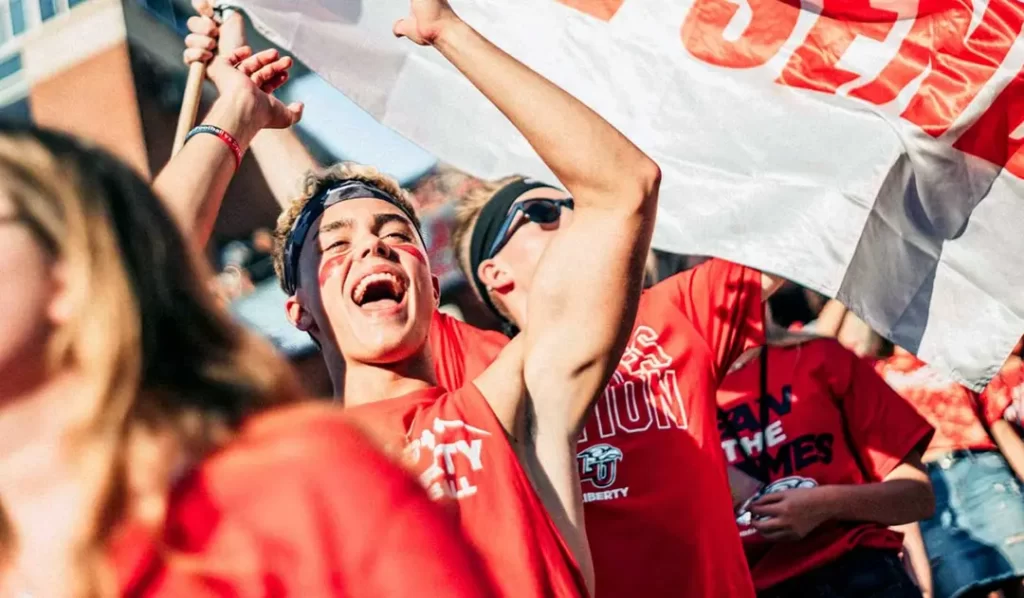
All right, all right—clearly, the stats and branding benefits back up sports marketing’s must-use status. But we’d be remiss not to peek inside fans’ psyches to understand their unique consumer mentalities and purchasing drivers.
Hometown Pride on Full Display
Many fervent fans’ fanatical sports allegiances stem from unapologetic hometown pride. There’s an undeniable emotional high from sporting your city’s colours, chanting fight songs passed down through generations, and beaming with civic joy whenever the home team triumphs.
This civic fervour seamlessly translates into purchasing behaviours. Fans will enthusiastically rally behind their home team’s sponsors, scooping up branded apparel, snacks, beverages, and more. Marketers who lovingly celebrate and tap into location-based team identities are tapping into a hugely lucrative consumer base.
The “Infinite Upside” of Fandom
Sports fandom is one of the stickiest forms of brand loyalty. Regardless of how many heartbreaking seasons or coaching debacles their teams endure, diehard supporters remain eternally devoted.
Why does this blind allegiance happen? Fans subconsciously view their financial and time investments into following a team as “sunk costs.” They’ve already invested years of emotional energy and thousands of dollars in game tickets, merchandise, subscriptions, and more.
Abandoning that decades-long relationship, with its gargantuan sunk costs, to start following a new team from scratch feels utterly unthinkable. This psychological phenomenon creates infinitely sustainable fan bases that few other consumer brands can match.
And let’s be honest—part of the unbreakable allure is the possibility that their team could ascend to championship glory as the ultimate reward for unwavering loyalty. Even when the odds look impossible, that glimmer of hope persists like a stubborn flame. Savvy marketers recognise that keeping fans’ hopes alive is vital for securing continued fandom (and spending!) year after year.
An Escape Into Community
Financial and emotional investment aside, sports captivate fans because they satisfy our innate human cravings for inclusion, community, and a sense of identity. For a few electrifying hours, hundreds of thousands of strangers worldwide unite as one in watching the action unfold.
This sense of belonging is invaluable in an era of loneliness and isolation. It creates self-perpetuating cycles where fans bond over sports and reinforce community ties through apparel, events, rituals, and purchases.
Savvy sports marketers fuel this cyclical engagement by stoking fans’ emotions, rituals, and meaningful human connections. They awaken our tribal spirit—and we happily open our wallets as a gesture of thanks.
The Game-Changing Future of Sports Marketing
We’ve discussed the here-and-now of sports marketing, from tactics to audience mentalities. But true ballers must always keep an eye on what’s next. So, how will marketing in athletics evolve in the future?
Emerging Tech, Immersive Realities
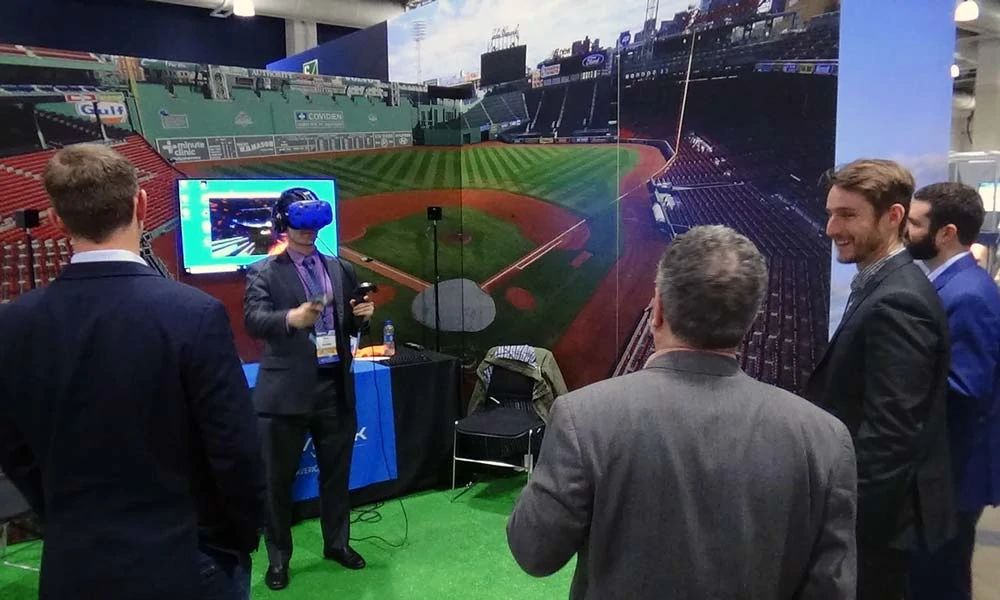
The most transformative development we’ll witness is the growing integration of technology into the live sports experience. Augmented reality (AR), virtual reality (VR), and cutting-edge data visualisation capabilities forever alter how fans consume and market sports.
Teams and brands are already launching immersive AR apps that elevate the in-venue experience to new heights. Imagine aiming your phone anywhere inside the stadium to access real-time 3D stats, holograms, and interactive graphics that display right atop the action. You may even snag a virtual front-row seat by simply peering through your device.
The possibilities multiply further with VR integration. Fans in Timbuktu can slip on a headset to experience fully immersive, 360° virtual courtside perspectives, making them feel like they’re attending games live. Imagine sponsors seamlessly integrating their products into the experience in a virtual world. Talk about marketing gold!
For example, cutting-edge projection mapping techniques deployed at recent World Cup venues transformed stadiums into mind-bending digital displays.
Every concrete surface dissolved into a spectacle of multimedia graphics and effects. For fans lucky enough to witness it in person, the sheer scope and showmanship left an indelible memory that deepened fan loyalty and positive brand associations for years.
Gaming At The Centre of It All
Gaming, or digital interactive entertainment, sits at the crossroads of sports, tech, and marketing. The jaw-dropping rise of eSports alone, which pits pro video gamers against each other in mega-tournaments with live audiences reminiscent of traditional athletics, signals gaming’s Future position as an essential sports marketing outlet.
And if you think this is just a niche, you’re leaving a fortune on the table. The numbers are staggering. The global eSports audience is projected to surpass 640 million people by 2025, with market revenues already exceeding £1.3 billion.
This isn’t a fad; it’s a cultural shift. You’ve got massive, non-gaming brands like BMW, Mercedes-Benz, and even Louis Vuitton ploughing money into eSports partnerships.
Why? Because they know it’s a direct line to a massive, highly engaged audience that’s hard to reach anywhere else. Ignoring eSports now is like ignoring social media was fifteen years ago.
Innovative brands are already capitalising on the incredible consumer engagement gaming provides. The NBA, NFL, Adidas, Puma, and many others have heavily invested in eSports arena build-outs, leagues, virtual apparel and product offerings, and more. Ultra-participatory experiences, such as live-betting features and fantasy eSports apps, keep fans continually hooked.
Beyond eSports, overall gaming creatively merges the spirit of sports fandom with digital interaction. Sports video games like Madden NFL and NBA 2K already cultivate vivid fan engagement by allowing gamers to step into the role of an athlete. Advanced motion tracking capabilities and even virtual sponsorship integrations within these games fuel remarkably memorable and buying-conducive experiences.
From eSports to console games and mobile gaming, sports marketers must aggressively conquer this Next-Gen frontier where sports spectatorship and participation are digitally reimagined.
Leveraging the Next Billionaire Influencers
Here’s an understatement: Athletes today wield influence as we’ve never witnessed before. Their social media presence entertains millions, spurs trends, and drives jaw-dropping endorsement earnings. All this impact stems from our modern reality, where star athletes transcend mere sports fame to become true cultural icons and aspirational figures on a global scale.
But the next groundbreaking shift may seem like pop culture sporting phenoms are soaring to net worths that are nearly unfathomable today. A convergence of factors like the Creator Economy flourishing, new monetisation models upending old compensation schemes, the rapid growth of athlete-launched brands and business ventures, and shifts in power dynamics position tons of athletes on the cusp of joining (or eclipsing!) the billionaire’s club.
Right, and here’s the next evolution of that. The smartest athletes are no longer just faces for hire; they’re becoming media owners themselves. It’s a massive power shift.
Instead of just taking a cheque to endorse a product, they’re building their own production companies to control the whole narrative. LeBron James did it with his SpringHill Company, which is behind films and TV shows.
Peyton Manning’s doing it with Omaha Productions, creating hits like the “ManningCast”. They’re not just playing the game anymore; they’re building the stadium. This opens up completely new avenues for brand partnerships that are far more authentic and integrated than a simple endorsement deal ever could be.
Though it sounds far-fetched, consider the PGA phenomenon. Tiger Woods currently sits at a net worth of $1.1 billion, thanks to masters etching his business acumen and lucrative endorsements galore. Or that 15-year NBA vet LeBron James has reached an estimated net worth of $1 billion via his massively successful media endeavours, investments, and sky-high lifetime endorsement portfolio.
Imagine the seismic advertising implications once entire platoons of elite athletes command this level of financial might and dominance across industries. Superior marketing reach, name-brand establishment, diversified revenue streams—the pathways will be endless for these ultra-influencer titans. Wholly new athletic business empires are on the horizon.
As the crossover between sports, business, and popular culture accelerates, marketers cannot afford to be caught flat-footed by shifts that may seem improbable today but prove inevitable tomorrow.
Conclusion
Okay, sports fans, you’ve been given an insider’s glimpse into the high-intensity, ever-evolving realm of sports marketing. We’ve covered the playing field, from the latest industry stats and tech disruptions to fan psychologies and future forecasting.
At its essence, sports marketing intertwines passion, tribal bonding, entertainment, data, and disruptive business acumen into hugely profitable and culture-shifting campaigns. Embracing this uniquely potent intersection of sectors will increasingly separate the marketing rookies from the MVPs.
For brands and sports properties alike, now is the time to double down on these strategies to cultivate the next generation of crave-worthy live experiences and super-fandom. The ball is in your court—how will you amplify your game?
FAQs on Sports Marketing
What are some of the biggest challenges facing sports marketers today?
Common challenges sports marketers need to overcome include rapidly evolving consumer media habits, oversaturated sponsorship landscapes, escalating media rights costs, data privacy concerns, and the need to innovate fan experiences amid limited attention spans.
How important is social media for modern sports marketing?
Extremely important! Social media provides sports marketers with unmatched channels for directly engaging fans, cultivating viral content, humanising teams/athletes, monetising fan relationships, and building global communities. Failing to leverage organic and paid social media channels is a missed opportunity.
What’s the critical difference between marketing for professional vs. amateur/collegiate sports?
Pro sports marketing typically involves bigger budgets, global reach strategies, and navigating league policies. Amateur/collegiate marketing relies more heavily on fostering local/regional community connections, school pride/traditions, and leveraging students as brand ambassadors. Nevertheless, sound customer engagement tactics remain essential for both.
What types of data and metrics do sports marketers analyse for fan insights?
Common data tracked includes ticket purchase patterns, merchandise sales, website/app activity, email engagement, social listening, TV viewership ratings, attendance demographics, CRM data, sponsor ROI metrics, and more. This holistic view of the fan journey is crucial for powering highly targeted campaigns.
What skills or background are most helpful in pursuing a sports marketing career?
Excelling in sports marketing requires creative skills for developing concepts, copywriting capabilities, social media savviness, data analysis, business acumen, public relations experience, project management, and a strong passion for and knowledge of the sports landscape. Internships, volunteering, and networking are crucial entry points for gaining experience and establishing connections.


