The Brand Equity System™
Branding Services for Firms That Sell Expertise
Law, accountancy, financial advisory, consulting: sectors where every firm claims trust and rigour, usually in the same navy blue. The Brand Equity System™ is our answer — branding services built as one connected system, from positioning to identity to the website that carries them, at fixed prices we publish. It starts with a free written audit, not a sales call.
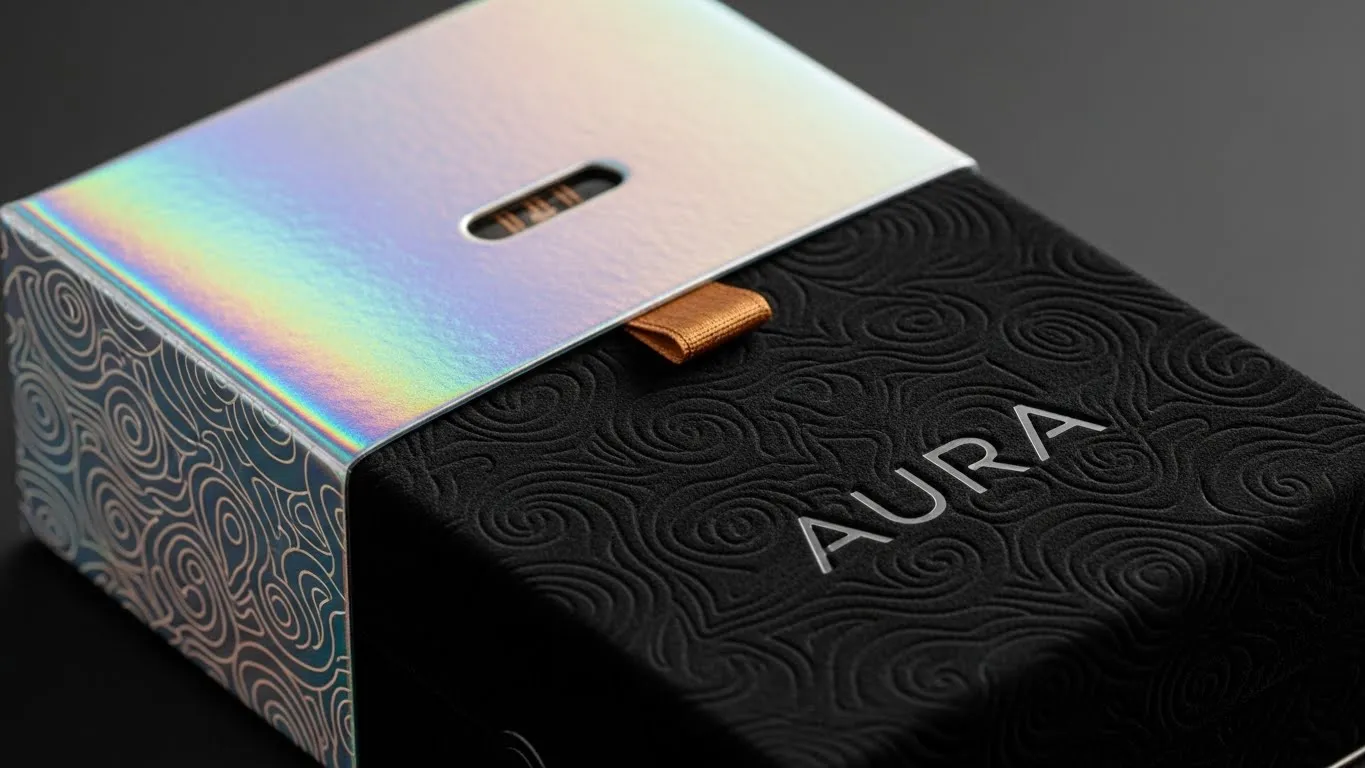
Strategic Brand Identity Systems
One System, Not a Shopping List of Branding Services
Most agencies sell branding as separate line items: a strategy deck from one team, a logo from another, a website from a third, each quietly contradicting the last. The result looks expensive and behaves cheaply — because nothing connects.
The Brand Equity System™ works the other way. Positioning, identity, architecture, verbal identity and digital presence are designed as one system, in one sequence, by the people who built the strategy. In a market where AI can generate a plausible logo and a plausible value proposition in seconds, the connected system is the part that can’t be faked — coherence is the last competitive advantage that doesn’t come from a prompt.
That’s the whole premise of this page: three engagements, fixed prices, one method, built for firms that sell expertise.








Great brands are never an accident—they are a deliberate choice. While a logo marks your arrival in the market, a unified brand system ensures you actually stay there. We bridge the gap between ‘looking the part’ and ‘leading the market,’ crafting a cohesive experience that earns trust and fuels scale. It’s time to give your business the strategic foundation its vision deserves.
Architect Your Brand →Why Partner with Inkbot Design?
What the System Is Built On
Strategically headquartered in the UK, with global operational reach into the US market, our team provides the localised nuance and international scalability required for modern brand dominance.
Coherence
Everything Speaks With One Voice
Every touchpoint a client meets — the website, the proposal, the pitch deck, the email signature — either compounds trust or quietly spends it. We design the entire surface as a single system, so a prospect who finds you through a search result, a referral, or an AI recommendation meets the same firm every time.
Provenance
The Story That Can Be Checked
AI can generate claims; it can’t generate history. Your firm’s provenance — who founded it, what it’s actually done, the verifiable record behind the expertise — is the raw material machines and sceptical buyers both use to decide whether you’re real. We build brands around what can be verified, because in an AI-flooded market, checkable beats impressive.
Equity
A Brand That Behaves Like an Asset
A brand done properly appreciates: it lowers the cost of winning work, supports premium fees, and adds to what the firm is worth when partners eventually sell or merge. We design for that — trademark-ready assets, documented systems, and an identity that survives the founders’ retirement. Decoration depreciates. Systems compound.

The Brand Equity System™ — Three Engagements, One Method
Detailed Breakdown
The Brand Equity Audit™ — the diagnostic. Free.
A written assessment of your brand, delivered within 48 hours of a five-question brief. No sales call — the audit is the first deliverable, and it’s yours whether or not you go further.
— Where the brand leaks: the specific points where your current identity and messaging repel the clients you want and hand them to competitors.
— The “so what?” test: your firm’s claims, audited against what every rival in your sector already says — because whatever everyone claims, no one owns.
— The entity review: a technical check of how AI search engines currently read your firm — whether you’re a verifiable authority to the machines now filtering who gets recommended.
The Brand Equity Blueprint™ — the build. £7,500, fixed.
The complete engagement: built once, built right, priced in advance.
— Market intelligence: a competitive audit that maps the claims your rivals have left vacant — the credible ground your firm can own.
— Positioning framework: the argument for why your firm, specifically, is written, defended, and strong enough to survive your most sceptical partner.
— Identity system: the visual language — logo, typography, colour, layout logic — engineered as trademark-ready assets that signal competence at first contact.
— Verbal identity: the language your partners actually use — the one-line answer, the proposal narrative, the About page — so the strategy survives the handover.
The Brand Equity Partnership™ — the governance. £3,000/month.
Brands drift. New services launch off-brand, acquisitions arrive with their own logos, and entropy does the rest. The Partnership is active stewardship:
— A fractional brand director: senior strategic oversight, monthly, without the salary.
— Execution on the touchpoints that matter: tender documents, investor decks, campaign assets — designed inside the system, not bolted on.
— Compounding equity: as the firm grows, the brand’s coherence — and its contribution to the firm’s value — grows with it.
No Alignment Calls. No Chemistry Meetings. An Audit.
Agencies qualify you with meetings; we qualify ourselves with work. The free Brand Equity Audit™ shows you the standard of thinking before a pound changes hands — in writing, within 48 hours, no diary invite attached. If the audit is useful, the Blueprint is the obvious next step. If it isn’t, you’ve lost ten minutes and gained a document.
“Stuart didn’t just design for us; he provided the honest, expert guidance we needed to clarify our vision.”
He challenged our ideas when they weren’t right and delivered a unified brand system that now fuels our entire presence. A true collaboration.

Julia Shalet
Azenby UK Director
The Services Inside the System
Every engagement draws on the same connected disciplines. Each has its own page, its own method, and its own place in the system:
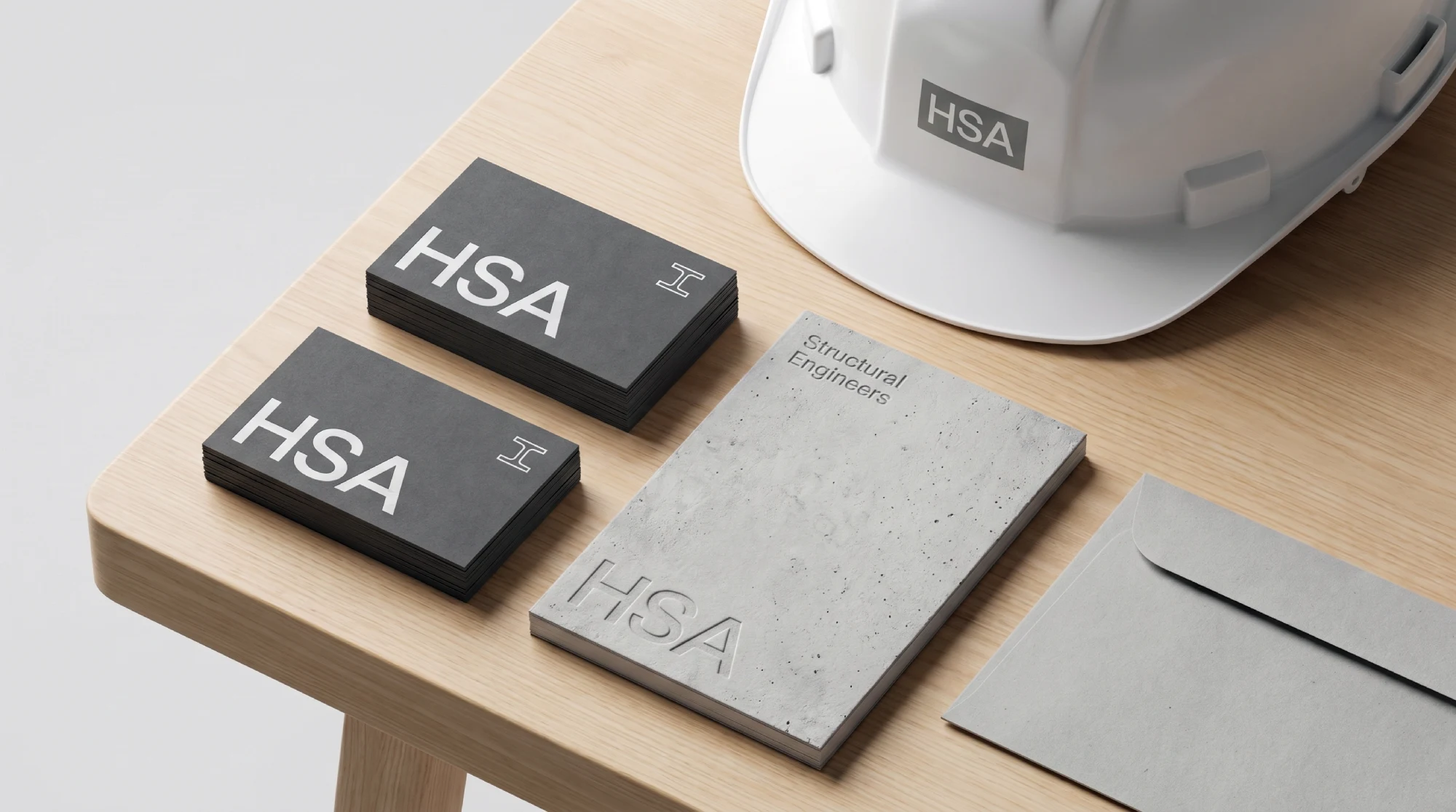
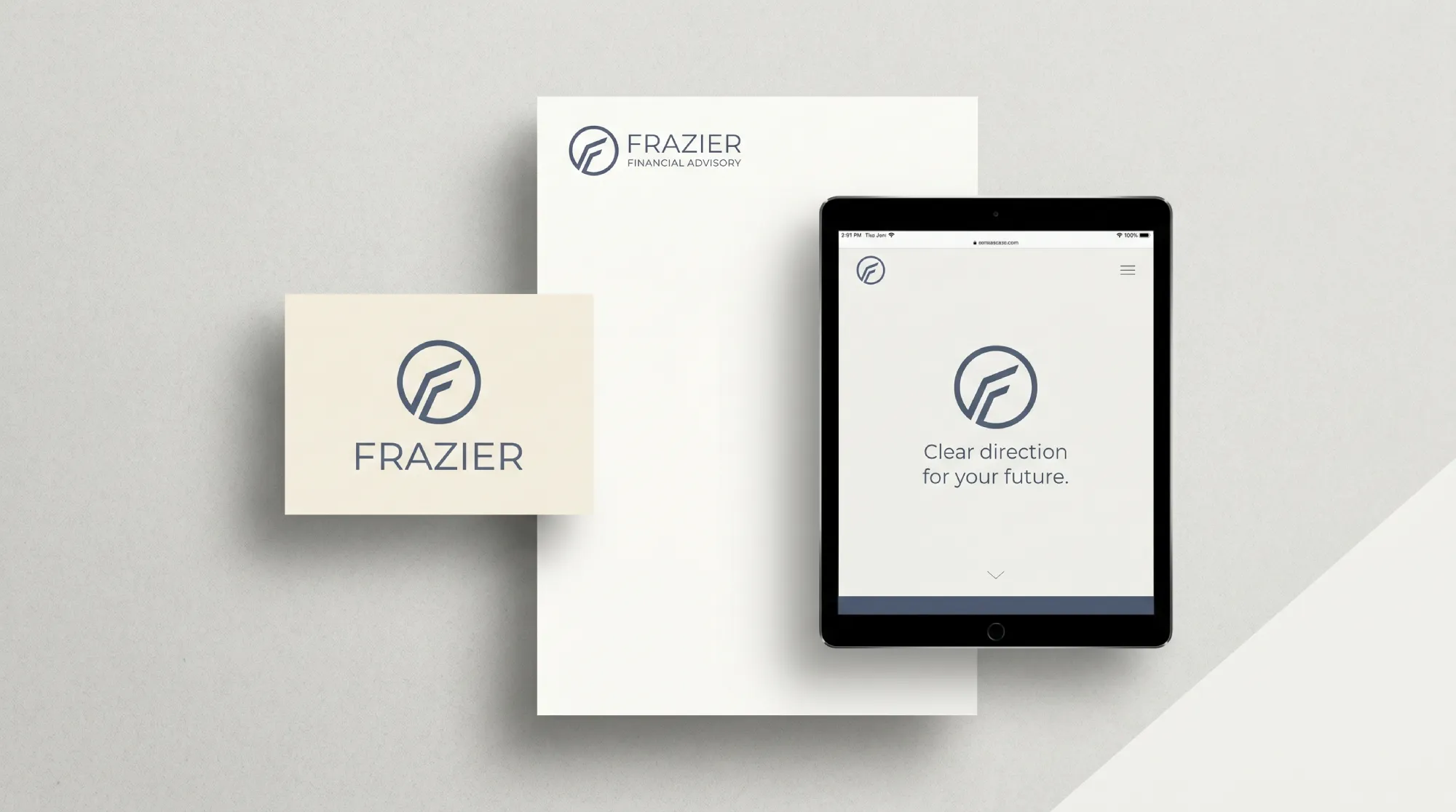

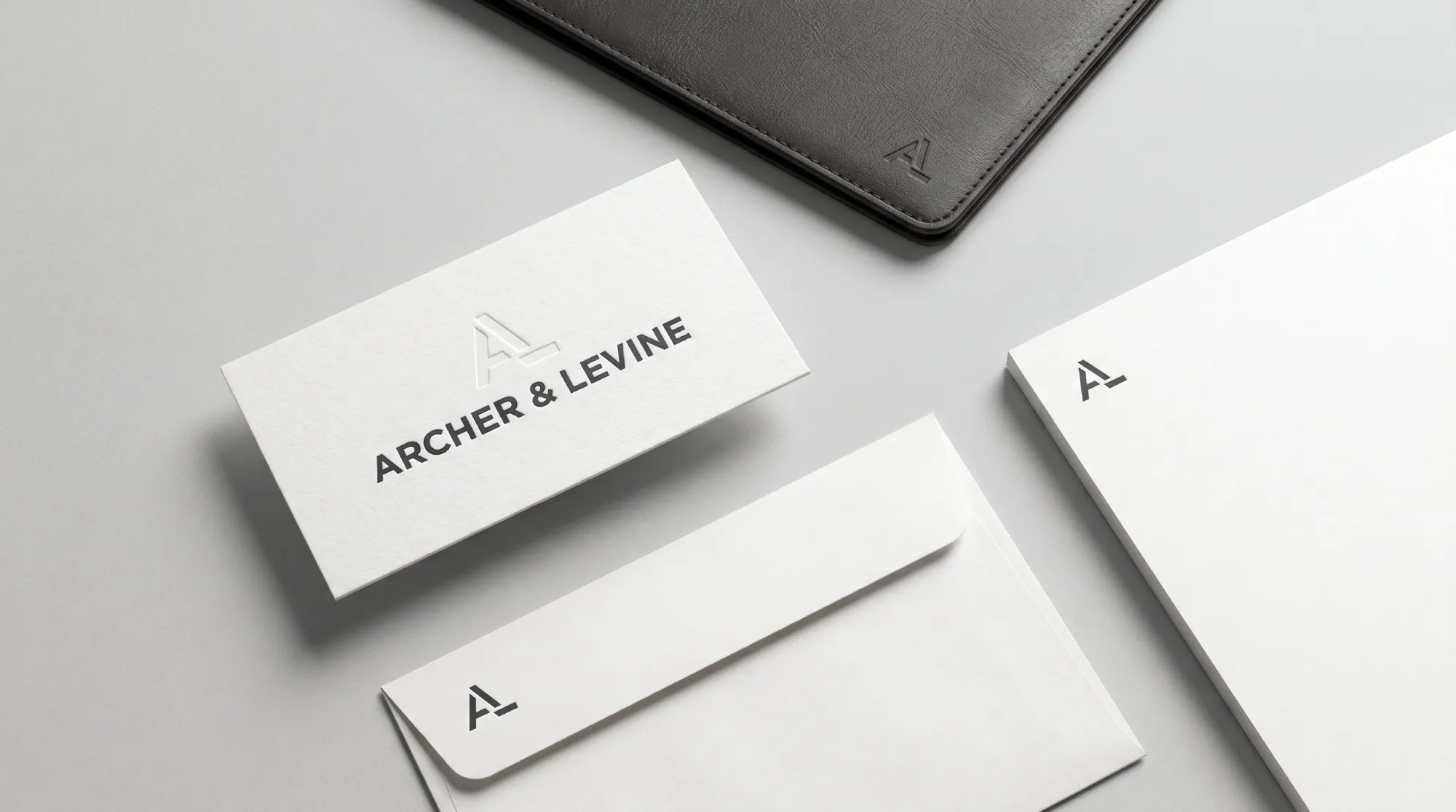



Our 6-Step Framework
The Inkbot Method™: How Every Engagement Runs
Strategy is the science; design is the catalyst. We use a refined, human-led methodology to transform your brand from a collection of files into a high-performance growth engine.
Deep Discovery & Market Diagnosis
Before we design, we diagnose. We dive deep into your business DNA, your competition, and the psychology of your audience. We find the “white space” in your industry—the gap your competitors have missed—to ensure your foundation is unassailable.
The Result: A strategic “Focus” that defines exactly how you will win your market.
Strategic Architecture & Logic
A great brand needs a clear hierarchy. We organise your products and services into a cohesive structure that makes sense to both human customers and modern search engines. We prioritise logic before aesthetics to ensure your brand is easy to navigate and even easier to buy from.
The Result: A scalable blueprint that allows your business to grow without losing its core identity.
High-Equity Identity Design
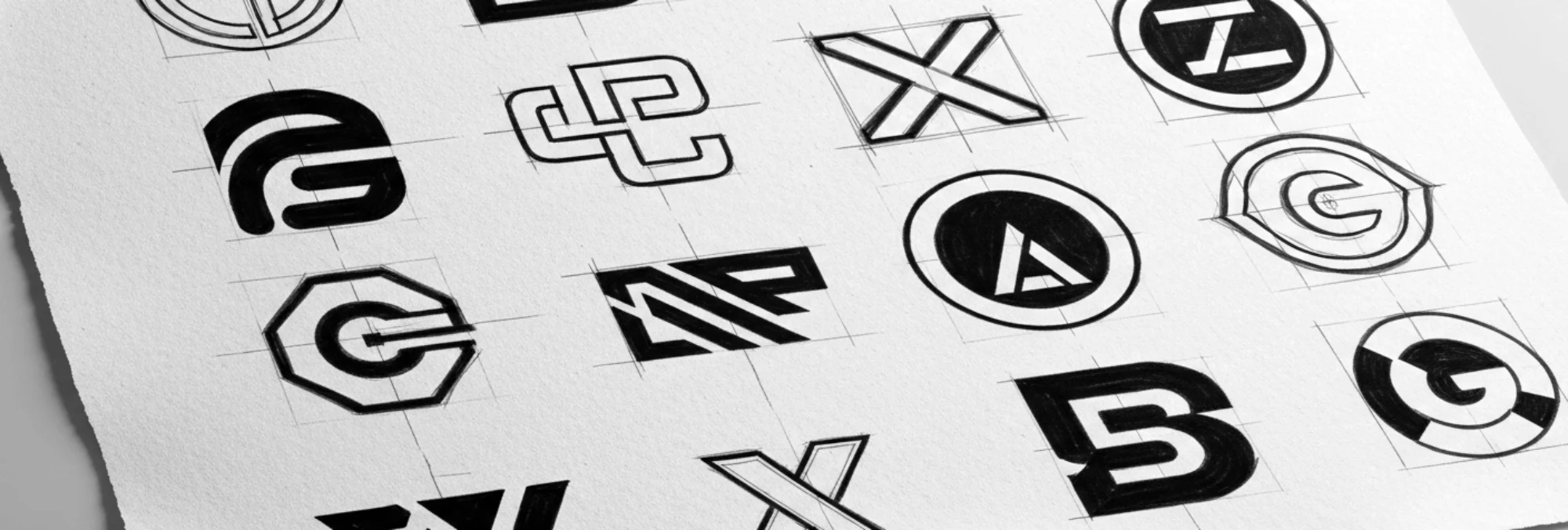
This is where strategy takes a visual form. We don’t just create a logo; we engineer your signature—including custom typography and colour systems—designed as trademark-ready assets. Every choice is a deliberate move to claim “mental real estate” in your customer’s mind.
The Result: A singular, iconic visual presence that commands immediate authority and trust.
Omnichannel Integration
A modern brand must be “everywhere” without feeling fragmented. We translate your identity into a unified ecosystem, ensuring you look elite on everything from high-res physical print and 8K digital screens to AI-driven interfaces.
The Result: A frictionless brand experience that remains perfectly consistent across every global touchpoint.
The Master Rollout & Launch
We don’t just “hand over” a folder of files; we manage the transition. We oversee the rollout of your new brand architecture, ensuring every asset is optimised for maximum visibility. We validate the launch to ensure your brand performs precisely as we engineered it to.
The Result: A high-impact market entry that establishes your brand as the new benchmark in your category.
Ongoing Stewardship & Equity Growth
A brand is a living financial asset. We provide the tools and strategic oversight needed to manage your “Visual Equity” as you scale. We monitor market shifts and tech trends to ensure your brand remains resilient and continues to appreciate over time.
The Result: A future-proofed brand that grows in value and maintains market dominance for the long term.
Our Strategy
Design Is Strategy Made Visible
That’s the whole philosophy, and it cuts both ways: a strategy that never becomes visible is a PDF, and design without strategy underneath is decoration with an invoice. The Brand Equity System™ exists to keep the two welded together — which is why it’s one system, one method, and one fixed price rather than a menu.
Where We Stand
By the Numbers
- 17+ Years of Industry Expertise
Almost two decades of navigating branding services, from print to Agentic AI.
- 4.9/5 Aggregated Sentiment Score
Based on 160+ verified reviews, our reputation is built on strategic depth and high-precision delivery.
- 2,500+ Strategic Resources
We don’t just practice branding; we lead the conversation with one of the industry’s largest libraries of strategic insights.
- Top 30 Strategic Partner
Vetted and ranked as a Top 30 Agency in the UK and the top branding services in Belfast, Northern Ireland.

Deliberately Narrow, On Purpose
We specialise in firms that sell expertise — law, accountancy, financial advisory and consulting — typically with 10–100 people. Not because branding principles change by sector, but because your buyers, your regulators and your rivals don’t change by project when we work this way.
We know what a Legal 500 submission season does to a managing partner’s attention, why an accountancy practice’s advisory pivot dies in the brand, and what FCA scrutiny means for how boldly a financial brand can speak. Generalists relearn your sector on your invoice.
The craft still travels — 300+ brands across 21 countries, including work well outside the core (ask Eureka!, the National Children’s Museum). We take a small number of those engagements each year. But the system was built for professional services, and that’s where it works hardest.
Insight
Beyond the Industry Echo Chamber. Authority Without Borders.
High-performance branding isn’t about following trends—it’s about mastering the universal psychology of why people trust, buy, and stay loyal.
Whether we are architecting the identity for a cutting-edge startup or a heritage luxury house, our process is designed to find your “Onliness”—the one thing that makes you the only choice for your customers. We bring fresh, cross-market insights to your sector, ensuring your brand doesn’t just fit in—it defines the new standard.
By applying a high-level strategic lens to every project, we ensure your identity remains human, authoritative, and built to lead, no matter the market.
Frequently Asked Questions (FAQ)
Your Questions, Answered.
Straight answers, in writing — the same way we run engagements. All audits are async and written; if the diagnostic is useful, the Blueprint is the natural next step. Anything missing, email us — you’ll get a personal reply within 24 hours.
What does the Brand Equity System™ cost?
Three tiers, all published: the Brand Equity Audit™ is free (written, 48 hours, no sales call); the Brand Equity Blueprint™ is £7,500 fixed — the complete strategy, identity and rollout engagement; the Brand Equity Partnership™ is £3,000/month for ongoing governance. No discovery-phase invoices, no scope surprises. Your firm bills for its time; we’d rather you spent none of it extracting a price from us.
Which service do we actually need?
Usually, the honest answer is “less than you think, in a different order than you’d guess,” — which is precisely what the free audit determines. It assesses your positioning, identity, architecture and digital presence, and tells you in writing where the leak actually is. Sometimes that’s a full Blueprint; sometimes it’s one discipline. The audit is how we both find out before anyone commits.
Who is this for?
Professional services firms — law, accountancy, financial advisory and consulting, typically 10–100 people. We take a small number of engagements outside that core each year; the audit will tell you honestly whether the fit is there.
What exactly is “Brand Architecture”?
Think of it as the growth map for your business. It’s the logic that defines how your different products or services relate to one another. For a scaling company, a clear architecture ensures your customers (and search engines) understand exactly what you offer without confusion.
How long does the process take?
A comprehensive transformation typically takes 8 to 12 weeks. We prioritise strategic depth over “fast-food” output. This timeline allows us to stress-test your brand across all platforms to ensure it’s future-proofed before you go live.
What is the ROI of “Visual Equity”?
Visual Equity is the measurable value of your reputation. By creating a unique, cohesive system, we turn your brand into a tangible asset. This allows you to command premium pricing, increase your company’s valuation, and position you as the “safe bet” in your industry.
Do you specialise in my specific industry?
We are “Market-Agnostic” because the laws of human psychology are universal. Whether you’re in DeepTech or Luxury Retail, our framework is designed to isolate what makes you different and amplify it. A fresh, “outsider” perspective is often precisely what’s needed to disrupt a stale industry.
What happens after the brand is launched?
We don’t just “hand over the keys” and disappear. We provide ongoing Identity Stewardship. As the market shifts and new technologies emerge, we stay in your corner to ensure your brand remains resilient, authoritative, and ahead of the competition.