Brand Strategy: A Blueprint for Market Dominance
I once audited a client that had spent £50,000 on a high-end website and a “modern” logo, yet their conversion rate was abysmal, and their customer retention was non-existent.
They had the “assets” of a brand, but they lacked a cohesive brand strategy. They were effectively building a mansion on a swamp.
Ignoring your brand strategy costs more than just design fees; it costs market share.
When you lack a clear brand development strategy, you are forced to compete on price—a race to the bottom that no Small to Medium Business (SMB) ever wins.
Branding isn’t an “extra”; it is the logic that dictates why a customer chooses you over a cheaper alternative.
In this comprehensive guide, we will dissect the jargon and examine the technical, psychological, and economic components necessary to build a brand that not only looks good but also performs effectively.
- Build a robust brand Heart: purpose, vision, mission and values that align internal culture and external execution.
- Choose strategic positioning by sacrificing breadth to gain relevance and price inelasticity.
- Design clear brand architecture to prevent brand fog and enable scalable, coherent signalling.
- Create a forensic visual and technical toolkit with living brand guidelines and distinctive assets.
- Develop consistent verbal identity and messaging pillars to reduce CAC and drive mental availability.
What is Brand Strategy?

A brand strategy is a long-term, formal blueprint that defines how an organisation identifies itself, positions its value in the market, and communicates with its target audience to create a distinct competitive advantage.
It is the bridge between business goals and the creative execution of a brand identity.
One of the most expensive mistakes an SMB can make is conflating Brand Strategy with Marketing.
Strategy defines the value; Marketing distributes that value.
Brand Strategy acts as the “Operating System” of the business, whereas Marketing is the “Application” that runs on top of it. If you attempt to market a broken strategy, you simply accelerate the rate at which the market discovers your brand is mediocre.
The Three Core Elements of Strategy
- Market Positioning: Defining the specific “space” you want to occupy in the consumer’s mind relative to competitors.
- Brand Architecture: The hierarchical structure of your products or services (e.g., Branded House vs House of Brands).
- Brand Equity: The commercial value derived from consumer perception of the brand name rather than the product itself.
1. The Brand Heart: The Foundation of Every Authority
At Inkbot Design, we refer to the core of your organisation as the brand Heart. This isn’t about being “nice”; it’s about internal alignment.
If your brand Heart is weak, your external marketing will always feel hollow and inconsistent. A robust brand Heart consists of four distinct pillars: your purpose, vision, mission, and values.
The Purpose: Your “Why”
Your brand purpose is the philosophical reason your business exists beyond the accumulation of capital. In 2026, consumers are hyper-aware of “purpose-washing.” According to a Deloitte Insights study, purpose-driven companies experience higher productivity and 30% higher innovation.
The Vision Statement
A vision statement is your focus. It defines where you want to be in 10 or 20 years. A strong vision statement acts as a filter for high-level decision-making. If a new opportunity doesn’t move you closer to your vision, it is a distraction.
The Mission Statement
While the vision focuses on the future, the mission statement focuses on the present. It defines what you do, who you do it for, and how you do it every day. Your mission statement should be the practical engine that drives your brand Heart forward.
Core Brand Values
Your core brand values are the operating principles that guide your internal culture and external interactions. They are not platitudes like “integrity” or “innovation.” They should be actionable and, occasionally, controversial. If your values don’t alienate some people, they aren’t strong enough.
2. Strategic Positioning & The Art of Exclusion
You cannot be the “high-quality, low-price, fast-delivery” option. That is not a brand strategy; it is a recipe for bankruptcy. Effective brand positioning requires you to choose a sacrifice.
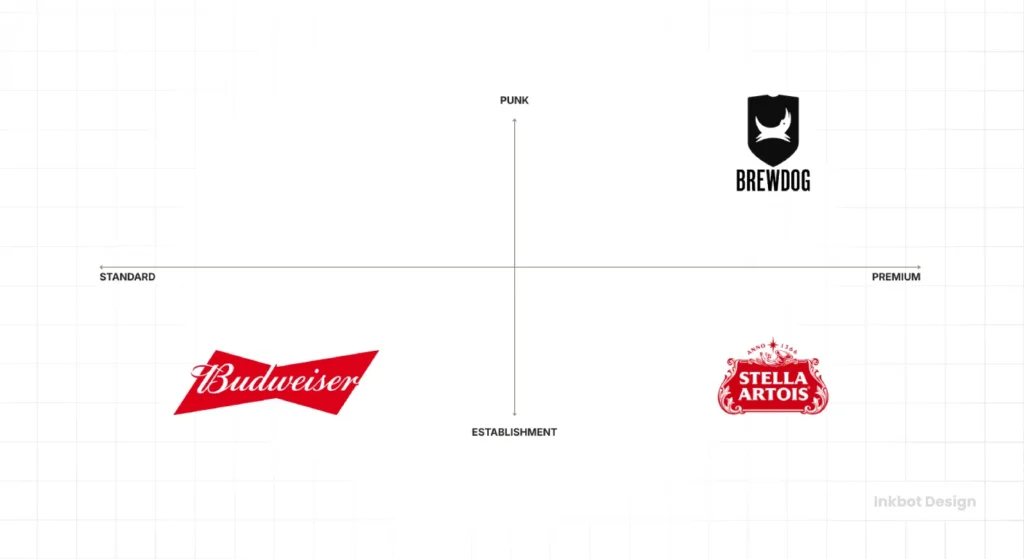
The Sacrifice Ratio
Data from the Harvard Business Review suggests that increasing customer retention rates by 5% can lead to profits increasing by 25% to 95%. Strategy is about exclusion. By narrowing your target audience, you become more relevant to them.
Real-World Example: Southwest Airlines
Southwest succeeded not by trying to be “the best airline,” but by being “the low-cost alternative to the bus.” They sacrificed assigned seating, meals, and hub-and-spoke routes. Their brand development strategy was built on exclusion.
Mapping the Market
Using perceptual mapping is a technical necessity. By plotting your competitors on a graph of “Price vs. Innovation” or “Tradition vs. Disruption,” you can identify the “Blue Oceans” where your brand can exist without direct, cut-throat competition.
The ultimate commercial objective of this architecture is to achieve Price Inelasticity. This is the point where your customer base remains loyal even when you raise your prices.
High brand equity enables price skimming, where you can command a premium because the perceived risk of choosing a “non-authority” competitor is too high.
This is how a forensic brand strategy transforms from a design expense into a gross-margin enhancer.
3. Brand Architecture: Structuring for Scalability
As a professional services firm or an e-commerce giant grows, it often suffers from “brand bloat.” Without a clear brand architecture, you end up with a “Brand Fog” that confuses customers and dilutes brand equity.
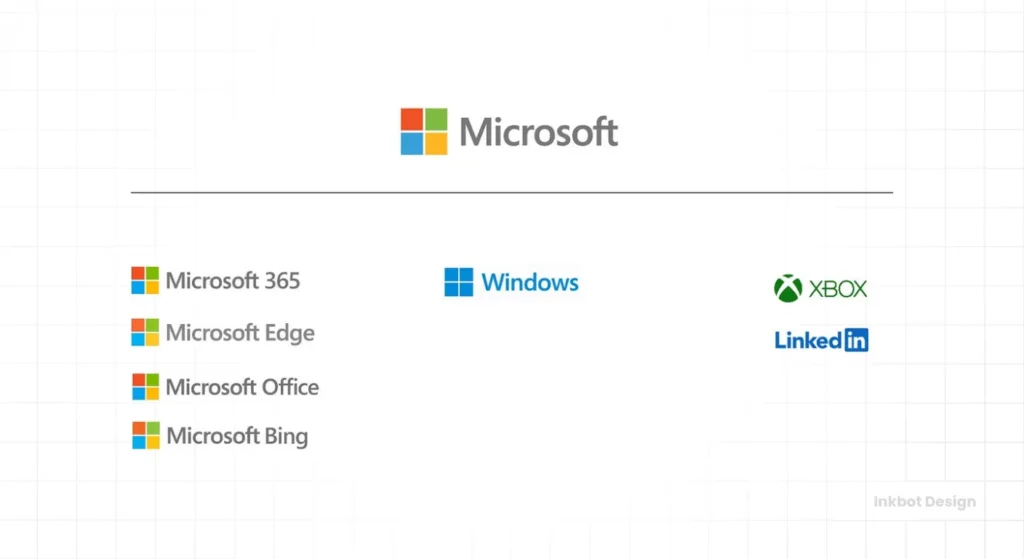
The Three Models of Architecture
- Branded House (e.g., Apple, FedEx): The master brand is the primary driver of the overall brand. Every sub-brand (iPhone, iPad) leverages the parent brand’s equity. This approach is cost-effective but risky; if one product fails, it can taint the entire house.
- House of Brands (e.g., P&G, Unilever): The parent brand is invisible to the consumer. Tide and Pampers operate independently. This allows for diverse market positioning but is incredibly expensive to maintain.
- Endorsed Brand (e.g., Marriott): Sub-brands have their own identity but carry the “By Marriott” endorsement. This provides a safety net while allowing for individual personality to shine through.
Technical Nuance: Signal Theory
In high-ticket B2B sales, your architecture acts as a “signal” of stability. A disorganised architecture suggests a disorganised operation. When we conduct a brand workshop, we often find that simplifying the architecture is the fastest way to increase market share.
4. Visual Identity & The Technical Brand Toolkit
Most entrepreneurs confuse branding with “the pretty bits.” At Inkbot Design, we view visual identity as a forensic tool. If you haven’t defined your brand strategy roadmap, your logo is just a decorative ornament.

The Importance of Brand Guidelines
Your brand guidelines should be a “living document” that dictates everything from your logo’s visual elements to the specific tone of voice in your emails. Without strict brand guidelines, your brand will inevitably suffer from “entropy”—a gradual decline in consistency across different platforms.
Building a Brand Toolkit
A professional brand toolkit goes beyond a logo file. It should include:
- Distinctive Assets: Shapes, patterns, and sounds that trigger brand recall without the name being present.
- Typography Hierarchy: Technical specifications for web (rem/em) and print (pt).
- Colour Systems: CMYK for print, RGB/HEX for digital, and Pantone for physical brand touchpoints.
- Visual Media Standards: Rules for photography styles, icon weights, and visual elements like “Rasterisation at 16px” to ensure legibility on mobile devices.
5. Verbal Identity: Brand Messaging & Messaging Pillars
Your brand isn’t just what people see; it’s what they hear. Your verbal identity encompasses your brand’s voice, tone, and core messaging.

Defining Your Brand Voice
Your brand voice should be consistent across all channels. Are you the “Authoritative Expert” or the “Rebellious Challenger”? Once defined, this voice is distilled into messaging pillars.
The Three Messaging Pillars
- The Functional Pillar: What you do (The Proof).
- The Emotional Pillar: How you make them feel (The Promise).
- The Strategic Pillar: Why you are the only choice (The Positioning).
These pillars form the foundation of your brand messaging. If a piece of content doesn’t align with these pillars, it shouldn’t be published.
The Economic Case: Brand vs Performance
The biggest lie in modern marketing is that you should only spend money on “trackable” performance ads (such as SEO and PPC). This is a tactical error.

The Pull vs. Push Dynamic
- Performance Marketing (Push): Buying attention through Google or Meta. This is a “tax” on your business that increases as competition grows.
- Brand Strategy (Pull): Building brand recall so customers search for you by name.
According to research from the Ehrenberg-Bass Institute, brands grow primarily through Mental Availability (being thought of) and Physical Availability (being easily accessible).
To move beyond guesswork, a forensic strategy must track Brand Salience—the likelihood that your brand is considered in a buying situation. This is mathematically linked to eSOV (Excess Share of Voice).
Evidence suggests that if your “Share of Voice” exceeds your “Share of Market,” your brand will grow. By treating your brand visibility as a technical variable, you can predict market dominance rather than relying on chance.
Reducing CAC with Brand Equity
A strong brand lowers your Customer Acquisition Cost (CAC). When a user trusts your brand, they are less likely to click on a competitor’s ad, even if it appears higher in search results. This is the “Moat” that protects your market share.
Professional Services vs Consumer Branding
Branding a professional services firm is fundamentally different from branding a consumer product, such as a bottle of shampoo. In the consumer world, branding is often about status and emotion. In the professional world, it is about Risk Mitigation.

The High-Stakes Purchase
When a CEO hires a consultant, the cost of failure is high. Therefore, the brand must act as a proxy for quality.
- Thought Leadership: For professional services, your content is your product. Your content strategy must be built on demonstrating expertise, not just “staying top of mind.”
- Relationship-Driven: The brand lives in the interactions between your people and your clients.
| Technical Detail | Consumer Brand (B2C) | Professional Services (B2B) |
| Buying Trigger | Emotion / Impulse | Rational / Risk Mitigation |
| Sales Cycle | Seconds to Minutes | Months to Years |
| Primary Asset | Visual Identity / Packaging | Thought Leadership / Reputation |
| Loyalty Driver | Convenience / Status | Trust / Result Consistency |
The State of Brand Strategy in 2026
We are entering the era of “Forensic Personalisation.” In the last 18 months, the rise of Generative AI has flooded the market with “average” content and “average” branding. In 2026, the value of a brand will be measured by its Human Signal.
The Rise of the “First-Party Data Hub”
As privacy rules tighten and third-party cookies are phased out, brands must own their own audience. Your brand strategy should now include a plan for a “First-Party Data Hub”—a way to collect and nurture leads without relying on social media algorithms.
Dynamic Brand Identities
We expect to see more “adaptive” brands. Using AI-driven analytics, a brand’s visual media and brand messaging might shift slightly in real time to match the user’s emotional state or context, while remaining rooted in its core brand Heart.
Debunking the Myth: “The Logo is the Brand”
The “Gap 2010” redesign remains the ultimate cautionary tale. They changed a visual identity that had high brand recall without a strategic reason. They ignored their brand essence and paid the price—losing nearly $100 million in the process.
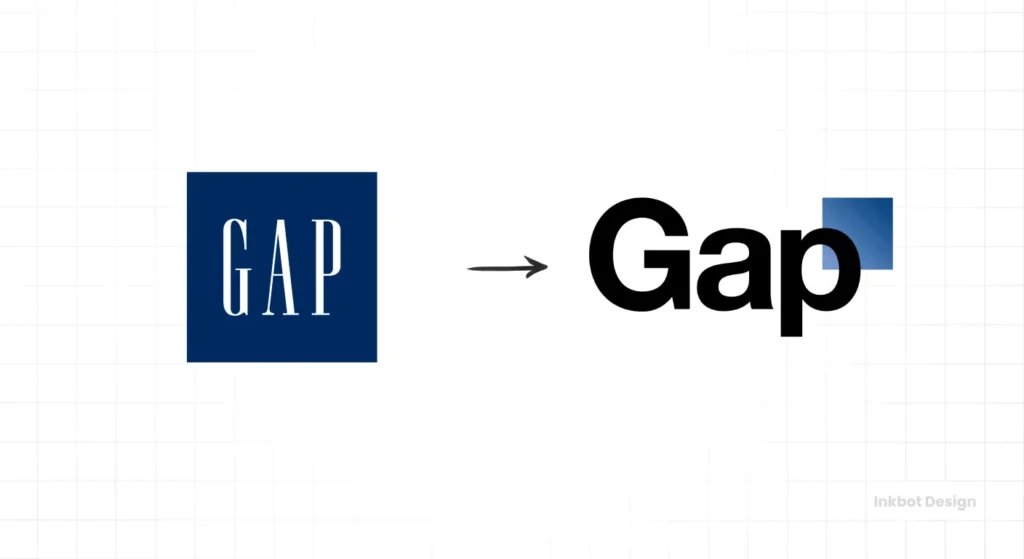
A branding strategist would have told them that a logo is simply a “Distinctive Asset.” Its job is to be a shortcut for the customer’s brain. If you change the shortcut without changing the destination, you end up losing customers.
A frequent pain point for established firms is knowing whether to perform a Brand Refresh or a full Rebranding.
A refresh updates your “Distinctive Assets” (like updating your logo for high-resolution screens) to stay relevant.
A rebrand, however, is a fundamental pivot of your brand’s Heart and Positioning. If your visual identity is modern but your conversion rates are flatlining, a new logo is a “band-aid”; the solution is a forensic strategy pivot.
The Brand Strategy Roadmap: How to Implement
Building a brand is a process of discovery, not just creation. Follow this roadmap to move from “generic” to “authority.”
Step 1: The Forensic Audit
Examine your current market share, customer feedback, and competitor messaging pillars. Identify where your brand promise is falling short of the actual experience.
Step 2: The Brand Workshop
Gather your leadership team. Use a brand workshop to define your brand Heart. Be prepared for heated debates; alignment is hard-won but essential.
Step 3: Architecture & Positioning
Decide on your sacrifice. Define your target audience with extreme specificity. Map out your products to ensure there is no internal competition.
Step 4: Visual & Verbal Identity
Only now do you develop your visual identity and brand voice. Ensure you create a comprehensive brand toolkit so your team has the resources to maintain consistency.
Step 5: Content & Launch Strategy
Integrate your branding into your content marketing. Use your content strategy to reinforce your positioning and build brand equity through thought leadership.
The Verdict
A brand strategy is not a luxury for big corporations.
It is the most practical tool an SMB owner has to protect their margins and ensure long-term survival. Without a clear brand strategy roadmap, you are just another commodity in a crowded market.
At Inkbot Design, we don’t just “design logos.” We build forensic brand strategy frameworks that allow businesses to scale with confidence. Stop following trends and start building an asset.
Ready to stop the guesswork?
Request a quote today to see how we can transform your business into a dominant market force, or explore our blog for more technical insights into the world of strategic design.
Frequently Asked Questions (FAQ)
Is brand strategy the same as marketing?
No. Brand strategy defines your identity, value proposition, and competitive position (the “Product”). Marketing is the tactical process of communicating that identity to an audience (the “Promotion”). You must have a strategy before you can market effectively.
How do I measure the ROI of a brand strategy?
Success is measured through Brand Equity metrics, including a decrease in Customer Acquisition Cost (CAC), an increase in “Branded Search” volume in Google Search Console, and the ability to maintain higher profit margins (Price Inelasticity) compared to unbranded competitors.
What are “Distinctive Brand Assets”?
These are non-logo elements that trigger brand recall, such as specific colour hex codes, unique typography, or even a brand’s specific “Tone of Voice.” A forensic toolkit ensures these assets are protected and consistent across all digital and physical touchpoints.
What is the difference between a Brand Refresh and a Rebrand?
A Brand Refresh is a cosmetic update to modernise your visual identity. A Rebrand is a strategic overhaul that changes your market positioning, target audience, or brand Heart. Refreshes fix “look”; rebrands fix “logic.”
How does Brand Strategy affect SEO?
Search engines like Google prioritise Entities they perceive as authoritative. A clear brand strategy leads to more branded searches and higher click-through rates (CTR). This “Brand Signal” tells the algorithm that your site is a trusted source, indirectly boosting your organic rankings.
What is “Brand Salience”?
Brand salience refers to the degree to which a brand is perceived or noticed by consumers in a purchasing situation. It is not just “awareness”; it is “memory-triggering” in the exact moment a user has a problem your business can solve.
Why do professional services need a different strategy than B2C?
B2C branding often relies on impulse and emotion. Professional services (B2B) branding is about Risk Mitigation. Since the “product” is often intangible expertise, the brand must act as a forensic proxy for reliability and result consistency.
How often should a brand strategy be reviewed?
While your “Brand Heart” should remain stable for 5–10 years, your Brand Positioning and Messaging Pillars should be audited every 12–24 months to ensure they remain relevant to shifting market conditions and competitor movements.
What is “Brand Architecture”?
It is the system of organising your services or sub-brands. Whether you use a Branded House (like Apple) or a House of Brands (like Unilever), your architecture determines how “Link Equity” and “Trust” flow between your different business units.
Can I build a brand strategy without a large budget?
Yes. Strategy is about Exclusion. For SMBs, the most effective strategy is to “niche down” and dominate a specific, narrow market segment. This requires intellectual rigour and a “Forensic Audit” of your competitors, not a multi-million-pound ad spend.
