Logo Design for Firms That Sell Expertise
Anyone can generate a logo in 8 seconds now — which is exactly why a deliberately designed logo is worth more than ever. We design bespoke marks as part of a complete identity system for firms whose logos must justify a fee before anyone has spoken. Human-made isn’t nostalgia: under current copyright law, it’s the only kind you can legally own.
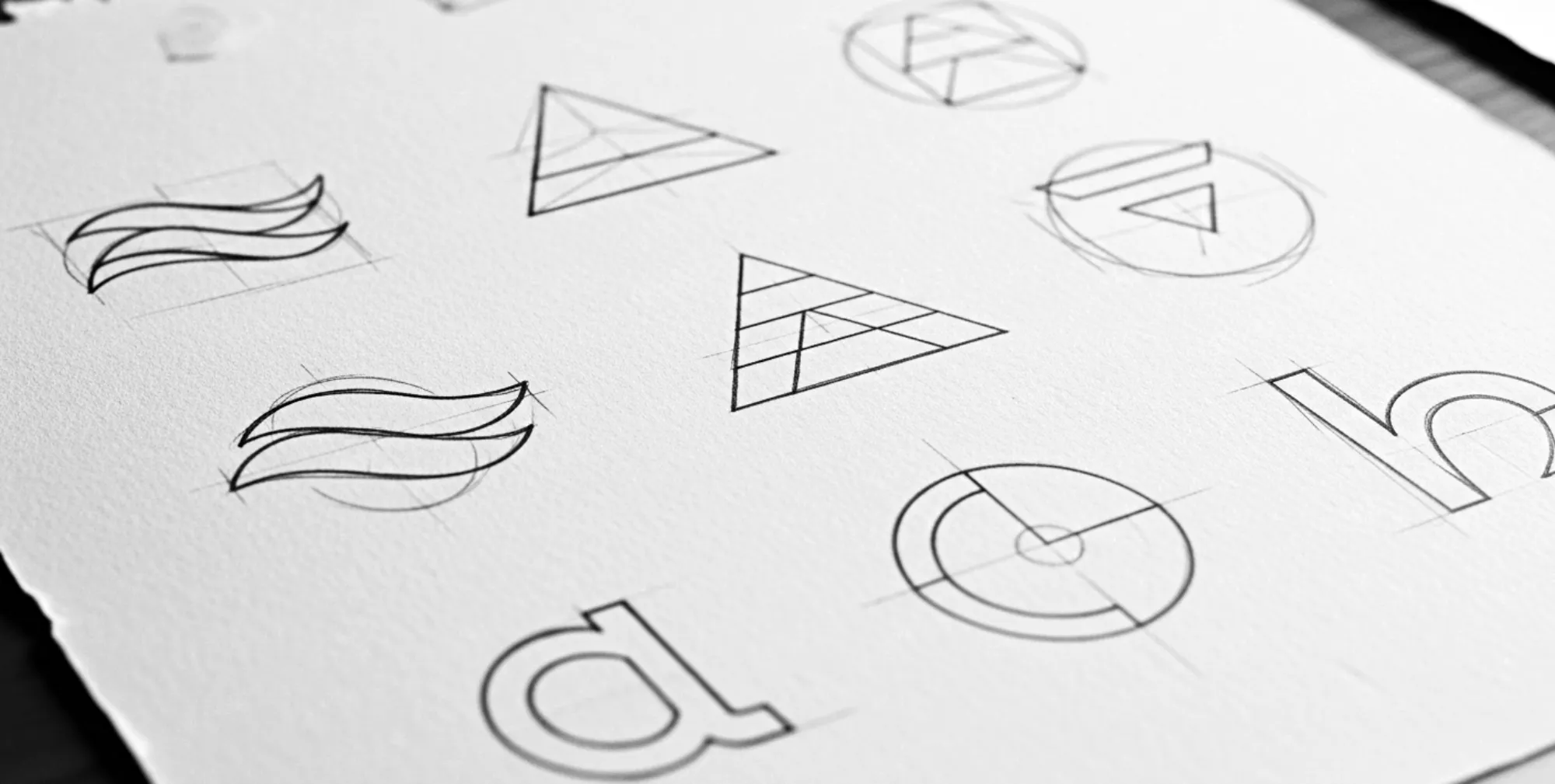
Human-Led Custom Logo Design
Bespoke, trademark-ready marks for UK law, accountancy, advisory and consulting firms.
The invoice is the smallest cost of a bad mark. The real bill arrives in three instalments:
You pay in marketing. A generic identity converts nothing on its own, so every campaign has to work harder — you’re renting the credibility your brand should own.
You pay in fees. A firm that looks like a template gets negotiated like one. Clients price what they see before they price what you do, and a £50–£500 logo quietly caps what your proposals can charge.
You pay again in two years. Every firm that buys cheap rebrands expensively later — after the mark has failed in a pitch, clashed with a merger, or turned out to be legally indefensible. The rebrand costs more than doing it properly would have, plus the equity burned in between.
A logo built with intent works the other way: it validates the fee before the meeting, carries the firm through growth it hasn’t had yet, and belongs to you outright. That’s the difference between a graphic and an asset.



The Work
Three Marks, and Why They Look Like That
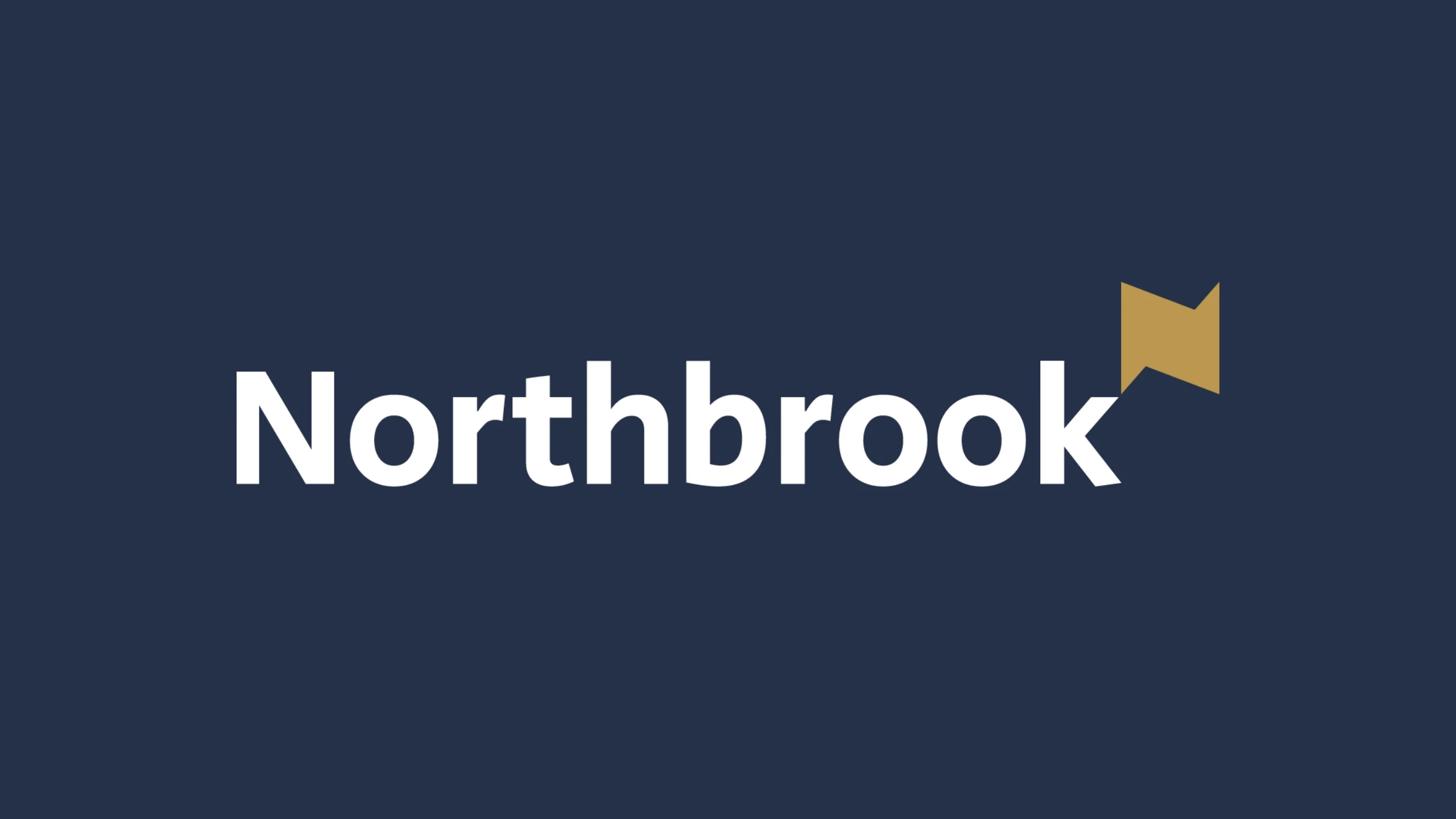
Financial Advisory
Northbrook & Co.
Three former private banking directors needed big-bank credibility without big-bank coldness. A serif-meets-humanist wordmark in deep navy and slate gold. No arrows, no graphs, no pound signs — the three things every competitor in Leeds was already using. The identity secured early-stage partnerships before the website went live.
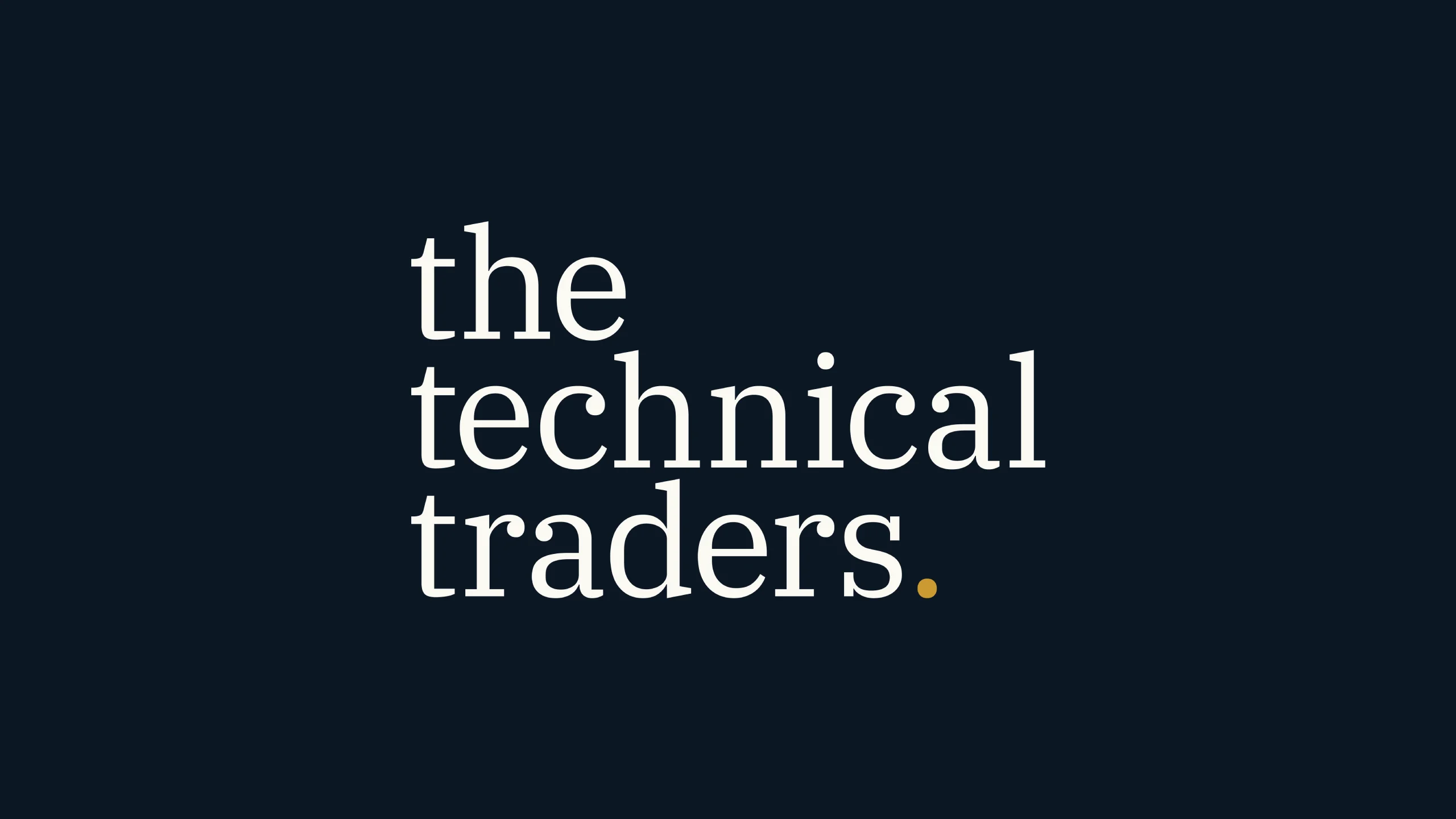
Wealth & Financial Education
The Technical Traders
A sophisticated methodology trapped in retail-trading aesthetics. We didn’t reposition the mark inside the category — we named a new one. IBM Plex Serif over Plex Sans, midnight navy and antique cream, metallic gold permitted only as a technical accent. Restraint made visible.
Eco-Friendly Startup
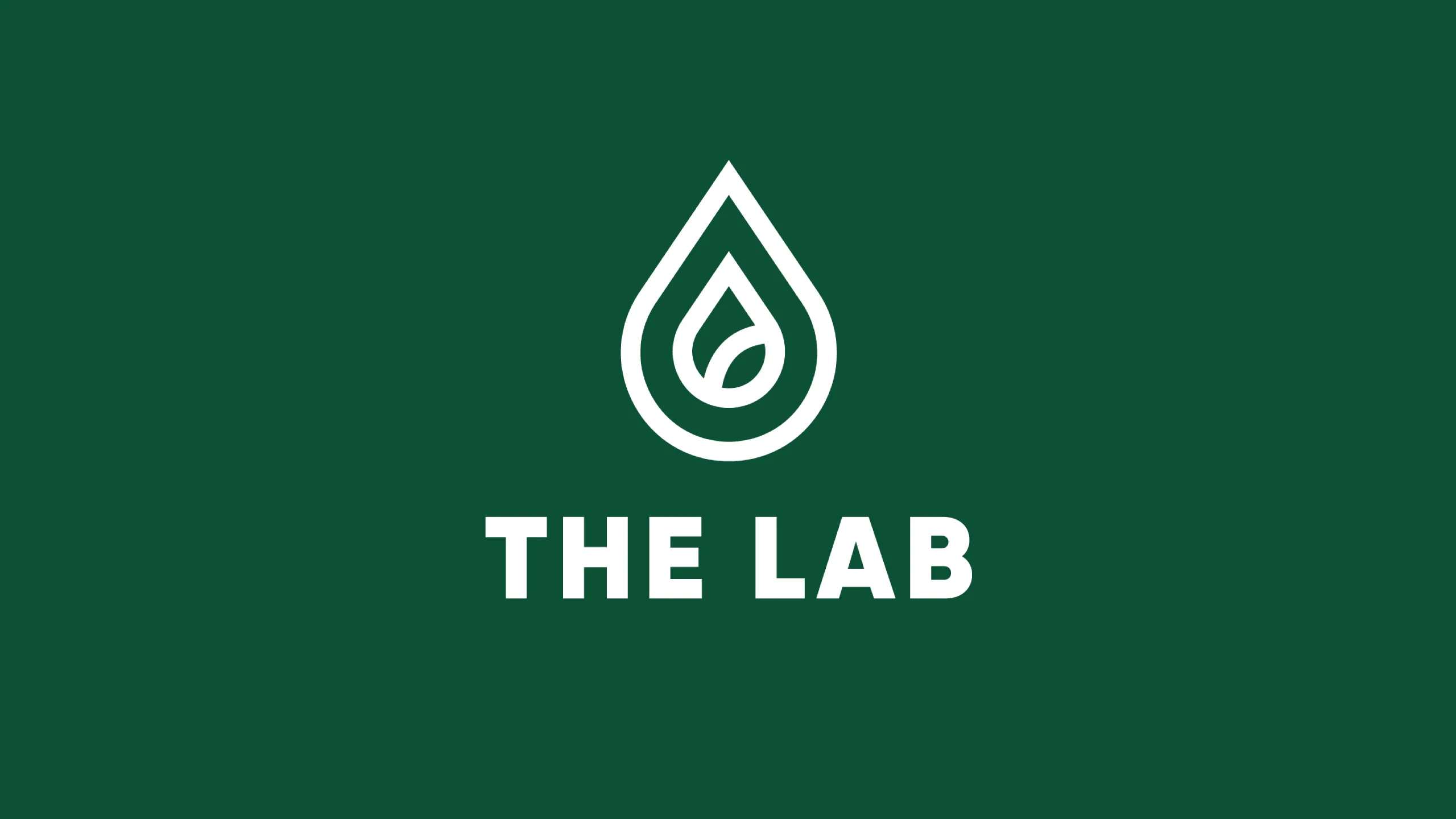
The Lab
We designed a clean, iconic waterdrop logomark that subtly incorporates a leaf shape in the negative space, instantly communicating the eco-friendly focus. The colour palette utilises a Primary Green and Tan/Gold to establish a premium, sustainable feel. For typography, we paired the approachable Recoleta typeface for headings with the modern Gilroy typeface for the logo and secondary copy.
Why Partner With Us?
What a Properly Designed Logo Actually Does
A professional mark does three things that a template or AI tool simply cannot:
Verification
It Verifies You to Machines
AI search engines recommend brands they can verify. A bespoke mark — consistent everywhere, connected to clean entity data — is part of what tells Gemini, ChatGPT and Google that your firm is a real, singular, authoritative entity rather than one of ten thousand template variations. We design the mark and the structured data behind it together.
Signal
It Signals Competence Before You Speak
First impressions in professional services are formed from surfaces: the site, the proposal, the card. A considered mark — right weight, right restraint, right for the sector — signals that the firm behind it exercises the same judgement on client work. That inference happens fast, and it happens every time.
Memorable
It Makes You Recognisable, Not Just Presentable
Most professional services logos are a race to the safe middle — the same serif, the same navy, the same interchangeable initials. Ours are built from what’s specifically true about your firm, so the mark can’t be swapped for a competitor’s without someone noticing. Distinctiveness is also what makes a trademark defensible — memorability and legal protection are the same property wearing different suits.

Areas of Expertise
What Your Logo Needs to Do Depends on Where Your Firm Is
Strategic logo design isn’t a “one-size-fits-all” creative exercise. It’s a precision tool calibrated to your specific market position. Whether you’re scaling a disruptor or protecting a legacy, we engineer the visual infrastructure to help you reach your next milestone.
“A logo is the smallest version of your firm’s business plan. If it’s flawed, the market assumes the plan is too.”
Stuart Crawford
Look Established From Day One
Breakaway partners and new practices have a credibility gap and no time to close it slowly. We design marks that let a six-month-old firm present like a sixty-year-old one — because your first pitch happens before your reputation does.
Modernise Without Losing the Equity
If the mark reads as dated, it’s quietly taxing every proposal — but a total overhaul risks the recognition you’ve spent decades earning. We refine rather than replace: the identity keeps its history and loses its liabilities.
One Mark, Two Histories
Mergers create the hardest logo problem there is: two names, two client bases, two sets of partners with feelings. We design identities that convey the combined firm’s authority without erasing what each side brought — sequenced so the transition strengthens the brand rather than confuses the market.
A System, Not a Collection
Practice groups, sub-brands and acquired boutiques accumulate logos the way lofts accumulate boxes. We design marks as systems — a parent identity with the logic to accommodate every service beneath it, so the portfolio reads as one firm.
The First Step Costs Nothing and Arrives in Writing
Inkbot Design’s free Brand Equity Audit™ is a written assessment of your current logo and identity system, including how coherently your firm reads to clients and search engines. It is delivered to your inbox within 48 hours, with no sales call.
“When searching for a professional logo design agency to reposition our brand identity, we were fortunate to discover Inkbot Design. From start to finish, their strategic approach was nothing short of exceptional.“
Their attention to detail and commitment to brand consistency were truly impressive. I highly recommend Inkbot Design to any organisation needing high-level brand strategy – their team ensures your brand is not just seen, but strategically positioned for success.

Ghazi Triki
CEO, RIADVICE
Ready to grow?
The Inkbot Method™: How a Logo Actually Gets Built
Inkbot Design logo design is delivered through the fixed-scope £7,500 Brand Equity Blueprint™, which covers the full identity system around the logo. The logo design process has six stages, from market and visual audit through rollout and IP assignment:
Market & Visual Audit
We map your sector’s visual language: what every competitor’s mark claims, and the territory nobody occupies.
Deliverable: the gap your identity will own, in writing.
Design Strategy
The creative direction, argued commercially: what the mark must signal, to whom, and why this territory is defensible against copycats.
Deliverable: the brief that makes every subsequent design decision accountable.
The Craft
Senior designers, bespoke construction, no templates and no generators. Every curve and weight is decided on purpose — because marks built from scratch are the only ones you can fully protect.
Deliverable: 2–3 fully resolved directions, not twenty variations.
Stress-Testing
The chosen mark is tested where it will actually live: 16px favicons, mobile headers, proposal covers, signage, and embroidery. If it fails small, it fails — and we find that out before you do.
Deliverable: a mark proven at every size it will ever be used.
The System
Typography, colour, lockups, spacing logic and usage rules, documented as living guidelines, your team will actually open.
Deliverable: the complete identity system with full source files — SVG, AI, EPS, and every raster format.
Rollout & Ownership
Deployment across your highest-value touchpoints, plus the paperwork: full IP assignment on completion, with the design provenance documented for trademark filing.
Deliverable: an asset you own outright and can defend.
Our Strategy
The Logo Is the Signature. The System Is the Contract.
A mark on its own is a promise with nothing behind it. Inside the Brand Equity System™, the logo arrives with its strategy, its rules, its files and its legal ownership — one engagement, one method, £7,500, priced before we start.
Where We Stand
The Numbers, and Where to Check Them
- 300+
brands built since 2009
- 4.9/5
across 87 verified Google reviews
- £110M+
measured client revenue across 21 countries
- IDA
Stuart Crawford, International Design Awards juror
Mostly Professional Services, Deliberately
Our core work is logo and identity design for firms that sell expertise — law, accountancy, financial advisory, consulting — where the mark’s job is specific: signal judgement, justify fees, survive a merger. Seventeen years in those rooms means we know the difference between distinctive and reckless in a regulated sector, a line generalists often cross.
The craft travels — 300+ brands across 21 countries, publishing houses to museums — and we take a small number of engagements outside the core each year. The audit will tell you honestly who you are.
Insight
The Ownership Problem With AI Logos
Here’s the argument nobody selling £20 logos will make to you: you may not be able to own one.
AI-generated logos may be difficult to own, register or defend because copyright protection requires human authorship, and prompt-generated marks can resemble work produced for others. Inkbot Design creates every mark by hand, from scratch, documents the process and provides full IP assignment on completion to support trademark registration.
Copyright protection requires human authorship — the US Copyright Office has repeatedly refused registration for AI-generated work, and UK law protects original works of human skill and judgement.
A mark generated by a prompt sits on uncertain legal ground: hard to register, hard to defend, and — since generators remix the same training data for every customer — statistically likely to resemble someone else’s.
For a firm whose entire value is expertise and reputation, an unknowable identity is a liability wearing a logo’s clothes.
Every mark we design is built by hand, from scratch, with the process documented — and you receive full IP assignment on completion, with the design’s provenance recorded to support trademark registration. Your solicitors will know why that matters. So do we.
What you receive, precisely:
— 100% original, human-authored mark
— engineered for trademark distinctiveness, not just aesthetics
— Master vector files (SVG, AI, EPS) plus every web and print format
— Primary and secondary lockups, colour system, custom or licensed typography
— Living brand guidelines your team will actually use
— Full intellectual property assignment, documented
Frequently Asked Questions (FAQ)
Questions to Ask a Logo Design Agency
Straight answers, in writing. Anything missing, email us — a personal reply within 24 hours.
How much does logo design cost in the UK?
UK logo design ranges from £50–£500 on marketplaces and AI generators, £500–£2,000 from a freelancer, £5,000–£15,000 from a mid-market agency for a mark with basic guidelines, and five to six figures at network agencies like Landor or Pentagram.
Inkbot Design delivers logo design as part of the Brand Equity Blueprint™ for a fixed £7,500. That covers the strategic positioning, the mark, the full identity system, the guidelines and complete IP assignment. We don’t sell logos à la carte because a logo without its system is a signature without a contract — and we publish the price so you don’t have to book a call to find out whether we’re within your budget.
How much does a law firm logo cost?
The same as any other professional services firm: £7,500 inside the Brand Equity Blueprint™, fixed and published.
Law firm marks carry requirements that consumer brands don’t — they must work on a letterhead, a court bundle, a tender document and a 16px favicon, survive a merger without erasing either firm’s history, and be distinctive enough to register as a trademark. That work is the same whether the practice has 40 or 200 partners, which is why the price doesn’t move with headcount.
What makes a good professional services logo?
Three things a template can’t deliver.
It distinguishes. Most professional services logos are a race to the safe middle — the same serif, the same navy, the same interchangeable initials. A good mark is built from what’s specifically true about the firm, so it can’t be swapped for a competitor’s without someone noticing.
It scales as a system. Practice groups, sub-brands and acquired boutiques all need to sit under one identity. A mark designed alone can’t accommodate them; a mark designed as a system can.
It’s legally defensible. Distinctiveness and trademark protection are the same property wearing different suits. A mark that’s memorable is a mark you can register and enforce.
How do we start?
With the free Brand Equity Audit™, a written assessment of your current identity is delivered within 48 hours of a five-question brief. No sales call, no workshop, no obligation.
The audit tells you what you have: the current mark, the system around it or its absence, and how coherently your firm reads to clients and to search engines. If it’s useful, the Blueprint is the natural next step. If it isn’t, the document is yours to act on however you like.
Why hire an agency when AI logo generators are free?
Because you may not be able to own what they make.
Copyright protection requires human authorship. The US Copyright Office has repeatedly refused registration for AI-generated work, and UK law protects original works of human skill and judgement. A mark produced by a prompt sits on uncertain legal ground: hard to register, hard to defend, and — since generators remix the same training data for every customer — statistically likely to resemble someone else’s.
For a firm whose entire value is expertise and reputation, an unownable identity is a liability wearing a logo’s clothes. Free is the right price for an asset you can’t protect.
Will I own the full copyright to my logo?
Yes, outright. Upon final payment, you receive a full intellectual property assignment for the complete identity system, with the design’s provenance documented to support a trademark application.
Every mark we design is built by hand, from scratch, with the process documented — which is precisely what makes the assignment meaningful. You can’t assign rights in something nobody authored.
How many concepts will we see?
Two or three fully resolved directions, each a complete answer to the brief.
Not twenty variations. Volume is how marketplaces disguise the absence of a good idea, and it shifts the strategic decision onto the client, who is then choosing based on taste rather than argument. Each direction we present comes with the commercial reasoning for why that territory is defensible.
How long does the logo design process take?
Four to six weeks for the Brand Equity Blueprint™, from brief to full identity system.
That covers six stages: market and visual audit, design strategy, the craft, stress-testing at every size at which the mark will be used, the system and guidelines, and then rollout and IP assignment. Complex multi-office or post-merger programmes run longer, and we’ll tell you by how much before you commit.
What deliverables do we receive?
A complete identity system, not a picture.
Master vector files (SVG, AI, EPS) for infinite scaling, plus every web and print raster format. Primary and secondary lockups for different contexts. A defined colour system with print and screen values. Custom or licensed typography. Living brand guidelines your team will actually open. And a fully documented intellectual property assignment.
Do you offer logo refreshes rather than full redesigns?
Frequently, and often it’s the right call.
If a firm has real equity in an existing mark but the identity has drifted — inconsistent application, a message that no longer matches the practice, collateral built by five different people — a total overhaul risks recognition you’ve spent decades earning. We run an Identity Gap Analysis first to establish what’s worth keeping, then refine rather than replace. Destroying twenty years of recognition to satisfy a designer’s preference is not a strategy.
Do you design logos for firms outside the professional services sector?
A small number each year.
Our core work is law, accountancy, financial advisory and consulting, where the mark’s job is specific: signal judgement, justify fees, survive a merger. Seventeen years in those rooms means we know the difference between distinctive and reckless in a regulated sector — a line generalists often cross.
The craft travels. We’ve built 300+ brands across 21 countries, from publishing houses to museums. The audit will tell you honestly whether we’re the right fit.
Can a logo be trademarked, and do you design with that in mind?
Yes, and yes — they’re the same problem.
A trademark must be distinctive to be registrable and enforceable, which is the same quality that makes a mark memorable. We design for distinctiveness from the first sketch rather than checking for it afterwards, and we document the design process so the provenance supports your application.
We’re not trademark attorneys, and we don’t file on your behalf — but we build the mark and the paper trail so your solicitors have something to work with.