Font Pairing for Beginners: The 20 Best Font Combinations
Have you ever stared at a blank canvas, cursor blinking, wondering why your design looks… off?
I’ve been there—more times than I care to admit.
The culprit? Poor font pairing.
It’s the silent killer of good design. The difference between “meh” and “wow, that’s amazing!”
But most designers overcomplicate font pairing.
They agonise over minute details, paralysed by the endless possibilities.
The truth is, making perfect font pairing isn’t rocket science.
It’s about understanding fundamental principles and having a toolbox of go-to combinations.
That’s precisely what I’m going to give you today.
By the end of this post, you’ll have:
- 20+ killer font combinations you can use right now
- The psychology behind why specific fonts work together (and why others crash and burn)
- Practical tips to create your winning pairings
Let’s dive in.
- Mastering font pairing can significantly enhance your designs, transforming them from mediocre to stunning.
- Understanding font psychology is key; it helps establish mood, hierarchy, and brand identity in your designs.
- Utilise a toolbox of combinations and principles to simplify the font pairing process.
- Contrast is crucial; it creates visual interest while maintaining readability and harmony.
- Experiment with real-world applications of fonts to discover what works best for your design needs.
Why Font Pairing Matters
Think of fonts as the voice of your design.
They set the tone, create hierarchy, and guide the reader’s eye.
Good font pairing:
- Enhances readability
- Creates visual interest
- Establishes brand identity
- Conveys the right mood and message
Bad font pairing:
- Confuses readers
- Looks unprofessional
- Distracts from your content
- Can drive people away from your website or product
Don’t believe me?
A 2023 study by the Nielsen Norman Group found that poor typography can reduce reading comprehension by up to 32%. A third of your message is potentially lost because of lousy font choices.
The Psychology of Font Pairing
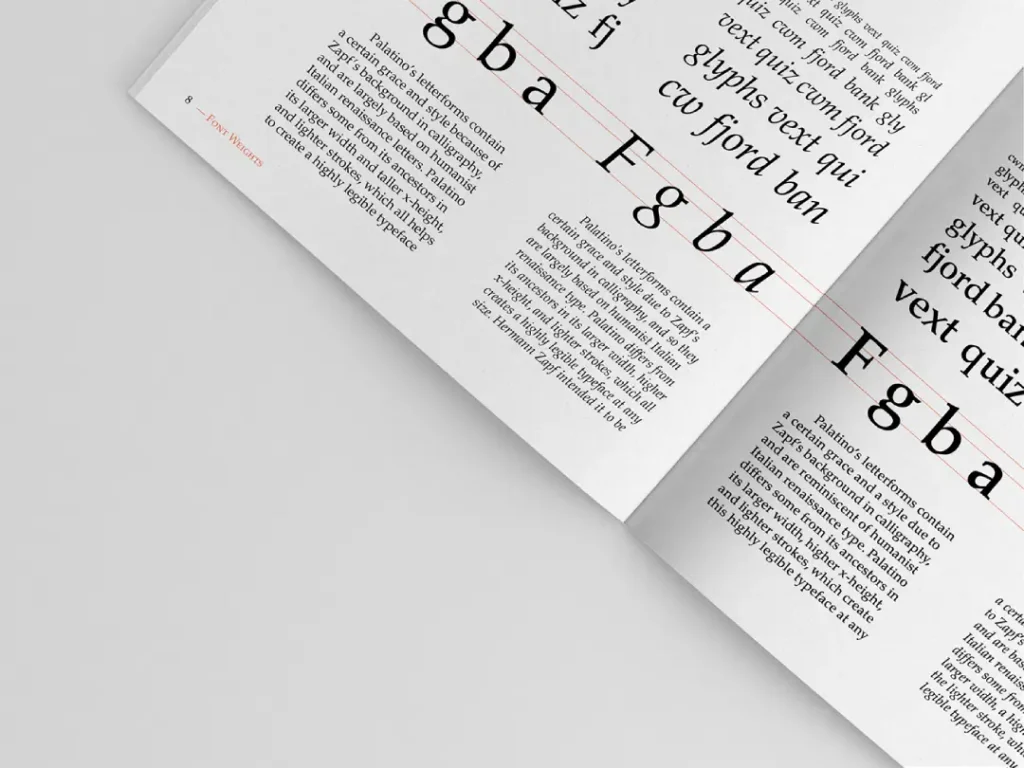
Before we get to the good stuff, let’s talk psychology.
Why? Understanding the “why” behind effective font pairing will make you a better designer. Period.
Here’s the deal:
Fonts are like people. Each has its own personality, vibe, and emotional impact.
When you pair fonts, you’re creating a relationship between these personalities.
Get it right, and you create harmony. Get it wrong, and it’s like nails on a chalkboard.
Consider these factors:
- Contrast
- Hierarchy
- Mood
- Historical context
- Brand personality
Let’s break them down:
1. Contrast
Contrast is king in design. It creates visual interest and guides the eye.
In font pairing, contrast can come from:
- Size
- Weight
- Style (serif vs. sans-serif)
- Texture
The key? Balance.
Too much contrast = chaos. Too little = boring.
2. Hierarchy
Effective typography tells the reader what’s important.
Your font pairing should establish a clear hierarchy:
- Headlines
- Subheadings
- Body text
Each should have its place in the pecking order.
3. Mood
Fonts evoke emotions.
Serif fonts often feel traditional, authoritative, and elegant.
Sans-serif? Modern, clean, and approachable.
Script fonts? Personal, creative, fancy.
Your font pairing should create a consistent mood that aligns with your message.
4. Historical Context
Fonts have a history.
Are you pairing a medieval black letter font with a sleek, modern sans-serif? It might work for a heavy metal band. Not so much for a tech startup.
Consider the historical and cultural associations of your fonts.
5. Brand Personality
Your font choices speak volumes about your brand.
Playful and quirky? Professional and serious? Cutting-edge and innovative?
Your font pairing should reflect and reinforce your brand’s personality.
20+ Killer Font Combinations
I’ve curated these pairings based on personal experience, design trends, and timeless principles.
Each combination comes with:
- A primary font (for headlines)
- A secondary font (for body text)
- Suggested use cases
Let’s go:
1. Playfair Display + Source Sans Pro
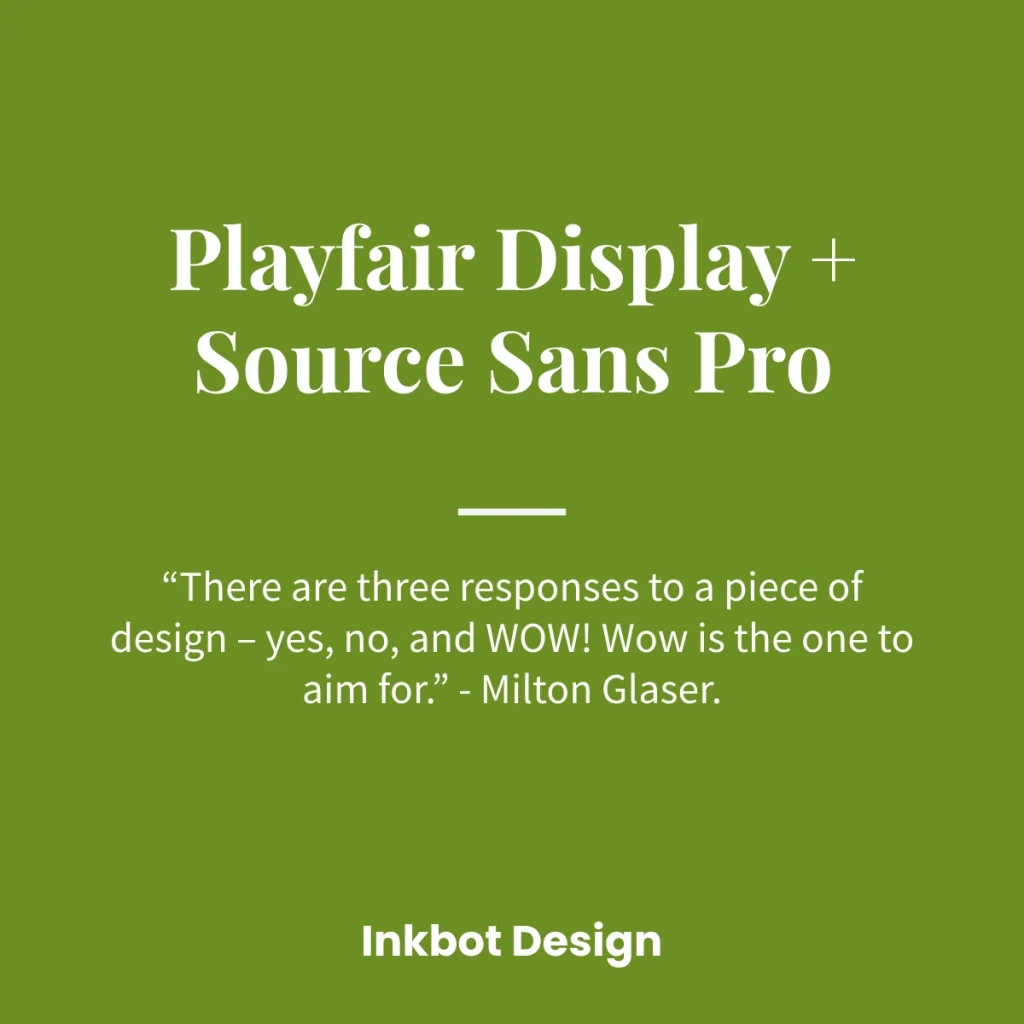
Primary: Playfair Display (Serif) Secondary: Source Sans Pro (Sans-serif)
Use case: Perfect for editorial designs, fashion blogs, or luxury brands.
Why it works:
- Playfair’s elegant serifs contrast beautifully with Source Sans Pro’s clean lines.
- The combination exudes sophistication while maintaining readability.
2. Montserrat + Merriweather
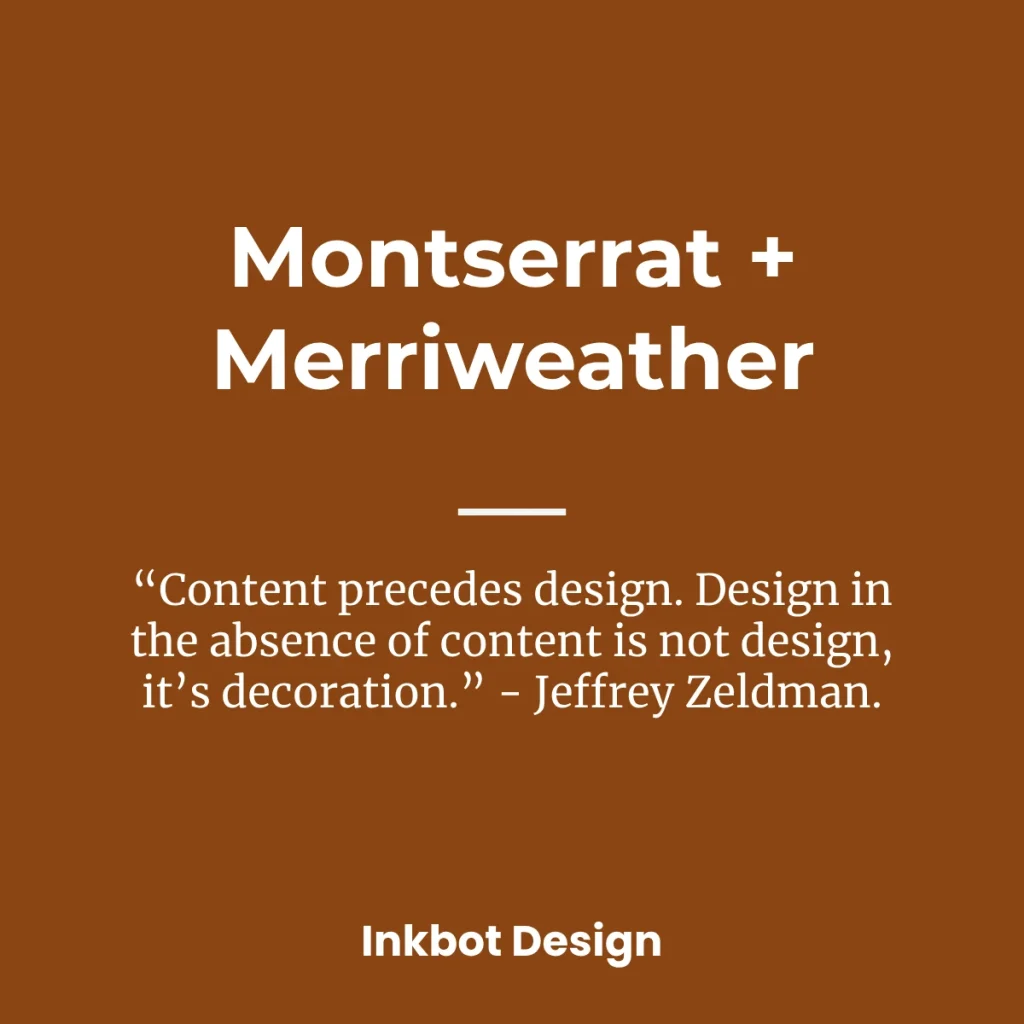
Primary: Montserrat (Sans-serif) Secondary: Merriweather (Serif)
Use case: Ideal for corporate websites, academic publications, or professional portfolios.
Why it works:
- Montserrat’s geometric sans-serif pairs well with Merriweather’s traditional serif.
- Creates a professional, trustworthy vibe.
3. Roboto + Lora
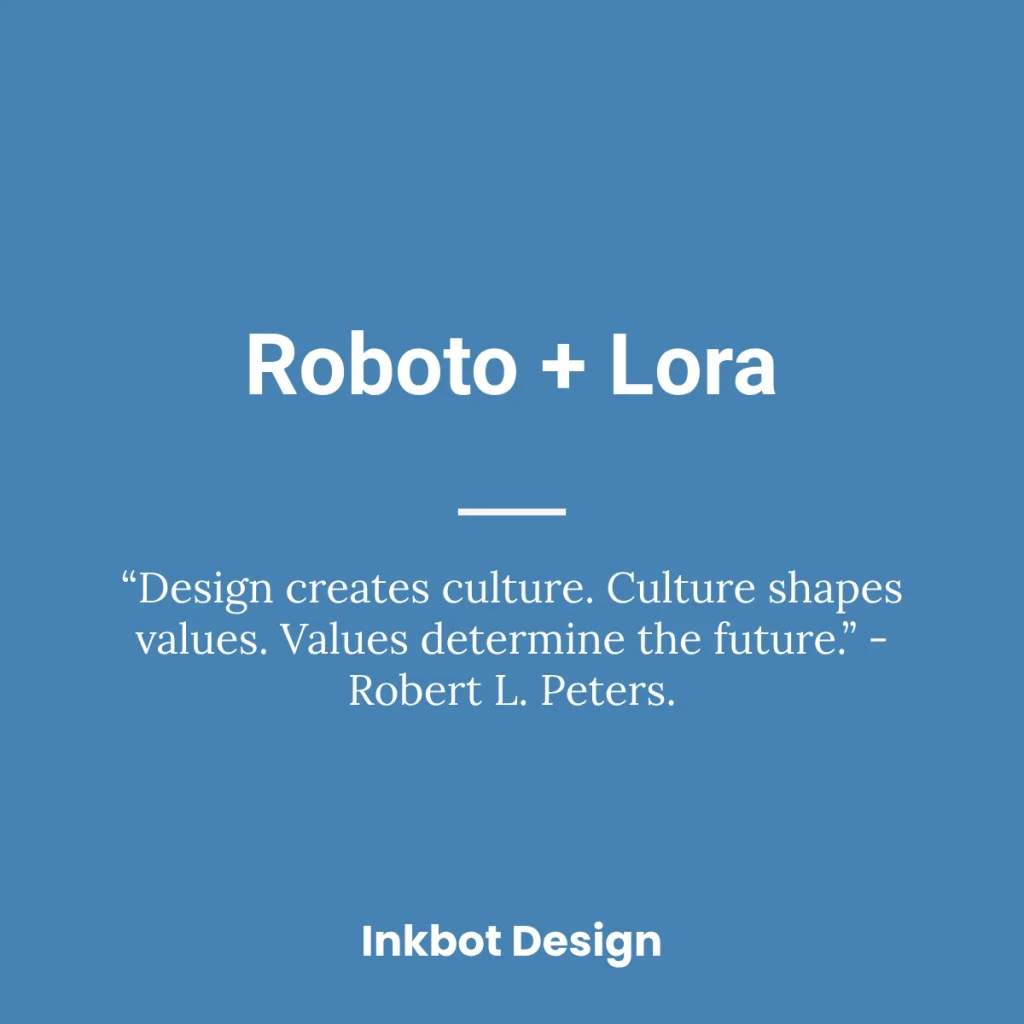
Primary: Roboto (Sans-serif) Secondary: Lora (Serif)
Use case: Great for tech blogs, modern magazines, or startup websites.
Why it works:
- Roboto’s clean, neutral design complements Lora’s slightly more characterful serif.
- Balances modernity with a touch of classic style.
4. Oswald + Open Sans
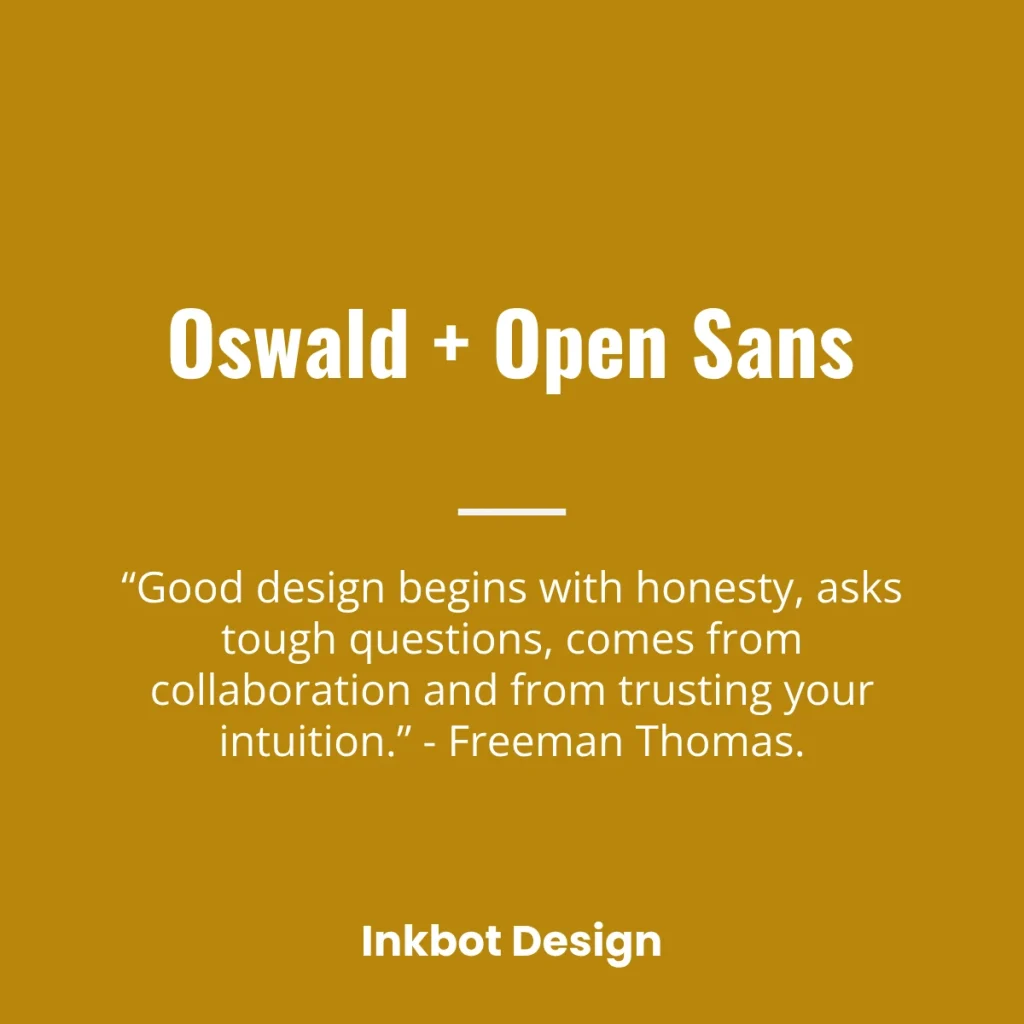
Primary: Oswald (Sans-serif) Secondary: Open Sans (Sans-serif)
Use case: Perfect for bold, impactful designs like event posters or sports websites.
Why it works:
- Oswald’s condensed, bold style creates strong headlines.
- Open Sans provides excellent readability for body text.
5. Abril Fatface + Poppins
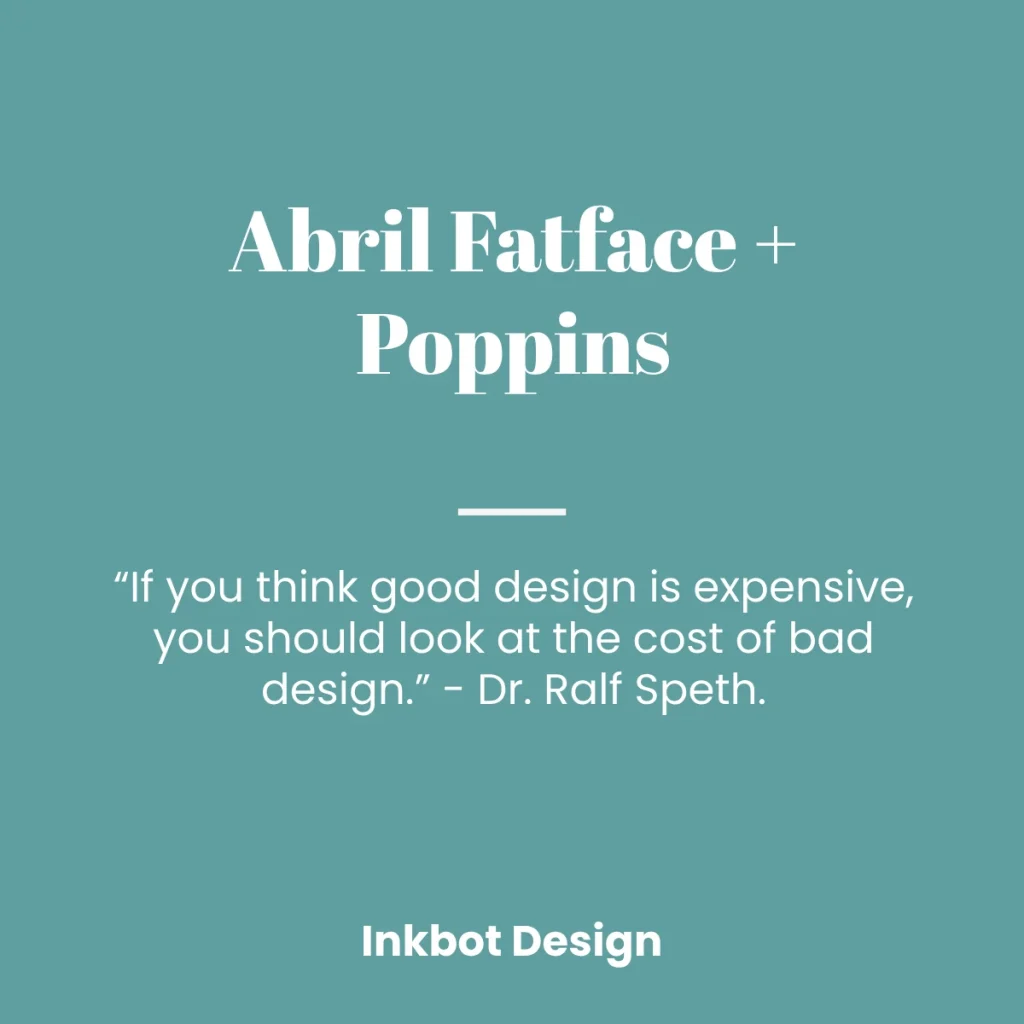
Primary: Abril Fatface (Display) Secondary: Poppins (Sans-serif)
Use case: Excellent for creative agencies, fashion brands, or lifestyle blogs.
Why it works:
- Abril Fatface’s dramatic contrast and curves create eye-catching headlines.
- Poppins’ geometric sans-serif balances with clean, modern body text.
6. Raleway + Lato
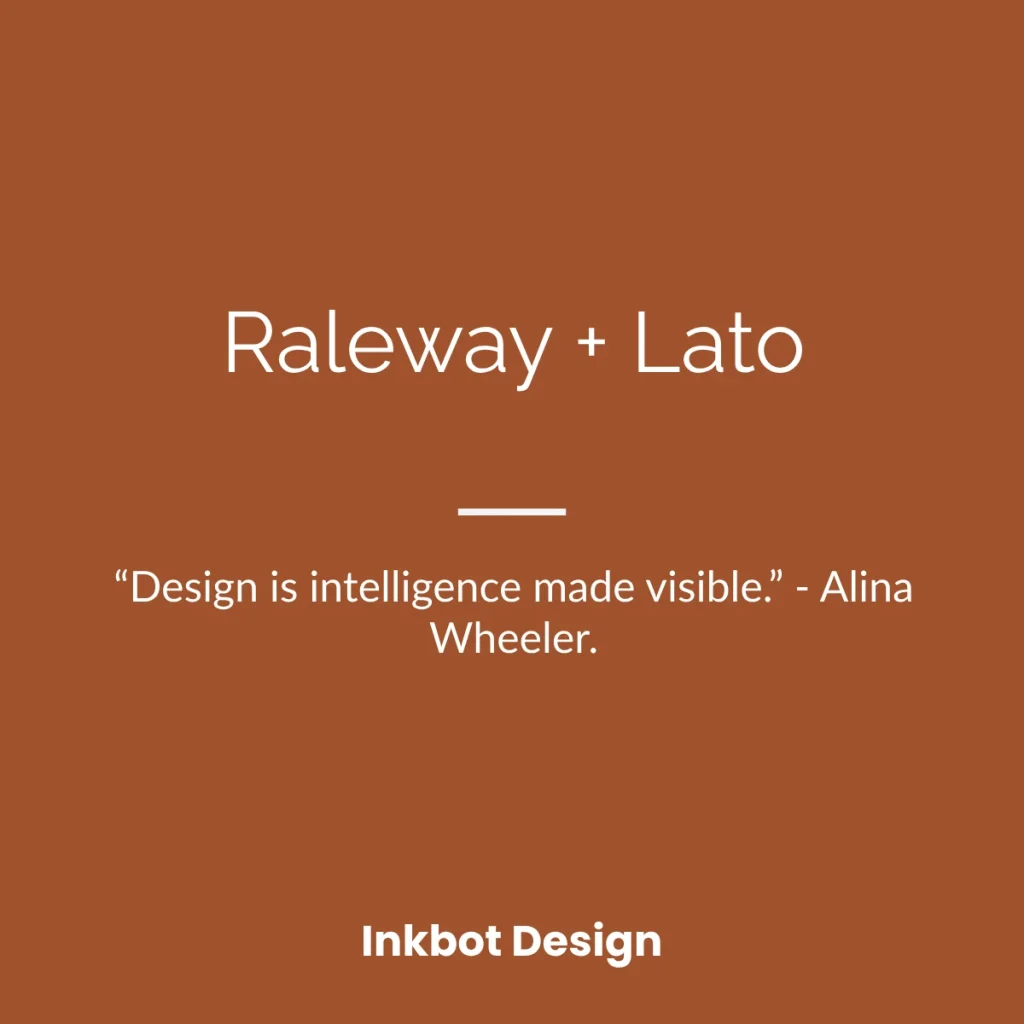
Primary: Raleway (Sans-serif) Secondary: Lato (Sans-serif)
Use case: Versatile pairing suitable for minimalist designs, tech startups, or modern e-commerce sites.
Why it works:
- Both are sans-serif, but Raleway’s unique ‘W’ and varying weights add interest.
- Lato’s rounded details complement Raleway’s geometric design.
7. Crimson Text + Work Sans
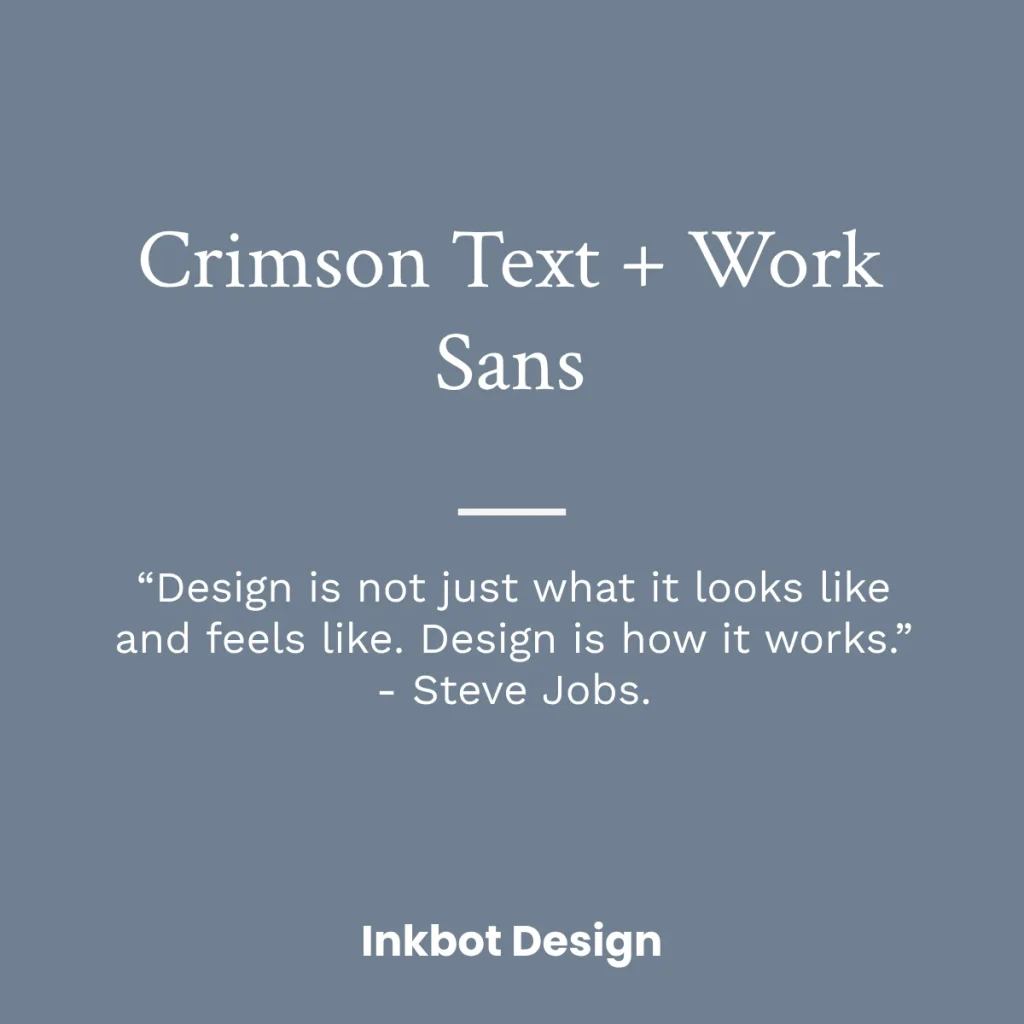
Primary: Crimson Text (Serif) Secondary: Work Sans (Sans-serif)
Use case: Great for literary websites, book covers, or traditional brand identities.
Why it works:
- Crimson Text’s old-style serif brings a classic, literary feel.
- Work Sans provides a modern, clean contrast for body text.
8. Bebas Neue + Roboto Slab
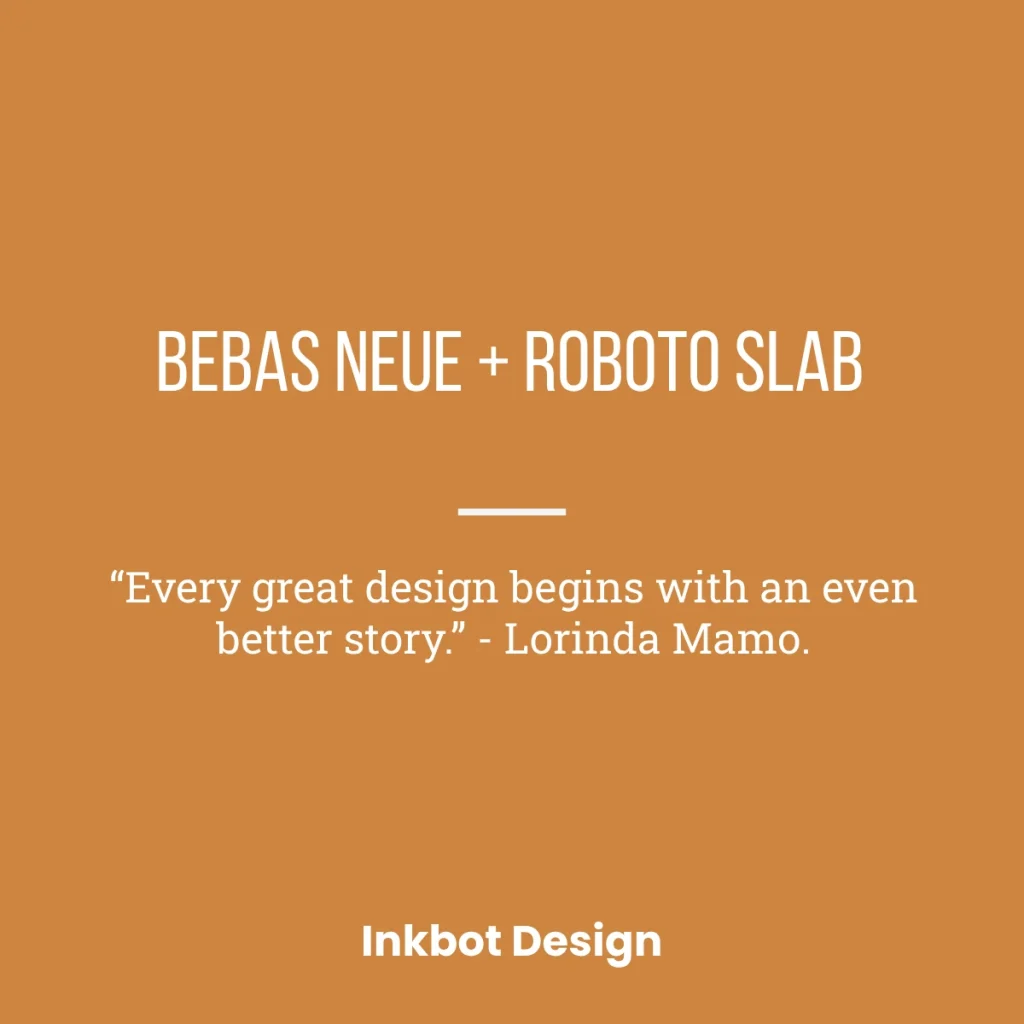
Primary: Bebas Neue (Sans-serif) Secondary: Roboto Slab (Slab Serif)
Use case: Perfect for bold, industrial designs, movie posters, or tech product marketing.
Why it works:
- Bebas Neue’s all-caps style creates impactful headlines.
- Roboto Slab adds a touch of ruggedness while maintaining readability.
9. Libre Baskerville + Source Sans Pro
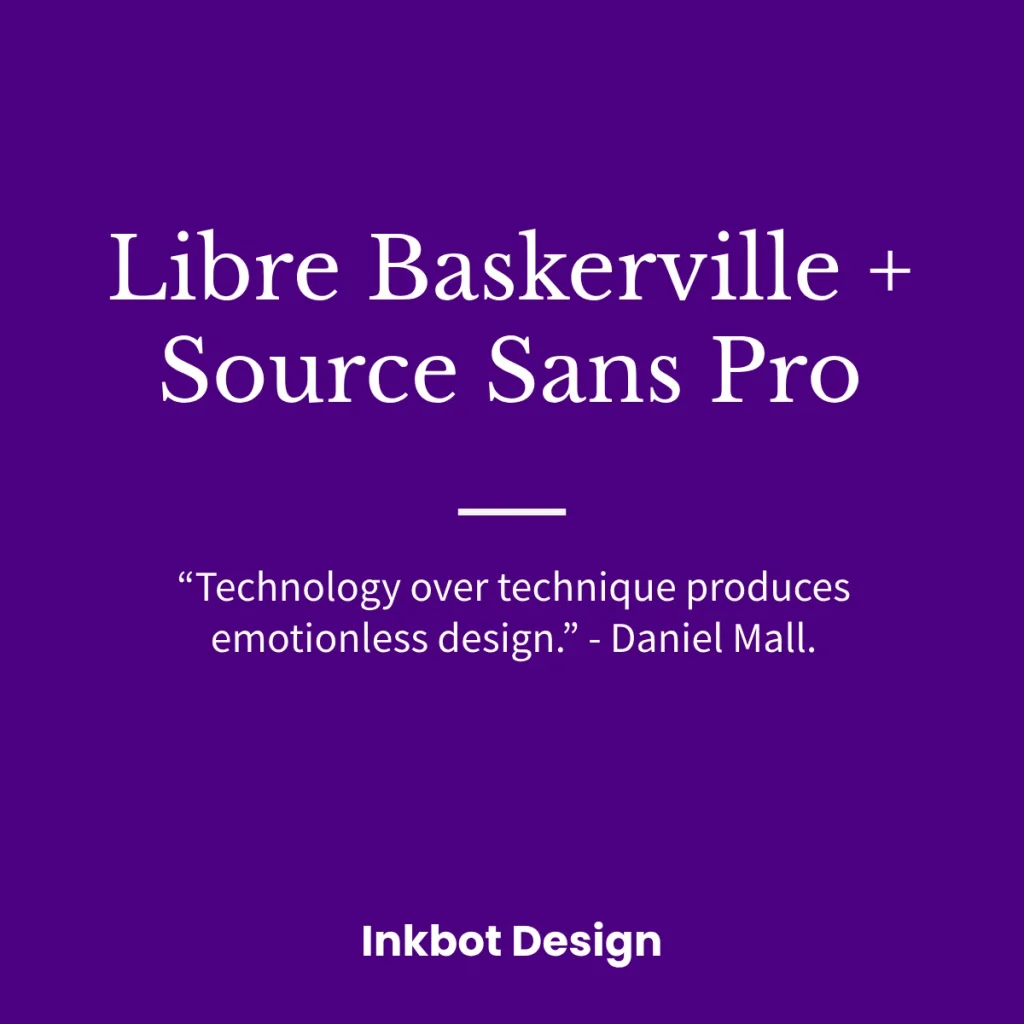
Primary: Libre Baskerville (Serif) Secondary: Source Sans Pro (Sans-serif)
Use case: Excellent for news websites, academic journals, or traditional brand identities.
Why it works:
- Libre Baskerville brings a classic, authoritative feel.
- Source Sans Pro balances with clean, modern body text.
10. Proxima Nova + Merriweather
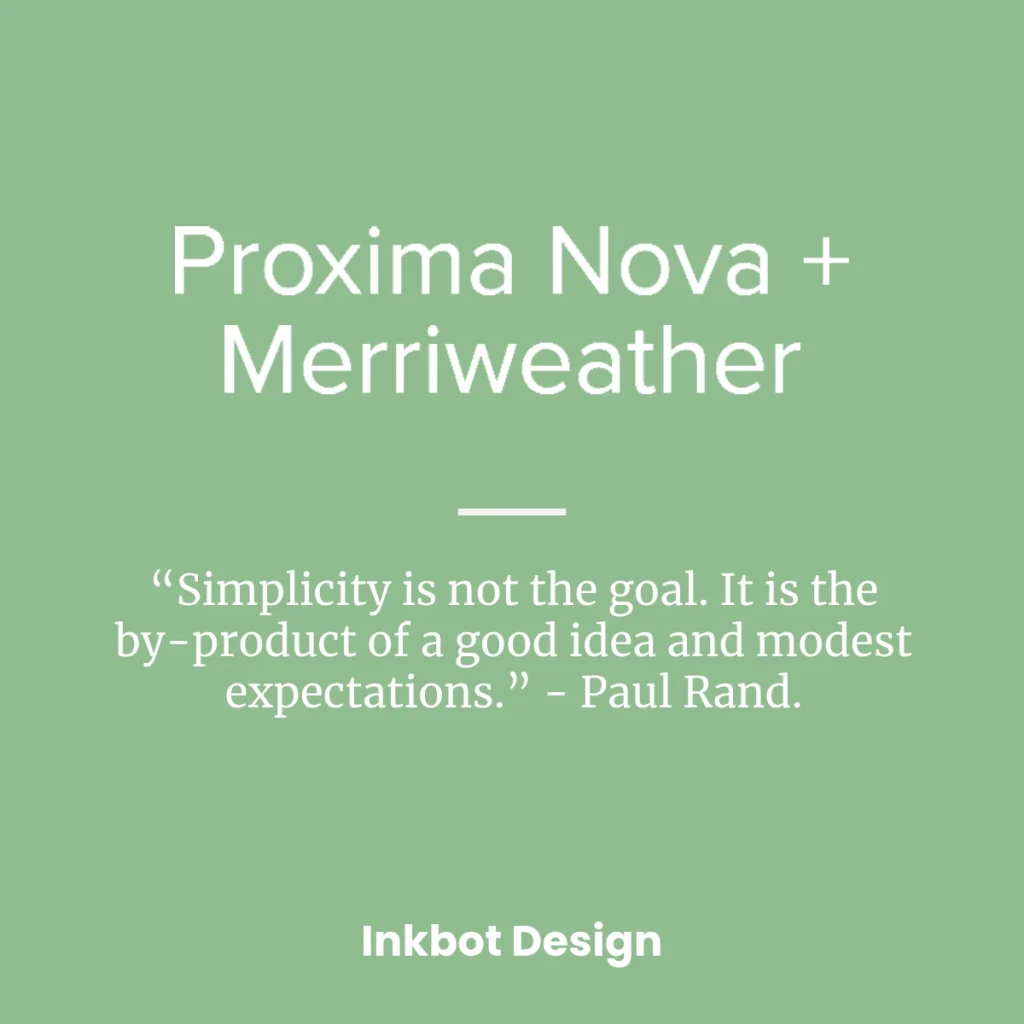
Primary: Proxima Nova (Sans-serif) Secondary: Merriweather (Serif)
Use case: Great for modern business websites, professional blogs, or digital magazines.
Why it works:
- Proxima Nova’s geometric sans-serif creates clean, professional headlines.
- Merriweather adds a touch of traditional elegance to the body text.
11. Futura + Garamond
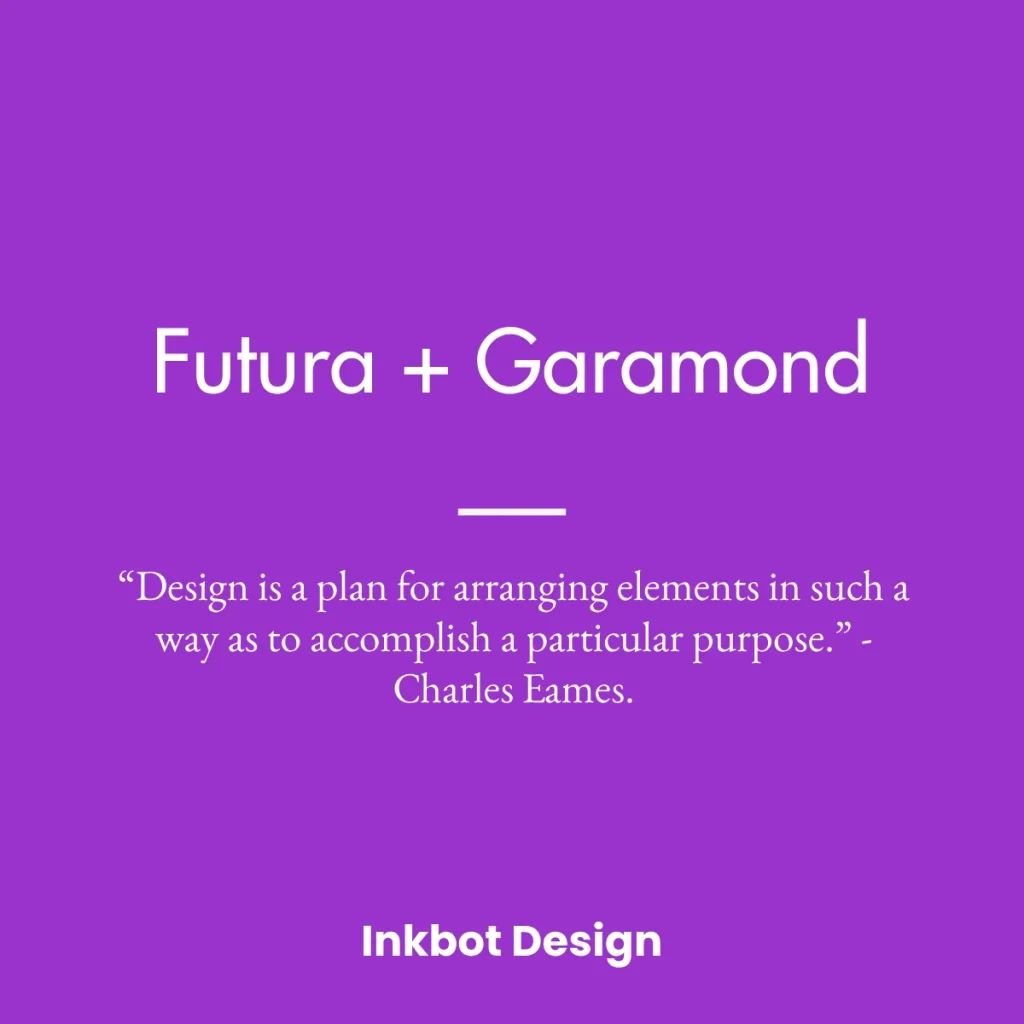
Primary: Futura (Sans-serif) Secondary: Garamond (Serif)
Use case: Perfect for luxury brands, high-end restaurants, or art galleries.
Why it works:
- Futura’s geometric perfection creates striking headlines.
- Garamond’s classic serif adds sophistication and readability.
12. Archivo Black + Roboto
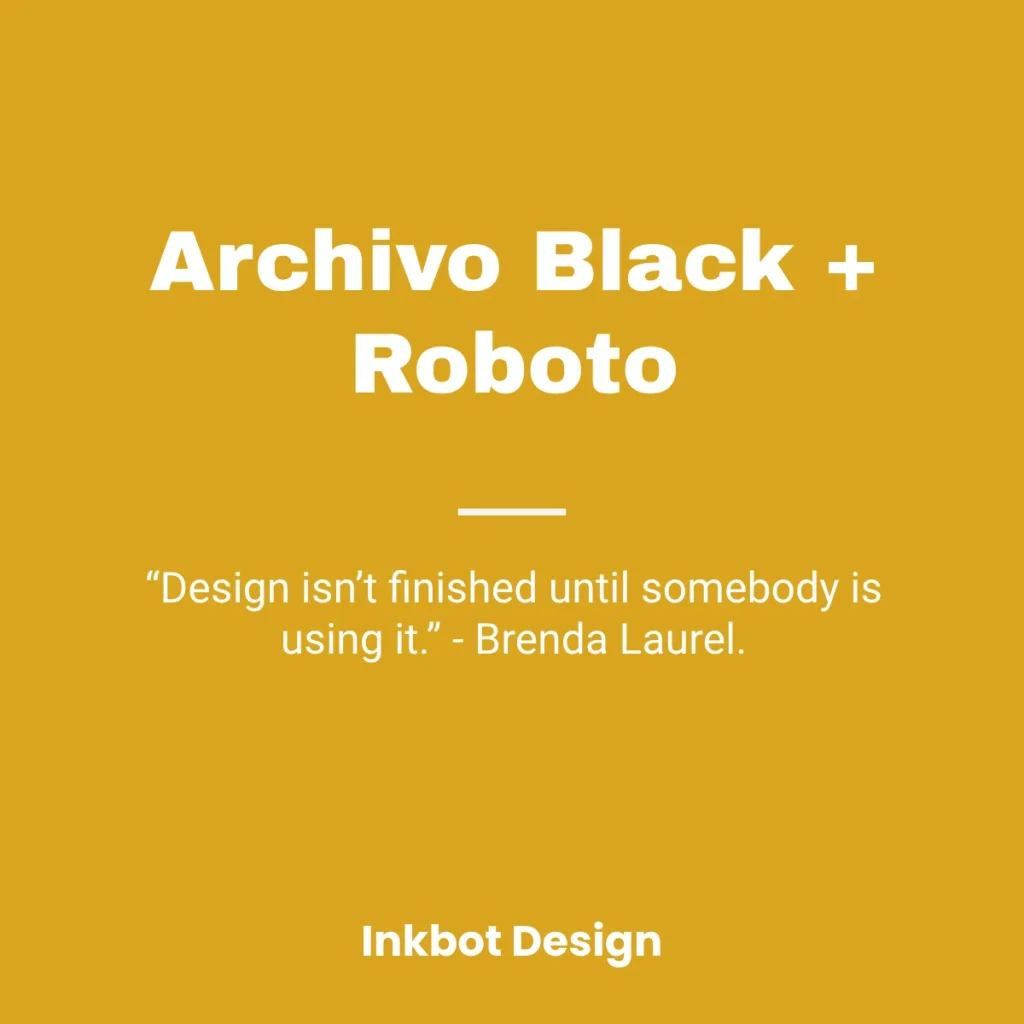
Primary: Archivo Black (Sans-serif) Secondary: Roboto (Sans-serif)
Use case: Ideal for sports brands, energy drinks, or bold marketing campaigns.
Why it works:
- Archivo Black’s heavyweight creates impactful, attention-grabbing headlines.
- Roboto provides a neutral, highly readable body text.
13. Playfair Display + Lato
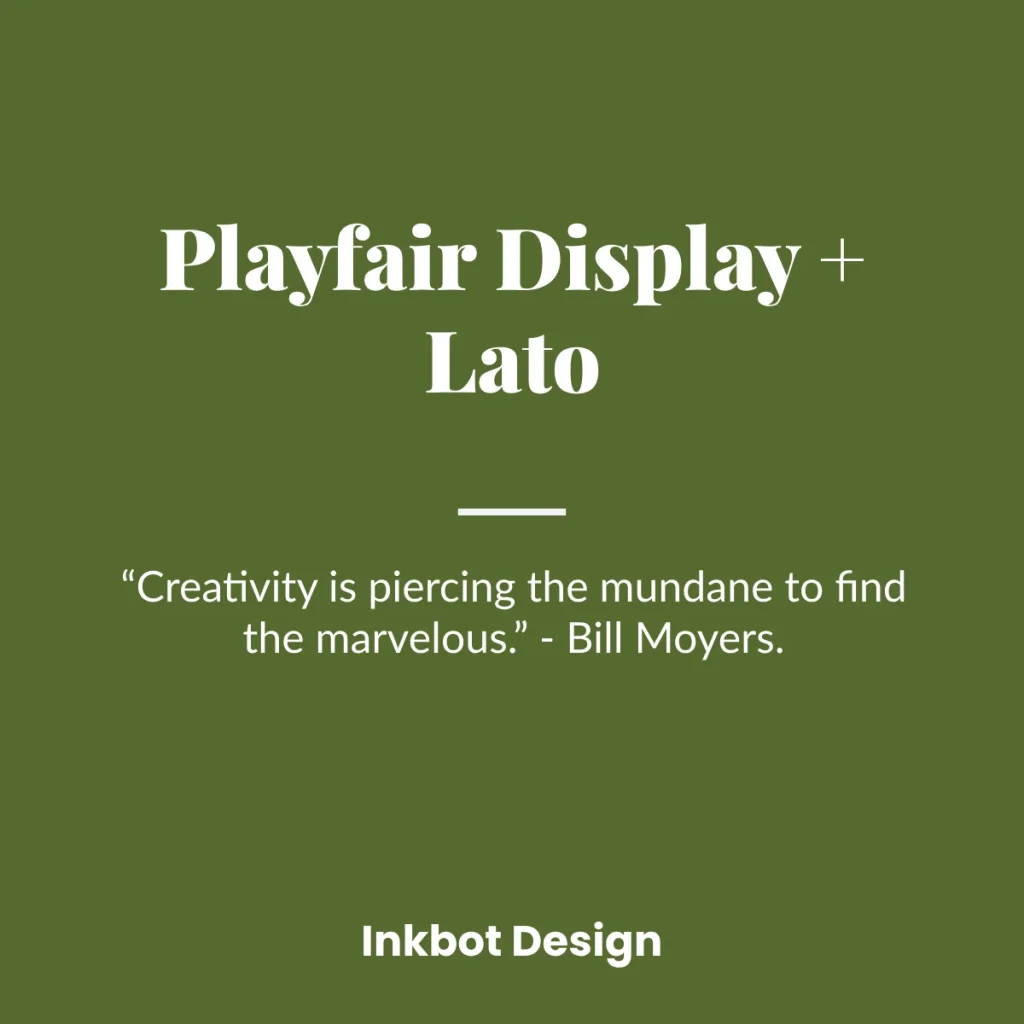
Primary: Playfair Display (Serif) Secondary: Lato (Sans-serif)
Use case: Excellent for fashion blogs, wedding invitations, or upscale restaurants.
Why it works:
- Playfair Display’s elegant serifs create sophisticated headlines.
- Lato’s clean lines and subtle rounded corners complement without competing.
14. Helvetica Neue + Georgia
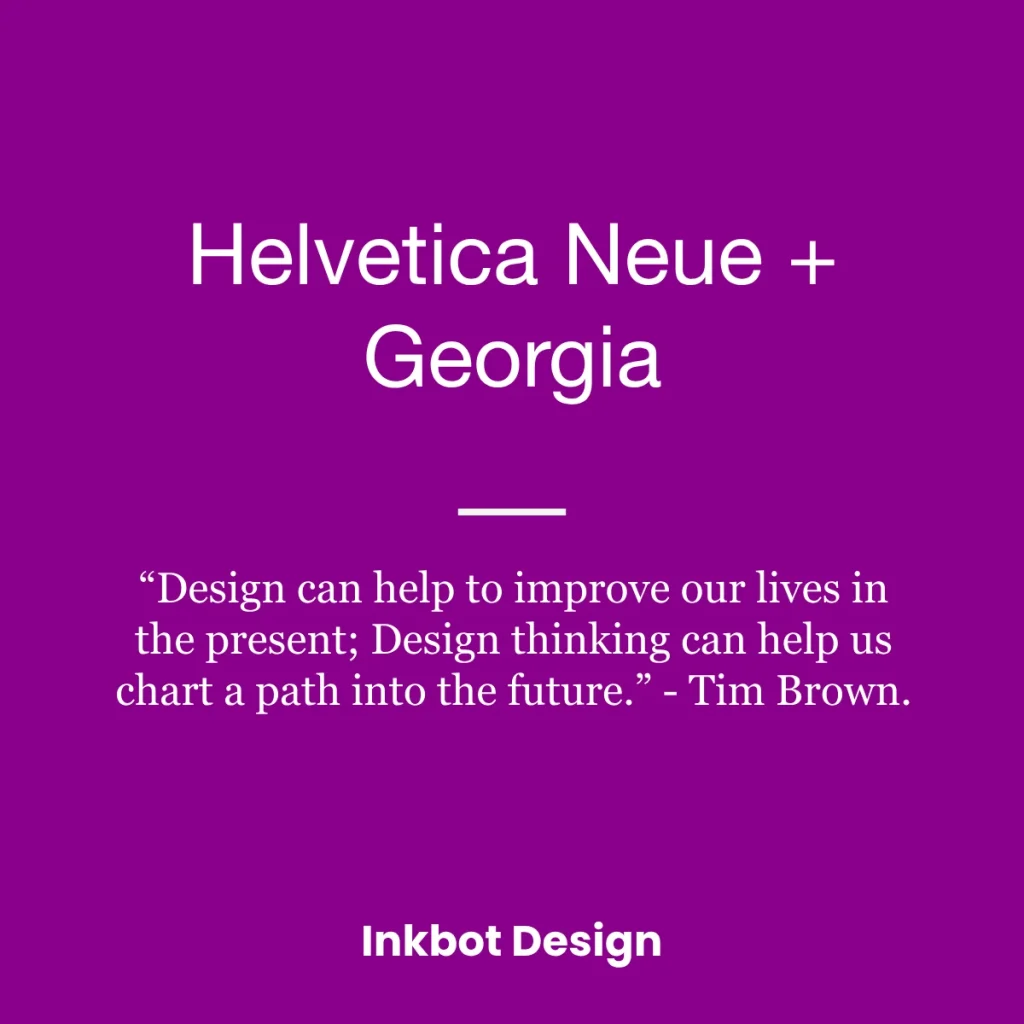
Primary: Helvetica Neue (Sans-serif) Secondary: Georgia (Serif)
Use case: Great for corporate reports, financial websites, or professional services.
Why it works:
- Helvetica Neue’s timeless sans-serif design exudes professionalism.
- Georgia adds a touch of traditional authority to the body text.
15. Josefin Sans + Aleo
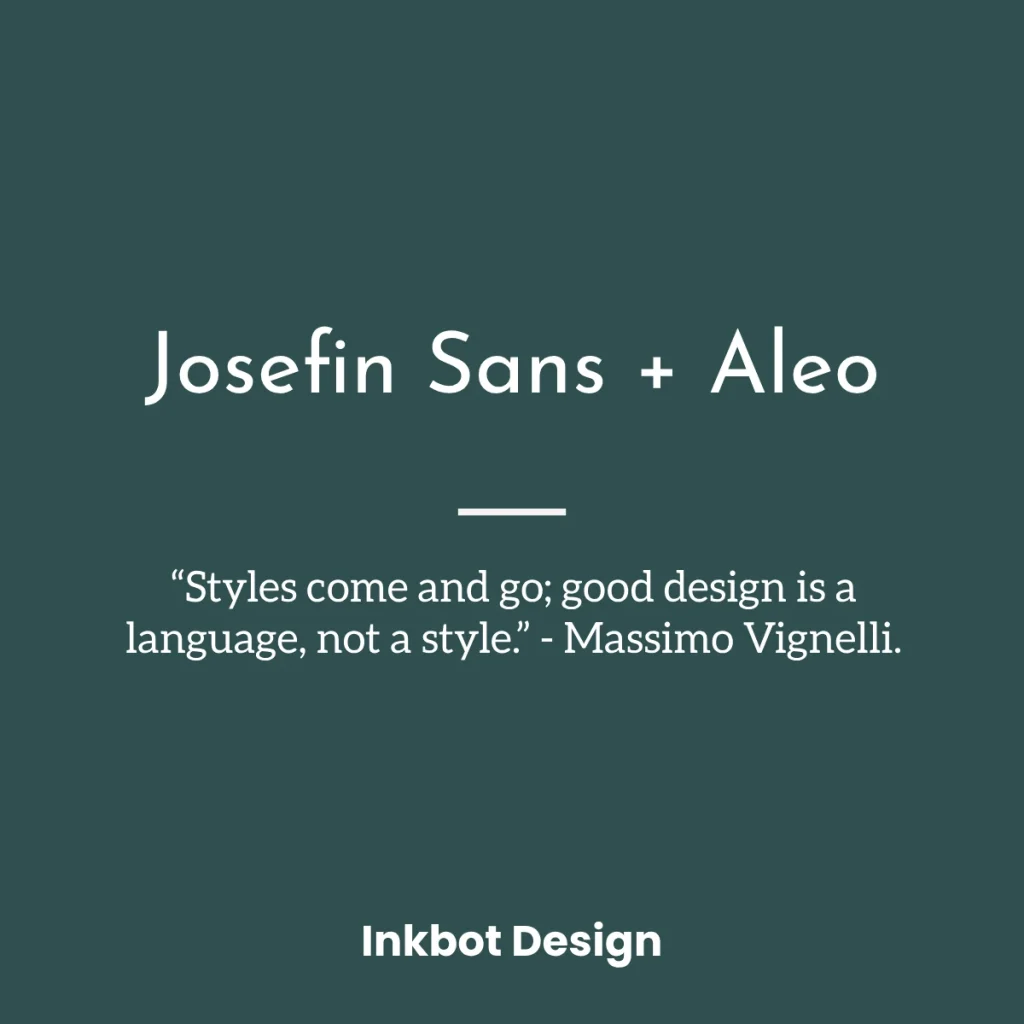
Primary: Josefin Sans (Sans-serif) Secondary: Aleo (Slab Serif)
Use case: Perfect for creative portfolios, boutique brands, or lifestyle blogs.
Why it works:
- Josefin Sans’s unique geometric design creates distinctive headlines.
- Aleo’s slab serif adds a modern, slightly rustic feel to the body text.
16. Nunito + PT Serif
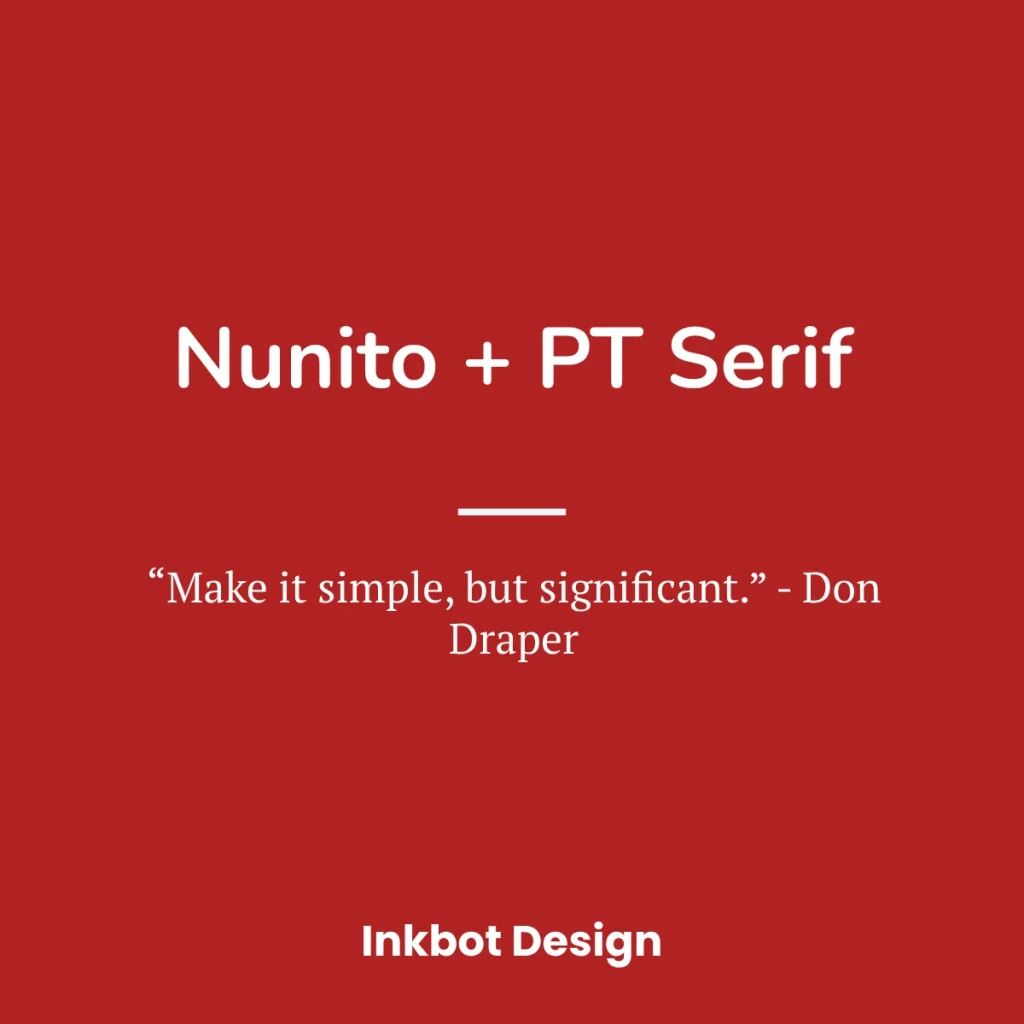
Primary: Nunito (Sans-serif) Secondary: PT Serif (Serif)
Use case: Ideal for educational websites, children’s books, or friendly brand identities.
Why it works:
- Nunito’s rounded sans-serif creates a friendly, approachable feel.
- PT Serif adds a touch of traditional readability to longer text.
17. Exo + Merriweather
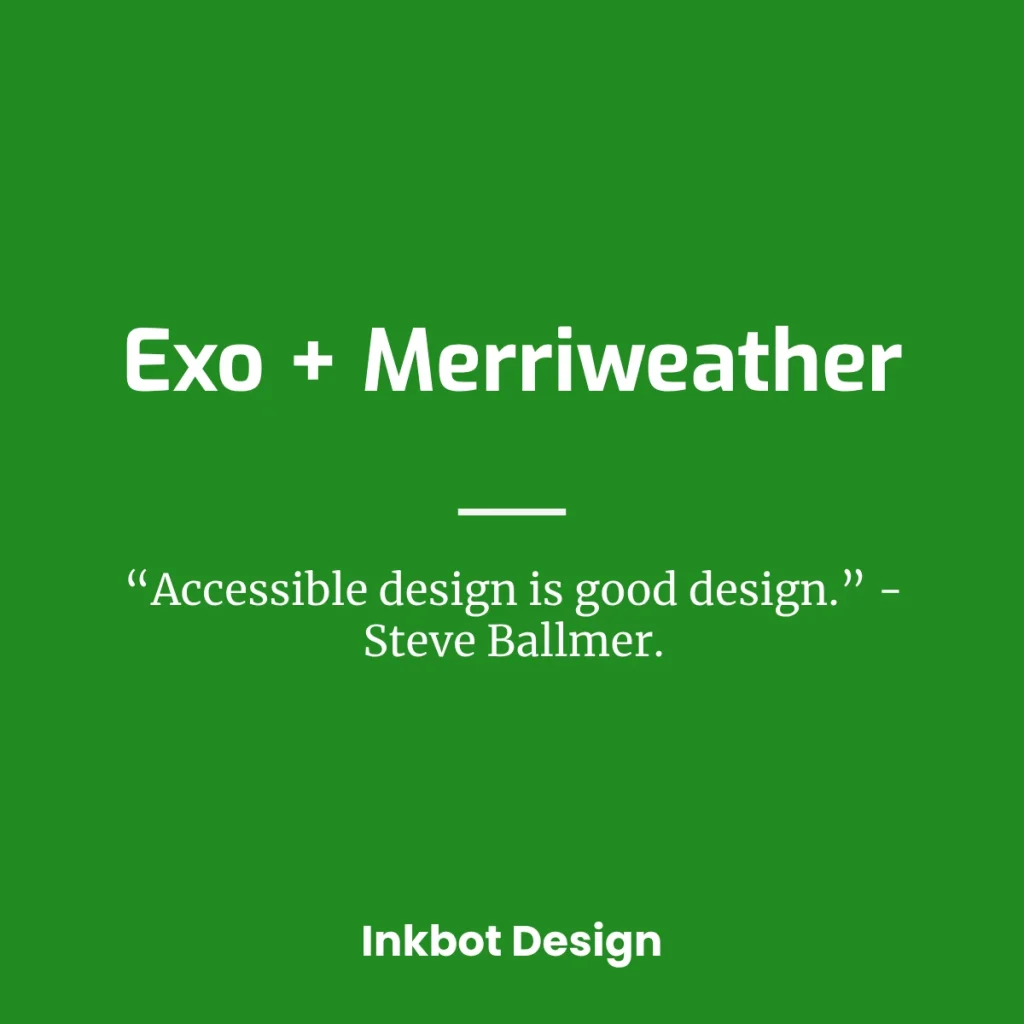
Primary: Exo (Sans-serif) Secondary: Merriweather (Serif)
Use case: Great for tech startups, sci-fi book covers, or futuristic brand identities.
Why it works:
- Exo’s geometric, slightly futuristic design creates eye-catching headlines.
- Merriweather grounds the pairing with traditional readability.
18. Brandon Grotesque + Crimson Text
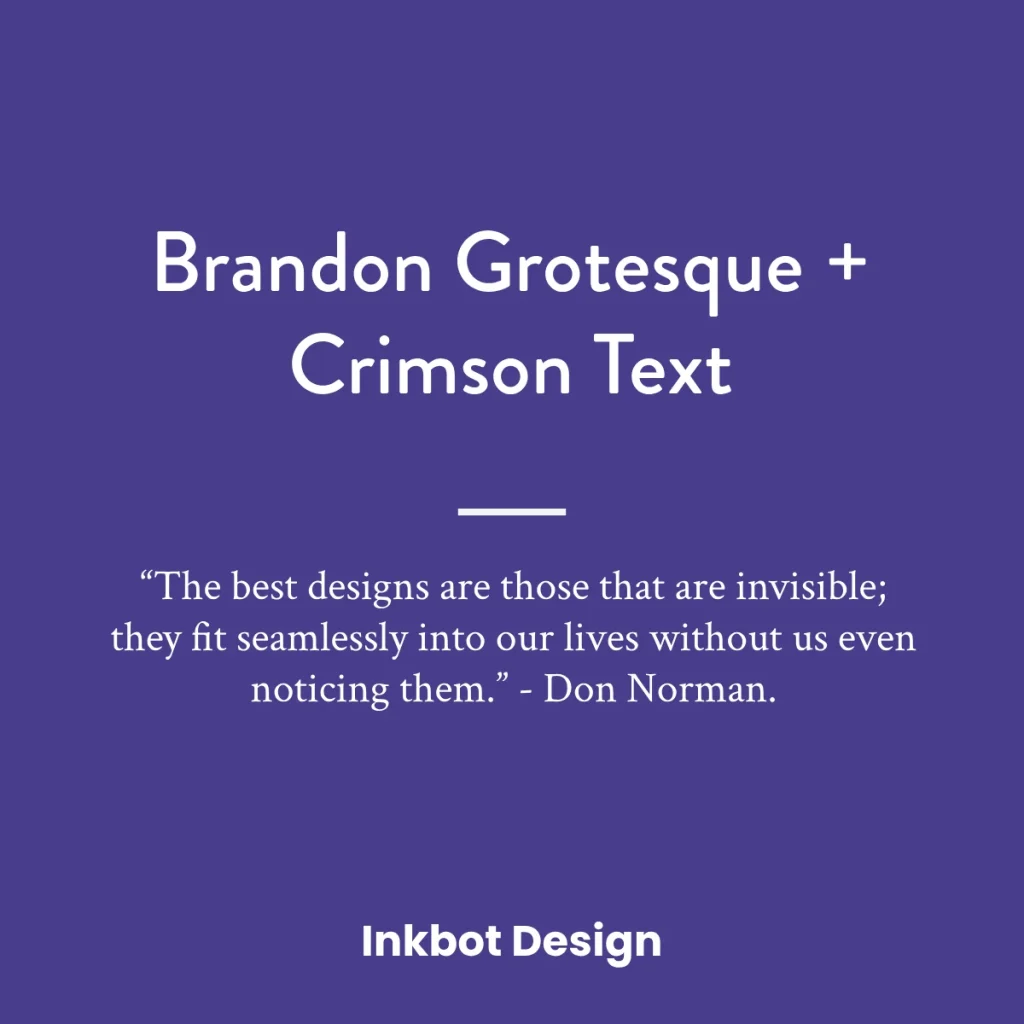
Primary: Brandon Grotesque (Sans-serif) Secondary: Crimson Text (Serif)
Use case: Perfect for lifestyle magazines, boutique hotels, or premium product packaging.
Why it works:
- Brandon Grotesque’s geometric sans-serif brings a modern, sophisticated feel.
- Crimson Text adds a touch of classic elegance to the body copy.
19. Quicksand + Alegreya
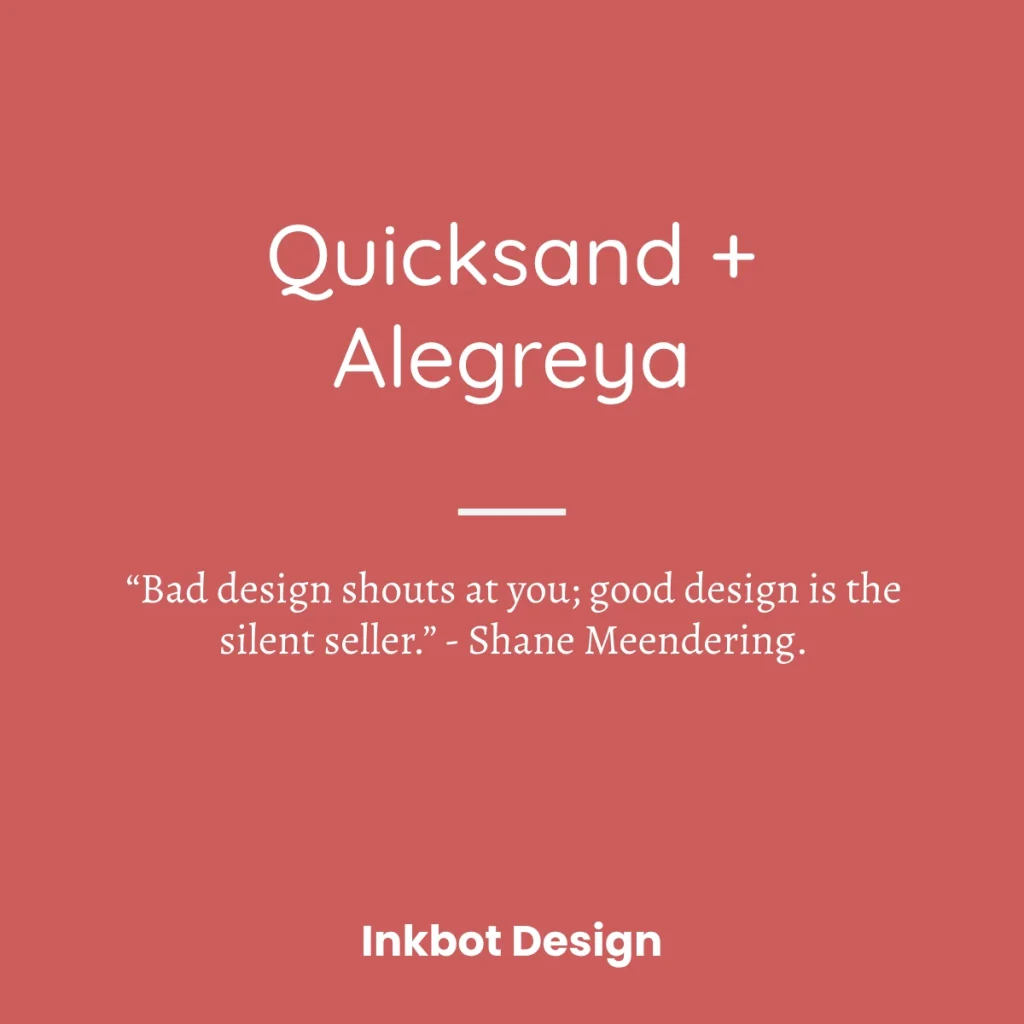
Primary: Quicksand (Sans-serif) Secondary: Alegreya (Serif)
Use case: Ideal for children’s websites, playful brand identities, or informal blogs.
Why it works:
- Quicksand’s rounded sans-serif creates a friendly, approachable vibe.
- Alegreya’s dynamic serif adds personality while maintaining readability.
20. Trajan Pro + Helvetica
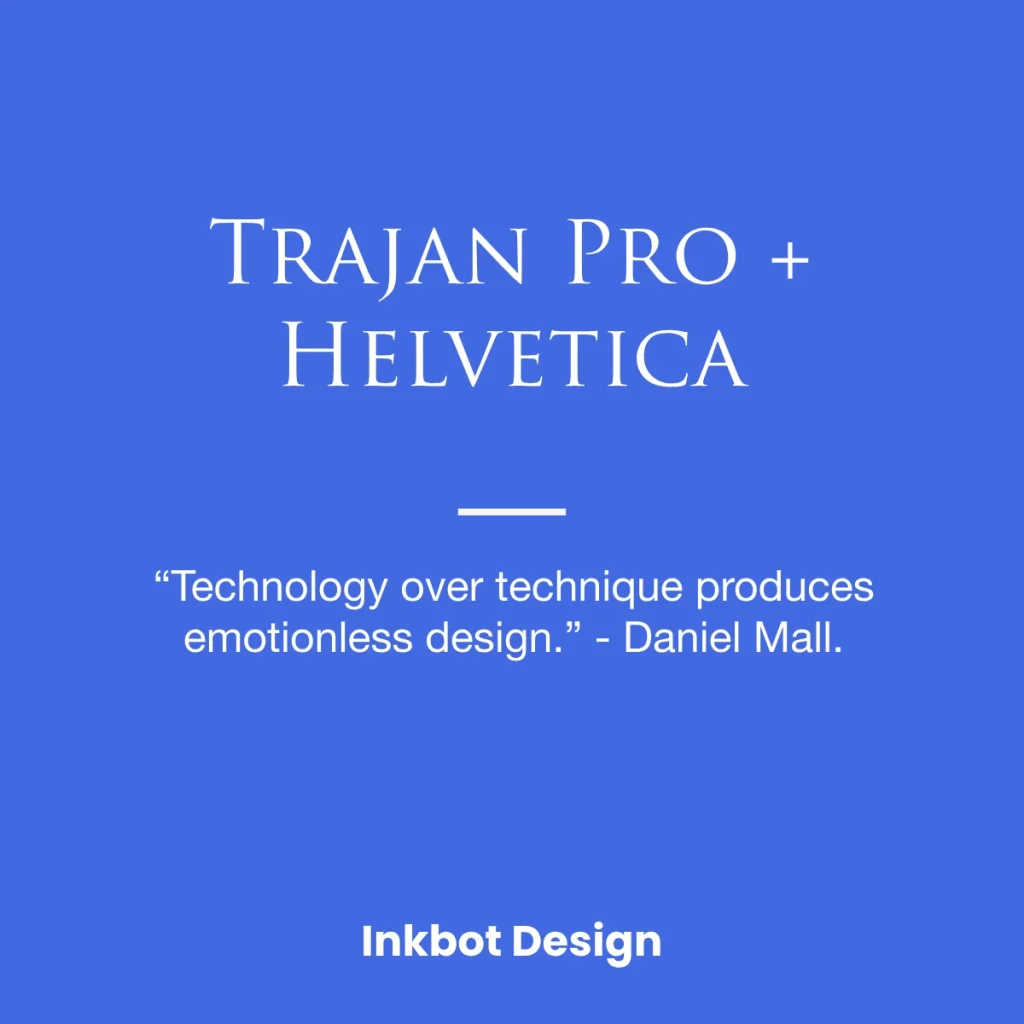
Primary: Trajan Pro (Serif) Secondary: Helvetica (Sans-serif)
Use case: Excellent for law firms, universities, or classic movie posters.
Why it works:
- Trajan Pro’s Roman-inspired capitals create a sense of timeless authority.
- Helvetica’s neutral sans-serif provides clean, efficient body text.
Practical Tips for Perfect Pairings
Now that you’ve got a toolbox of killer combinations, let’s talk about how to create your own winning pairs.
Here are my top tips:
1. Start with Purpose
Before you even look at fonts, ask yourself:
- What’s the mood I want to create?
- Who’s my target audience?
- What’s the context (web, print, branding)?
Your answers will guide your choices.
2. Establish a Clear Hierarchy
Choose fonts that create a clear distinction between:
- Headlines
- Subheadings
- Body text
Each should have its own “voice” while still working together harmoniously.
3. Contrast is Key (But Don’t Overdo It)
Aim for contrast in:
- Style (serif vs. sans-serif)
- Weight
- Size
But remember: too much contrast creates chaos. Find the sweet spot.
4. Consider X-Height
X-height is the height of lowercase letters (excluding ascenders and descenders).
Fonts with similar x-heights pair well together.
5. Test, Test, Test
Don’t just rely on how fonts look side-by-side in a type specimen.
Test your pairings in real-world contexts:
- Headlines
- Paragraphs
- Pull quotes
See how they interact in different sizes and weights.
6. Limit Your Palette
As a general rule, stick to 2-3 fonts max.
More than that, and you risk creating visual chaos.
7. When in Doubt, Stick to One Family
Many font families come with multiple weights and styles.
Using variations within a single family can create harmony while still providing contrast.
8. Consider Readability
No matter how beautiful a font pairing looks, it’s only valid if it’s readable.
Always prioritise legibility, especially for body text.
9. Mind the Mood
Fonts have personality. Make sure your pairing creates a consistent mood that aligns with your message.
10. Break the Rules (Sometimes)
These are guidelines, not iron-clad laws.
Once you understand the principles, don’t be afraid to experiment and break the rules for creative effect.
The Golden Rule of Font Pairing
If you remember nothing else from this post, remember this:
Contrast is king.
Your fonts should be different enough to create visual interest but similar enough to feel harmonious.
Think of it like a good marriage. You want two personalities that complement each other, not twins or mortal enemies.
5 Fool-Proof Font Pairing Strategies
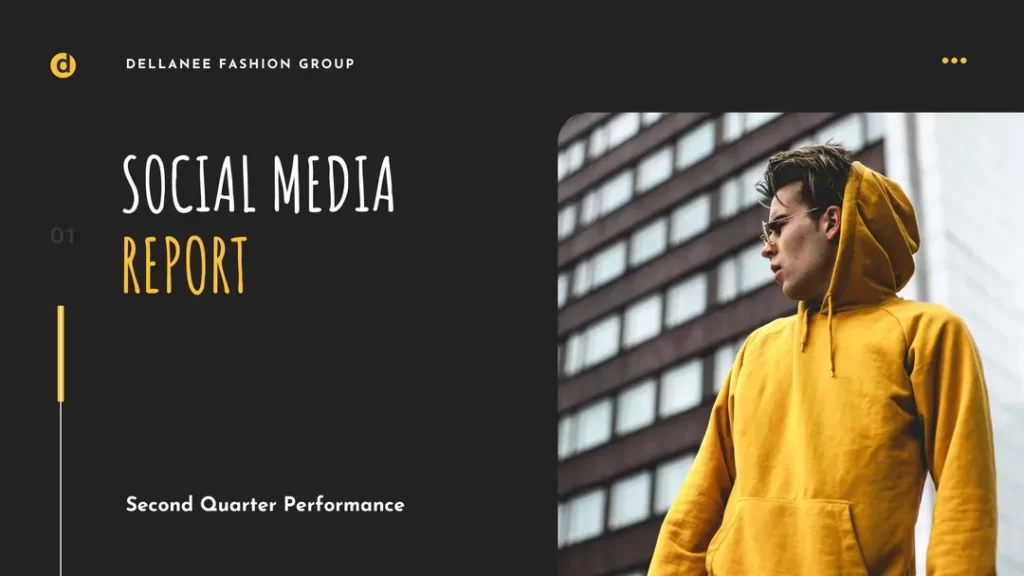
1. Serif + Sans Serif: The Classic Combo
This is the bread and butter of font pairing. It’s hard to go wrong with this classic combination.
Example:
- Heading: Playfair Display (serif)
- Body: Open Sans (sans serif)
Why it works: The contrast between the decorative serif and the clean sans serif creates visual interest while maintaining readability.
2. Same Font Family: The Safe Bet
Many font families come with various weights and styles. Using different versions of the same font is a safe way to create contrast without risking disharmony.
Example:
- Heading: Roboto Bold
- Body: Roboto Regular
Why it works: You get variation without the risk of clashing styles.
3. Superfamilies: The Designer’s Cheat Code
Some type designers create “superfamilies” – fonts designed to work together seamlessly. These often include both serif and sans-serif versions.
Example:
- Heading: Merriweather (serif)
- Body: Merriweather Sans (sans serif)
Why it works: These fonts were made for each other. It’s like an arranged marriage but for typography.
4. Contrast in Scale: The Size Matters Approach
Sometimes, the contrast doesn’t need to come from different font styles but from dramatic size differences.
Example:
- Heading: Helvetica Neue (huge)
- Body: Helvetica Neue (standard size)
Why it works: The size difference creates a visual hierarchy without introducing a new font.
5. Mood Matching: The Emotional Appeal
Choose fonts that evoke similar emotions or periods.
Example:
- Heading: Bodoni (elegant serif)
- Body: Futura (sleek sans serif)
Why it works: Both fonts have a sophisticated, timeless quality that pairs well with luxury brands or high-end designs.
Real-World Examples: Font Pairing in Action
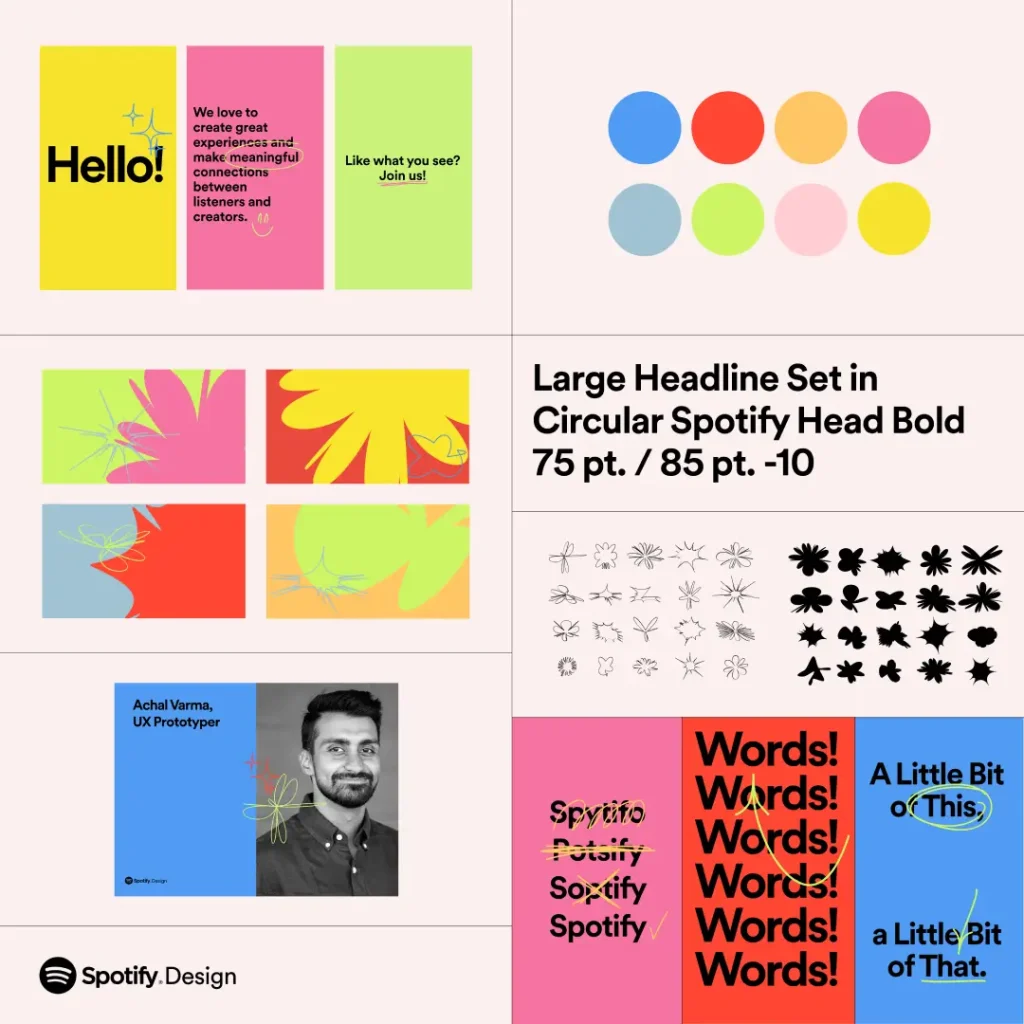
Let’s look at some successful font pairings used by major brands:
- Apple
- San Francisco (custom sans serif) for both headings and body text
- Why it works: Clean, modern, and consistently on-brand
- New York Times
- Heading: Cheltenham (serif)
- Body: Imperial (serif)
- Why it works: Traditional, authoritative look that’s easy to read
- Airbnb
- Heading: Cereal (custom sans serif)
- Body: Cereal (in a lighter weight)
- Why it works: Friendly, approachable, and consistent across all platforms
- Spotify
- Heading: Circular (sans serif)
- Body: Circular (lighter weight)
- Why it works: Modern, youthful, and highly legible in various sizes
Discover the Top Font Recommendations for Various Needs and Budgets
Feeling swamped by the endless font options out there? You’re not alone. When selecting the right typeface for your project, narrowing down the best choice can seem daunting. Fortunately, multiple resources offer expertly curated font suggestions to fit any purpose and financial range.
1. Font Libraries and Marketplaces:
Websites like Google Fonts, Adobe Fonts, and Font Squirrel provide extensive font collections. They offer search functionalities that help you find fonts tailored to specific needs, from professional documentation to creative design projects.
2. Design Blogs and Online Magazines:
Platforms such as Smashing Magazine, Creative Bloq, and Awwwards frequently publish articles and reviews about the top fonts in the industry. These sources often categorize fonts based on usage scenarios like web design, branding, or editorial work.
3. Typography Forums and Communities:
Join communities on websites like Reddit’s typography subreddit or TypeDrawers. These platforms are bustling with enthusiasts and professionals ready to share insights and recommendations based on firsthand experience.
4. Social Media Groups:
Engage with groups on platforms like Facebook and LinkedIn that are dedicated to typography and design. Members often share lists and opinions about the best font choices for various applications and share their personal favourites.
By leveraging these resources, you can simplify the font selection and find the perfect typeface to match your needs and budget.
Conclusion: Your Next Steps
Font pairing is both an art and a science.
It takes practice, but with the principles and combinations we’ve covered, you’re on your way to creating stunning typography.
Here’s what to do next:
- Experiment with the 20+ combinations I’ve shared.
- Start building your own font pairing “cookbook”.
- Practice, practice, practice. Try creating mock-ups or redesigning existing websites with new font pairings.
Remember: Great design isn’t about following trends mindlessly. It’s about understanding principles and applying them creatively to solve problems.
Now, go forth and create some typographic magic. Your designs (and your clients) will thank you.
FAQs
How many fonts should I use in a design?
As a general rule, stick to 2-3 fonts max. Using too many fonts can create visual chaos and confusion.
Can I pair two serif fonts or two sans-serif fonts together?
Yes, but it’s trickier. Ensure enough weight, size, or style contrast to create visual interest and hierarchy.
What’s the difference between a font and a typeface?
A typeface is the overall design of the letterforms (e.g., Helvetica). A font is a typeface’s specific size, weight, and style (e.g., Helvetica Bold 12pt).
How do I choose fonts for my brand identity?
Consider your brand personality, target audience, and industry norms. Choose fonts that reflect these aspects and work well across various mediums.
Are there any fonts I should avoid?
Overused fonts like Comic Sans or Papyrus are often frowned upon in professional design. However, context is critical – even these fonts might be appropriate in certain situations.
How important is font licensing?
Very important. Always ensure you have the proper licenses for your fonts, especially in commercial projects.
Can I mix more than two fonts?
While possible, it’s challenging to do well. Sticking to 2-3 fonts and using variations within those families for variety is generally safer.
How do I ensure my font pairings are readable on different devices?
Test your designs on various screen sizes and resolutions. Consider using web-safe fonts or reliable font services to ensure consistency across devices.
What’s the best way to pair fonts for a website?
Choose a readable sans-serif for body text and a more distinctive font for headlines. Ensure they complement each other and align with your brand identity.
How can I practice font pairing?
Experiment with redesigning existing websites or creating mock-ups. Analyse designs you admire and try to understand why their font pairings work.