Japanese Branding: Crafting Global Identities
Japanese branding dominates the global market because it embraces contradiction: it is simultaneously ancient and hyper-futuristic.
While Western brands are often busy shouting for attention, Japanese design relies on quiet confidence and an obsessive commitment to quality (Monozukuri).
It isn’t just about the visual aesthetic of a “Zen garden” or minimalism; it is about building deep, long-term trust. The most successful Japanese companies—from Toyota to Nintendo—don’t just sell a product; they sell a philosophy of precision and hospitality (Omotenashi).
Most Western brands attempt to replicate this look, but they often fail because they overlook the substance behind it. They copy the white space but miss the discipline.
To build a brand with this level of staying power, you must look beyond the surface-level graphics and understand the cultural tenets that drive them. Here is how you can apply those principles to your own identity without turning it into a pastiche.
Actionable Strategy: How to inject Japanese design discipline into your brand work.
Origins & Tenets: The historical roots of Japanese commercial art.
Global Impact: Why these designs resonate across borders.
- Japanese branding combines tradition and innovation, resulting in unique identities that resonate on a global scale.
- Simplicity and minimalism focus on essential elements, leading to clear and purposeful brand representations across various sectors.
- Attention to detail is paramount; every interaction is meticulously designed to reflect quality and brand values.
- Continuous improvement (kaizen) drives brands to strive for perfection, fostering long-term relationships with consumers.
What Does Japanese Branding Really Mean?

Japanese branding goes beyond logos or slogans; it’s an attitude towards creating a business identity. It reflects on everything about an organisation; therefore, Japanese culture can be referred to as a philosophy of life that embraces company values.
The value system may encompass precision, quality, and respect for tradition, while simultaneously pushing boundaries through innovation.
When one mentions “a brand from Japan,” what do you think comes to mind?
For instance, they might think of the neatness found in Sony products, the reliability inherent in Toyota vehicles, or the fun associated with Nintendo games, to mention just a few examples out of many possible ones.
The point is that these items are not mere commodities – they represent different ways brands are created uniquely according to the Japanese approach(es).
The Historical Roots of Japanese Branding
To truly understand Japanese branding, we must go back to the roots. Branding in Japan is steeped in history, dating back to the Edo period (1603-1868).
During those years, merchant families used distinctive symbols called “kamon” to mark their businesses. These simple designs represented the family’s identity and doubled as early logos.
Following World War II, modern Japanese branding gained momentum. The country was rebuilding its economy.
Companies such as Sony, Toyota and Honda started emerging with products that combined traditional values with new standards for quality and innovation — laying a foundation for today’s global powerhouses.
Critical Principles of Japanese Branding

So, what makes Japanese branding different from any other? Let’s talk about its main principles:
- Simplicity and minimalism. The Japanese often go by the principle “less is better”. They eliminate unnecessary things so that they can concentrate on the most important ones. This method enables them to create visually appealing designs that appear clear and purposeful.
- Attention to detail: Simplicity does not mean a lack of attention. Precision is one of the distinguishing features of Japanese brands, whether in product design, packaging, or customer service – everything counts here.
- Harmony with Nature: Many Japanese companies draw their inspiration from nature itself, utilising organic forms, natural materials, and symbols of seasonal change in their products. Such an attitude towards the environment gives additional depth and significance to brand identities created by them.
- Respect for tradition. Even when creating cutting-edge products, Japanese brand builders always remember their cultural heritage. This fusion of old and new always produces some timeless feeling or effect.
- Continuous improvement (Kaizen). There are many firms in Japan where continuous improvement (kaizen) has become second nature. According to this philosophy, People always seek perfection in everything they do – products and processes should be flawless.
- Wholehearted Hospitality (Omotenashi) This isn’t just about being polite or having good customer service. Look, Omotenashi is a level up. It’s the art of anticipating someone’s needs before they even know they have them. In branding, this means creating an experience that feels completely natural and thoughtful. It’s in the product design that’s a joy to use, the packaging that opens without a fight, or the shop layout that just makes sense. It’s about showing genuine respect for the customer, not just their wallet.
- The Artisan Spirit (Shokunin) Right, then there’s Shokunin. This basically means being a master of your craft, but it’s more than that. It’s a fundamental pride in doing a job to the absolute peak of perfection, not for a bonus, but for the sake of the work itself.
- Brands that get this have a relentless dedication to quality. They sweat the small stuff. This obsession builds a rock-solid reputation for excellence that you just can’t buy with advertising. It tells the world you’re serious about what you do.
Case Studies: Japanese Branding in Action
Let’s take a look at a couple of examples of successful Japanese branding:
Muji: The Power of No-Brand Branding
“Muji” is an abbreviation for “Mujirushi Ryohin,” which translates to “no-brand quality goods” in English. This represents Japanese minimalism well enough on its own.
They don’t add unnecessary decorations to anything; if Muji makes it, whether it’s a stationery item, clothing, or household appliance, you can be sure that it is simple and plain without any extraneous frills – just good materials crafted with care.

It seems like there should be no such thing as “Muji’s brand strategy” – but paradoxically speaking, this has become one of the most identifiable brand identities worldwide precisely because of how little traditional branding it incorporates.
They do not use bright colours for their logo, nor have many other features typical of popular brands’ logos. Yet, people recognise them easily everywhere around the globe, mainly due to the simplicity inherent in anything related to Japanese business culture.
Nintendo: Fun Innovation
Logo design simplicity continues to be expressed through Nintendo, despite its evolution into a focus on pure fun, creativity, and innovation.
The firm has remained relevant since its establishment by constantly reimagining itself in response to current trends, while continuing to deliver happiness through its entertainment products.
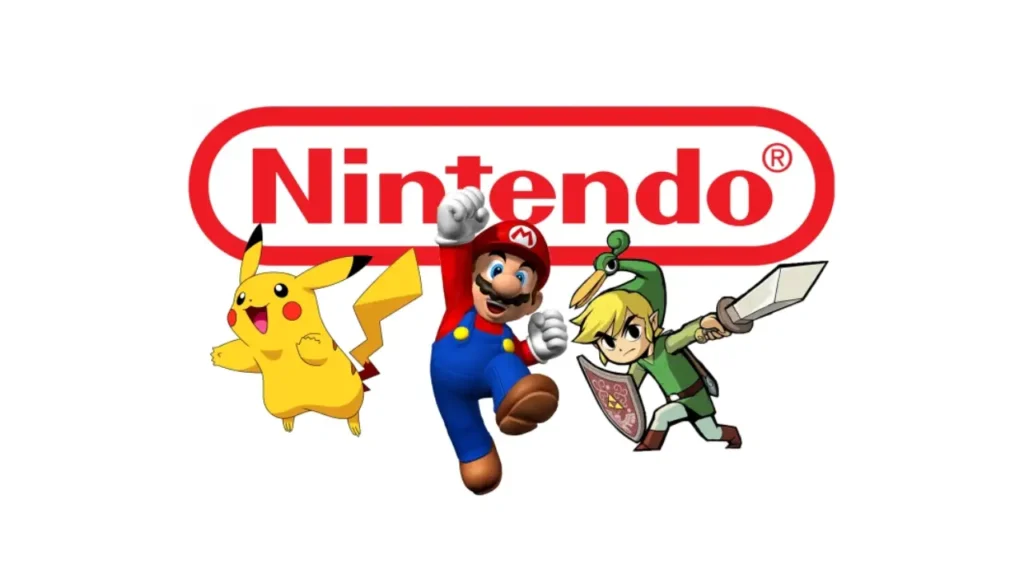
What makes Nintendo so successful is its ability to combine traditional aspects with innovative ideas. Fans have loved games like Mario and Zelda for years, but they remain fresh mainly through hardware systems like the Wii U or Switch console series and others like the DS line.
Lexus: The Pursuit of Perfection
Let’s talk cars for a minute. When Toyota decided to take on the German luxury brands, they knew they couldn’t just build a fancier Toyota.
They had to create something entirely different. So, Lexus was born.
Its whole identity is built on Japanese principles, especially Takumi craftsmanship and Omotenashi hospitality. The Takumi are master artisans, right?
These individuals have spent decades refining a single skill to an exceptional level.
We’re talking about people who can spot microscopic imperfections in paintwork by hand, or who tune engines by ear. This obsession with the “artisan spirit” became the core of their marketing.
It’s not just a car, it’s a piece of craftsmanship.
Then there’s the customer experience, which is pure Omotenashi. Lexus dealerships don’t feel like garages; they’re more like the lobbies of five-star hotels.
The service is all about anticipating your needs, making the entire process of buying and owning a car feel special. This combination of flawless engineering and genuine hospitality enabled Lexus to establish a massive global brand from scratch.
The Global Impact of Japanese Branding
Japanese branding techniques have had a significant impact on businesses worldwide. The Japanese focus on simplicity, quality and constant improvement has been adopted by companies globally.
Take Apple, for example; it isn’t a Japanese company, but its design philosophy shares much with Japanese branding principles.
The minimalist, clean look of Apple products and attention to detail in aspects such as packaging and user interfaces reflect this design concept from Japan.
Applying Japanese Branding Principles To Your Business
So, how can you apply these concepts to your enterprise? Below are some suggestions:
- Simplify Your Message: Remove unnecessary aspects from your branding and focus on clearly and concisely expressing your core values.
- Pay Attention to Details: Every point of contact with clients matters; everything should be well-designed and executed, from the website to product packaging.
- Find Your ‘Ikigai’ “Ikigai” is a Japanese term meaning “reason for being”. This implies that you need to identify what makes you different and let it inform all decisions regarding your brand.
- Embrace Continuous Improvement. Continuously evaluate how well or poorly different strategies work towards creating awareness about goods/services offered under a specific name until satisfaction is achieved.
- Respect Your Heritage. Even if you are new to the industry, there is always room to draw inspiration from past events within specific sectors or local cultures, giving more life to brands and making them appear authentic.
Challenges in Japanese Branding
Although Japanese branding has a lot of good points, it still faces specific difficulties:
- Cultural Translation: Some regions require assistance in understanding aspects of Japanese branding. Businesses should be able to adjust their branding when expanding globally while retaining their Japanese essence.
- Changing Consumer Preferences: Younger generations, both in Japan and internationally, have different values and needs, which require brands to be flexible without compromising their identity.
- Digital Disruption: Traditional Japanese companies sometimes fail to cope with the rapidly changing digital environment and may lose out to more nimble competitors.
- Balancing Tradition and Innovation Although respecting tradition is one of the strong suits of Japanese brands, this can also stifle creativity. Striking that delicate balance remains a constant challenge.
- Risk of Cultural Dilution Look, here’s the problem. When a brand gets massive, there’s a huge pressure to water it down to appeal to everyone, everywhere.
A brand that’s famous for its quiet minimalism might be pushed to get louder in a market like America. The danger is that in trying to be everything to everyone, they lose the very essence that made them special in the first place, which is quintessentially Japanese.
It’s a constant battle to stay authentic while still growing.
The Role of Design in Japanese Branding

Design is critical in Japanese branding, as it often embodies all the principles we have discussed. We will now take a closer look at some essential areas of design with brand creation:
- Typography: In most cases, Japanese brands use a combination of traditional calligraphy and modern fonts, paying close attention to details. They usually regard the shape and flow of characters as part of the overall design aesthetic.
- Colour Theory and Symbolic representation are commonly used through colour selection in Japanese branding. For instance, red and white (colours found on the national flag) might frequently be employed to evoke feelings related to being Japanese.
- Negative Space: The concept known as ‘ma’ or negative space plays a significant role in Japanese design; it’s not just about what’s there, but also about what isn’t – empty spaces that give meaning to everything around them.
- Asymmetry. Unlike Western designs, where designers often favour symmetry, asymmetrical approaches are embraced within Japanese design, creating an impression that brings about movement even in brand identities.
Decoding the Visual Language: Colours and Patterns (Wagara)
In 2026, relying on “red and white” is not enough. Japanese branding utilises a complex vocabulary of traditional colours (Nippon no Iro) and patterns (Wagara) that convey specific business promises without a single word of copy.
The Palette of Trust
Western brands often use bold primary colours. Japanese brands lean into intermediate, nature-derived shades to signal nuance.
| Colour Name | Kanji | Hex Code (Approx) | Branding Signification |
| Aizome (Indigo) | 藍染 | #165E83 | Artisan credibility, durability (used by denim/textile brands). |
| Shu-iro (Vermilion) | 朱色 | #EB6101 | Protection, spirituality, and authority (seen in shrine gates and Hanko seals). |
| Moegi (Sprout Green) | 萌黄 | #A8D8B9 | Youth, vitality, and new ventures (common in tech/eco-branding). |
| Kuro (Lacquer Black) | 黒 | #0D0015 | Formal, absolute luxury, and seriousness (e.g., high-end electronics). |
Wagara: Patterns that Sell
Using the wrong background pattern can confuse a Japanese consumer.
- Seigaiha (Blue Sea Wave): Represents eternal peace and luck; frequently used in financial services and logistics.
- Asanoha (Hemp Leaf): Symbolises robust growth; common in education and startup branding.
- Shippo (Seven Treasures): Represents harmony and human relationships; ideal for B2B consulting firms.
Pro Tip: Don’t just slap a cherry blossom on your logo. That implies “transience” (here today, gone tomorrow)—often the opposite of what a financial or tech brand wants to project.
Industry-Specific Applications of Japanese Branding
Japanese branding principles aren’t applied uniformly; they shift shape depending on the sector.
However, the golden thread linking a Toyota saloon to a bottle of Shiseido toner is an obsession with process over outcome. The brand isn’t just the final object; it is the discipline required to create it.
Here is how that philosophy plays out across key industries.
Technology: Function as Futurism
Japanese tech giants like Sony, Panasonic, and Canon don’t just market features; they market distinct reliability wrapped in futuristic aesthetics.
The core brand pillar here is precision. When you look at a Sony camera or a high-end audio deck, the branding signals that the machinery inside is state-of-the-art. It creates a sense of trust that the device will not only work but will outperform the competition through sheer engineering rigour. It is less about “lifestyle” fluff and more about the dignity of the machine itself.
Automotive: The Kaizen Philosophy
For brands like Toyota, Honda, and Nissan, the brand identity is practically synonymous with Kaizen (continuous improvement).
While European carmakers often emphasise emotion, speed, or luxury heritage, Japanese automotive branding tends to focus heavily on efficiency and reliability. They have successfully turned “reliability”—arguably a boring trait—into a premier brand asset. The message is clear: we continually improve the product every day to ensure it works perfectly for you. It is a promise of engineering integrity rather than just status.
Fashion: Minimalism vs. Avant-Garde
The fashion sector presents the starkest contrast in Japanese branding, yet both extremes dominate the global market by largely ignoring Western trends.
- The Uniqlo Approach (LifeWear): Uniqlo is a masterclass in anti-fashion. They don’t chase trends that die in three months. Instead, they apply the Kaizen mentality to your wardrobe. They sell high-quality, functional basics—improving the fabric and cut of a simple t-shirt season after season. It’s not aspirational luxury; it’s practical perfection.
- The Comme des Garçons Approach: On the flip side, you have the wearable art of Rei Kawakubo. This is branding as rebellion, one that smashes the rulebook entirely.
Despite their differences, both rely on a strong, unshakeable philosophy rather than reacting to what competitors are doing in Paris or Milan.
Food & Beverage: Tradition Meets Modernity
In the food sector, branding is deeply rooted in cultural rituals. Whether it is Suntory whisky or Kikkoman soy sauce, the packaging and presentation fuse ancient tradition with modern manufacturing.
You will notice this in the presentation—the attention to detail in a tea ceremony is translated into the typography and material of a bottle label. It implies that the liquid inside has a lineage. It adds a layer of respect to the product that Western FMCG brands often struggle to replicate.
Cosmetics (J-Beauty): Science and Ritual
The “J-Beauty” phenomenon, led by giants like Shiseido and SK-II, fundamentally differs from the Western “fix-it-fast” mentality.
Most Western beauty branding sells a solution to a problem (e.g., hiding a blemish). Japanese branding promotes a long-term ritual.
- Packaging: Stunningly simple and tactile. It feels heavy and expensive, signalling understated luxury.
- Philosophy: It blends science with art. The message isn’t about covering up; it is about balance, purity, and health from within.
They are not selling a quick fix; they are selling a moment of calm in your day. This builds deep consumer trust because it feels like a partnership for health rather than a transaction for vanity.
The Yuru-chara Economy: Why Serious Brands Use Mascots
Westerners often mistake “Cute” (Kawaii) for “Childish.” In Japan, Kawaii is a soft-power tool used to disarm resistance and build emotional intimacy. This manifests in Yuru-chara (loose characters)—mascots that represent regions, companies, or even government bodies.
In a high-context culture where direct sales pitches can seem aggressive, a mascot acts as a social bridge.
- Kumamon: A black bear that generated over $1 billion in revenue for Kumamoto Prefecture.
- Domo-kun: The NHK broadcaster mascot that softens the image of a rigid media giant.
Strategic Application for 2026: If you are a SaaS company entering Japan, a “faceless” interface feels cold. Introducing a flat-design character assistant isn’t just decoration; it is a UX necessity to guide the user through complex forms with Omotenashi.
The Psychology Behind Japanese Branding

Understanding the psychological basis of Japanese branding can be helpful. Here are some hints:
- Collectivism versus Individualism. This means that Japanese culture is more collectivist than most Western societies. Such a context tends to develop brands that value concord over personal expression.
- Long-Term Orientation: Another characteristic of companies in Japan is their long-term approach to business. They believe in establishing long-term relationships with clients instead of prioritising immediate profits; this informs their patience, as evident in their branding strategies.
- High-Context Communication “High-context communication refers to relying on shared cultural knowledge to convey meaning while saying very little verbally. Therefore, significant portions of information are implied, not directly expressed or conveyed through words – this has been termed “high context”. In line with this idea, many Japanese brands use suggestive signs and symbols rather than explicit messages in their advertisements.
- Perfectionism and Face. These concepts have contributed much towards ensuring every detail counts regarding Japanese quality control measures within branded products/services, also known as the saving face mentality. So, think about any typical brand created by this country. In that case, perfection must be represented throughout its entire production process, just as they strive to never let anyone know anything could be wrong until after everything has been completed. Only then should one start worrying about fixing what went awry.
Evaluating Success
What criteria can we use to judge whether a strategy worked well enough? Let us look at some indicators:
- Brand Loyalty: Many Japanese companies enjoy strong loyalty among homebuyers both domestically and abroad.
- Worldwide Recognition. There is no doubt that quite a number of them have made it into global listicles when ranking brands according to international indices based on brand value alone.
- Sustainability. If certain businesses managed to stay relevant throughout the years, even generations, then their advertising methods must have worked effectively indeed, since they were able to connect emotionally with consumers over sustained periods, entailing mindset shifts towards such products or establishments; this has been noted among various Japanese firms that remain successful over long periods.
- Premium Positioning: Pricing power is another factor indicative of success – specifically, whether an organisation can charge higher rates for its goods/services due to its association with prestige and quality.
Digital Adaptation: Tradition in the Age of AI
As we move deeper into the digital age, Japanese branding isn’t abandoning tradition; it is digitising it. The challenge for brands in 2026 is maintaining that famous “high-context” cultural depth while navigating the speed of modern tech.
Most Western brands make the mistake of thinking “digital” means “stripping everything back.” In Japan, it means the opposite: using technology to add layers of hospitality (Omotenashi) and detail.
Here is how these principles are reshaping the digital landscape right now.
Social Media: Privacy & Community over Broadcasting
While Western social strategies often scream for attention, Japanese social media is surprisingly intimate and privacy-focused.
- The “Anonymous” Culture: On platforms like X (formerly Twitter) and local favourites, users often prefer avatars to real faces. Brands that succeed here don’t just blast ads; they build sub-culture communities that allow for anonymous, genuine interaction.
- Utility First: Platforms like LINE aren’t just for chatting; they are ecosystems for everything from payments to booking taxis. Your brand needs to be useful, not just visible.
The Galápagos Effect: Information Density as Trust
You will hear the term Galápagosization (Garapagosu-ka) in Japanese business circles. It refers to how Japanese technology and design evolved in isolation, creating a unique ecosystem perfectly optimised for local needs but baffling to outsiders.
Why “Cluttered” UX Winners in Japan: In the West, “clean” design (white space) equals luxury. In Japan, white space can be interpreted as “omission of facts.”
- Risk Aversion: The Japanese consumer wants to verify every spec, dimension, and warranty clause before clicking “Add to Cart.”
- The Flyer Aesthetic: Digital design often mimics the density of Chirashi (supermarket flyers), where value is communicated through maximum information per pixel.
- Navigation Flow: Western UX relies on search; Japanese UX relies on category discovery (sidebar menus with 50+ links).
2026 Prediction: While mobile-first design is forcing some simplification, the “Bento Grid” interface—compartmentalised, high-density blocks—remains the dominant standard for high-trust industries like banking and travel.
Virtual & Augmented Reality (VR/AR)
Japan is adopting immersive tech faster than most, but the application is unique. It isn’t just about “cool” visuals; it is about bridging the physical gap.
- Virtual Presence: Companies are using VR to replicate the in-store level of service for remote customers. It allows a shop assistant to guide a user through a product demo in a way that feels personal, not robotic.
- Digital Twins: We are seeing brands create “digital twins” of their physical craftsmanship, allowing users to inspect the stitching on a bag or the grain of wood in 3D before buying.
AI & Personalisation: The “Helpful Companion”
While the West worries about AI replacing humans, Japanese culture generally views robots and AI as helpful companions (think Astro Boy).
- Hospitality Agents: In 2026, AI isn’t just generating content; it is acting as a concierge. Brands use AI to deliver hyper-personalisation that feels like a dedicated servant anticipating your needs—suggesting products based on subtle context rather than just past clicks.
- Preserving the Human Touch: The goal of AI here is to free up humans to do the high-touch relationship work, not to remove humans entirely. If your automation feels cold, you have failed the market.
Conclusion
The world can learn a lot from Japanese branding. Its simplicity, attention to detail, respect for tradition and drive for innovation make its brand identities stand the test of time. Businesses, from small startups to international corporations, can benefit from how they approach branding.
As we have seen, Japanese branding is not only about design rules; it is a philosophy that encompasses every aspect of corporate identity and operations. Understanding and using these rules in practice can make your brand identity more engaging, authentic and long-lasting.
Remember that you should not copy Japanese branding entirely; grasp its foundations and apply them in your specific environment. After all, brands succeed when they remain true to themselves and draw inspiration from various places.
Therefore, when reflecting on how to brand yourself or your company, consider incorporating some elements borrowed from Japan. Be simple yet focused on details; honour your roots as you continuously develop new ideas to meet customer needs; create value above everything else. Who knows – this might just be what makes the next big global brand!
FAQs
What is the ‘Galápagos Effect’ in Japanese marketing?
The Galápagos Effect refers to the unique evolution of Japanese products and design trends in isolation from global standards. In branding, this explains why Japanese websites often feature high information density and “cluttered” layouts, which signals trust and thoroughness to local consumers, unlike Western minimalism.
How does ‘Omotenashi’ apply to UX design?
Omotenashi (anticipatory hospitality) in UX means solving user problems before they arise. Examples include ‘smart defaults’ in forms to reduce typing, detailed hover-states on images, and apologies/explanations on 404 pages rather than generic error messages.
What is the difference between Wabi-Sabi and Western Minimalism?
Western minimalism seeks geometric perfection and the removal of clutter. Wabi-Sabi embraces imperfection, asymmetry, and natural wear. A Wabi-Sabi brand uses textured paper, earthy tones, and organic fonts, whereas Western minimalism uses stark white, glossy finishes, and sans-serif fonts.
Why do Japanese brands use mascots (Yuru-chara) for serious businesses?
Japanese culture is high-context and values social harmony. Mascots (Yuru-chara) act as a buffer, allowing brands to communicate messages softly and emotionally without appearing aggressive or corporate, which helps build trust in government, banking, and infrastructure sectors.
What measures are Japanese brands taking towards adapting to the digital era?
While keeping true to their foundations, Japanese businesses are incorporating digital technologies, which leads them to create one-of-a-kind online experiences while also utilising social media platforms in a way that resonates with the local community.
What can startups learn from how the Japanese approach branding?
Start-ups must pay attention to details and build strong customer relationships over extended periods. They should additionally know why they exist, other than striving only for short-term profits.
How do traditional values coexist with innovation in Japanese brands?
Some Japanese companies may retain some elements or traditions while continuously developing new products/services. This creates a timeless feeling combined with state-of-the-art appeal.
Which problems commonly arise during the development of brands in Japan?
When conveying brand messages, communication between cultures becomes difficult; firms struggle to keep pace with rapidly changing consumer preferences, balancing the need to honour customs and spark new ideas.
Why is storytelling important in Japanese brand-building efforts?
More often than not, Japanese storytelling relies on company history, cultural traditions, and brand values to establish emotional connections with consumers.
What does the future hold for Japanese branding?
Sustainability will be given much importance going forward with digital experiences and finding different means of blending universal attraction with a uniquely Japanese personality.
How do Japanese brands design logos?
There is usually simplicity and symbolism in logo designs from Japan, where elements are carefully balanced against each other while negative spaces are utilised.
In Japanese branding, where does customer service fit in?
Exceptional treatment of clients forms an integral part of any successful venture associated with a good reputation establishment, which reflects respect and meticulousness related to Japanese culture.