How to Build a Sustainable Brand Image That Customers Love
Everyone’s banging on about sustainability these days.
But most brands are doing it all wrong.
They slap a green label on their product, chuck out a few flowery press releases about “saving the planet”, and call it a day.
That’s not building a sustainable brand image.
That’s greenwashing.
And consumers? They’re getting wise to it.
I’ve seen countless businesses tank their reputation by trying to fake it.
Don’t be one of them.
In this post, I will show you how to build a sustainable, authentic, impactful, and—most importantly—profitable brand image.
Ready? Let’s dive in.
- Authenticity is essential; consumers value genuine commitments to sustainability over superficial marketing tactics like greenwashing.
- Brands should engage their stakeholders and transparently communicate their sustainability journey, sharing both successes and challenges.
- Investing in innovation and measurable results will significantly enhance your brand's reputation and align with evolving consumer expectations.
What is a Sustainable Brand Image (And Why Should You Care)?
A sustainable brand image isn’t just a marketing gimmick.
It’s a holistic approach to business that prioritises environmental and social responsibility at its core.
Every aspect of your business should scream, “We care about the planet”, from your supply chain to your office practices, product design to customer service.
Why bother?
Simple. It’s good for business.
- A whopping 8 out of 10 shoppers say a company’s actions on ESG now seriously influence their buying decisions. This isn’t just talk, it’s cash. (PwC, 2024)
- Gen Z and Millennials are leading the charge. Nearly half of them will research a brand’s environmental impact before making a purchase, and they’re more than happy to pay a premium for sustainable products. (Deloitte, 2024)
- And it hits the bottom line, hard. Brands with top-notch sustainability credentials aren’t just getting good PR; they’re seeing better growth and higher profits than their rivals who are lagging behind. (McKinsey, 2024)
But here’s the real kicker:
A genuine commitment to sustainability future-proofs your business.
As environmental regulations tighten and consumer expectations evolve, brands that have sustainability baked into their DNA will thrive.
Those that don’t? They’ll be left behind.
The 5 Pillars of a Rock-Solid Sustainable Brand Image

Building a sustainable brand image isn’t about ticking boxes.
It’s about fundamentally changing how you do business.
Here are the five pillars you need to focus on:
1. Authentic Purpose
Your sustainability efforts must stem from a genuine desire to make a difference.
Not because it’s trendy.
Not because your marketing team said so.
But it aligns with your core values as a business.
Action step: Sit down with your team and define your “why”. What environmental or social issues resonate with your brand? How can you make a meaningful impact?
2. Transparent Communication
Consumers aren’t stupid.
They can smell BS from a mile away.
Be upfront about your sustainability journey. Share your wins, as well as your challenges.
Action step: Create a sustainability report that outlines your goals, progress, and areas for improvement. Make it publicly available on your website.
And look, this isn’t just a “nice-to-have” anymore.
The game is actually changing.
The EU is introducing a concept known as the Digital Product Passport. Sounds a bit techy, but the idea is simple.
For items such as clothing, electronics, and batteries, you’ll soon need to provide customers with a comprehensive digital history of the product.
Where the materials came from, how they were made, how to repair them, and how to dispose of them properly.
All accessible with a quick scan of a code.
The thing is, this means there’s nowhere left to hide. And if you want to sell in Europe, you’ll have to play by their rules.
This is transparency by force, so you’d better get your house in order now.
3. Innovation for Impact
Sustainability isn’t just about reducing harm.
It’s about creating positive change.
Innovate your products, services, and processes to actively benefit the environment.
Action step: Conduct a lifecycle assessment of your products. Identify areas where you can reduce environmental impact or create regenerative solutions.
4. Stakeholder Engagement
Your sustainability efforts don’t exist in a vacuum.
Engage your employees, customers, suppliers, and local communities in your sustainability journey.
Action step: Establish a sustainability committee comprising representatives from various departments and stakeholder groups. Meet regularly to discuss initiatives and gather feedback.
5. Measurable Results
Talk is cheap.
Back up your sustainability claims with hard data.
Set clear, measurable goals and track your progress religiously.
Action step: Implement a sustainability metrics dashboard. Monitor key indicators such as carbon emissions, waste reduction, and social impact. Review and update regularly.
The Sustainable Brand Image Playbook: 7 Strategies That Work

Now that we’ve covered the foundations, let’s get into the nitty-gritty.
Here are seven strategies I’ve seen work time and time again:
1. Green Your Supply Chain
Your brand’s sustainability doesn’t start and end with your operations.
It extends to every link in your supply chain.
I once worked with a fashion brand that took pride in using organic cotton.
But when we dug deeper, we found their suppliers were using harmful pesticides and exploiting workers.
Not a good look.
Here’s how to avoid that trap:
- Conduct thorough audits of your suppliers
- Set clear sustainability standards for partners
- Invest in traceability technology (like blockchain) to track your products from source to shelf
Pro tip: Partner with suppliers who share your sustainability values. It’s easier to align with like-minded businesses than to force change on reluctant partners.
2. Embrace Circular Design
Linear economy = take, make, waste.
Circular economy = reduce, reuse, recycle.
Guess which one’s better for the planet (and your brand image)?
Circular design is about creating products that:
- Use sustainable materials
- They are built to last
- Can be easily repaired or upgraded
- Can be recycled or biodegraded at end-of-life
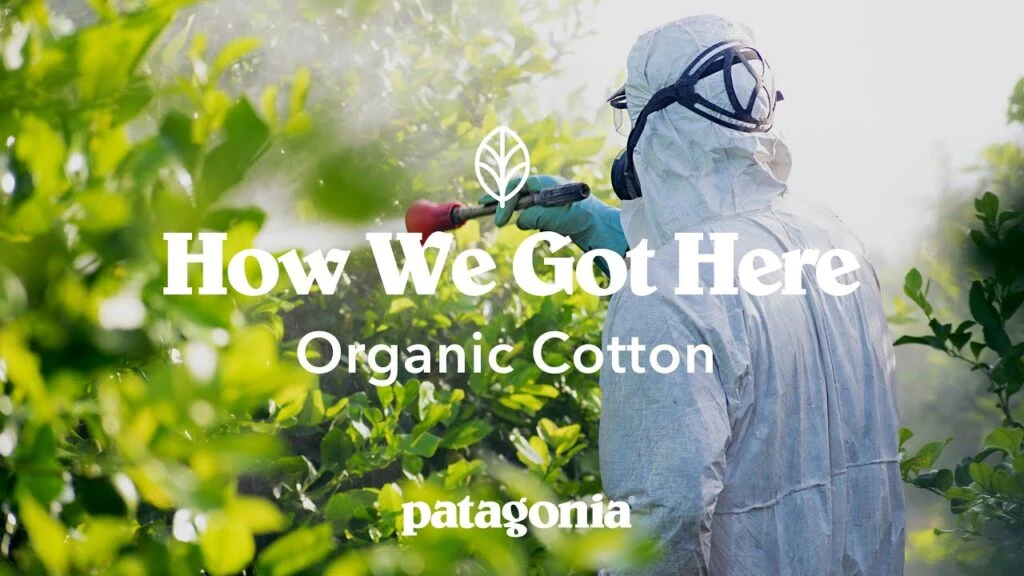
Case study: Patagonia’s Worn Wear programme. They repair old gear, resell second-hand items, and recycle what can’t be fixed. It’s genius—they’ve turned sustainability into a profit centre.
Another cracking example: Allbirds, the footwear lot. Their entire brand was built from the ground up using superior materials, such as merino wool and eucalyptus tree fibres.
But here’s the really clever bit. They slap the carbon footprint figure right on the product itself.
No digging through reports, it’s just there.
It’s like seeing calories on a menu, but for the planet.
It makes the customer feel smart and in control. It builds trust.
Absolute genius.
3. Tell Your Sustainability Story (The Right Way)
Storytelling is powerful.
But when it comes to sustainability, many brands get it wrong.
They focus on doom and gloom. Or they make vague claims about “saving the planet”.
Neither works.
Instead:
- Focus on positive impact
- Use concrete examples and data
- Make it personal and relatable
- Show, don’t tell
Example: Instead of saying, “We’re committed to reducing plastic waste”, say “Last year, we replaced 1 million plastic bottles with biodegradable alternatives. That’s enough plastic to circle the Earth twice!”
4. Empower Your Customers
Want to establish a strong, sustainable brand image?
Make your customers part of the solution.
Provide them with tools and information to make informed, sustainable choices.
Some ideas:
- Create a carbon footprint calculator for your products
- Offer repair services or DIY repair guides
- Provide clear recycling instructions
- Run take-back programmes for old products
Pro tip: Gamify sustainability. Create challenges or rewards programmes that incentivise sustainable behaviours.
5. Collaborate for Greater Impact
No brand is an island.
You must collaborate to make a real difference (and boost your sustainable cred).
Partner with:
- NGOs and environmental organisations
- Other businesses in your industry
- Local communities
- Government agencies
Example: The New Plastics Economy Global Commitment. Many businesses, governments, and other organisations are collaborating to tackle plastic waste and pollution.
6. Invest in Clean Tech
Put your money where your mouth is.
Investing in clean technology demonstrates your commitment to sustainability.
It could be:
- Renewable energy for your operations
- Electric vehicles for your fleet
- AI-powered systems to optimise resource use
- Biodegradable packaging solutions
Pro tip: Don’t just buy the tech. Develop it. Create an R&D team focused on sustainability innovations.
7. Walk the Talk (Internally)
Your sustainable brand image starts from within.
If your house isn’t in order, consumers will see right through you.
Some ways to embed sustainability in your company culture:
- Offer sustainability training for all employees
- Include sustainability KPIs in performance reviews
- Create green teams to drive initiatives
- Lead by example (I’m looking at you, C-suite)
Personal anecdote: We implemented a “Green Friday” policy in my first business. Once a month, we’d dedicate the entire day to sustainability projects. It wasn’t just good for the planet but also boosted team morale and creativity.
8. Use Tech to Prove You’re Not Lying
Right, all this talk is great. But words are wind.
How do you actually prove your claims? How do you prove to people that you’re the real deal?
You use technology to shut down the doubters. It’s your secret weapon against getting called a greenwasher.
- Blockchain: It’s not just for weird internet money. You can use it to create a tamper-proof digital record of your product’s entire path from start to finish. From the farm to the factory to the shelf. No one can mess with it.
- IoT Sensors: Think tiny little spies that track everything. Was this container of food kept at the right temperature? How much fuel did that delivery lorry use? You get real-time, undeniable data, not just promises from a supplier.
- AI: Get it to work, making your logistics smarter. AI can determine the most fuel-efficient delivery routes or predict exactly how much stock you need, thereby reducing waste, emissions, and saving you money. Win-win.
The point is, you move from “trust us” to “here’s the proof”. Hard data beats fluffy marketing guff every single time.
Avoiding the Greenwashing Trap

Let’s talk about the elephant in the room.
Greenwashing.
It’s the fast track to destroying your brand’s credibility.
And it’s more common than you think.
I’ve seen countless brands fall into this trap.
They make grand claims about being “eco-friendly” or “100% sustainable”.
But when you dig deeper? It’s all smoke and mirrors.
Here’s how to stay on the right side of authenticity:
- Be specific. Vague claims like “green” or “eco-friendly” are meaningless. Support your statements with concrete data and specific examples.
- Be honest about your limitations. No brand is perfect. Acknowledge your challenges and areas for improvement.
- Get third-party verification. Don’t just mark your homework. Get certified by recognised sustainability bodies.
- Avoid environmental imagery overload. Pictures of leaves and trees don’t make your brand sustainable. Focus on substance over style.
- Don’t overstate your impact. Be realistic about what you can achieve. Overpromising and underdelivering is a recipe for disaster.
Measuring Your Sustainable Brand Image: Key Metrics to Track
You can’t manage what you don’t measure.
Here are some key metrics to keep an eye on:
- Carbon footprint: Track your total greenhouse gas emissions across your entire value chain.
- Waste reduction: Measure the amount of waste you’re diverting from landfills through recycling, composting, or other means.
- Water usage: Monitor your water consumption and implement water-saving initiatives.
- Energy efficiency: Track your energy use and the percentage coming from renewable sources.
- Sustainable sourcing: Measure the percentage of your materials from sustainable or recycled sources.
- Product lifecycle: Calculate the environmental impact of your products from cradle to grave (or cradle to cradle for circular products).
- Employee engagement: Survey your team to gauge their involvement and satisfaction with your sustainability efforts.
- Customer Perception: Utilise surveys and social listening tools to gauge how consumers perceive your brand’s sustainability efforts.
- Sustainability-linked sales: Track the percentage of your revenue from sustainable products or services.
- Social impact: Measure your contributions to local communities, charitable causes, or social enterprises.
And look, you don’t need to invent all this tracking from scratch. That’s a mug’s game.
There are proper, globally recognised frameworks you can use to guide you. You’ve probably heard the term ESG (Environmental, Social, Governance) knocking about.
That’s what this is.
Frameworks like the GRI Standards give you a solid blueprint for reporting on your overall impact. Alternatively, you could use the SASB Standards, which provide detailed guidance on what financial investors expect to see in your specific industry.
Using one of these shows you’re taking it seriously. It proves you’re not just marking your own homework; you’re using the same proper, strict marking scheme as the big players.
Pro tip: Create a sustainability dashboard that gives you real-time insights into these metrics. Make it accessible to all employees to foster a culture of accountability.
The Future of Sustainable Branding: Trends to Watch

The sustainable branding landscape is constantly evolving.
Here are some trends I’m keeping an eye on:
- In regenerative business models, it’s no longer enough to do less harm. Brands will need to actively restore and regenerate ecosystems.
- AI-powered sustainability Artificial intelligence will play a crucial role in optimising resource use, predicting environmental impacts, and driving innovation.
- Hyper-transparency, enabled by Blockchain and other technologies, will enable unprecedented supply chain transparency. Consumers will demand to know the whole story behind every product.
- Circular economy goes mainstream. The “take-make-waste” model is on its way out. Circular design will become the norm, not the exception.
- Climate positivity and carbon neutrality will be the bare minimum. Leading brands will aim to be climate-positive, removing more carbon from the atmosphere than they emit.
- Biodiversity focus: As the climate crisis intensifies, brands must expand their focus to include biodiversity protection and restoration.
- Sustainable digital: The environmental impact of our digital lives will come under scrutiny. Expect to see more focus on sustainable web design, green hosting, and eco-friendly digital marketing practices.
Conclusion: Building a Sustainable Legacy
Building a truly sustainable brand image can be a challenging task.
It requires commitment, innovation, and a willingness to challenge the status quo.
But the rewards? They’re worth it.
You’ll build deeper customer loyalty, attract top talent, future-proof your business, and—oh yeah—help save the planet.
Not a bad day’s work, eh?
Remember:
- Authenticity is key
- Back up your claims with data
- Engage your stakeholders
- Innovate relentlessly
- Measure, refine, repeat
The future belongs to brands that care.
Are you ready to build yours?
Frequently Asked Questions (FAQs)
What exactly is a sustainable brand image?
A sustainable brand image is the perception of a company as environmentally and socially responsible based on its actions, products, and communication. It extends beyond marketing to encompass a holistic approach to business that benefits people, the planet, and profit.
How long does it take to build a sustainable brand image?
Building a genuine, sustainable brand image is an ongoing process, not a one-time effort. While you can start implementing changes immediately, it typically takes 1-3 years to see significant shifts in brand perception. Consistency and authenticity are essential.
Is sustainability just a trend? Will it still matter in 5-10 years?
Sustainability is far more than a trend—it’s a fundamental shift in business. With increasing environmental challenges and evolving consumer expectations, sustainability will become even more critical in the years to come. Brands that don’t adapt risk becoming obsolete.
How much does it cost to implement sustainable practices?
The cost varies widely depending on your industry and current practices. While there may be upfront investments, many sustainable practices (like energy efficiency measures) can lead to long-term cost savings. Start small and scale up as you see returns.
Can small businesses afford to focus on sustainability?
Absolutely. Smaller businesses often have an advantage in implementing sustainable practices due to their agility. Start with low-cost changes, such as reducing energy use or sourcing locally, and build from there.
How can I determine if my sustainability efforts are having an impact?
Set clear, measurable goals and track your progress regularly. Utilise tools such as lifecycle assessments and carbon footprint calculators. Also, engage with your stakeholders—customer feedback and employee satisfaction can be good impact indicators.
What if my industry is inherently unsustainable? Can I still build a sustainable brand image?
Every industry has room for improvement. Focus on innovating to minimise your negative impacts and maximise your positive ones. Be transparent about your challenges and the efforts you are making to address them. Consumers appreciate honesty and genuine effort.
How can I effectively communicate our sustainability efforts without coming across as if we’re bragging?
Focus on facts and measurable impacts rather than vague claims. Share your journey, including the challenges and setbacks you’ve faced. Involve your customers in your efforts. Remember, it’s not about being perfect—it’s about making genuine progress.
Are certifications like B Corp or Fair Trade worth pursuing?
Third-party certifications can lend credibility to your sustainability claims and provide a framework for improvement. However, they require a significant investment of time and resources. Evaluate whether the benefits align with your business goals and values.
How do I get my employees on board with sustainability initiatives?
Educate your team about why sustainability matters to your business. Involve them in setting goals and brainstorming solutions. Recognise and reward sustainable behaviours. Most importantly, ensure leadership is visibly committed to your sustainability mission.
What if our sustainability efforts negatively impact short-term profits?
While some sustainable practices may require upfront investment, they often lead to long-term cost savings and increased customer loyalty. Be transparent with stakeholders about your long-term vision and the business case for sustainability.
How can I ensure our suppliers are aligned with our sustainability goals?
Start by clearly communicating your sustainability expectations to suppliers. Develop a supplier code of conduct. Consider offering training or resources to help suppliers enhance their capabilities. Regularly audit your supply chain and be prepared to switch suppliers if necessary.