Writing Tips for a Guest Post: Crafting Content That Shines
Guest posting is like a digital handshake that opens doors.
But here’s the catch – your words are walking into someone else’s house. They need to fit in yet stand out. Shine without blinding.
Most guest posts fail before they begin. They’re forgettable, formulaic, or worse – they scream, “I’m just here for the backlink!”
What if, instead, you treated each guest post as a gift? A carefully crafted piece of insight, wrapped in respect for the host’s audience?
This isn’t about following a template. It’s about understanding the art of being a memorable guest – in written form.
Let’s explore how to make your words not just welcomed… but wanted.
- Understanding your audience is crucial for tailoring content that resonates with readers and hosts alike.
- Quality over quantity is essential; focus on delivering valuable insights rather than merely meeting word count.
- Research potential topics to ensure originality and relevance, avoiding overdone ideas.
- Engage with your audience post-publication by responding to comments and promoting your work on social media.
Why Guest Posting Matters

Before we begin, let me explain why guest posting is worthwhile. It’s not only about recognising your name (although that is undoubtedly fantastic). Guest posting allows you to:
- Establish your authority
- Grow your connections
- Increase website traffic
- Boost SEO rankings
- Hone your writing skills
Sounds great, doesn’t it? However, to achieve these benefits, you need to create a killer guest post – and that’s where our writing tips can help!
The Basics: What Makes a Great Guest Post?
It’s not just stringing words together: it’s about providing value to the reader and the host blog.
Know your audience
First things first: who are you writing for? Knowing your audience is like having a secret weapon. It enables you to customise what you write to their needs and interests.
Bring something new to the table.
No one wants to read the same old ideas that have simply been rehashed; therefore, for a guest post to succeed, it must present an original perspective or offer fresh insights.
Think about it as bringing an innovative dish to a potluck — you want people saying things like, “Wow! I’ve never tasted anything like this before!”
Quality beats quantity
Yes, word count matters, but more importantly, quality is essential over quantity for effective writing. A 1,000-word post filled with valuable information will always win against a 10k fluff piece any day of the week.
Choosing Your Topic: The Foundation of a Great Guest Post
The appropriate subject is similar to choosing a perfect foundation for a house. Get it right, and everything else will fall into place.
Research, Research, Research
Before you even consider sending your article, do some research. Go deep into the archival records of the blog hosting your post.
What kind of subjects have they already covered? What haven’t they touched on yet? You should be able to identify the sweet spot from this; pick something related to their audience but not overdone.
Solve a Problem
People adore content that solves their problems. Consider what your audience struggles with most and try to come up with solutions for them – if any of these apply, congratulations!
Ride the Trend Wave
Watching out for trends within your industry could give you an advantage over other writers. This doesn’t mean hopping onto every fad; ensure that whatever is trending right now aligns with the specific focus of this blog and your area of expertise.
Use Tools for Data-Driven Ideas
Look, don’t just guess what people want to read. That’s a mug’s game.
Use a free tool like Google Trends to see if your topic idea is gaining traction or slowly dying out. It’s basic, but it stops you from backing a dead horse.
Better yet, check out AnswerThePublic. It literally shows you the questions people are typing into search engines. Gold dust, that.
If you’ve got access to the bigger SEO tools like Ahrefs, you can see the real numbers. You’ll know how many people are searching for your topic, which means you can pick a winner from the start.
Crafting Your Pitch: The Art of the First Impression

You know what you’re writing about. Now, get it on the host blog. Your pitch is just your foot in the door, so make it a good one.
Keep It Short and Sweet
Busy editors don’t have time to read novel-length pitches. Get to the point fast by telling them why your idea for a post is perfect for their blog.
Show Your Expertise
Why should you be the one who writes this? Talk about your credentials and relevant experience here. But not too much – gentle bragging is better than blatant boasting.
Personalise Your Approach
Generic pitches go straight into the trash can; show them you did some work by mentioning specific posts from their blog or citing their style guide.
Provide a Clear Outline
Right, so you’ve got a killer idea. The thing is, an idea on its own isn’t enough to get a ‘yes’. Editors are swamped, mate. They don’t have time for vague notions.
You need to show them you’ve actually thought it through. Include a brief outline in your pitch, consisting of just a few bullet points that show how the article will flow. This isn’t just for you; it lets the editor see the value and structure in about ten seconds.
It proves you’re not a time-waster and that you respect their schedule. And while you’re at it, chuck in two or three potential headlines. It shows you’re flexible and makes their job easier, which is always a massive win.
Structure Matters: Building Your Post from the Ground Up
Have you got the go-ahead? Time to write! But hold up the structure.
Create an Outstanding Title
Think of your headline as a display window—it should lure people in. Keep it clear, intriguing, and relevant to your target readership.
Grab Them with Your Introduction
The first few lines of your post are make-or-break. They need to pull readers in and make them want more. Try starting with an unexpected fact or statistic, a thought-provoking question, or even a relatable anecdote.
Make Good Use of Subheadings
Subheadings aren’t just for splitting up text — they’re also road signs that guide readers through your article. Bullet key points and make content more accessible to scan by using descriptive subheads.
End Strong
Wrap everything up in the conclusion and give the reader something to consider. Conclude with a call-to-action or pose an engaging question if possible.
The Writing Process: Turning Ideas into Compelling Content
With your blueprint complete, now is the time to expand on your thoughts. This is where the fun begins – when you turn your outline into interesting, helpful content.
Talk It Out
Remember, this isn’t a formal paper. Use conversational language that makes readers feel like they’re talking to someone who knows what they’re talking about.
Give Examples and Tell Stories
Illustrate abstract ideas with real-world examples or personal stories. This writing is more straightforward to relate to and more enjoyable for the reader.
Break It Up
Long paragraphs take a lot of work to read. Break up the content with short paragraphs, bullet points, and numbered lists to make it easier on the eyes.
Data Adds Value
Saying things like ‘studies show’ is just lazy. You’ve got to back up what you’re saying with proper facts.
Go for the good stuff. Look for industry reports from reputable sources like Gartner, or find actual academic papers on Google Scholar. Even government sites have a wealth of solid statistics you can use.
And here’s the most important bit. Always, and I mean always, link back to the original source of the data. It demonstrates that you’ve done your homework and shows respect for the individuals who conducted the research.
The Art of Editing: Polishing Your Post to Perfection
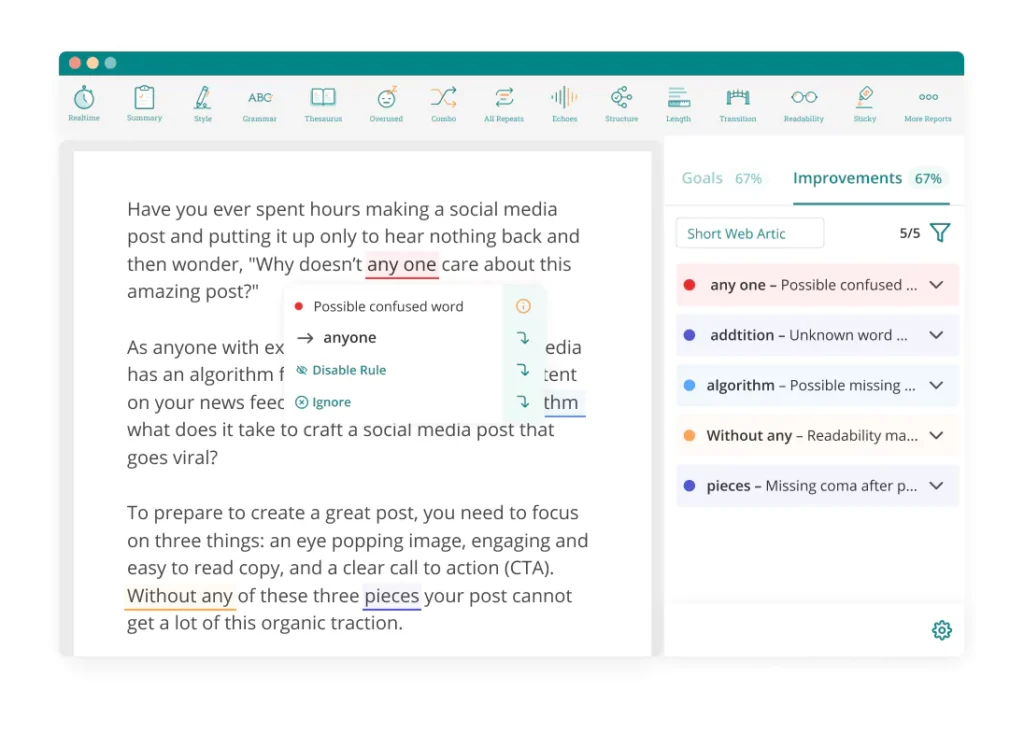
Writing is often redone, according to the proverb. Therefore, never skip the editing process – it’s a place where good articles become amazing.
Take Some Time Off
When you finish your first draft, leave it alone for a bit. This will enable you to see it with fresh eyes and notice areas that need fixing more easily.
Read Aloud
Reading aloud might help catch awkward phrasing, run-on sentences and other issues that don’t come up while reading silently.
Cut Down on Useless Words
Be merciless when getting rid of unnecessary words or phrases. Each sentence should have a purpose. If it doesn’t bring anything new – delete it.
Ensure Smoothness
Ensure that ideas logically follow one another. Employ words or phrases which connect paragraphs within an article, such as: then, next, after this sentence…
SEO Basics: Making Your Post Search Engine-Friendly
Though your primary audience is people, you should also consider search engines. Here are some SEO basics that may help:
Be Wise in Using Your Target Keyword
Put your primary keyword in the title, introduction, and throughout the post. However, don’t overdo it; naturalness is more critical.
Meta Description Optimisation
The meta description doesn’t appear directly in your post, but it is critical to SEO. Write an enticing summary that includes your keyword, making readers want to click on it.
Utilise Internal and External Links
Internal links direct readers to other relevant articles within the same blog, while external links do so for authoritative sources outside it. This not only adds value for readers but also helps search engines understand the content’s subject matter.
Include Semantically Related Keywords
Listen, Google has got a lot smarter over the years. It’s not just about repeating your main keyword over and over again anymore.
It’s about the whole topic. Search engines want to see that you’re covering a subject properly, not just targeting a keyword.
So, if your post is about “guest posting,” you should also discuss topics such as “author bio,” “domain authority,” “pitch template,” and “editorial guidelines.” It shows Google that your article is comprehensive, and that’s what gets you ranked.
Optimising Images
If you use images, give them descriptive file names and alt texts containing relevant keywords where necessary.
The Importance of Formatting: Making Your Post Easy on the Eyes
Content, no matter how well-written it might be, is often challenging to read if it is not formatted correctly. Let’s talk about some tips that could help you make your post visually appealing:
Use White Space
Do not hesitate to use white space, as it gives breathing spaces between words and makes them more readable.
Highlight Key Points
You can make key points stand out by using bold or italics. However, remember that this is only effective when done in moderation; otherwise, everything becomes equally important.
Insert Relevant Images
Images can be used to break the monotony of text while also explaining various ideas. However, ensure they are clear and connect with what has been written.
Consider Using Pull Quotes
Pull quotes help highlight main points and make articles more visually appealing. They work best for longer posts, though.
Building Relationships: The Hidden Benefit of Guest Posting

Guest blogging is more than just about getting your content out there; it’s a great way to foster relationships within your industry.
Interact with the Comments
Please respond to the comments left on your guest post. This demonstrates that you are present and may spark meaningful conversations.
Promote Your Post
After the host blog publishes your guest post, share it across your social media channels. Doing so will drive traffic to their site and indicate that you appreciate the chance they’ve given you.
Stay in Contact
However, do not sever ties once the blog has been posted. Maintain communication with them and keep an eye out for potential future collaborations.
The Follow-Up: What to Do After Your Guest Post is Published
Don’t stop working when you publish your post. Here are some steps to take afterwards:
Track the Performance of Your Post
Monitor the performance of your post. Check out page views, social shares, and comments. You can use this data to improve your strategy for future guest posts.
Answer Comments
Participate in conversations with readers who leave comments on your post. Doing so doesn’t just enrich the discussion; it also helps establish your brand.
Use Your Achievement
Don’t hesitate to mention if your post did well when pitching to other blogs. Success leads to more success!
Common Pitfalls to Avoid in Guest Posting
Even experienced writers can make these mistakes. Here are some things that you should avoid:
Do Not Promote Too Much
It is acceptable to discuss your products and services if they are relevant, but your guest post should not be solely an advertisement. Concentrate more on giving the reader something valuable.
Avoid Plagiarism
Never submit the same post to different blogs. This is not only highly discouraged but also harmful to SEO. Using a plagiarism checker to review your posts before publishing them online is recommended.
Don’t Disregard Instructions
Every blog has its own rules regarding guest posts. If you do not follow them, then there’s no chance your pitch will be accepted or published.
Forgetting the Author Bio
This is a classic blunder. People put all this effort into writing a great post and then rush through the part that’s actually for them. Don’t be that person.
Your author bio is your reward, so don’t mess it up. Keep it short and to the point. But also, tailor it to the blog’s audience. If you’re writing for a tech blog, mention your software background. If it’s a marketing blog, talk about your campaign results.
And your call-to-action needs to be specific. ‘Visit my website’ is weak. Instead, offer them something valuable, like “Get my free 5-step pitch template here.” Give them a real reason to click. That’s how you turn their readers into your traffic.
The Future of Guest Posting: Trends to Watch

Guest posting is not disappearing. However, it is changing. Here are some trends to watch out for:
Video and Multimedia Content
More blogs accept video content or posts that include different media types. Think about how you can utilise these in your guest posts.
Collaborative Posts
Specific blogs have begun publishing collaborative posts featuring multiple guest authors. This can be an excellent opportunity to network and reach a wider audience.
Niche Expertise
With the evolution of content marketing, there is now a greater need for high-quality, long-form content from experts. So concentrate on your niche area, which will help you stand out.
Wrapping It Up: Your Guest Posting Journey Starts Here
So, there you have everything you need to know to create a fantastic guest post. Just remember that, like art, guest posting is also quite scientific. It requires a lot of practice, but the results are worth it once you get it right.
Then why wait? Start thinking about those topics, brush up on your writing skills and prepare to take the blogosphere by storm. Your perfect guest post is just waiting for you to write it!
FAQs: Your Guest Posting Questions Answered
What is the preferred word count for a guest post?
Usually, it should be 1000 to 2000 words, but check the rules of the hosting blog. Nevertheless, quality should come first!
May I link my website to the guest post I write?
Usually, one or two URLs may be included – make sure you review their policy. They can go in the author’s bio section.
How many guest posts do I need to make?
There is no exact number. Try to maximise your output without compromising on quality.
Should I submit my pitch before or after writing my guest post?
You should send a proposal first to avoid wasting time drafting something they don’t want.
Where can I find blogs that accept guest posts?
To find such sites, search engines like Google use phrases like “[your niche] + write for us” or “[your niche] + guest post guidelines”.
Can I publish my guest post again on my blog?
Always ask permission from the host site – some prefer original content only.
What should I do next if a blog rejects my guest post idea?
Don’t get discouraged! Ask what went wrong and use that feedback when submitting another proposal.
After pitching, how long should I wait before checking back about a guest post?
Unless otherwise stated in their guidelines, allow one week before following up; however, some sites may specify a different timeline.
Can I pitch more than one blog about a single guest post idea?
Definitely! However, remember that each submission must be customised. And if multiple editors say yes, plan on writing unique articles for all who accept!
What are some ways to make my work as a guest blogger stand out in this field?
Share insights nobody else has talked about yet, use your background story whenever possible and constantly think, “What’s in it for them?”
Are images required for guest posts?
If applicable, pictures can help illustrate your points – ensure you have the right to use any visuals.
How frequently should somebody write guest posts?
That depends on an individual’s goals and availability. Nonetheless, even one high-quality article per month can make a huge difference.