Where To Find Creative Inspiration: Unlocking Your Imagination
Creativity isn’t some kind of heavenly lightning bolt. It’s not something only the lucky few are born with. No, creativity is a muscle. It’s a habit. It’s a conscious choice.
But here’s the problem: we are all creative beings—every single one of us. The issue is not that we lack creativity; we’ve forgotten how to unleash it. We have buried it beneath layers of self-doubt, routine, and the relentless pursuit of “practicality”.
So, where can we find creative inspiration? It is not hidden in some secret vault or waiting to be unearthed in a foreign land; instead, it surrounds us here and now.
Therefore, the question is not where but rather whether you’re courageous enough to recognise this fact. Are you prepared to look at things through new eyes, to challenge your preconceptions and embrace unfamiliarity?
Because this is when the magic occurs – when you let yourself wonder and open your mind’s eye… That’s also when everything changes because we only realise how incredibly imaginative our brains are!
Now, raring for action? Great! Let us plunge straight into exploring an art which involves finding numerous sources of motivation within such an overflowing world!
- Creativity is a learned skill, not just an inborn talent; anyone can cultivate their creative abilities.
- Inspiration can be found everywhere—nature, urban environments, digital platforms, and immersive experiences.
- Engaging in conversations and connecting with others can expose you to fresh ideas and perspectives.
- Creativity thrives in supportive environments; establish routines and creative communities to nourish your creative spark.
The Nature of Creativity
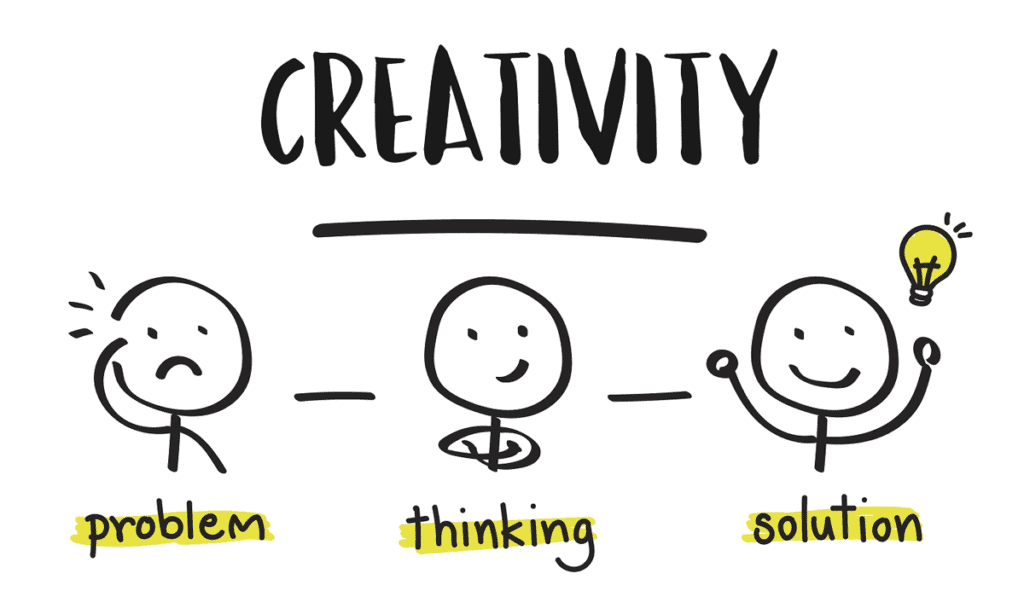
Creativity does not only refer to painting masterpieces or writing bestselling books. It means thinking up new concepts, solving problems in different ways, and looking at things from a new perspective.
Creativity connects the dots between seemingly unrelated ideas and creates something fresh from nothingness.
The Creative Process: Practice Makes Perfect
Some people believe that creativity is an inexplicable magic touch reserved for a select few individuals.
However, this couldn’t be further from reality because anyone can cultivate and improve their creative abilities, as it is not an inborn talent but a learnable skill.
It does not involve sitting around waiting for good ideas, but instead adopting practices that foster original thoughts.
Everyday Sources of Inspiration
The Great Outside: Nature’s Artistic Playground
There is a good reason why many painters and thinkers have always sought natural inspiration throughout history. This is because the world of nature offers countless creative prompts:
- Look at the elaborate patterns on flowers and leaves
- Listen to the waves crashing or birds singing melodies
- Feel tree barks, stones or grass textures
When you feel blocked, walk around a park or spend an afternoon in the countryside and see what comes up.
The Urban Jungle: Creativity in the Concrete Maze
Do not live near nature? That should not be a problem! Cities are packed with creative ideas:
- Street art and graffiti
- Both modern and old architectural designs
- City life busyness
- Overhearing conversations and watching people interact with each other.
Take walks through various neighbourhoods, go to local markets or sit at any busy square for some time. The urban environment is a melting pot of diverse cultures, waiting to spark different thoughts in your mind.
The Digital Realm: Inspiration at Your Fingertips.
In this connected era we live in, getting inspired requires only a few clicks of a button:
- Social media platforms such as Pinterest and Instagram
- Online galleries plus virtual museum tours
- Creative blogs, as well as websites
- Digital art communities.
Nonetheless, it is essential not to lose yourself scrolling forever, while offering lots of great ideas for creative triggers, too much internet activity might stifle one’s creativity.
The Sonic Landscape: Music and Ambient Sound
Right, let’s talk about what’s going into your ears. The thing is, sound is a massive shortcut to getting your brain in the right gear.
It’s not just about blocking out the neighbour’s dog; it’s about setting a mood that lets your best ideas come out to play.
The right soundtrack can genuinely change your state of mind. It can help you focus, relax, or even get hyped up for a brainstorming session. Here’s what actually works:
- Instrumental Music: Look, lyrics are distracting when you need to think. Stick on some classical stuff, film scores, or that lo-fi hip hop everyone’s on about. It creates a vibe without hijacking the words in your head.
- Nature Sounds: The sound of rain or a forest isn’t just relaxing, it tells the primitive part of your brain that you’re safe. It’s like saying, “Chill out, mate, no tigers here.” That frees up a load of mental space for the good stuff.
- Binaural Beats: This sounds a bit sci-fi, I know. However, it essentially involves playing slightly different sound frequencies in each ear. Your brain creates a third tone to make up the difference, and this can nudge it into a state of focus or relaxation. Give it a go; you might be surprised.
Diving Deep: Immersive Experiences for Inspiration

Travel: Expanding Your Awareness
It is unique that travel can change your perspective and boost inventiveness.
Whenever you are abroad, trying different cultures, meals, and sceneries may set up a fire in your mind that you never thought existed.
If luxury vacations are not within your means now, consider visiting another city or trying out a nearby restaurant, as this could spark new ideas.
Museums and Galleries: A Smorgasbord of Sensations
Art museums & galleries can be likened to a warehouse of inspiration. These places offer:
- Exposure to various artistic styles as well as techniques
- Historical context combined with cultural insights
- Quietness for thinking deeply about life’s realities
Why restrict yourself only to art museums? Science, history, and even eccentric specialities can remain fertile grounds for creative ideas.
Workshops and Classes: Acquiring Additional Skills Set
Sometimes, the best way to get inspired is by learning something fresh. Attending workshops or taking classes can help with the following:
- Introducing one to different perspectives plus techniques
- Linking individuals with fellow creatives who think like them
Trying out pottery, coding, and taking up creative writing, among other things that might push you outside your comfort zone, are just a few options available here!
The Power of People: Finding Inspiration in Others
Talking: The Craft of Dialogue
Never underestimate the power of an excellent talk. Communicating with others can,
- Exposes you to fresh ideas and perspectives
- Challenge your presumptions
- Ignite collaborative innovation
Strike up a conversation with a stranger, have a deep talk with a friend, or get involved in community events. You always need to find out where it may take you!
Mentors and Role Models: Giants’ Shoulders
Having a mentor or studying the work of someone you admire can be hugely motivating. Consider looking for,
- Autobiographies and interviews of creative people
- Masterclasses/lectures by experts in your field
- Opportunities to connect with professionals who have experience
Learning from others who’ve been on this journey before us can give us insights and drive that we can’t get anywhere else
Tapping into Your Inner World
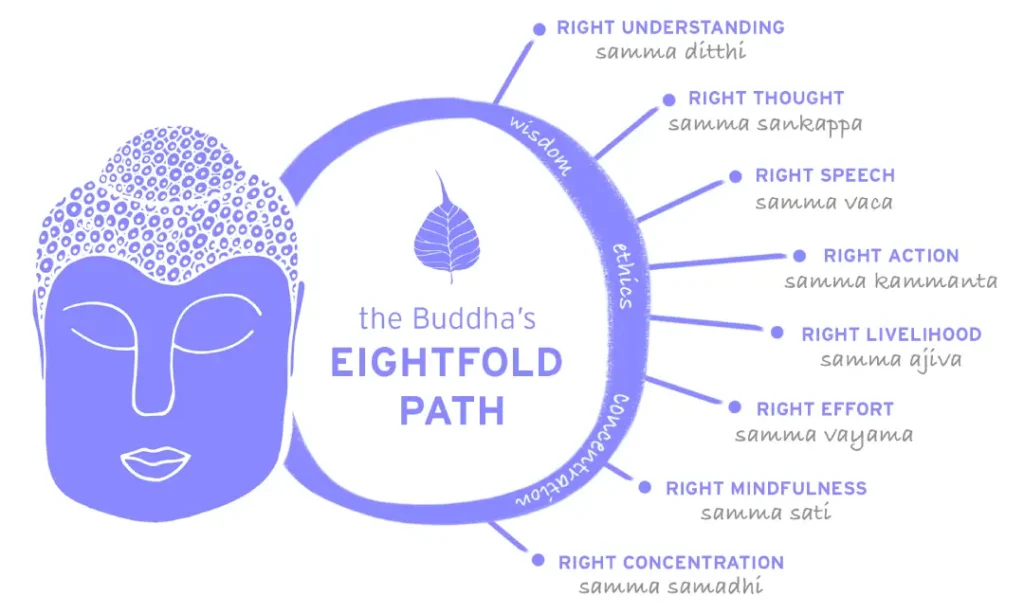
Mindfulness and Meditation: Silencing the Noise
With numerous things happening in our lives, we are often bombarded with external stimuli. But what can it help us if we practice mindfulness or meditation? What is the purpose?
- Clear the mind of thoughts.
- Increase focus or concentration.
- Reach out to the subconscious level of thinking
Many creators admit that their best ideas come during or after a moment of calm reflection.
Dreams and Daydreams: Where Subconsciousness Takes Over
Never underestimate the potency within your dreams and daydreams! Keep a journal by your bedside to record dreams, or set aside time each day to indulge in intentional daydreaming.
To make the most out of journaling, always keep a small notebook with you or use a daily journal template to structure your thoughts and make journaling easier.
Your conscious mind may overlook them, but it is here that your creative self thrives.
Childhood Memories: Rekindling Imagination
Sometimes, all you need to do is go back home again:
- Re-read books you loved as a kid
- Look through old family photo albums or boxes of pictures from when you were little.
- Visit places that held special meaning for you growing up – parks, schools, etc.
Tapping into this sense of wonder can reignite one’s creative spark, much like never before experienced since childhood.
The Power of Play: Embracing a Playful Mindset
Remember being a kid and just messing about for hours? We need to get back to that.
We become so serious as adults, thinking that every action must have a productive outcome. That’s a creativity killer right there.
Look, when you’re just playing, there’s no pressure. You’re not trying to ‘win’ at creativity.
It lowers the stakes, so you’re not scared to try something a bit daft that might just turn out to be brilliant. It gives you permission to fail, and that’s where the magic happens.
- Engage with creative toys: Get your hands on some LEGO, a lump of modelling clay, or even just some pens and paper. Actually building or drawing something, anything, gets your brain firing in a completely different way than just thinking.
- Improvisational games: You don’t need to join an acting class; just give yourself a silly challenge. Describe your kettle as if it’s a Bond villain. The point is to practise making quick, weird connections without judging them.
- Embrace humour: Seriously, go watch some stand-up comedy or a daft film. Laughter literally changes your brain chemistry. It breaks you out of that rigid, stuck mindset because a good joke is all about an unexpected twist.
Embracing the Unusual: Unconventional Sources of Inspiration
Random Prompt Generators: Igniting Surprising Associations
At times, you just need a prompt to get your imagination started. Try:
- Online generators of random prompts
- Opening a dictionary and pointing at a random word
- Using magnetic poetry or story cubes
Put yourself in a situation where you must create something based on whatever words or concepts come up.
Creativity in Sensory Deprivation Chambers: The Blank Canvas
Although it may seem counterintuitive, reducing the amount of sensory information you receive can increase creativity. You might want to consider:
- Spending some time in a sensory deprivation tank (or “float tank”)
- Drawing while blindfolded or writing without being able to see what you’re writing down
- Creating visual art or music using only one sense (e.g., only touch or only sound)
By shutting out everything from outside your body and senses, you allow the brain to fill the void with its own thoughts.
Thinking Inside the Box: Imposing Constraints for Creativity’s Sake
Placing limitations on what you can do often leads to more innovative solutions and higher levels of creativity. Consider:
- Give yourself very tight deadlines for creative work – like only five minutes per painting or 30 seconds per sentence when writing fiction.
- Only use a few paint colours during each session; limit yourself to three brushes, etc.
- Writing stories that must fit into a few words – say 100 maximum for flash fiction pieces (it’ll help teach brevity).
Setting boundaries forces people out of their comfort zones and encourages them to think about things differently than they might otherwise have done.
The Creative Ecosystem: Building a Supportive Environment

Creating A Space That Is Conducive To Creativity
You may not realise it, but your surroundings can significantly impact the amount of inspiration you have. You should consider:
- Designating a specific area for creative activities in your house or apartment
- Placing objects that are likely to spark inspiration around you
- Making sure that there is good lighting and comfortable seating arrangements in your area of choice
Now, this might sound a bit fluffy, but the colours you surround yourself with genuinely make a difference.
It’s not magic; it’s just how our brains are wired. The right splash of colour can subtly nudge your mood and your thinking.
- Blue: This is your mate for big-picture thinking. It’s calming and associated with intellect, so it can help open your mind up when you need to brainstorm without limits.
- Green: Think of a walk in the woods. Green is restful on the eyes and mind. It’s brilliant for reducing creative anxiety and helping you stay in a state of calm focus for longer.
- Yellow and Orange: These are your high-energy colours. They grab your attention and can give you a burst of optimism. Good for a quick blast of energy, but maybe don’t paint the whole room orange unless you want to be permanently wired.
If you create a creative space that is aesthetically pleasing, you will find yourself gravitating towards it more often.
Routines and Rituals: Fostering Creative Habits
Developing regular patterns of behaviour can do wonders for cultivating creativity. It allows you to:
- Prepare your mind for thinking outside the box on command
- Get past those annoying mental blocks that come up when trying new things sometimes
- Make being imaginative something that happens all the time, every day, without fail
Consider doing freewriting first thing in the morning or ending each night with a sketch. Try taking “creativity breaks” throughout the workday – whatever routines work for you.
Creative Communities: Expanding Horizons Together Through Sharing
One of the best ways to gain ideas is to connect with like-minded individuals. This can take many forms, such as:
- Joining online forums or groups where artists trade their secrets and methods freely amongst themselves;
- Going out into larger areas like towns/cities where there might be meetups or events specifically catering towards those interested in various crafts/mediums;
- Creating close-knit circles made up entirely of friends who value self-expression through any means necessary – even if they don’t quite get what this whole art thing is about yet!
By exchanging pieces we’ve produced and offering constructive criticism to others, we become better creators together than we would be alone.
Overcoming Creative Blocks: When Inspiration Seems Elusive
Ways of Being Creative by Doing Nothing at All
We hardly ever let ourselves get bored in this constantly connected world. However, boredom can be helpful for creativity.
You may be surprised at what thoughts occur when there’s some distance for the mind to travel.
Shaking Up Your Routine: Change of Scenery
Sometimes, it takes no more than a different place to make something new:
- Work somewhere else (a cafe, park, etc.)
- Move stuff around where you work now
- Take yourself out for the day, someplace unfamiliar
Seeing through different eyes often leads to having fresh ideas.
Get Moving: Physical Activity as a Mental Reset
Right, you’re staring at a blank page. Your brain feels like sludge.
The worst thing you can do is sit there and try to force it. Get up and move.
There was a study at Stanford University in 2014, proper clever people, and they found that walking literally makes you more creative.
It’s not just a nice idea, it’s a fact. Your creative output can go up by an average of 60% just by going for a walk.
It works because it increases blood flow to your head, obviously. But it also quiets down the bit of your brain that’s always judging and planning.
That allows the more random, associative thoughts to bubble up to the surface.
- Take short “walking breaks”. Just ten minutes around the block can be enough to shake an idea loose from the back of your mind.
- Try rhythmic activities like cycling, swimming, or simply jogging in place. Anything with a steady rhythm allows your conscious mind to switch off, so your subconscious can focus on the problem.
- Give yoga or tai chi a go. This stuff mixes physical movement with mindfulness. It’s like a double-whammy for clearing out the mental cobwebs and getting you ready for a breakthrough.
Mixing Disciplines: Cross-Pollination
You don’t need to restrict yourself to only one area if you seek inspiration. For instance:
- Apply principles from another field to yours
- Find a partner from a creative background that differs from yours and collaborate on a project together.
- Study techniques used in various art forms
Mixing concepts from seemingly unrelated areas yields some of the most innovative ideas.
Nurturing Your Creative Spark: Long-Term Strategies
Lifelong Learning: Satisfying Your Wonder
Creativity thrives on new experiences and ideas. So, commit to lifelong learning.
- Read extensively, both inside and beyond your area of expertise
- Attend lectures and conferences
- Take online courses or continue your education
The more you learn, the more raw material you have for creative work.
Self-Care: Stoking Your Creative Flame
Creativity is not only about what you do but also about how you care for yourself.
- Get enough sleep first in everything else
- Eat nutritious meals and drink plenty of water all day long
- Exercise regularly to improve mental as well as physical health
A healthy mind and body are more open to creative insights.
Reflection and Documentation: Recording Your Creative Process for Later Use
Don’t forget to track your creative journey by reflecting upon it frequently.
- Write in a journal or keep a sketchbook with you at all times
- Take pictures or videos while developing your projects step by step
- Note down lessons learnt from different creative encounters made along the way, etc.
This will help you see how far you’ve come and give direction when starting new projects.
The Digital Age: Navigating Inspiration in the Information Era
Quality Over Quantity: How to Curate Your Digital Intake
The internet has so much stuff. Here’s what you can do about it:
- Only follow accounts that inspire you.
- Find everything that interests you and put it all in one place with a tool like an RSS feed.
- Tell yourself when and how much time you can spend on social media.
Don’t consume more content; find the right content.
New sources of inspiration through tech
As technology evolves, so does creativity. Here are some ways to keep up:
- Visit virtual reality art exhibits or museums
- See what paintings look like on your wall using augmented reality apps
- Make things inside of computer worlds
These tools enable us to change how we create and perceive art, leading to new and innovative ideas.
Teaming up with AI for Creativity
People are now utilising artificial intelligence in creative fields. Here’s how we can, too:
- Try making something based on a computer-generated writing or painting prompt.
- Use AI as part of your creative process, but not as the sole means.
- Chatbots? Ethics? Consciousness? Talk about them all about AI’s role as a creator.
AI won’t replace artists, but it might prompt them to think differently.
Conclusion: Your Inspiration Toolkit
Discovering motivation for creativity is an individual task. Whereas one person may be affected by something, another may not find it inspiring. The trick is to try many things, experiment often and be aware of what touches you personally. Develop your collection of sources of creative inspiration, techniques and practices when needed.
You don’t have to wait for inspiration because it will never come if you keep waiting. Make it part of your lifestyle and cultivate a mindset that fosters creative thinking. In this article, we have learned about some strategies and sources that can help unlock our creative potential and find inspiration in everything around us.
Therefore, start creating! The rest of the universe badly needs your mind-boggling visions and innovative thoughts. You never know where or when such an experience might happen next, but it’s always near at hand!
FAQs: Unlocking Creative Inspiration
How frequently should I look for new wellsprings of motivation?
There is no strict standard. However, consistently opening yourself to new encounters and thoughts is a wise approach. Attempt to incorporate something new into your daily practice week by week, regardless of whether it’s visiting a new spot, trying a new exercise, or exploring a different art form.
Would creativity be able to be learned, or is it an inborn ability?
While a few groups may have a characteristic tendency towards inventiveness, it’s undoubtedly an expertise that can be created and improved with training. Like any ability, the more you work at it, the better you’ll become.
I’m not a craftsman or essayist. How might innovativeness benefit me in my day-to-day life or profession?
Creativity isn’t restricted to conventional imaginative interests. It’s significant in critical thinking, advancement, and adjusting to change – valuable abilities in any field. Building up your imagination can help you approach problems from new angles and devise innovative solutions.
What should I do when I’m feeling uninspired?
Now and again, everything you can manage is to step away and allow yourself a break. Go for a stroll, accomplish something random in your inventive work, or even get a decent night’s rest. Often, motivation comes when you’re not actively seeking it.
How might I defeat the dread of making something that is not sufficient?
Remember that flawlessness is regularly the adversary of imagination. Allow yourself authorisation to make imperfectly. Zero in on the interaction instead of the result, and recall that even expert creatives produce work they’re not entirely content with once in a while.
Is it all right to utilise others’ work as motivation?
Drawing motivation from others’ work is a characteristic part of the creative cycle, yet utilising it as a starting point to foster your novel thoughts instead of copying it directly is essential. Consistently give credit where it is due, and be aware of copyright laws when creating business materials.
How might I make time for imagination in my bustling timetable?
Start little. In any case, dedicating 10-15 minutes daily to an innovative action can have a positive impact. Attempt to incorporate imagination into your daily practice – for instance, outlining during your drive or conceptualising thoughts while doing family errands.
How can I tell if I’m genuinely being imaginative or simply replicating others?
It’s typical for individuals to start with what they have already done, so however much we may want something unique, sometimes there are few new ideas left unused. Nonetheless, each person’s response should always be unique to their influences, as this helps us grow in our own ways, too. If someone adds more personal views to something influenced by another person, they could say they were being “creative.”
How much does one’s creativity benefit from leaving their comfort zone?
It can be a powerful stimulant for creativity when you step out of your comfort zone. This makes you see new things, challenges your assumptions and forces different thought patterns through your mind. It is not always relaxing, but where many creative breakthroughs occur.