The Honest Guide to Sustainable Packaging for SMEs
Sustainable packaging for SMEs means choosing environmentally responsible materials and designs, balancing cost with genuine impact to avoid greenwashing.
Key options include using recycled cardboard, compostable materials derived from plants, and reducing overall packaging volume through minimalist design.
Certifications like FSC-certified paper verify responsible sourcing, helping build brand trust with eco-conscious consumers in 2026.
Here’s the truth: Sustainable packaging is a design problem, not just a material one.
And when you treat it as a design problem, it stops being a costly burden and becomes your single greatest branding opportunity. It’s not just about what your packaging is made of. It’s about how it’s designed, shipped, and the story it tells.
This isn’t just about packaging; it’s a core part of your sustainable marketing strategy. Get it right, and you create customers for life. Get it wrong, and you look like a fraud.
This guide is my attempt to give you, the entrepreneur, a no-nonsense framework: no science jargon, just practical, real-world advice from a designer’s perspective.
- Prioritise "Reduce": make packages smaller, lighter, and void-fill free to cut costs, DIM weight and emissions.
- Choose recyclable, accessible materials (recycled cardboard, rPET, aluminium) over compostable plastics that confuse consumers.
- Treat packaging as design: structural fit and minimal finishes deliver premium unboxing with far less waste.
- Be precise and honest in claims: use specific facts (percent recycled, recyclable, weight savings) to avoid greenwashing.
Why Most “Eco-Friendly” Packaging Advice is Rubbish
Before we build, we must demolish. The sustainable packaging world is built on several pervasive myths that cost SMEs a fortune.
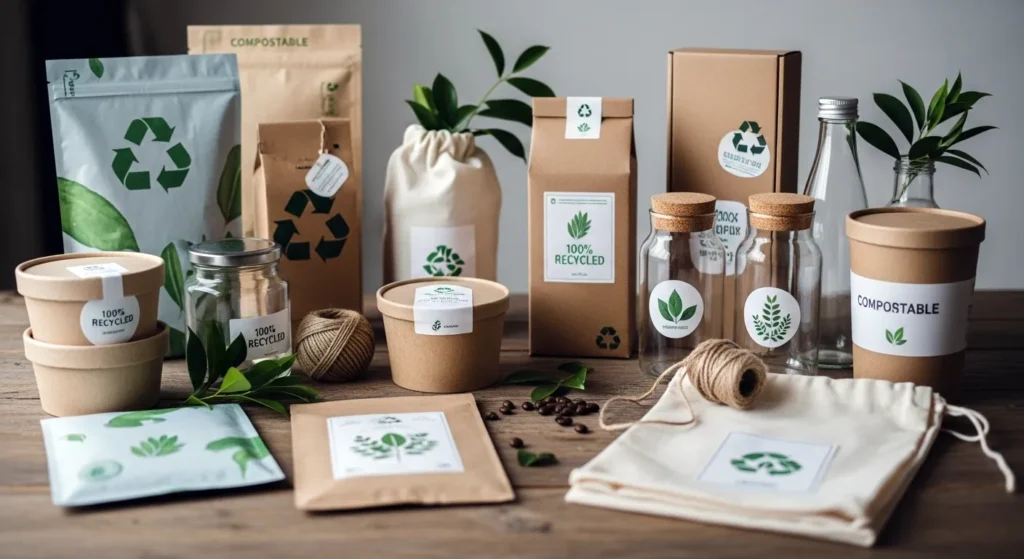
Myth 1: The “Compostable” Saviour
I touched on this in my pet peeves, but it bears repeating. You see “100% Compostable” and you feel good. The problem? It’s a conditional promise.
- The Lie: The consumer thinks, “I can throw this in my garden compost bin.”
- The Reality: Most “compostable” plastics, like PLA (Polylactic Acid) made from corn starch, only break down in an industrial composting facility. These require consistent high heat (55-70°C) and specific conditions.
- The Result: Your customer throws it in their garden bin, where it will sit for years like plastic. Or, they throw it in their recycling, contaminating the entire batch of valuable, recyclable PET.
Unless you are certain your customers have access to and will use an industrial composting facility (e.g., you’re a closed-loop system like a festival or canteen), avoid compostable plastics. A simple, clearly labelled, recycled and recyclable PET (rPET) is almost always the better, more honest choice.
Myth 2: “Recycled” is the Finish Line
“Made from 100% recycled material.” Great. But what happens next?
- Downcycling: Most materials, especially paper and plastic, lose quality when recycled. Paper fibres get shorter; plastic polymers get weaker. It’s not a perfect circle; it’s a downward spiral.
- Energy Use: Recycling is an industrial process. It takes significant energy and water to de-ink, pulp, melt, and reform these materials.
- The Point: “Recycled” is a fantastic start. Always choose recycled over virgin materials. But it’s not the end of the story. The real goal is to design something that doesn’t need to be recycled immediately.
Myth 3: It’s All About the Material
This is the single biggest mistake. Entrepreneurs fixate on what the box is made of.
- The Real Culprit: Air. The most unsustainable thing you can ship is space. You’re paying to transport air wrapped in a box bigger than it needs to be, requiring more void fill (like bubble wrap or packing peanuts) to protect the tiny item rattling inside.
- The Logistics Chain: A heavy, “premium” glass jar might be infinitely recyclable, but it weighs 10x more than a plastic equivalent. The carbon footprint of shipping that glass from the factory to your warehouse, and then to your customer, can dwarf the end-of-life benefit.
The most sustainable package is the smallest, lightest, and most efficient for its journey. This is a structural design challenge.
A Designer’s Guide to Sustainable Materials (The “Honesty” Matrix)
As a business owner, you need to make a choice. Here is my brutally honest breakdown of your most common options, weighing the marketing claims against a small business’s cold, complex reality.
The SME Material “Honesty” Matrix
| Material | The Marketing Claim | The Harsh Reality (My Take) | Best Use Case for an SME |
| Recycled Cardboard / Kraft Paper | “FSC-Certified,” “Recyclable,” “Post-Consumer Waste,” “Natural Look.” | This is your workhorse. It’s brilliant. It’s relatively cheap, lightweight, and genuinely recyclable almost everywhere. The “natural” kraft look has become a powerful brand signifier for “eco-conscious. | Almost everything. E-commerce boxes, product cartons, mailers, and inserts. It’s the default for a reason. |
| rPET (Recycled PET) | “Recycled & Recyclable,” “Circular Solution.” | Don’t let the plastic-haters fool you. Clear, lightweight rPET is one of the most successful recycling stories. It’s easily identified, widely recycled, and uses less energy than virgin plastic. | Food-safe containers, drink bottles, blister packs (if you must). This is your best bet if you need plastic’s properties (clear, waterproof, lightweight). |
| PLA (Compostable Bioplastic) | “Plant-Based,” “100% Compostable,” “Eco-Friendly.” | As mentioned, this is my bête noire. It’s a marketing trap. It confuses consumers and contaminates recycling. It’s only viable in a closed-loop system where you control the disposal. | Rarely. Avoid it unless you are a food vendor with a dedicated industrial composting stream at an event. Seriously. |
| Glass | “Premium,” “Infinitely Recyclable,” “Inert,” “Reusable.” | It is premium and infinitely recyclable. It’s also heavy and fragile. The shipping footprint is enormous. Breakage rates can kill your margin. | Luxury products (spirits, high-end cosmetics, preserves) where the weight is part of the premium feel and the customer is likely to reuse the jar/bottle. |
| Aluminium | “Infinitely Recyclable,” “Lightweight,” “Premium.” | This is fantastic material. It’s lightweight, and recycling saves ~95% of the energy needed to make it new. It’s becoming a go-to for canned drinks, water, and cosmetics. | Drinks (obviously), premium cosmetics (tins, tubes), and refillable containers. A great alternative to glass. |
| Mycelium (Mushroom Packaging) | “Grows itself,” “100% Home Compostable,” “Moulded Fit.” | The future is here, and it’s… expensive. This stuff is amazing—protective, light, and genuinely composts in your garden. However, most SMEs’ tooling and unit costs are still very high. | Not yet. Keep an eye on it. If you’re a very high-end, niche brand selling £200+ items and this is your core story, maybe. For everyone else, wait. |
| Reusable Mailers (e.g., RePack) | Zero Waste,” “Circular Economy,” “Reusable. | A brilliant system. The customer returns the empty mailer to be used again. The problem is adoption. It requires customer education and a reverse-logistics setup. | Subscription boxes or apparel brands with a dedicated, loyal community who will buy into the process. Not for one-off sales. |
“Reduce” is a Design Brief, Not a Vague Wish
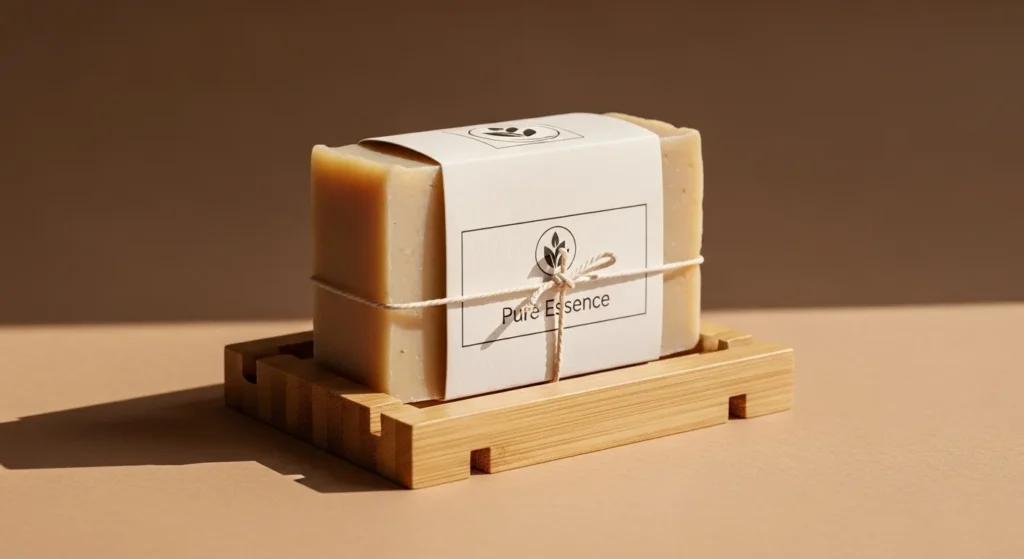
If you take one thing from this article, make it this: The easiest, cheapest, and most impactful sustainable win is simply using less stuff.
“Reduce” isn’t a fluffy goal. It’s a concrete design brief. This is where a good designer earns their fee. When clients come to Inkbot Design for packaging design, we don’t start with materials. We begin with a tape measure and a scale.
1. The War on Air (Structural Design)
Every centimetre you shave off your box dimensions has a ripple effect.
- It reduces your cardboard (or plastic) cost.
- It reduces or eliminates the need for void fill (bubble wrap, air pillows).
- It lowers your Dimensional Weight (DIM) pricing from couriers like Royal Mail, DPD, or FedEx. This is a massive and immediate cost saving.
Real-World Example:
I know an Etsy seller was shipping a small, 100ml oil bottle. They bought stock 6x6x6-inch boxes. The bottle rattled around inside, wrapped in three feet of bubble wrap.
- The Fix: We designed a custom, die-cut “mailer” from a single piece of recycled cardboard. It folded around the bottle, holding it suspended in the middle.
- The Result:
- Material: Went from a box + bubble wrap to one small piece of card.
- Cost: Unit cost dropped by 30%.
- Shipping: The package was now a “Large Letter” instead of a “Small Parcel,” saving over £1.50 per shipment.
- Brand: The unboxing was 100x better. It felt bespoke, clever, and secure.
That is sustainable design in action. It’s not about saving the planet; it’s about keeping your bottom line with a clever, elegant solution.
2. The Print & Finish Diet
Your graphic design choices have a physical footprint.
- Ink: Are you “flooding” the entire box with a solid colour? That’s a tremendous amount of ink, making recycling harder and costing more. Can you achieve a premium feel with a clever, 1- or 2-colour design on a raw kraft material?
- Laminations: That beautiful “soft-touch” matte or high-gloss lamination on your box? It’s a thin layer of plastic. It makes the box non-recyclable. A simple, uncoated stock or a water-based varnish can give a premium feel without dooming the package to landfill.
- Foils & Finishes: Hot-stamping with metallic foil looks amazing. It’s also… plastic. And it can render the whole thing non-recyclable. (Note: some modern “cold foils” are recyclable, but you must check with your printer.)
Ask your designer: “How can we make this look premium with less?” Constraints breed creativity. A minimalist, typography-led design on a beautiful, textured, uncoated stock often looks more sophisticated than a box with five colours and a plastic finish.
The Unboxing Experience vs. The Planet: A False Choice
“But my customers love the unboxing experience! They post it on Instagram!”
I hear this all the time. The idea that a “luxury unboxing” must equal “waste” is a failure of imagination.
You don’t need five layers of branded tissue, three stickers, a foam insert, a rigid box, and a shipping sleeve to create a “wow” moment. You’re just making a pile of rubbish for your customer to feel guilty about.
The new luxury is thoughtfulness.
A premium unboxing experience can be created by:
- A Perfect Fit: As described above, a box that opens to reveal the product held perfectly, with no filler. It communicates precision and care.
- A Single, Beautiful Insert: Instead of a pile of leaflets, include one beautiful card (on 100% recycled, heavy stock) with a personal note and clear disposal instructions for the packaging.
- The “Reveal”: A clever structural fold, a tear-strip that opens cleanly, a single branded paper sleeve holding two items together.
- A Reusable Element: Instead of tissue paper, what about wrapping the product in a small, branded cotton or linen bag that the customer can actually reuse?
- Scent: A light spritz of a brand-appropriate scent on the inside of the box creates an incredible sensory moment for zero physical waste.
Apple is the master of this. Their packaging is a masterclass in reduction. It’s all paper and card, engineered to the micrometre. The “experience” comes from the perfect fit, the smooth pull, and the structural design, not from wasteful fluff.
The Business Case: How Sustainable Packaging Saves You Money
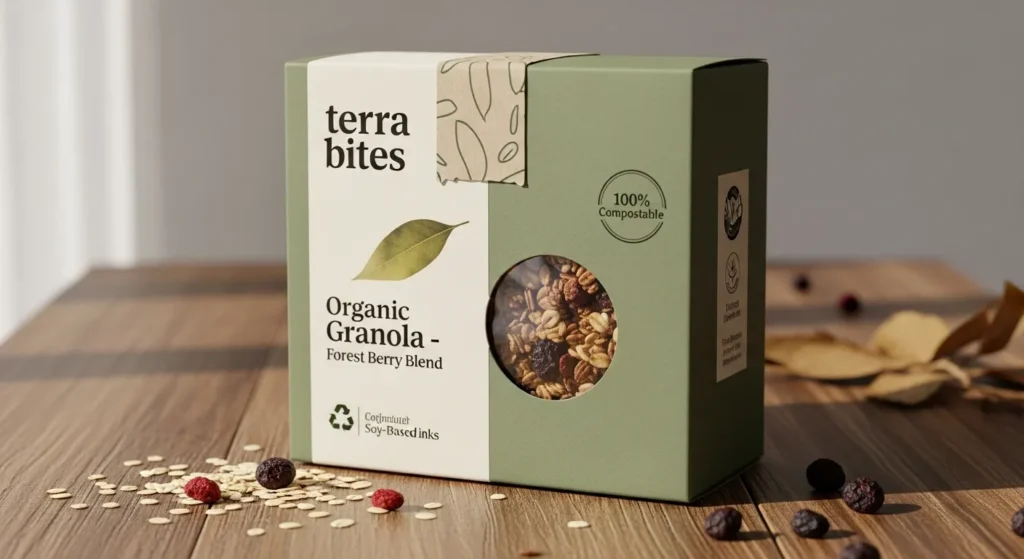
This is the most crucial part. Stop considering sustainability a cost and start seeing it as a profit centre.
- Massive Shipping Savings (DIM Weight): I’ve hit this point hard, but’ll do it again. By reducing the size and weight of your packaging, you will see an immediate, dramatic drop in your shipping costs. For many e-commerce businesses, this is the #1 or #2 most significant expense.
- Reduced Material & Sourcing Costs: Using less stuff means buying less stuff. A clever, single-piece mailer is cheaper than a stock box + void fill + tape.
- Brand Loyalty & Pricing Power: Customers are not stupid. They know when a brand is thoughtful. A study by Nielsen found that 66% of consumers are willing to pay more for products from sustainable brands. Your honest, clever, non-wasteful packaging is proof. It justifies your price point and builds trust that no marketing campaign can.
- Future-Proofing & Compliance: Governments are cracking down. EPR (Extended Producer Responsibility) laws are being rolled out globally. These laws make the producer (that’s you) financially responsible for the end-of-life disposal of your packaging. The more you ship, and the harder it is to recycle, the more you will pay taxes and fees. A bright, minimalist, mono-material design will save you a fortune in compliance costs tomorrow.
How to Talk About Your Choices (Without Greenwashing)
So you’ve made a wise choice. You’ve ditched the PLA, right-sized your box, and switched to a 2-colour print on 80% recycled card. Now, how do you tell your customer?
The new rule is: Honesty, Not Hype.
Customers are deeply cynical of vague, fluffy claims.
- DON’T SAY: “Eco-Friendly,” “Green,” “Earth-Friendly,” “Conscious Packaging.”
- Why? These are meaningless, unprovable marketing terms. They are the definition of greenwashing.
- DO SAY: “Made from 80% Post-Consumer Recycled Card,” “This box is 100% recyclable,” “Weighs 30% less to reduce shipping emissions.”
- Why? It’s specific, factual, and provable.
- DON’T SAY: “Compostable.”
- Why? As we’ve established, it’s a lie by omission.
- DO SAY: “Industrially Compostable. Do not put in home compost or recycling. Find a facility at…”
- Why? It’s honest and educational. (But better yet, just don’t use it.)
Turn your packaging into an educational tool.
Use a small, well-designed icon or a simple line of text at the bottom of the box.
- “I’m just a cardboard box. Please recycle me.”
- “This box is 30% smaller to save on carbon. Reuse it or recycle it.”
- “This glass jar is perfect for spices. Wash it and give it a new life.”
This simple, direct communication builds incredible trust. You’re not bragging; you’re partnering with your customer. You show them you’ve thought about it and trust them to do their part.
My Final, No-Nonsense Advice for Entrepreneurs
You don’t need to be perfect. You just need to be better and honest.
- Start with “Reduce.” Forget materials. Call your designer (or us) and give them this brief: “How can we make this package smaller, lighter, and use less material while still protecting the product and looking amazing?”
- Choose Your “One Thing.” Don’t try to do everything. Maybe your “one thing” is switching to 100% recycled cardboard. Or it could eliminate plastic void fill. Do that one thing, do it well, and tell your customers why you did it.
- Prioritise “Recyclable” over “Compostable.” Choose materials a normal person can easily and widely recycle in their council bin. That means cardboard, paper, rPET, glass, and aluminium.
- Stop Shipping Air. It’s killing your margins and the planet.
- Be Honest. If you must use plastic for food safety, use the most recyclable option (like rPET) and just say that. “We use this plastic to keep your food fresh and safe. It’s 100% recyclable, so please do your bit.” Honesty beats “green” fantasy every single time.
Sustainable packaging isn’t a final destination. It’s a process of constant improvement. And for an innovative, agile small business, it’s the most powerful and authentic branding story you’ll ever tell.
Ready to Stop Guessing?
If you’re an entrepreneur tired of the jargon and just want packaging that works for your product, your customer, and your bottom line, let’s talk.
At Inkbot Design, we don’t design “green” fluff. We create clever, strategic, and beautiful packaging solutions that cut costs and build loyal brands.
Stop shipping air. Stop confusing your customers. Stop wasting money.
Get a no-nonsense quote for your packaging design today.
FAQs (Frequently Asked Questions)
What is the cheapest sustainable packaging for a small business?
The cheapest “sustainable” option is almost always less packaging. Redesigning your box to be 10% smaller or eliminating the need for void fill will save you more money on materials and shipping than switching to a fancy, expensive new “eco” material. Start with 100% recycled cardboard.
Is compostable packaging really better than plastic?
Often, no. Most “compostable” PLA plastics only break down in industrial facilities, not home compost. They contaminate the recycling stream and confuse customers. For most businesses, using a widely recycled material like rPET (recycled plastic) is a more honest and practical choice.
How can I make my unboxing experience sustainable but still premium?
Premium doesn’t have to mean wasteful. Create a “wow” moment with a clever, custom-fit structural design, a single beautiful (recycled) insert card, or a reusable element like a small cotton bag. Thoughtfulness and precision are the new luxury, not layers of tissue paper.
What is “greenwashing” in packaging?
Greenwashing is using vague, unprovable, or misleading claims to make your packaging seem more environmentally friendly than it is. Examples include using “eco-friendly” or “earth-friendly” (which mean nothing) or “compostable” for a material that can’t be composted at home.
What’s more important: recycled materials or recyclable materials?
Both are important, but for different reasons.
Recycled: Using recycled materials (like post-consumer waste) reduces the need for new, virgin resources.
Recyclable: Making your packaging recyclable ensures it has a chance at a second life.
The ideal is both: a package made from recycled materials that is also easy to recycle.
Is glass or recycled plastic (rPET) better?
It depends. Glass is infinitely recyclable but heavy and fragile, giving it a massive carbon footprint in shipping. rPET is lightweight, durable, and widely recycled, but still plastic. For a small e-commerce brand, the weight and cost savings of rPET (and its lower shipping emissions) often make it the more practical choice.
What is “EPR” (Extended Producer Responsibility)?
EPR is a policy approach where a company’s responsibility for its product is extended to the post-consumer stage. This means you, the producer, will be charged fees based on the weight and recyclability of the packaging you put into the market. It’s a strong financial incentive to reduce packaging.
How do I start making my packaging more sustainable?
Start with an audit. Ask:
Can I make this box smaller?
Can I eliminate any inserts or fillers?
Can I switch from virgin cardboard to recycled?
Is my packaging made from a single, easily recycled material?
Don’t try to be perfect; just pick and improve one thing.
Is sustainable packaging always more expensive?
No. This is a common myth. While innovative materials (like mycelium) are expensive, a sustainable strategy focused on reduction (less material, smaller size, lighter weight) will almost always save you money on materials and shipping.
What’s the biggest mistake SMEs make in sustainable packaging?
Focusing on an expensive, “miracle” material (like PLA) while ignoring the basic wins. They ship a tiny product in a huge box, or use a “compostable” mailer that ends up in a landfill. The biggest mistake is not starting with REDUCE.
