Google Knowledge Panel: Guide to Brand Verification
I spent last week auditing a “top-tier” fintech firm that couldn’t understand why its CEO’s search results were cluttered with a defunct local gym of the same name.
They had the budget, the PR team, and the “content strategy,” but they were invisible where it mattered. They didn’t have a Google knowledge panel; they had a digital identity crisis.
Most agencies treat a Knowledge Panel like a trophy—a nice-to-have badge of honour. They are wrong.
In an era where “Search” is being replaced by “Generative Answers,” if you aren’t an established entity in Google’s Knowledge Graph, you don’t exist. You are just a string of text that a machine might, or might not, find relevant.
Ignoring your entity status costs money. It increases your search engine optimisation costs because you’re fighting for visibility rather than owning it.
It kills conversion rates because users trust the “boxed” information on the right side of the SERP more than they trust your paid ads.
If Google doesn’t vouch for you with a panel, you’re just another solicitor or designer shouting into the void.
- Knowledge panels prove an entity's authority in Google's Knowledge Graph and directly improve visibility and conversion rates.
- Structured data, SameAs arrays, Wikidata entries and high-authority press trigger and shape panels more reliably than Wikipedia alone.
- Claim and maintain panels proactively via verification, Schema, monthly audits and the Knowledge Graph API to avoid hijacks and collisions.
What is a Google Knowledge Panel?
A Google knowledge panel is an information box that appears on Google when you search for entities (people, places, organisations, things) that are in the Knowledge Graph. It provides a quick snapshot of information based on Google’s understanding of available content on the web.

The Three Core Elements of a Knowledge Panel
- The Entity Identifier (MID): A unique machine ID (e.g., /m/02mjmr) that distinguishes your brand from every other similarly named object in the world.
- The Information Source: A collection of data points pulled from “Trusted Seeds,” including official websites, social profiles, and structured data.
- The Verification Status: A “Claim this knowledge panel” link or a verification tick that allows the entity owner to suggest edits and control the featured image.
How the Knowledge Graph Actually Works
Google isn’t reading your “About Us” page and thinking, “Blimey, these guys look professional.” It is parsing data. To obtain a panel, you must transition from being “unstructured data” to a “structured entity.”
Understanding the Knowledge Vault vs. The Index
The standard Google Index is a library of pages. The Knowledge Vault is a database of facts. According to Google Developers documentation, the search engine uses Schema.org markup to understand the relationship between things.
When you use technical SEO to implement Organization schema, you aren’t just telling Google your phone number. You are defining your relationship to other entities. If you claim to be “SameAs” a specific LinkedIn profile and a specific Wikipedia entry, you are providing the “connective tissue” the algorithm needs to build your panel.
The Role of the MID (Machine ID)
Every entity has a Machine ID. If you want to see yours, you can use the Google Knowledge Graph Search API. If you don’t have one, you are not yet an entity. You’re just a keyword.
The goal of our digital marketing services is often to move a client from being a “search term” to a “known entity.”
The “Wikipedia Myth” and Why It’s Dangerous
For years, “SEO gurus” claimed the only way to get a panel was to get a Wikipedia page. This is lazy advice. In fact, a 2024 study by Gartner suggests that as AI-driven search expands, Google is diversifying its data sources to avoid the inherent biases of crowdsourced encyclopaedias.
Why Wikipedia is a Liability
- Deletionists: Wikipedia editors are often hostile towards brands they deem “non-notable.”
- Circular Reporting: If you cite your website on Wikipedia, and Google cites Wikipedia, the “fact” has no real-world anchor.
- Lack of Control: You cannot edit your own Wikipedia page without risking a permanent ban.
The Reality: You can trigger a Knowledge Panel through a combination of Wikidata (the data-driven sister of Wikipedia), high-authority press, and impeccable Schema markup.
Step-by-Step: How to Get Your Brand Verified
Verification isn’t a “submit and wait” process. It’s a “build and trigger” process.

1. Audit Your Existing Entity Presence
Search for your brand name. If a panel appears but isn’t yours, you have an entity collision. If no panel appears, you haven’t reached the “notability threshold”, or your online reputation management is lacking.
2. Implement “SameAs” Arrays in Schema
This is the most overlooked step. Your JSON-LD schema should include a sameAs attribute that lists every authoritative profile you own.
- LinkedIn Company Page
- Crunchbase
- Official Twitter/X
- Trustpilot
This tells Google: “All these different URLs are actually the same thing: Me.”
3. Build a Wikidata Entry
Unlike Wikipedia, Wikidata is for machines. It’s a structured database. If you can provide a factual, sourced entry on Wikidata, you are providing Google with the exact format it wants to consume.
4. Maximise “E-E-A-T” Through Third-Party Press
Google needs “corroboration.” If the Financial Times or TechCrunch mentions your brand, that is a high-confidence signal. This is why search engine ranking position is often tied to the quality of your backlinks, not just the quantity.
Amateur vs. Professional Entity Management
| Feature | The Amateur Way (The Mistake) | The Professional Way (The Strategy) |
| Primary Goal | Trying to “trick” Google into a panel. | Providing structured data for reconciliation. |
| Data Source | Relying solely on a Facebook page. | Using Schema.org, Wikidata, and Crunchbase. |
| Image Control | Letting Google pick a random, low-res logo. | Using optimised images with proper metadata. |
| Verification | Waiting for a “Claim” button to appear. | Proactively using the Knowledge Graph API. |
| Maintenance | Ignoring the panel once it’s live. | Monthly audits for “Knowledge Panel Hijacking.” |
The State of Knowledge Panels in 2026
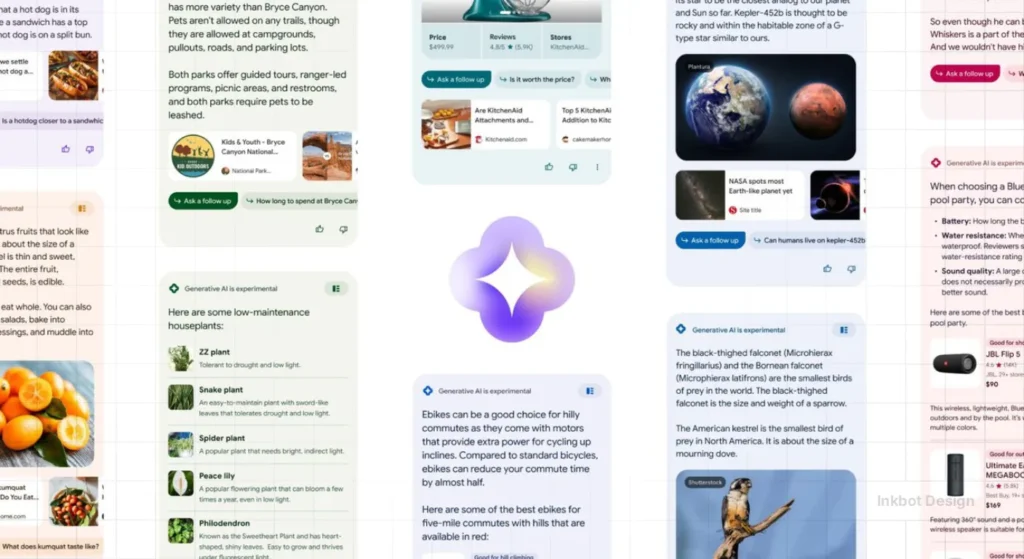
We are entering the “Generative Era.” Google’s Search Generative Experience (SGE) doesn’t just show links; it synthesises answers. If you don’t have a solid Knowledge Panel, the AI will “hallucinate” your brand details or, worse, attribute your achievements to a competitor.
In the last 12 months, Google has integrated Merchant Center data directly into Brand Knowledge Panels. If you sell products, your panel is likely to now include pricing, ratings, and stock levels. This makes local SEO even more vital for brands with physical footprints, as the line between a “Brand Panel” and a “Local Panel” is blurring.
The Reality Check
In my fieldwork, I often see companies spend £50,000 on a website redesign while their Google Knowledge Panel still lists a phone number that hasn’t worked since 2018. It’s an absolute shambles.
I once audited a client who was losing roughly 15% of their organic leads because their Knowledge Panel was pulling a “description” from a disgruntled ex-employee’s blog post from 2012. Google’s algorithm isn’t “smart” in the human sense; it’s a pattern matcher. If the only clear pattern it finds about you is negative or outdated, that’s what it will display.
You need to treat your Knowledge Panel like your digital storefront. If the windows are smashed and the sign is hanging off, don’t be surprised when people don’t want to come inside.
How to Claim an Existing Knowledge Panel
If Google has already generated a panel for you, it is your first priority.
- Sign in to Google: Ensure you are using the account associated with your Search Console.
- Locate the “Claim” link, typically found at the bottom of the panel.
- Provide Proof: You will likely need to sign in to one of your official profiles (e.g., Twitter, YouTube, or Search Console) to verify that you represent the entity.
- The Wait: It can take anywhere from a few hours to several weeks for the verification to stick.
Once verified, you can suggest changes. You cannot “rewrite” the panel—Google still holds the editorial cards—but you can correct factual errors and choose which social profiles are featured.
Entity Collisions: When Google Gets It Wrong
What happens when your brand, “Aero Tech,” is confused with a Malaysian logistics firm of the same name? This is an Entity Collision.
To fix this, you must increase your “Entity Salience.” This involves:
- Geographic Signalling: Ensuring your schema clearly defines your headquarters.
- Topical Authority: Consistently publishing content within your specific niche.
- Unique Identifiers: Using your VAT number or official registration numbers in your structured data.
If you don’t differentiate yourself, you’ll find your online reputation management efforts are wasted as you’re blamed for a company’s mistakes on the other side of the globe.
The Verdict
A Google knowledge panel is the ultimate signal of trust in the digital age. It tells the world—and the algorithms—that you are a verified, notable entity worthy of attention.
It is the foundation upon which all other SEO efforts are built. Without it, you are just a temporary visitor in Google’s index. With it, you are a permanent resident of the Knowledge Graph.
The process isn’t about “hacks.” It’s about technical precision, structured data, and authoritative presence. If you’re tired of being a “string” and want to become a “thing,” you need to get serious about your entity.
Ready to own your brand’s digital identity? Request a quote today to discover how we can optimise your technical SEO and secure your position in the Knowledge Graph. Alternatively, if you’re not ready to discuss, explore our blog for more insights into the future of search.
Frequently Asked Questions (FAQ)
Why don’t I have a Google Knowledge Panel yet?
Google creates panels for entities it deems “notable” and has enough structured data to verify. If you lack a panel, you likely haven’t triggered the notability threshold, or your web presence is too fragmented for the algorithm to reconcile.
Can I pay Google to get a Knowledge Panel?
No. Unlike a Google Business Profile (which is free) or Google Ads (which you pay for), a Knowledge Panel is generated algorithmically. You cannot buy one; you have to earn it through authority and structured data.
What is the difference between a Knowledge Panel and a Google Business Profile?
A Business Profile is for local businesses with a physical location or service area (managed via Google Maps). A Knowledge Panel is for entities (brands, people, books) and is generated from the global Knowledge Graph.
How long does it take to get a Knowledge Panel?
There is no set timeline. If you implement a perfect Schema and secure high-authority press, you might see one in weeks. For others, it can take years of consistent brand building.
Does a Wikipedia page guarantee a Knowledge Panel?
Not anymore. While it helps, Google now uses many other sources. In some cases, Google may even ignore a Wikipedia page if it deems it unmaintained or biased.
Can I change the description in my Knowledge Panel?
Not directly. Google usually pulls the description from Wikipedia or other trusted sources. However, as a verified owner, you can “Suggest an edit” if the information is factually incorrect.
How do I get the social media icons to show up?
You must use the SameAs schema on your website. This tells Google exactly which profiles belong to you. Without this structured data, Google might not be confident enough to link them.
Can a Knowledge Panel be deleted?
Google can remove panels if the entity is no longer deemed notable or if the data is found to be fraudulent. You cannot “delete” a panel yourself, but you can suggest that it be merged if it’s a duplicate.
What is a “Knowledge Panel Hijack”?
This happens when someone else verifies your panel and suggests changes that harm your brand. This is why you must claim your panel as soon as it appears.
Do I need a Knowledge Panel for SEO?
Yes. It significantly increases your Click-Through Rate (CTR) and establishes E-E-A-T (Experience, Expertise, Authoritativeness, and Trustworthiness), which are key ranking factors.
Does my Knowledge Panel affect my Google Ads?
Indirectly. A brand with a Knowledge Panel often sees higher trust signals, which can improve the performance of Brand Search campaigns.
Can individuals get a Knowledge Panel?
Yes. Authors, musicians, and public figures often have “Person” panels. The process is similar: establish notability and provide structured data via a personal website and social profiles.