Deceptive Advertising: Selling Snake Oil in the Digital Age
Do you ever feel like someone is trying to make a fool out of you? These days, some smartly disguised packets of pixels could be the bridge being sold.
We’re presently in a period where attention has become more valuable than money, and everyone is fighting for a piece of your mind. Advertisers are, as it were, alchemists who transform base metal into gold by making you believe so.
Remember that one miracle cream that could erase your wrinkles overnight? What about that app that promised to make you a millionaire before next Tuesday? Welcome to the world of digital snake oil selling in shiny containers.
Well, here’s the thing: We no longer live in the Wild West. We have smartphones instead of six-shooters, and our new frontier comprises bits and bytes. The snake oil salespeople haven’t disappeared; they simply got better at their game.
But what, then, does an intelligent consumer do? How do we navigate this landscape littered with lies and well-crafted optical illusions?
Guys, hold on tight! Smoke and mirrors of today’s marketing will take us through something exciting. It’s time to unfold what lies behind those adverts promising “too good to be true” deals.
Can we now consider ourselves fully-fledged BS detectors? Let’s move on.
- Deceptive advertising exploits emotional manipulation and psychological tactics to mislead consumers for profit.
- Common deceptive practices include bait and switch, fine print misrepresentation, and pseudoscientific claims.
- Consumers should remain sceptical, research thoroughly, and trust their instincts to navigate deceptive advertising.
- Advertising regulations vary globally, creating challenges in controlling misleading practices across different markets.
The Smoke and Mirrors of Modern Marketing
Do you remember when you purchased a miraculous cream that claimed to obliterate your age by 20 years overnight? Of course I do. We are all victims of this at some point in time.
Misleading advertising is like any friend who tells too many lies – initially amusing, but cannot be relied upon.
Someone may think: “So what?” They might consider the practice as nothing more than harmless puffery.
However, in reality, dishonest adverts are both irritating and dangerous. These adverts could result in financial losses and poor health, and generally corrode market trust.
Honestly, we already have enough trust problems.
The Many Faces of Deception

Your local ice cream shop has nothing on the flavours of deceitful advertising. Let’s look at some of the most common:
Bait and switch
Have you ever seen a great deal advertised, only to find out that it is “sold out” as soon as you arrive at the store?
Well, this is the bait and switch for you. It is like being promised a gourmet meal but getting a microwave dinner.
Fine print fiasco
You know those terms and conditions that we all love to ignore? That’s where all the action takes place.
Companies hide vital information in tiny text, hoping you will miss it.
It’s like playing Where’s Wally, except instead of finding an exuberant-looking man wearing stripes, the focus is on discovering what will catch up with you later.
Before and after Con
This one is notorious for weight loss ads. They start with a “before” picture of someone looking miserable and overweight, and then show an “after” picture where they suddenly appear radiant and healthy, with and six-pack abs.
However, they fail to mention that the “after shot was taken five years ago, when the model used to be a professional athlete.
The Pseudoscience Swindle
“Scientifically proven” is used more frequently than a beach party frisbee. However, these claims are often as scientific as your horoscope is.
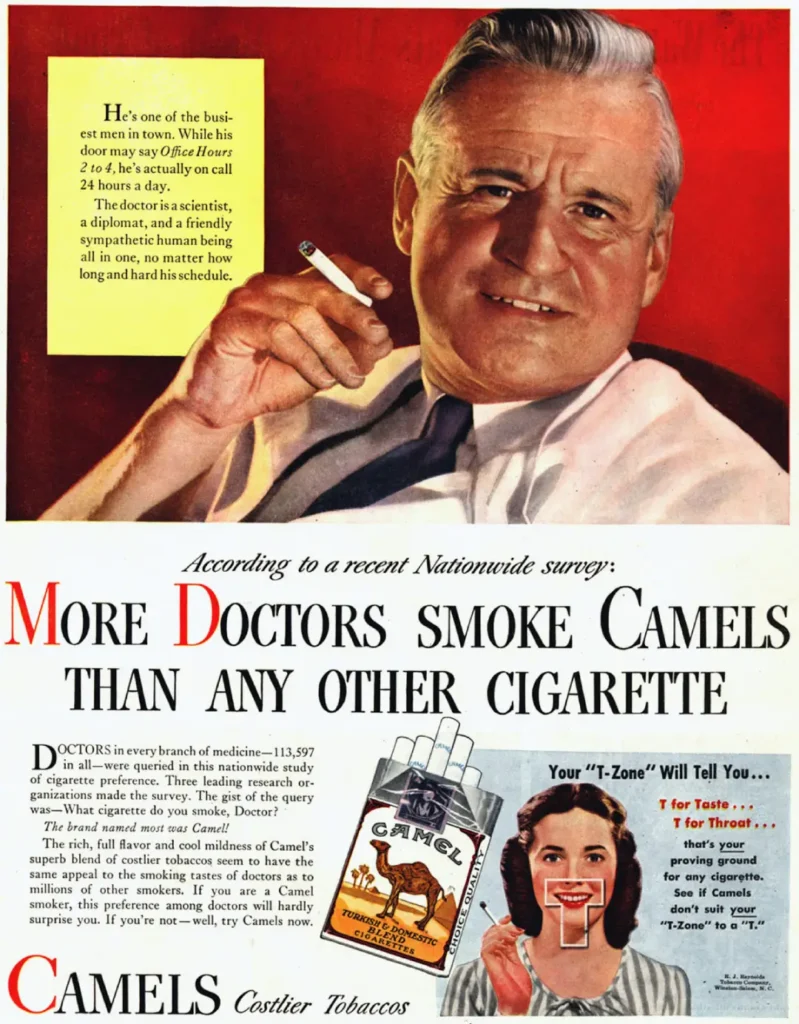
Companies often employ pompous terminology or white-coated actors to lend credibility to their products.
Emotional manipulation game
Some advertisements can make your heartstrings ache even more than puppies with big, sad eyes. They create problems you didn’t know about before, conveniently providing answers.
Imagine being told you have Boring Life Syndrome (B.L.S.), which could only be cured by purchasing an overpriced gadget.
Greenwashing Gambit
This one’s a modern masterpiece of misdirection. A company paints itself as Mother Nature’s best mate, when in reality its environmental record is as clean as a festival portaloo on day three.
You’ll see it everywhere. Fashion brands are selling “sustainable” collections that are still churned out in the same old factories. Food products labelled “all-natural” when they’re packed with processed junk. Even energy companies with huge fossil fuel operations run adverts about their tiny investment in wind farms.
They use vague, fluffy words like “eco-friendly,” “conscious,” or “green” that mean precisely nothing without a proper, recognised certification to back it up. It’s pure marketing fluff.
They just slap a pretty green leaf on the packaging and hope you’ll feel too virtuous to question it. It’s a clever trick designed to prey on your good intentions and your wallet.
Thankfully, the watchdogs are finally waking up. The UK’s Competition and Markets Authority (CMA) has created the “Green Claims Code,” essentially a rulebook designed to prevent companies from making misleading claims about their green credentials. They’re starting to name, shame, and fine firms that can’t prove their claims.
Hidden Fees and Drip Pricing
Right, this one will drive you absolutely spare. Drip pricing occurs when you spot a brilliant deal for a flight, hotel room, or concert ticket, click on it, and then watch in helpless frustration as the price climbs with every step of the booking process.
They drip-feed you all the extra mandatory charges you never knew existed. Suddenly there’s a “booking fee,” a “service charge,” a “resort fee,” and probably a “just-because-we-can fee.”
It’s a deliberate psychological strategy. They lure you in with an artificially low price to emotionally invest you. By the time the real, inflated cost is revealed, you’re so far down the rabbit hole you just sigh and pay up because starting over feels like too much hassle.
It turns a simple purchase into a frustrating marathon of clicks and hidden costs. Thankfully, the government is starting to crack down, pushing for laws that require companies to display the full, honest price from the outset. About time, too.
The History of Hoodwinking
Deceptive advertising is no spring chicken. It has been around since the first huckster arrived, selling snake oil. Let us quickly go back in time:
The Snake Oil Era
In America during the 19th century, travelling medicine shows were very popular. These salespersons would come to a place and claim to have a cure for things such as baldness or bunions.
Mainly, their so-called medicines consisted of coloured water and some alcoholic substance, but guess what? They could sell it!
The Golden Age of Advertising
This was an era when a significant leap in deceitfulness in advertising occurred in the 1950s and 1960s, as cigarette companies claimed their products were “doctor-recommended” and sugary cereals were marketed as “part of a nutritious breakfast.”
The Digital Deception
Fast forward to our current times, where influencers promote products they’ve never used, fake reviews, and websites that flood with ads, all targeting what we think about.
So much has changed, but not its aim: separating your hard-earned money from you.
The Psychology of Persuasion
Do you ever stop and wonder what makes us fall for these tricks? It’s not that we are stupid, but because advertisers are brilliant. They have a wide range of psychological tactics at their disposal.
The Scarcity Scam
“Limited time offer!” “Only 3 left in stock!” These phrases light up the FOMO (Fear Of Missing Out) centre in our brains like a Christmas tree. We’re wired to want things that are rare or disappearing quickly.
The Social Proof Ploy
We are more likely to follow suit when we observe other people doing something.
This explains why advertisements use expressions such as “9 out of 10 dentists recommend” or showcase large groups of individuals using the same product.
The Authority Allure
From an early age, children are taught to respect those in positions of authority.
Therefore, when someone wearing a lab coat endorses a product – particularly if it’s accompanied by celebrity status – we find ourselves trusting said endorsement despite knowing full well that this “doctor” may very well be an actor who flunked high school science class!
The Reciprocity Ruse
Have you ever received a free sample and felt compelled to make a purchase?
That’s reciprocity at work; even if they weren’t precisely favours given back to us originally, humankind has an innate sense of obligation towards returning acts of kindness bestowed upon oneself by others, regardless of whether such actions would qualify under strict definitions.
The Legal Lowdown
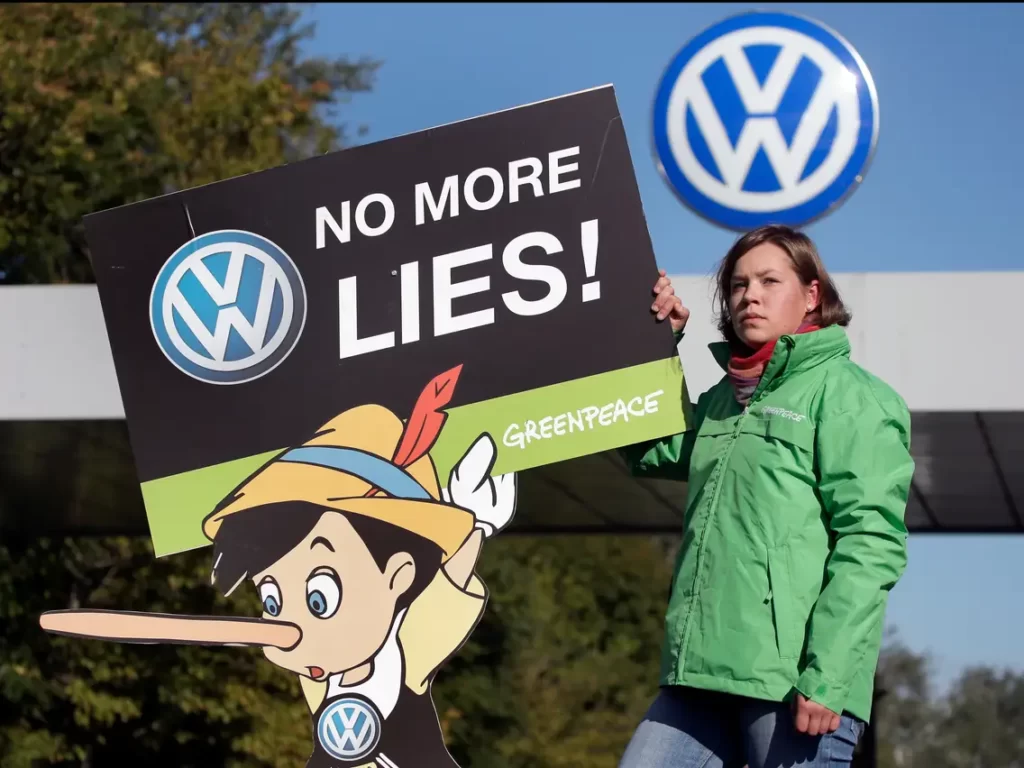
You might be thinking, “This can’t possibly be legal?” Well, it’s complicated, like explaining social media to your grandma. It’s yes and no at the same time.
FTC or Lapdog?
In the UK, advertising is primarily overseen by the Advertising Standards Authority (ASA). They have guidelines that advertisers should follow, but enforcing them is like trying to herd cats – a complex and often frustrating task.
The Grey Areas
What counts as deceptive isn’t always black and white. For example, beauty advertisements are frequently edited with Photoshop; how much exaggeration is too much?
These questions keep advertising lawyers awake all night (and likely laughing their way through life).
The Consequences (or Lack Thereof)
When companies are caught doing something wrong, they often face only minor consequences, receiving relatively light punishments.
Telling a toddler not to eat candy and leaving him alone in a sweet shop would be equivalent.
This all sounds a bit toothless, doesn’t it? Just a slap on the wrist. Well, things are getting spicier across the Channel. The EU has rolled out something called the Digital Services Act (DSA), and it’s a proper game-changer.
Think of it as a new set of rules for the internet’s head honchos, putting them on a much shorter leash. It forces these massive online platforms to stop hiding in the shadows and be way more transparent about their advertising.
Since coming into full force in early 2024, they have had to clearly label every single advert and tell you exactly why you are seeing it. Who paid for it? Why did their clever little algorithm decide your late-night browsing habits made you the perfect target?
Most importantly, it gives you more power to say “no thanks” to the creepy, personalised ads based on profiling. It’s a serious attempt to wrestle back some control from the tech giants and clean up the digital Wild West.
The Digital Dilemma
Online advertising has completely changed how we deceive each other. We went from 2D chess to inter-dimensional checkers.
The Targeted Ad Trap
Do you know when you search for something online, and suddenly, it’s like ads start following you everywhere? Yes, that’s targeted advertising, and it’s pretty cool, but also a bit creepy.
The Native Advertising Nightmare
Native advertisements are made to fit in with the rest of the content. It’s like a wolf in sheep’s clothing, except the wolf wants to sell you something instead of eating you.
The Influencer Illusion
So, social media influencers have become celebrity endorsers now. However, because many fake followers fail to disclose their sponsorships, it becomes difficult to distinguish between those who are genuine and those who aren’t.
The Fake Review Fiasco
You can find fantastic information in online reviews, but you can also be deceived entirely by them. More fake feedback is out there than most people realise, and it’s becoming more challenging to identify.
The Rise of Dark Patterns
These are the digital equivalent of a tripwire, deliberately designed to make you stumble and fall into a purchase. Dark patterns are sneaky, manipulative user interfaces built to trick you into doing things you never intended to do.
Ever tried to cancel a subscription, and it’s like an infuriating online escape room? That’s a “roach motel” pattern: dead easy to get in, nearly impossible to get out. They hide the cancel button behind five different menus.
Or how about when a site tries to emotionally blackmail you? A pop-up asks you to subscribe, and the ‘no’ button says something like, “No thanks, I hate getting good deals.” That’s called “confirmshaming,” and it’s just plain insulting.
They can even sneak items into your shopping basket during the checkout process, hoping you won’t notice. It’s not bad design; it’s clever, unethical design. Luckily, new regulations like the EU’s Digital Services Act are starting to make these dodgy tactics explicitly illegal, which is a big win for everyone.
The Consumer’s Conundrum
So, what can an intelligent consumer do in this age of digital deception? Keep these tips close to your heart:
Be Sceptical, Not Cynical
Look for the signs like you’re a detective, but remember that not all advertising is bad.
Read Between The Lines
Reading the fine print is as entertaining as watching paint dry, but don’t dismiss those little letters – they might contain some significant surprises.
Do Your Research
Spend a few minutes Googling the product and company before making a purchase.
Think of it as giving them a background check just like you would on a potential date — who knows what kind of nasty surprise it could save you from?
Trust Your Instincts
If something seems too good to be true, then it probably is. Treat your instincts like an internal BS detector, and listen up!
Know Your Rights
Become familiar with consumer protection laws; think of them as learning the rules before playing any game.
The Ethics of Advertising

Let’s pretend we’re philosophers for a minute. Is all advertising dishonest? Where do we draw the line between persuasion and manipulation?
Advertisers’ Responsibility
Advertisers have a potent platform. A certain superhero’s uncle once said, “With great power comes great responsibility.” But not all advertisers received that memo.
The Importance of Media Literacy
In an ideal world, everyone would be taught how to think critically about ads from a young age. It’s like giving everyone X-ray specs to see through the BS.
The Future of Advertising Ethics
Some companies are injecting radical honesty into their ads. Refreshingly, it is like gulping down water after drinking only fizzy drinks an entire day.
The Global Perspective
Deceptive advertising is not only a problem in the UK but also a global issue. Different countries have different laws and customs regarding advertisements.
The Wild West of Worldwide Marketing
In some places, advertising rules are as strict as the dress code for a beach party. It’s more liberal than even the most daring UK advertisers would be.
Cultural Differences in Perspective
What one culture sees as misleading may be perfectly fine to another. This can be compared to how some cultures find it strange that we store milk in refrigerators.
The Difficulty with Controlling an International Market
These days, ads can travel around the world faster than you can say “click here.” Regulating this international marketplace is like trying to nail jelly to a wall.
Conclusion
Deceptive advertising is like a chameleon — it changes, adapts and is hard to spot. However, if we equip ourselves with knowledge, scepticism and common sense, we can move through this complicated area.
Remember that in the advertising world, if something sounds too good to be true, then it probably isn’t. So, stay thoughtful about what you see and don’t hesitate to ask questions, because informed consumers are the best defence against deception.
FAQs
Does this mean that every advertisement is misleading?
No, not all advertising is untrue. Although many advertisements use persuasive methods, ethical advertising gives accurate and truthful information about products or services.
How can you tell if an ad is misleading?
Watch out for unrealistic promises, a rush to act fast, hidden costs and vague or unsupported “scientific” claims. Always read the fine print and verify the information yourself.
What do I do if I fall for a misleading ad?
Report it to the UK’s Advertising Standards Authority (ASA). You could also contact the company involved and share your experience so others can be warned.
Are celebrity endorsements dishonest advertisements?
Not always, but they might be misleading if the person doesn’t use it or their results aren’t typical. Take them lightly.
What’s the effect of misleading ads on business?
Deceptive advertising damages consumer confidence, leading to reduced spending and inefficient markets. It also gives an unfair advantage to corrupt businesses over those that are moral.
Is native advertising ever honest?
Sometimes, yes, but it can be deceptive when there’s no clear label indicating that it’s sponsored content at all times. Ethical native ads should reveal that they’re promotional.
In what way did social media change deceptive marketing?
Social media has made it easier for advertisers who are not honest with their audience members, as these deceptions spread rapidly among targeted groups. Additionally, influencer marketing originated from social networks, where genuine recommendations often blend with paid promotions.
Are there any positives associated with regulations around advertisements?
Yes! They protect customers from scams while ensuring fair competition among businesses, ultimately fostering trust within society.
How can I raise awareness about misleading ads among my children?
Encourage critical thinking skills and teach them how commercials are created and work. Watch together, then discuss what you saw afterwards, so they learn how important it is to question everything before drawing conclusions based on research done beforehand.
Is it permissible to exaggerate in advertisements?
Some exaggeration tends not only to be allowed but welcomed; however, once false/misleading statements become something reasonable consumers would believe, we have crossed into illegal territory.
Do different countries deal with false promotions differently?
Different places worldwide enforce laws more strictly than others when dealing with deceptive advertising practices, such as those seen within our borders, where the ASA plays a vital role in regulating various forms, including TV commercials, billboards, and social media posts.
Can tech fix bad marketing problems?
Sure, AI fact-checkers may help, but blockchain can’t solve anything without human oversight, strict laws, and better-informed shoppers fighting against fraudulent schemes disguised under clever slogans like “best value ever!”