10 Examples of Strategic Brand Alliances that Work
Trying to build a brand entirely on your own is the most expensive, exhausting path you can take.
You are screaming, hoping someone hears you above the noise of a million other businesses doing the exact same thing.
Smart entrepreneurs don’t just compete; they collaborate. They realise that somewhere out there, another business has already captured the audience they want.
Instead of spending thousands trying to steal those customers one by one, they form a strategic brand alliance.
This isn’t just about slapping two logos on a t-shirt and calling it a “collab”. Real alliances are calculated, contractual moves that leverage shared values to reduce customer acquisition costs (CAC) and increase brand awareness. They are about borrowing trust, infrastructure, and equity.
In this guide, we aren’t dealing with hypotheticals. We are looking at ten forensic examples of alliances that printed money, changed perceptions, or dominated markets. We will break down why they worked, so you can stop guessing and start partnering.
- Strategic alliances borrow trust and infrastructure to lower CAC and boost awareness through complementary strengths, not superficial logo swaps.
- Choose orthogonal partners with overlapping audiences but non-competing offers to avoid cannibalisation and maximise relevance.
- Structure deals: clear value propositions, commercial models, data rights, and exit clauses to mitigate legal and reputational risk.
- Focus on measurable outcomes—CAC, referral traffic, brand sentiment—and prefer relevance over clout for sustainable ROI.
What is a Brand Alliance?
A brand alliance (often called a strategic partnership or co-branding) is a formal agreement between two or more companies to join forces for a specific strategic objective.
Unlike a merger or acquisition, the companies remain independent of each other. They simply agree to share resources—whether that is intellectual property, distribution channels, marketing budgets, or reputation—to create a value greater than the sum of its parts.
The Three Core Components:
- Value Exchange: Both parties must gain something tangible (revenue, data, reach).
- Audience Overlap (but not cannibalisation): You want similar customers, but you must solve different problems for them.
- Risk Mitigation: A clear legal framework that protects brand equity if things go south.
Consultant’s Note: I often see SMBs rush into partnerships based on a “handshake”. This is suicide. If you do not define who owns the customer data or how revenue is split before you launch, you are not building an alliance; you are building a future lawsuit.
The Strategic Alliance Framework: 10 Real-World Examples
We have analysed hundreds of campaigns. These ten stand out not just for their creativity, but for their commercial logic.
1. GoPro & Red Bull: The Lifestyle Ownership Model
This is the gold standard. You have likely seen this referenced a thousand times, but few explain the mechanics behind it. This wasn’t just about sticking cameras on helmets; it was about content rights and equity.

The Strategy:
GoPro sells capture devices. Red Bull sells energy drinks (technically), but really, they are a media house. Neither product competes, but both target the exact same psychographic: adrenaline junkies and adventure seekers.
The Execution:
They launched “Stratos”, where Felix Baumgartner jumped from space. It wasn’t just a stunt; it was a global media event. GoPro provided the exclusive POV technology, while Red Bull provided the funding and event infrastructure.
Why It Worked:
- Attribute Transfer: Red Bull has “extreme” brand equity. By exclusive association, GoPro is no longer just a camera company; it is an “extreme sports essential”.
- Content Engine: The alliance allows them to co-produce content. Red Bull gets footage; GoPro gets distribution on Red Bull’s massive media channels.
- Equity Stake: It went deeper than marketing. Red Bull actually took an equity stake in GoPro. They had skin in the game.
The Lesson for SMBs:
Find a partner who needs your product to create their content. If you are a video production agency, partner with an event venue. They need footage; you need access.
2. Pottery Barn & Sherwin-Williams: The Utility Bridge
Sometimes, alliances are boring, and that is why they print money. This partnership is purely functional, solving a specific customer pain point.

The Strategy:
Pottery Barn customers care about aesthetics. They buy a couch, get it home, and realise their wall colour looks terrible next to it. Sherwin-Williams sells paint but struggles to inspire customers on which colour to pick.
The Execution:
Pottery Barn collaborated with Sherwin-Williams to create an exclusive line of paints. Then, they added a “painting advice” section to their website, allowing users to match furniture directly to specific paint codes.
Why It Worked:
- Reduced Decision Fatigue: Customers hesitate to buy expensive furniture if they aren’t sure it will fit their room. By providing the matching paint, Pottery Barn removes a barrier to purchase.
- Trust Borrowing: Sherwin-Williams is an authority on paint quality. Pottery Barn borrows that technical trust.
- Contextual Relevance: Sherwin-Williams places its products precisely when the customer is considering home renovation—right at the point of furniture purchase.
3. Uber & Spotify: The Experience Enhancer
This alliance addressed a subtle flaw in the product experience. Taking a taxi is typically a passive and generic experience. Uber wanted to make it personal.

The Strategy:
Uber integrated Spotify into their rider app. When you booked a ride, you could choose the playlist that would play in the car upon arrival.
The Execution:
This required deep API integration. It wasn’t just a marketing banner; the apps actually talked to each other.
Why It Worked:
- Differentiation: It gave Uber a unique selling proposition (USP) over standard taxis or Lyft. “Your ride, your music.”
- Incentivised Upgrades: Spotify utilised this approach to promote Premium subscriptions, as the feature was often gated or enhanced for paying users.
- Stickiness: Once a user links their accounts, they are less likely to switch to a competitor app because they lose that personalised setting.
The Lesson for SMBs:
Look at your customer’s journey. Is there a “dead time” or a friction point you can’t fix alone? Partner with a tech provider who can fill that gap.
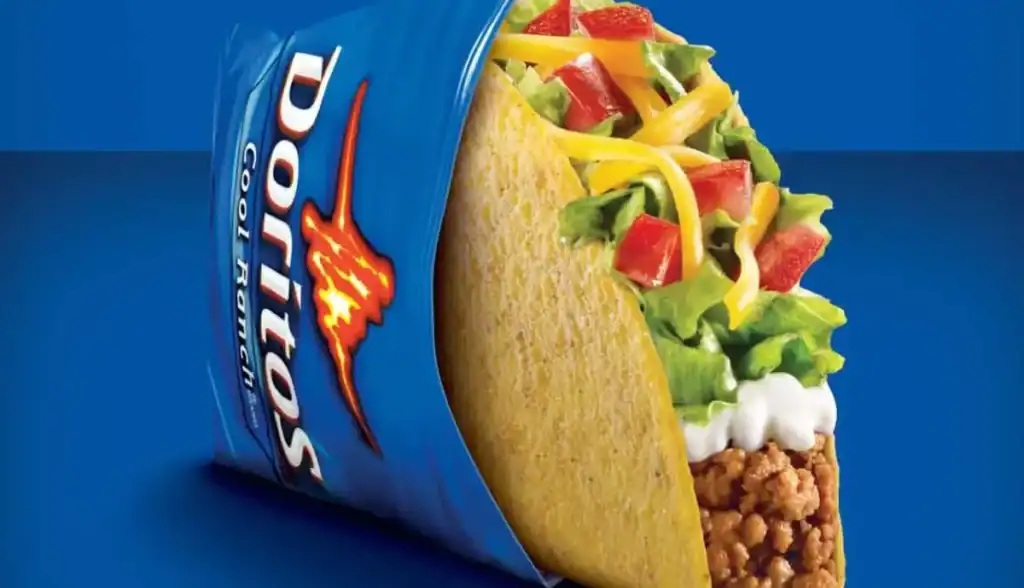
4. Taco Bell & Doritos: The Product Innovation (Locos Tacos)
This is perhaps the most famous example of co-branding in the fast-food industry. It wasn’t just a promotion; it was a manufacturing breakthrough.
The Strategy:
Taco Bell needed a hit. Their menu felt stale. Doritos (Frito-Lay) is always seeking new ways to market corn chips. They asked: “What if the taco shell were a Dorito?”
The Execution:
This was harder than it sounds. They had to re-engineer the shell to hold the “Doritos dust” without it falling apart or being too messy, while maintaining the crunch. It took years of R&D.
Why It Worked:
- Massive Sales: They sold over a billion units in the first year. It revived Taco Bell’s financials.
- Newsjacking: The absurdity of the product generated millions in free press (Earned Media).
- Shared Demographics: The late-night snacker eats Doritos and goes to Taco Bell. It was a perfect circle.
5. BMW & Louis Vuitton: The Luxury Compatibility
High-end brands are terrified of dilution. They rarely partner because they don’t want to cheapen their image. When they do, it must be with an equal.

The Strategy:
BMW launched the i8, a futuristic hybrid sports car. They wanted to emphasise that “eco-friendly” could still be “ultra-luxury”. Louis Vuitton is the master of travel luxury.
The Execution:
Louis Vuitton designed a four-piece luggage set specifically engineered to fit into the i8’s tight parcel shelf. The luggage was made from carbon fibre, the same material as the car’s chassis.
Why It Worked:
- Exclusivity: You could only get the luggage if you bought the car (initially). This creates desire.
- Material Science: Both brands highlighted their technical innovation (Carbon Fibre). It wasn’t just about style; it was about engineering.
- Price Validation: If Louis Vuitton makes luggage for this car, the car’s £100,000+ price tag feels justified.
6. Apple & Mastercard (Apple Pay): The Infrastructure Play
This is an alliance that changed global behaviour. Apple didn’t want to be a bank, and Mastercard didn’t want to build a phone.
The Strategy:
Apple needed a seamless payment utility to make the iPhone indispensable. Mastercard needed to ensure it wasn’t cut out of the emerging digital wallet ecosystem.
The Execution:
Apple provided the hardware security (Touch ID/Face ID) and the user interface. Mastercard provided the payment rails and merchant relationships.
Why It Worked:
- Frictionless Adoption: Apple didn’t have to sign up millions of merchants; Mastercard already had them on board.
- Security Perception: Mastercard benefited from Apple’s reputation for privacy and security.
- Utility: This wasn’t a marketing campaign. It marked a fundamental shift in how people make purchases.
The Lesson for SMBs:
If you have the interface (the audience) but lack the infrastructure, do not build it from scratch. Partner with the legacy player who has the rails but lacks the cool interface.
7. UNICEF & Target: The Halo Effect (CSR)
Strategic alliances aren’t always B2B. Non-profit partnerships can be incredibly powerful for brand equity.

The Strategy:
Target aimed to appeal to family-oriented consumers who are concerned about global health. UNICEF needed funding and mainstream visibility for their Kid Power program.
The Execution:
Target sold “Kid Power Bands” (fitness trackers). As kids moved and completed fitness goals, the bands “unlocked” therapeutic food packets that Target/UNICEF would send to malnourished children globally.
Why It Worked:
- Gamification: It turned charity into a game for kids, making the product highly desirable.
- The Halo Effect: Target gets to look like a hero, boosting brand trust.
- Retail Footprint: UNICEF gained access to Target’s massive physical distribution network, something a non-profit could never afford on its own.
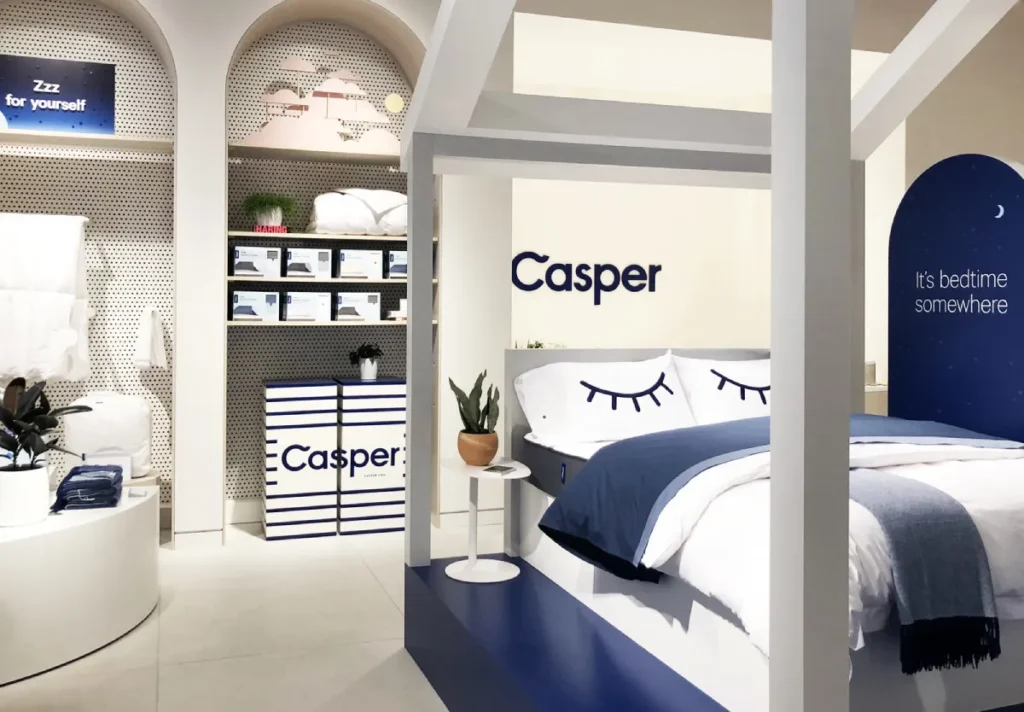
8. Casper & West Elm: The Distribution Bridge
Casper was a “digitally native” mattress brand. They had a problem: people still like to lie on a mattress before spending £800. West Elm is a furniture retailer that needs to fill bedroom setups with props.
The Strategy:
Casper needed physical showrooms without paying rent for 200 stores. West Elm needed to sell the “complete bedroom” concept.
The Execution:
Casper mattresses were displayed on West Elm bed frames in West Elm stores. Customers could test the mattress and buy it.
Why It Worked:
- Cost Efficiency: Casper got a physical retail presence for zero rent. West Elm got a commission on sales.
- Contextual Selling: A mattress looks better on a nice bed frame than in a plastic wrapper. It helped West Elm sell more frames.
- Trust: Seeing the mattress in a reputable store like West Elm legitimised Casper, which was just a startup at the time.
9. Lucasfilm (Star Wars) & LEGO: The IP Licensing Titan
This alliance saved LEGO. In the late 90s, LEGO was struggling. They resisted licensed sets, thinking their own generic bricks were enough.

The Strategy:
License the most popular story in the universe (Star Wars) and recreate it in brick form.
The Execution:
It wasn’t just sets. It became video games, TV shows, and movies. The “Lego Star Wars” sub-brand became almost as powerful as the parent brands.
Why It Worked:
- Generational Bridge: Parents who loved Star Wars bought the sets for their kids. It bridged the gap between Gen X and Millennials/Gen Z.
- Collectability: It turned a toy into a collector’s item, increasing the lifetime value of the customer.
- Content Loop: The video games acted as marketing for the sets, and the sets, in turn, served as marketing for the movies.
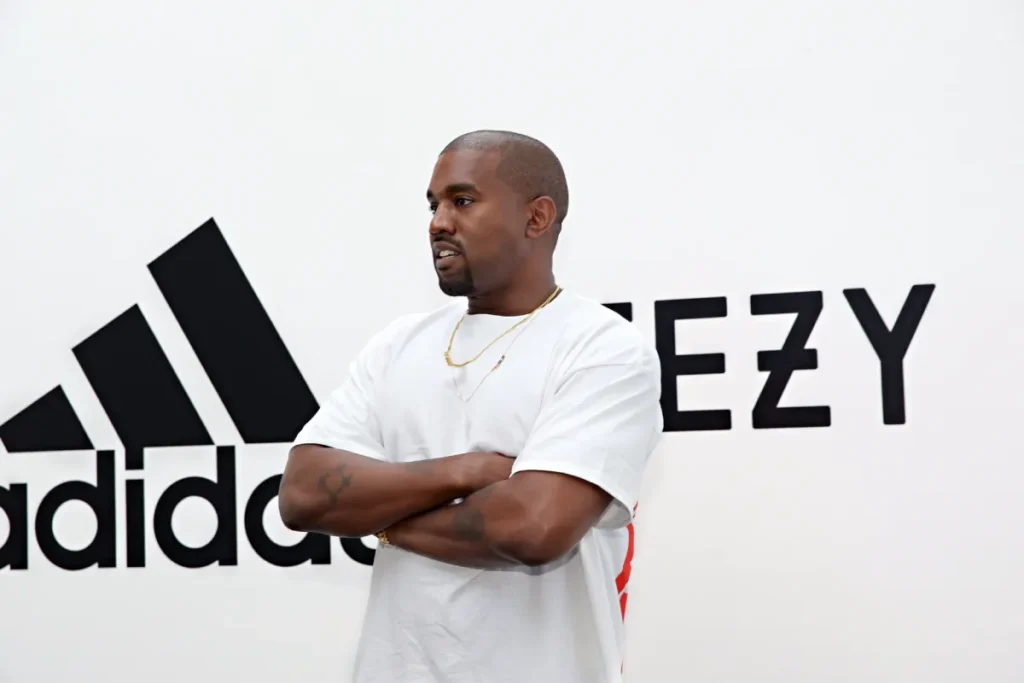
10. Kanye West & Adidas (Yeezy): The High-Risk, High-Reward Lesson
We must include this, despite the eventual collapse, because for nearly a decade, it was the most profitable apparel alliance in history. It teaches us about the power of the Creator Economy and the risks associated with person-brand alliances.
The Strategy:
Adidas had lost its “cool” factor to Nike. They needed cultural relevance. Kanye West needed a manufacturing partner who would give him creative control and royalties (which Nike refused).
The Execution:
Adidas gave Kanye his own sub-brand, “Yeezy”. They provided the supply chain and distribution; he provided the hype and design direction.
Why It Worked (Initially):
- Scarcity Marketing: They mastered the “drop” model, creating artificial scarcity that drove resale markets wild.
- Cultural Capital: Kanye brought an audience that Adidas couldn’t reach with traditional athletes.
Why It Failed (The Warning):
- Reputational Risk: When you tie your brand to a volatile individual, you inherit their volatility. Adidas lost billions when it had to sever ties due to West’s controversies.
- Lack of Control: The alliance gave the partner too much power, allowing the parent brand to struggle in reining them in.
The Lesson for SMBs:
Influencer alliances are powerful, but dangerous. Ensure your contracts have “morality clauses” that allow you to exit immediately if the partner damages your reputation.
The Myth of “Perfect Fit”
There is a pervasive myth in marketing that you should partner with brands that are just like you. If you sell luxury coffee, consider partnering with a luxury tea brand.
This is wrong.
If you partner with a brand that is too similar, you risk Cannibalisation. You are fighting for the exact same share of wallet.
The best alliances are orthogonal. They meet at a 90-degree angle.
- GoPro (Hardware) + Red Bull (Media).
- Uber (Logistics) + Spotify (Audio).
- Pottery Barn (Furniture) + Sherwin-Williams (Chemicals).
They share a customer, but they do not share a competitor.
Comparative Analysis: The Amateur vs. The Strategist
| Feature | The Amateur Approach | The Strategic Approach (Pro) |
| Partner Selection | Pick a friend or a “cool” brand. | Pick a brand that solves an adjacent customer problem. |
| Goal Setting | “Get more likes/followers.” | “Lower CAC by 20% or enter a new vertical.” |
| Integration | Logo swap on social media. | Product integration, API connection, or shared supply chain. |
| Legal | Handshake agreement. | Detailed contract covering IP, data ownership, and exit clauses. |
| Duration | One-off campaign. | Long-term roadmap (12-36 months). |
The State of Brand Alliances in 2026
The landscape has shifted. In 2026, we are seeing the death of the “vanity collab”. Consumers are tired of Supreme putting its logo on a brick or a crowbar. They see through it.
The current trend is Ecosystem Integration.
We are seeing software companies partnering with hardware companies to create “walled gardens”. We are seeing local SMBs forming “high street guilds”—where the local roastery, the bakery, and the florist create a unified subscription model for the neighbourhood.
Data privacy laws (like GDPR and stricter US state laws) have made buying ads harder and more expensive. This means Second-Party Data is the new gold.
- First-Party: Data you own.
- Third-Party: Data you buy from Facebook/Google (becoming less effective).
- Second-Party: Data a partner shares with you directly.
Brand alliances are now the primary means of accessing high-quality audience data in a legally compliant manner. By partnering, you can market to their list (with consent) without paying the “Google Tax”.
Technical Deep Dive: Structuring the Deal
If you are convinced, do not just send an email saying “Let’s collab.” You need a structure.
1. The Value Proposition
You must pitch what they get. Do not talk about your needs.
- Bad: “I’d love to access your email list.”
- Good: “Our product increases retention for services like yours by 15%. I want to offer an exclusive integration to your users that adds value to your subscription.”
2. The Commercial Model
How does money change hands?
- Revenue Share: You split the profit from the specific co-branded product (e.g., 50/50).
- Affiliate/Referral: You pay a fee for every customer they refer to you (e.g., the Uber/Spotify model often uses bounty payments).
- Barter: You trade assets of equal value (e.g., “I’ll do your video production if you give me ad space”).
3. The Exit Strategy
Every alliance ends. How it ends determines if you keep the profit.
- Sunset Clause: When Does the Right to Use the Logo Expire?
- Data Rights: Who keeps the customer emails generated during the campaign? (Ideally: Both, if consent was gathered correctly).
Consultant’s Reality Check
I once audited a client in the beverage sector. They were obsessed with getting a partnership with a major fashion brand. They spent six months negotiating, legal fees piling up.
I asked them: “Does your customer actually care about fashion when they are buying an oat milk latte?”
The data said no. They cared about sustainability.
We scrapped the fashion deal and partnered with a recycling tech startup that collected used cartons. It cost 90% less to set up, generated massive local press, and aligned perfectly with the customer’s values.
The takeaway: Don’t chase “clout”. Chase relevance. A boring partnership that makes sense to the user is worth ten times more than a flashy partnership that confuses them.
Internal Linking & Next Steps
If you are struggling to define who you should partner with, it usually means your own brand foundation is shaky. You need to understand your own brand salience before you can borrow someone else’s.
A strong alliance requires a strong visual identity. If you partner with a giant and your logo looks amateur next to theirs, you will hurt your reputation, not help it. Consider reviewing our brand identity services to ensure you are “partnership-ready”.
Furthermore, measuring the success of these campaigns is critical. You cannot manage what you do not measure. Read our guide on measuring brand awareness to set the right KPIs before you sign the contract.
The Verdict
Brand alliances are the most underutilised lever in the SMB growth toolkit. They allow you to punch above your weight, accessing audiences and infrastructure that would otherwise take decades to build.
But they require discipline. You must resist the urge to partner for vanity. You must structure the legalities as strictly as the creatives. And you must choose partners who share your values, but not your competitors.
The examples above—from GoPro’s adrenaline empire to Taco Bell’s cheese-dusted innovation—prove that when two distinct brands lock into a strategic value exchange, the market pays attention.
Stop fighting the market alone. Find your ally.
If you are ready to professionalise your brand to attract high-value partners, request a quote today. Let’s build a brand that others are desperate to align with.
Frequently Asked Questions about Brand Alliances
What is the difference between a brand alliance and co-branding?
While often used interchangeably, a brand alliance refers to a broader strategic relationship (sharing logistics, R&D, or equity), whereas co-branding specifically involves placing two logos on a single product or marketing campaign. All co-branding is an alliance, but not all alliances are co-branding.
How do small businesses find brand alliance partners?
Start by mapping your customer’s journey. Identify what they buy immediately before or after your product. If you sell wedding dresses, partner with florists or venues. Look for non-competing businesses that share your quality standards and target audience.
What are the risks of a brand alliance?
The biggest risks are reputational contagion (if your partner has a scandal, you suffer), brand dilution (confusing customers about what you stand for), and resource drain (spending more time managing the partner than the customer). Always have a legal exit clause.
Do I need a lawyer for a brand partnership?
Yes. Even for small partnerships, a Memorandum of Understanding (MOU) or a formal contract is essential. You must define data ownership, revenue splits, and liability limits. Handshake deals often lead to disputes over money later.
How do I measure the ROI of a brand alliance?
Track Customer Acquisition Cost (CAC) reductions, referral traffic from the partner, and brand sentiment. If the alliance is a co-product, track direct sales. If it is a marketing swap, track the conversion rate of the partner’s audience compared to cold traffic.
Can competitors form a brand alliance?
Yes, this is called “coopetition”. Examples include Ford and Volkswagen partnering on electric vehicle technology to share research and development costs, or airline alliances (such as Star Alliance), where competitors share routes to offer better global coverage.
What is an “ingredient branding” alliance?
This is where a component brand marks itself within a final product to add value. Intel (Intel Inside) and Gore-Tex are prime examples. The final product (a Dell laptop or North Face jacket) gains value because of the “ingredient” brand’s reputation.
How long should a brand alliance last?
It depends on the goal. Tactical promotions may last 3-6 months. Strategic infrastructure alliances (like Apple and Mastercard) can last decades. Avoid open-ended agreements; set a review date (e.g., 12 months) to renegotiate or exit.
What is the “Davids vs. Goliath” alliance strategy?
This occurs when multiple small independent businesses band together to compete against a large monopoly. For example, independent bookstores are creating a shared online marketplace to compete with Amazon.
Why do most brand alliances fail?
Most fail due to misaligned incentives or cultural clashes. If one partner prioritises speed and the other prioritises perfect quality, the operational friction will destroy the project. Clear expectations up front are vital.