Sports Sponsorship: A Strategy for Brand Growth
Sports sponsorship isn’t about slapping a logo on a jersey and calling it a day.
Done right, it’s a strategic power play that catapults your brand into the spotlight. Done wrong, it’s an expensive shot in the dark.
Most brands burn budget on big names without a clear strategy—essentially trying to score a goal blindfolded. We’re ripping that blindfold off.
In this post, I’ll show you how to leverage sports sponsorship to:
- Skyrocket visibility without the Fortune 500 price tag. 📈
- Forge emotional bonds that traditional advertising can’t touch. ❤️
- Drive tangible results that actually impact your bottom line. 💰
Let’s dive in.
- Strategic activation: Budget rights plus 2x activation spend to turn sponsorship into measurable engagement and sales.
- Authentic alignment: Choose sports and partners that match your brand values and audience for long-term emotional connection and trust.
- Measure and optimise: Use trackable mechanics, KPIs, and data-driven insights to prove ROI and refine sponsorship strategy.
The Sports Sponsorship Landscape: What You Need to Know
The Numbers Don’t Lie
Sports sponsorship isn’t just big business—it’s an expanding economy. In 2026, the stakes (and the rewards) have never been higher.
- Global Market Value: The sports sponsorship market is projected to hit $123.25 billion in 2026, up from $114.47 billion in 2025. (Source: 360iResearch, 2026)
- Sustained Growth: We’re seeing a robust CAGR of nearly 8%, driven by the explosion of women’s sports and digital-first activations. (Source: Fortune Business Insights, 2025)
- The Affinity Effect: 67% of global fans now find brands more appealing when they sponsor their favourite teams—outperforming traditional advertising by a wide margin. (Source: Nielsen Sports, 2025)
These aren’t just statistics; they are a roadmap for where your brand’s next growth phase lives.
Sponsorship vs. Advertising vs. Endorsements
In the boardroom, these terms are often used interchangeably. That’s a mistake. Understanding the nuances is the difference between a high-ROI partnership and a wasted budget.
- Sponsorship: A rights-based partnership. You aren’t just buying space; you’re buying association, intellectual property (IP) use, and hospitality. It’s a handshake, not a billboard.
- Advertising: Pure media placement. You’re paying for eyes and impressions without any long-term brand equity or partnership rights.
- Endorsements: A “talent-first” play. This focuses on an individual’s name, image, and likeness (NIL). It’s powerful, but it relies entirely on the athlete’s personal brand and conduct.
The New Playbook: Modern Sponsorship Types
The “Logo on a Shirt” era is over. Today, we look for Integration over Interruptions:
- Sleeve & Training Kit Rights: These have evolved into “content-first” assets. Brands like e.l.f. Cosmetics (now a major NWSL partner) uses these spaces to drive digital engagement and social storytelling, not just stadium visibility.
- Official Supplier & Category Partners: This is about trust and utility. If you’re the “Official Design Partner,” you aren’t just a sponsor; you’re part of the team’s operational success.
- Phygital Activations: The latest 2026 trend. Using AR (Augmented Reality) and AI-driven data to connect with fans in the stadium and at home simultaneously.
The Changing Game
Today’s fans are smarter than ever. They can spot a “chequebook-only” partnership from a mile away. If you want to convert a fan into a customer, your brand must:
- Enhance the Fan Experience: Don’t just show up; make the game better.
- Lead with Values: ESG (Environmental, Social, and Governance) is no longer optional. Fans align with brands that stand for something.
- Prioritise Authenticity: In 2026, 85% of “die-hard” fans expect personalised, relevant content over generic mass-market ads. (Source: WSC Sports, 2025)
Get this right, and you don’t just gain customers—you build a community.
Why Sports Sponsorship Works (When Done Right)
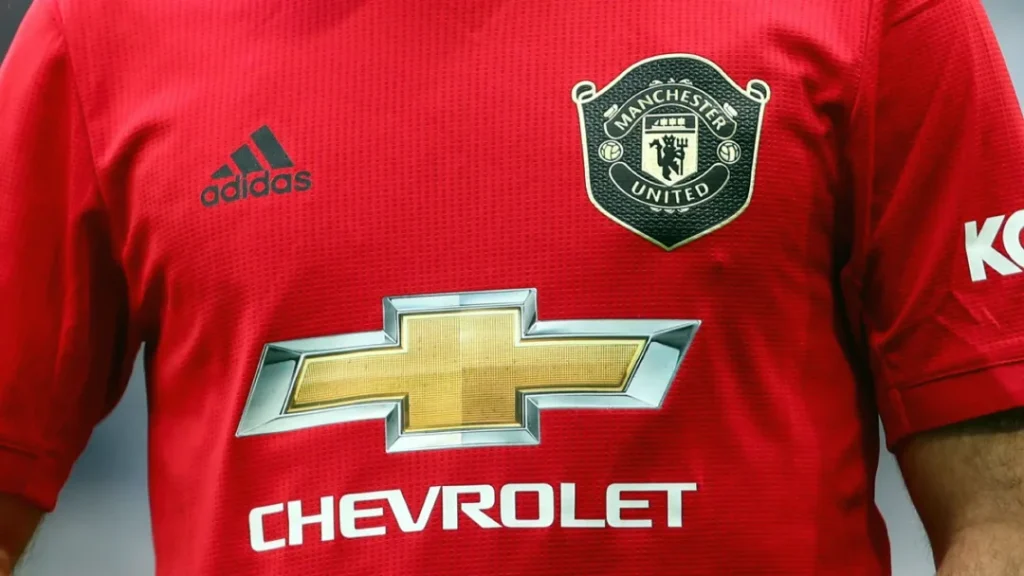
Let’s break it down.
1. Emotional Connection
Sports aren’t just games.
They’re passion.
Their identity.
When you align your brand with a sport, team, or athlete, you tap into that emotional goldmine.
2. Massive Reach
2.5 billion people watched the FIFA World Cup 2022.
That’s not a typo.
Even smaller events can reach millions.
It’s exposure on steroids.
3. Targeted Marketing
Love golf?
Chances are you’re affluent and over 40.
Into esports?
You’re male, under 35, and tech-savvy.
Sports sponsorship lets you zero in on your ideal customer.
4. Brand Association
Speed. Precision. Teamwork.
These aren’t just sports attributes.
They’re brand values.
Sponsor the right sport, and these qualities rub off on your brand.
5. Content Generation
Sports create stories.
Triumphs. Heartbreaks. Comebacks.
As a sponsor, you’re part of those stories.
It’s content marketing on autopilot.
Choosing Your Playing Field: Selecting the Right Sport
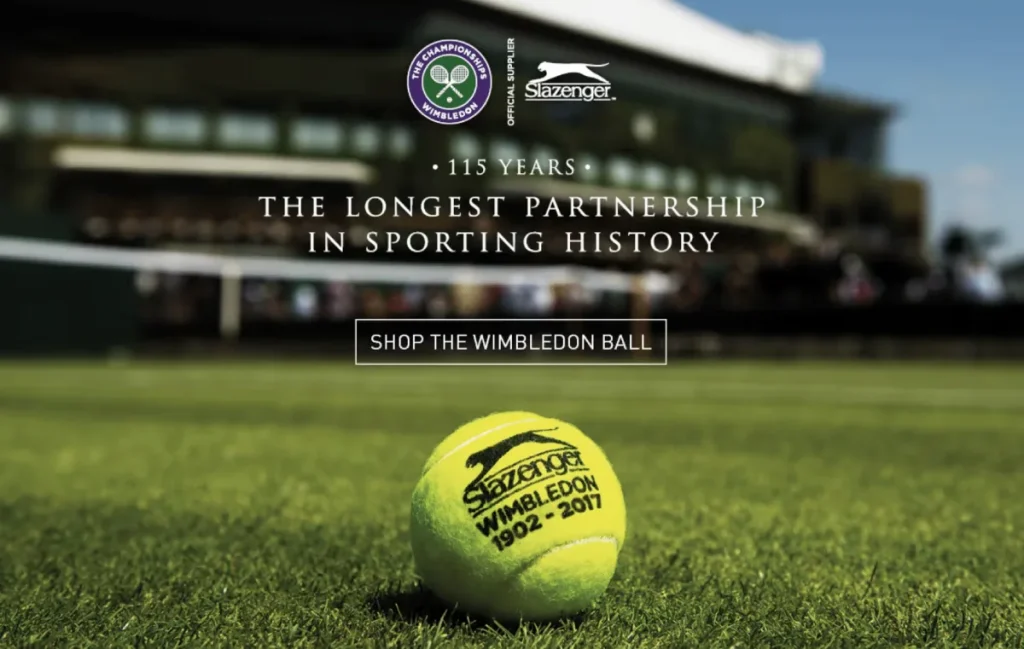
Not all sports are created equal.
At least, not for your brand.
Here’s how to choose:
1. Know Your Audience
Who are you trying to reach?
- Age
- Gender
- Income level
- Interests
Match these with the demographics of different sports.
2. Align with Your Brand Values
Are you all about innovation?
Look at tech-heavy sports like Formula 1.
Stand for tradition?
Cricket might be your cup of tea.
3. Consider Your Budget
Premier League sponsorship?
You’ll need deep pockets.
Local rugby team?
It’s much more affordable.
There’s a sponsorship opportunity for every budget.
4. Assess the Reach
International sports make sense.
Local business?
Stick to local teams or events.
5. Evaluate the Competition
Are your competitors already in this space?
If yes, can you differentiate yourself?
If not, is there an opportunity to be the first?
6. Look at the Long-Term Potential
Is this a flash in the pan?
Or a sport with staying power?
Your sponsorship should be a marathon, not a sprint.
The Multi-Billion Pound Shift: Sponsoring Women’s Sports in 2026
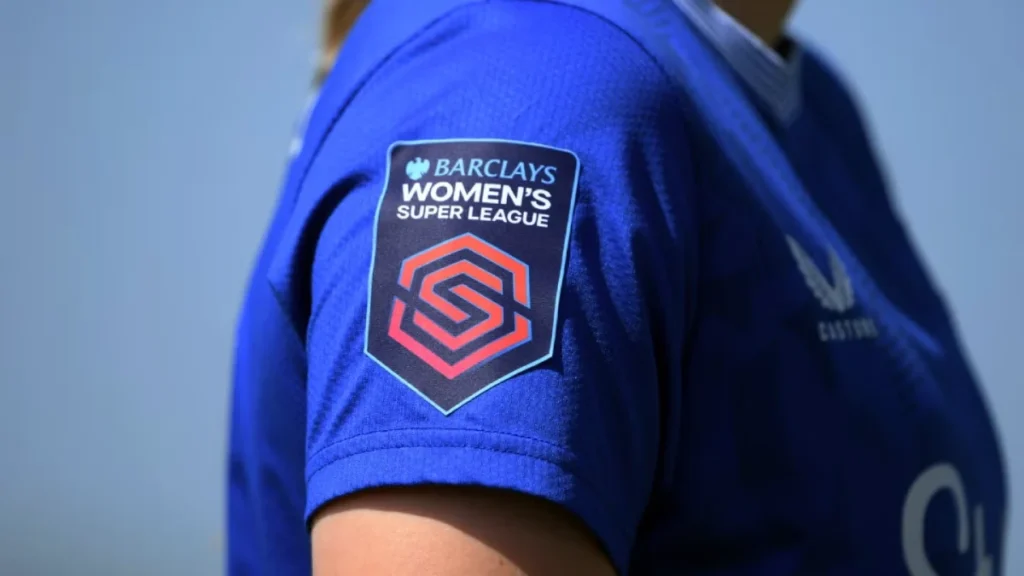
If you are evaluating sports sponsorship today, ignoring women’s leagues is a strategic oversight.
By 2026, the Women’s Super League (WSL) in the UK and the NWSL in the United States will have seen record-breaking broadcast deals and attendance.
Unlike men’s sports, which often face “audience saturation,” women’s sports offer a “blue ocean” for brands seeking high engagement and a progressive image.
Why the Value Proposition is Different
The audience for women’s sports is statistically more likely to feel loyal to sponsors.
According to recent data, 29% of women’s sports fans are more likely to purchase a sponsor’s product than men’s sports fans.
This is driven by a “pioneer spirit”—fans recognise that sponsors are actively building the sport’s infrastructure.
The NIL Revolution (Name, Image, and Likeness)
In the amateur and collegiate space, particularly in the US via NCAA regulations, NIL (Name, Image, and Likeness) rights have decentralised power.
Brands can now partner directly with rising stars like Caitlin Clark or local standout athletes before they reach global stardom.
This allows for hyper-localised, authentic storytelling that feels like an endorsement rather than a corporate takeover.
Example Scenario: A challenger skincare brand might struggle to find space in the crowded Formula 1 paddock.
However, by becoming the lead partner for a professional women’s tennis tournament or a WSL team, they gain “clutter-free” branding and access to a demographic that values wellness and empowerment.
The Sponsorship Playbook: Strategies for Success
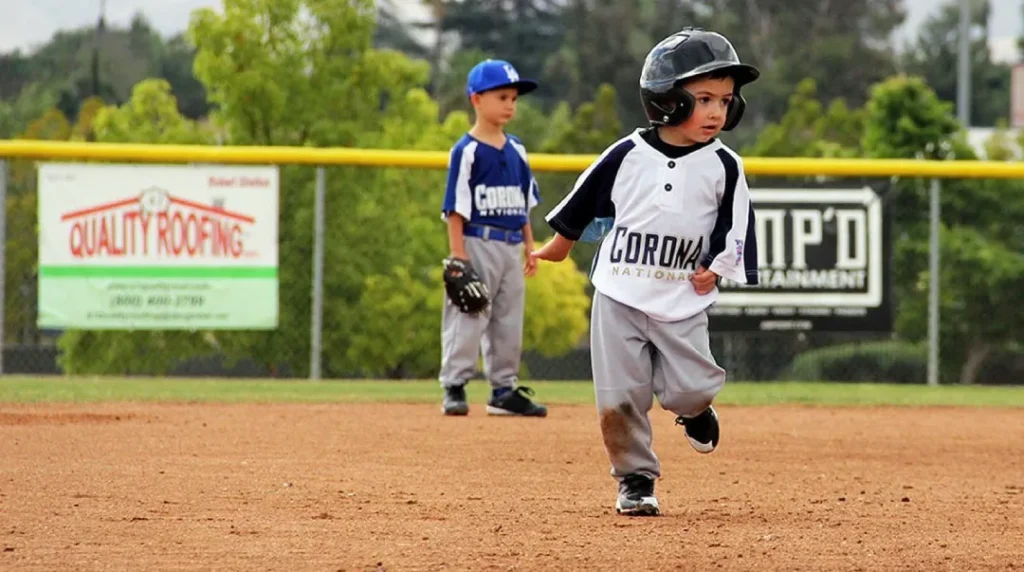
Now that you’ve chosen your sport, let’s talk about strategy.
1. The 1:2 Activation Rule
A common mistake is thinking that the sponsorship fee is the total cost. In reality, your rights fee is just the “ticket to the dance.” To actually get people to dance, you need Activation.
In 2026, professional marketers follow the 1:2 Activation Ratio: for every £1 you spend on the rights to use a team’s logo, you should budget £2 to tell the world about it. This includes:
- Digital Content: Creating “behind the scenes” documentaries or social media challenges.
- Experiential: Pop-up fan zones at the stadium.
- Retail: Co-branded packaging or in-store appearances by athletes.
If you spend £50,000 to sponsor a Premiership Rugby team but spend £0 telling your customers, you haven’t bought a partnership; you’ve bought a very expensive hobby.
2. Create Authentic Partnerships
Don’t just sponsor.
Collaborate.
Work with the team or athlete to create genuine, valuable content.
3. Leverage Digital Platforms
Social media.
Live streaming.
Use technology to amplify your sponsorship.
4. Activate On-Site
If it’s an event sponsorship, be there.
Create experiences.
Engage fans directly.
Make memories.
5. Tell Stories
Remember: People forget facts. They remember stories.
Use your sponsorship to tell compelling brand stories.
6. Be Responsive
Sports are unpredictable.
Be ready to pivot your messaging based on outcomes.
7. Measure and Optimise
Track your KPIs.
Analyse the data.
Adjust your strategy accordingly.
8. Protect Against Ambush and Clean Venue Rules
Major events apply clean venue policies that remove non-sponsor branding.
- The IOC and FIFA enforce these rules across stadia and broadcasts.
- Ambush tactics can dilute your category and confuse fans.
- Audit your assets and lock exclusivity in the contract.
- Secure approvals for any in-venue activity to avoid breaches.
- Coordinate PR, social, and OOH to match venue restrictions.
9. Contract Essentials That Save Campaigns
Image rights must be explicit; team rights differ from athlete rights.
- Define territories, media, and cut-down durations for content.
- Write clear approval timelines to avoid production delays.
- Include morality clauses for doping or conduct issues.
- Add force majeure and make-good provisions for postponements.
- Specify category exclusivity and list direct competitors.
- State data sharing rules for CRM and measurement.
B2B Sports Sponsorship: The “Boardroom on the Grass”
While B2C brands like Coca-Cola and Adidas pursue mass-market visibility, B2B firms—such as SAP, Accenture, and Oracle—use sports sponsorship as a powerful tool for Relationship Marketing.
The Value of Exclusive Access
In B2B, the goal isn’t necessarily to have 50,000 people see your logo on a screen. It’s to have 20 Key Decision Makers (CDOs, CTOs, or CEOs) sit in your executive box at Wembley Stadium or the Silverstone Circuit.
Strategic Assets for B2B:
- Intellectual Property (IP): Using a team’s logo on your whitepapers to signal “high performance” and “reliability.”
- Thought Leadership: Co-creating data-driven reports with a team’s performance analysts (e.g., how Amazon Web Services (AWS) powers Formula 1 insights).
- Internal Culture: Using the sponsorship to reward top-performing staff with tickets, boosting retention in competitive sectors like tech or law.
Mini Case Study: A mid-sized logistics firm sponsors a regional golf tournament. They don’t expect a viral TikTok. Instead, they use their “Official Logistics Partner” status to host a “Pros and Joes” day, inviting their top 10 clients to play alongside professional golfers. The resulting “lock-in” effect on those contracts far outweighs the sponsorship cost.
Real-World Examples: Brands Winning at Sports Sponsorship
Let’s look at some brands knocking it out of the park.
1. Red Bull: More Than Just a Logo
Red Bull doesn’t just sponsor extreme sports.
They create them.
They’ve built an entire culture around their brand, from the Red Bull Air Race to the Crashed Ice championships.
Key Takeaway: Don’t just sponsor. Create.
2. Rocket Mortgage: Supercharging March Madness
Rocket Mortgage turned its sponsorship of the NCAA basketball tournament into a full-fledged campaign.
Their “Bracket Challenge” allowed fans to win $1 million.
Result?
Massive engagement and brand awareness.
Key Takeaway: Create interactive experiences that add value for fans.
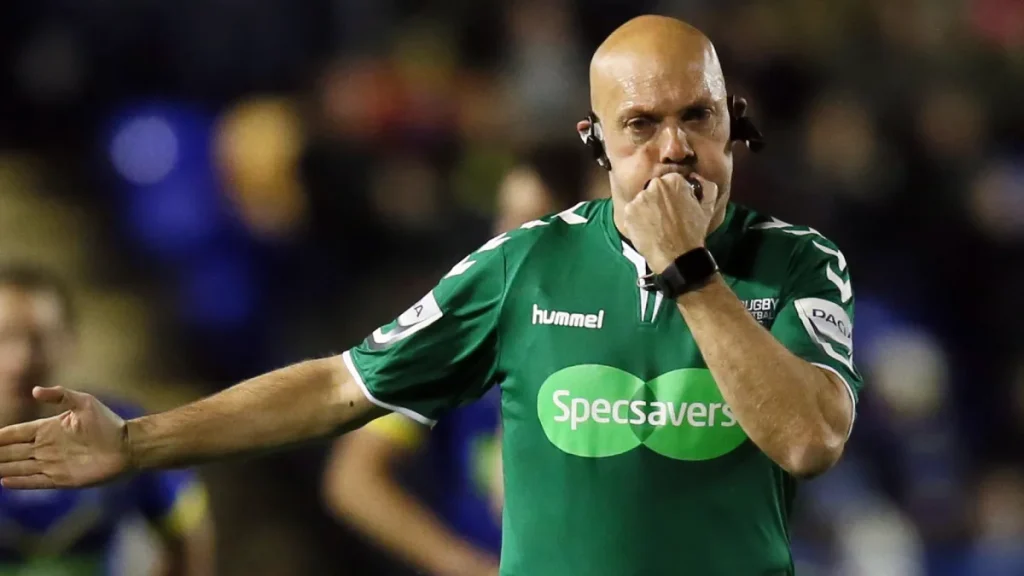
3. Specsavers: Seeing the Funny Side
Specsavers’ “Should’ve gone to Specsavers” campaign is legendary.
They’ve used it brilliantly in sports sponsorships, particularly in moments of referee controversy.
It’s timely, relevant, and hilariously on-brand.
Key Takeaway: Use humour and timeliness to your advantage.
4. Heineken: Long-Run Consistency in Europe
Heineken has sponsored the UEFA Champions League since 2005.
The brand activates across broadcast, LEDs, and digital touchpoints.
Responsible consumption sits inside the creative platform.
Heineken 0.0 appears in markets with alcohol ad limits.
Measuring Success: KPIs That Matter
You can’t improve what you don’t measure.
Here are the metrics that matter:
1. Brand Awareness
- Social media mentions
- Search volume for your brand
- Brand recall surveys
2. Engagement
- Social media interactions
- Website traffic from sponsorship-related sources
- Time spent on sponsorship-related content
3. Lead Generation
- Number of leads generated from sponsorship activities
- Conversion rate of sponsorship-generated leads
4. Sales Impact
- Direct sales attributed to sponsorship
- Uplift in sales during the sponsorship period
5. Return on Investment (ROI)
- Total revenue generated vs. sponsorship cost
- Long-term customer value of sponsorship-acquired customers
6. Media Value
- Earned media mentions
- Advertising the equivalent value of sponsorship exposure
7. Attribution Methods That Prove Impact
Use trackable mechanics to link exposure to outcomes.
- Unique URLs, QR codes, and promo codes for matchday offers.
- Ticketing and CRM matchback against purchases and churn.
- Post-event brand lift surveys with control groups.
- Matched-market tests to isolate sponsorship effect.
- Marketing mix modelling for long-run revenue signals.
The Future of Sports Sponsorship
The game is changing. Here’s what’s coming:
1. Data-Driven Decisions
AI and big data will revolutionise how we choose and activate sponsorships.
2. Virtual and Augmented Reality
Imagine virtual stadium experiences where your brand is front and centre.
3. Personalisation at Scale
Technology will allow for hyper-personalised sponsorship experiences.
4. Purpose-Driven Partnerships
Fans will expect sponsors to contribute positively to society and the environment.
5. Blockchain and NFTs
Digital collectables and blockchain-based fan engagement will create new sponsorship opportunities.
2026 Sports Sponsorship Landscape
| Sport Category | Primary Demographic | Entry Cost | Best For… | Key Entity / Example |
| Elite Football | Global / All Ages | £1M – £50M+ | Mass Awareness / Prestige | Premier League / TeamViewer |
| Women’s Sport | Progressive / Gen Z / Female | £50k – £500k | High Engagement / ROI | WSL / Barclays |
| Esports | 18-34 / Tech-Savvy | £20k – £250k | Global Tech / Gaming | G2 Esports / Red Bull |
| Niche (Padel/Pickleball) | Affluent / Urban | £5k – £50k | Local B2B / Community | LTA Padel / Local Firms |
| Endurance (Marathons) | 30-50 / High Income | £10k – £100k | Wellness / Participation | London Marathon / TCS |
Conclusion: Your Turn to Play
Sports sponsorship isn’t just a game for the big leagues. It’s a powerful tool that any brand can leverage.
With the right strategy, even a small investment can yield massive returns.
Remember:
- Choose the right sport for your brand and audience
- Set clear objectives
- Create authentic partnerships
- Leverage digital platforms
- Measure and optimise
Now it’s your turn. Get out there and start playing. Your brand’s big win is waiting.
FAQs
How has the 2026 gambling ad ban affected sports sponsorship?
The Premier League’s voluntary ban on gambling brands as “front-of-shirt” sponsors (effective from the 2026/27 season) has forced clubs to diversify. We are seeing a massive surge in Fintech, SaaS, and Travel brands taking these slots. Gambling brands are shifting their budgets to “sleeve” assets and digital LED hoarding, which remain permitted.
What is the difference between ROI and ROO in sports?
Return on Investment (ROI) measures hard currency (e.g., £5 profit for every £1 spent). Return on Objective (ROO) measures non-financial goals, such as brand sentiment lift, employee pride, or the number of qualified B2B leads generated at a hospitality event.
Do I need a sports marketing agency to manage my deal?
For deals over £50,000, an agency is highly recommended. They provide independent valuation data (ensuring you don’t overpay) and handle the “activation” logistics, which often require specialised creative and legal teams.
Is jersey sponsorship still effective in the age of streaming?
Yes, because jersey branding is “unskippable.” Unlike traditional TV commercials that viewers skip or ignore, the logo on the player’s chest is part of the action. Furthermore, “social media clippings” of goals ensure your logo goes viral long after the live broadcast ends.
How can a small business track the success of a local rugby sponsorship?
Avoid “vague” awareness. Instead, use trackable mechanics: offer a “Club Member Discount” via a unique QR code on the physical programme, or track website traffic spikes immediately following matchday social media announcements.