Haptic Branding: The Feel of Packaging and Devices
When a consumer’s physical interaction contradicts your visual promise, they don’t just “dislike” the product—they experience a psychological Cognitive Dissonance that shatters brand equity.
If your product or packaging feels like an afterthought, your entire company is perceived as an afterthought.
In 2026, ignoring haptic identity isn’t just a design oversight; it is a financial leak.
We have moved beyond the era where “good design” is purely optical. Because the human hand contains roughly 17,000 mechanoreceptors, the palm is a far more honest judge than the eye.
You can mask a product’s flaws with a high-fidelity Photoshop render, but you cannot lie to a user’s nervous system.
When a premium price point meets a “thin” material feel or a generic haptic buzz, the “Trust Threshold” is breached. This disconnect leads to higher return rates, lower “Brand Search” volume, and a permanent dilution of your market position.
This guide serves as your Haptic Audit. We will break down the science of materiality, the engineering of digital “signature pulses”, and the strategic frameworks required to ensure your brand feels as expensive as it looks.
- Haptic branding aligns touch, texture, and feedback so physical feel validates the visual promise, preventing cognitive dissonance and brand dilution.
- Materiality and actuation (eg 400gsm, soft-touch coatings, LRA/Piezo) set the Trust Threshold, influencing perceived quality and return rates.
- Design haptics strategically: map all touchpoints, run blindfold tests, and use signature pulses to avoid haptic fatigue and build memory cues.
What is Haptic Branding?
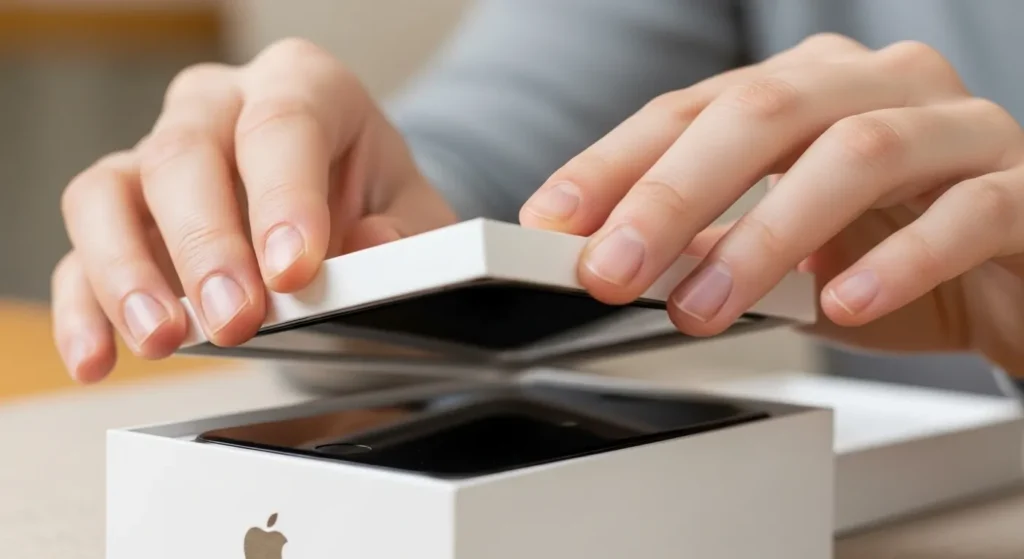
Haptic branding is the strategic use of touch, texture, and physical feedback to communicate a brand’s values and identity.
It encompasses everything from the weight of a business card to the specific vibration patterns of a smartphone notification, ensuring every physical interaction reinforces the brand promise.
The three core elements of haptic branding include:
- Materiality: The physical substances used (paper, metal, polymer) and their intrinsic properties like weight, temperature, and texture.
- Kinesthetics: The mechanics of interaction, such as the resistance of a dial, the snap of a magnetic lid, or the “travel” of a keyboard key.
- Actuation: The technology-driven feedback, specifically haptic motors (ERM, LRA, or Piezoelectric) that provide digital-to-physical responses.
The Architecture of Touch: Beyond the Visual
Most designers are obsessed with the “eyes-on” experience. They spend weeks debating hex codes and kerning. But the human hand contains roughly 17,000 mechanoreceptors.
These sensors are far more honest than the eyes. You can lie with a Photoshop render, but you cannot lie to a palm.
Materiality and the “Trust” Threshold
In packaging, the Grams per Square Metre (GSM) of your paper stock is a direct proxy for authority. A study by the Ehrenberg-Bass Institute suggests that physical weight is subconsciously linked to “substance” and “longevity.”
If your brand identity suggests you are a premium, established consultancy, but you hand out 250gsm business cards with a gloss laminate, you are sending a sub-perceptual signal that you are “thin” and “fragile.”
We recommend a minimum of 400gsm for high-touch collateral, ideally with a “Soft Touch” or “Suede” aqueous coating.
Why? Because these coatings increase the “dwell time” of the human hand. The longer someone holds your material, the higher the “Endowment Effect”—a psychological bias where individuals value things more highly simply because they own (or hold) them.
The “Thud” Factor: Engineering Acoustic Haptics
Haptics isn’t just about skin contact; it’s about vibrations transmitted through the air and bone. The automotive industry has mastered this. When you close the door of a Bentley, the sound isn’t a “clink”—it’s a dampened, low-frequency “thud.”
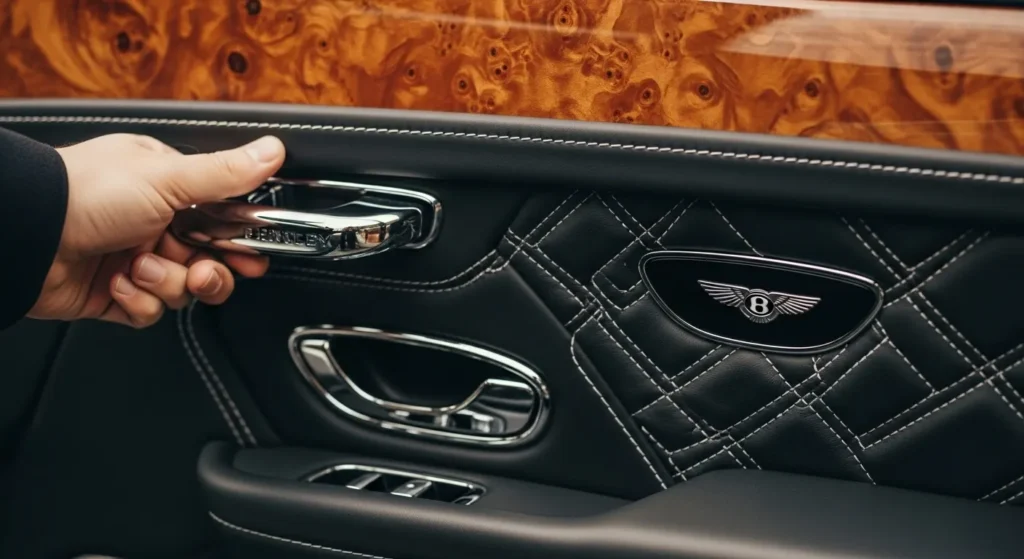
This isn’t an accident of physics. It is the result of thousands of hours of acoustic engineering. Engineers use specific seal materials and internal door dampeners to ensure the sound frequency aligns with the car’s visual weight.
This is haptic branding at its most sophisticated: using one sense to validate another.
| Feature | The Wrong Way (Amateur) | The Right Way (Pro) |
| Vibration | “Buzz” (High frequency, loud acoustic noise). | “Tap” (Clean, localised, silent pulses). |
| Packaging | High-gloss, thin cardstock (Shows fingerprints). | Matte, textured, heavy-weight (Grease-resistant). |
| Buttons | Mushy, long travel, silent. | Sharp “break” point, tactile “reset,” audible click. |
| Weight | Hollow, light-weight plastic. | Balanced, intentional “heft” (Zinc-weighted). |
| Digital UI | Generic long-press vibration. | Variable haptic “textures” for different actions. |
The Haptic Brand Spectrum: Aligning Feel with Values
You cannot simply “add weight” to a product and call it premium. The haptic profile must align with your brand’s archetypal persona. We categorise haptic identities into four primary quadrants:
| Brand Persona | Ideal Materiality | Actuation Style | Key Entities/Examples |
| The Innovator | Carbon fibre, Gorilla Glass, Cold-touch Metal | High-frequency Piezo, “Crisp” clicks | Tesla, Apple, Dyson |
| The Artisan | High-GSM Fedrigoni paper, Leather, Wood | Mechanical resistance, Soft-close magnets | Hermès, Leica, Moleskine |
| The Reliable | Textured polymers, Weighted Zinc, Matte finishes | Deep “Thud” sounds, Long-travel buttons | Volvo, Caterpillar, ThinkPad |
| The Ethereal | Translucent bio-plastics, Low-weight silk touch | “Ghost” haptics, Mid-air ultrasound | Skincare brands, Wellness apps |
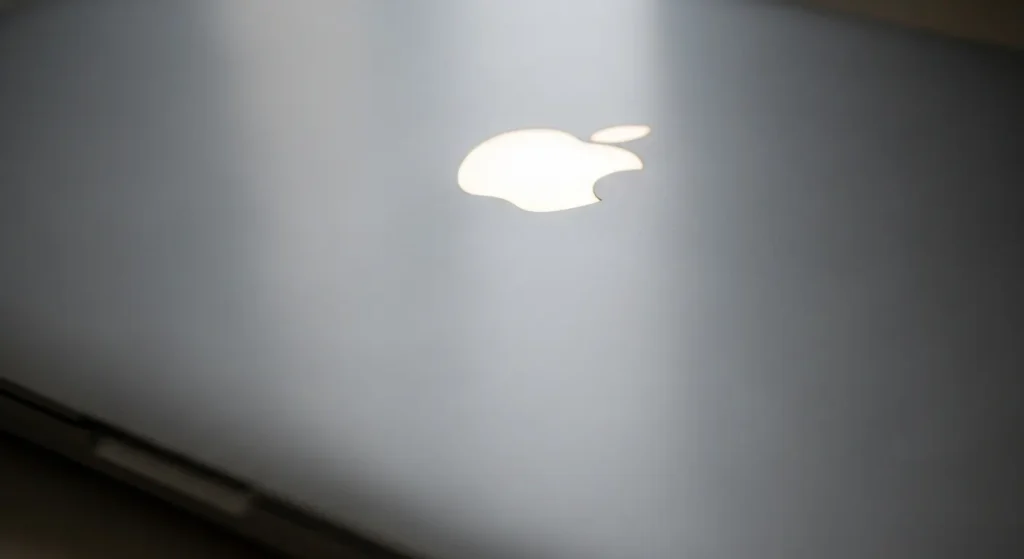
Case Study: The “Snap” of the MacBook Lid
Apple famously tuned the magnets in the MacBook lid to require a specific amount of “breakout force.” If it’s too easy to open, it feels flimsy. If it’s too hard, it feels clunky. By hitting a “Goldilocks” zone of resistance, they communicate “precision engineering” before the screen even turns on.
Digital Haptics: The New Frontier of Brand Voice
In 2026, your “brand voice” isn’t just what you say in your copy; it’s how your app feels in a user’s pocket. We have moved past the era of the “global vibrate.”
Modern devices use Linear Resonant Actuators (LRA) and Piezoelectric drivers that can mimic the feeling of a physical dial or the pluck of a guitar string.
The Problem with “Ghost Haptics”
A common mistake in digital product design is “haptic clutter.” This happens when every single interaction—a scroll, a click, a refresh—triggers the same generic vibration. This desensitises the user and creates “haptic fatigue.”
Professional haptic branding uses “Signature Pulses.” For example, a successful payment might trigger a “double-heartbeat” tap, while an error might feel like a “sharp, sandpaper-like” buzz.
These aren’t just cool features; they are functional cues that reduce cognitive load.
If a user can “feel” that a transaction was successful without looking at the screen, you have achieved a level of brand integration that visual design alone can never reach.
Case Study: The Apple Watch Digital Crown
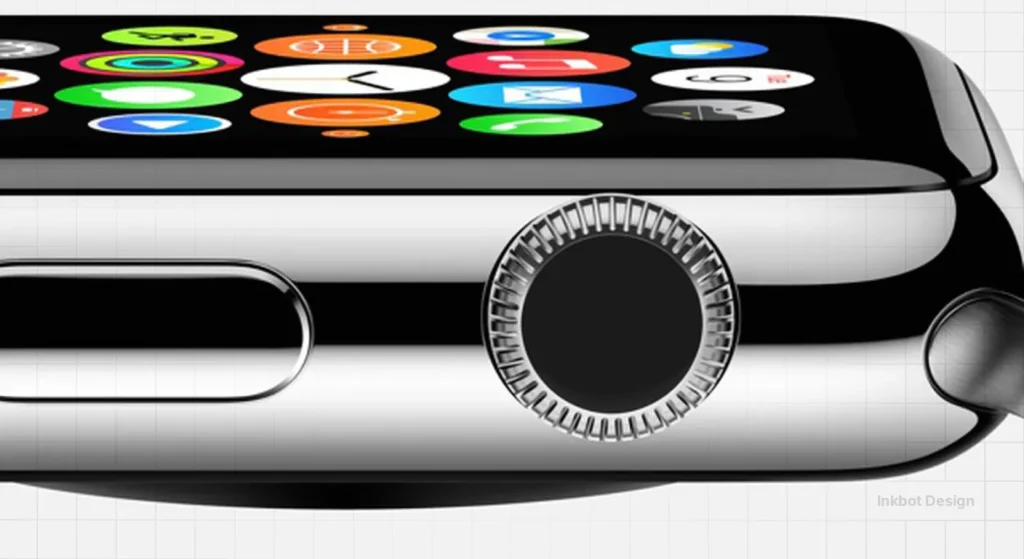
Apple’s “Digital Crown” is a masterclass in haptic branding. When you rotate the crown, you feel a series of “notches” that feel physical.
There are no actual notches in the mechanism; it is a smooth-turning dial. The “clicks” you feel are micro-vibrations timed perfectly to your movement.
This creates an illusion of mechanical precision that reinforces Apple’s brand as a maker of high-end instruments, not just gadgets.
Selecting the Right Actuator: LRA vs Piezo vs ERM
To translate a brand’s visual identity into a physical sensation, you must first choose the right engine.
In 2026, the Eccentric Rotating Mass (ERM) motor—once the standard for pagers and cheap toys—is largely obsolete for premium brands. It is too slow to start and stop, resulting in a “muddy” or “cheap” buzz.
For a modern brand voice, you must choose between:
- Linear Resonant Actuators (LRA): Found in the iPhone (via the Taptic Engine) and high-end Android devices. LRAs offer precise, localised feedback. They are ideal for “sharp” interactions, such as a camera shutter or a keyboard tap.
- Piezoelectric Haptic Drivers: The elite choice for 2026. These use ceramic materials that deform when an electric field is applied. They offer the widest frequency range, allowing you to simulate complex textures like “sandpaper,” “liquid,” or “grainy wood” on a flat glass surface.
Example Scenario: A banking app like Revolut or Monzo might use a sharp, 150Hz Piezo “click” for a successful PIN entry, but a lower-frequency, 50Hz “heavy” vibration to signal the “weight” of the money being moved.
The State of Haptic Branding in 2026
We are currently seeing a massive shift towards “Micro-Textured Electronics.” In the last 18 months, companies have moved away from the “all-glass” obsession. The 2026 aesthetic is “Technical Tactility.”
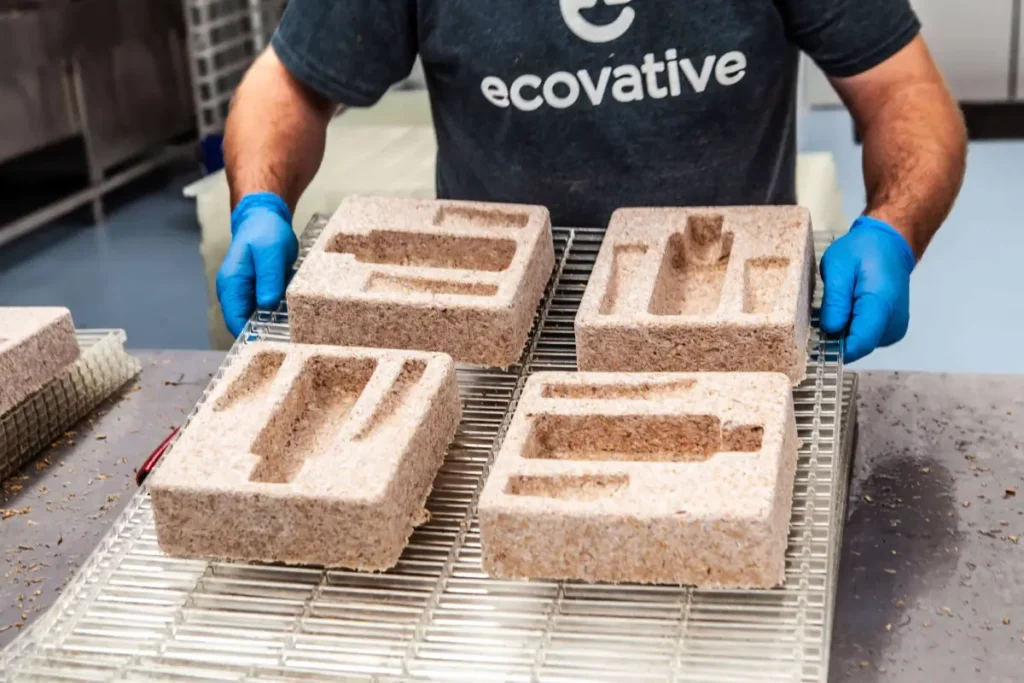
Sustainable Haptics: The End of “Cheap” Recycled Plastic
In the past, “sustainable” was synonymous with “rough and flimsy.” In 2026, brands are using tactile sustainability as a differentiator.
- Mycelium Packaging: Companies like Ecovative produce packaging grown from mushroom roots. It has a velvet-like, organic texture that feels “alive” and premium, contrasting sharply with the cold sterility of expanded polystyrene.
- Crush Papers by Favini: This range uses process residues from organic products (citrus, coffee, cherries) to replace up to 15% of the tree virgin pulp. The result is a naturally “speckled” and “toothy” texture that tells a story of origin through the fingertips.
- Sulpac: A bio-based material that mimics the weight and “clink” of ceramic or high-end plastic but is fully biodegradable. For a luxury perfume brand, using a Sulpac cap provides the “cold-touch” and weight of luxury without the environmental guilt.
- Spatial Haptics: With the maturation of spatial computing (VR/AR), haptics are moving to the fingertips. “Mid-air haptics” using ultrasound allow users to “feel” a brand’s logo in 3D space without touching a screen.
- Variable Friction Screens: New display technology enables software-controlled adjustment of the screen’s friction. Imagine your Voice User Interface Design being complemented by a screen that feels like paper when you are taking notes and like smooth glass when you are viewing photos.
The Science of Texture: Why “Smooth” is Often Cheap
There is a technical reason why “smooth” is losing its grip on the premium market.
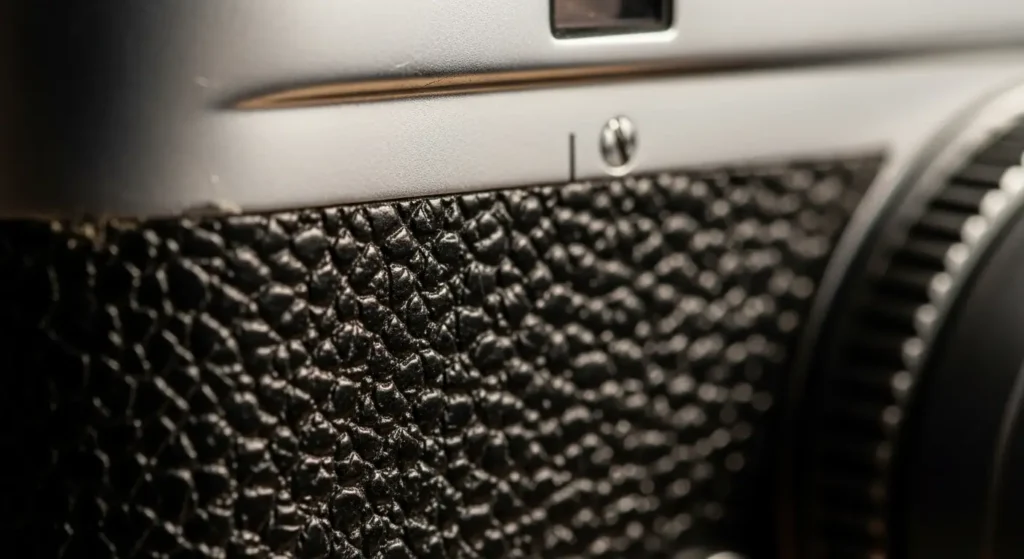
In material science, the “Coefficient of Friction” (CoF) determines how we perceive quality. Very low CoF (extremely smooth) is often perceived as “slippery” or “unstable.”
In contrast, “High-Tactile matte” finishes provide a consistent grip regardless of moisture or skin oils.
Brands like Leica and Teenage Engineering use high-friction textures not just for grip, but to signal “Industrial Integrity.” They want you to feel the tool-like nature of the device.
If you are designing packaging for a high-end tech product, consider a “Soft-Touch” laminate with a “Spot UV” or “Embossed” logo. This creates a tactile contrast.
The hand moves across the soft, matte surface and then “discovers” the raised, smooth logo. This discovery phase is a powerful dopamine hit for the consumer. It turns a boring unboxing into a sensory event.
Haptic Branding Strategy: A Step-by-Step Approach
If you want to implement this correctly, you can’t just “add some texture” at the end. It must be baked into the technical specifications.
- Define the “Brand Weight”: Is your brand “Light and Airy” (like a SaaS tool) or “Heavy and Grounded” (like a Private Bank)? This determines your material choices—from 120 gsm bond paper to 600 gsm duplexed board.
- Audit the “Sound-Touch” Loop: Does the sound of your packaging or device match the feel? If a box “pings” like plastic but looks like metal, you have a brand failure.
- Map the Haptic Journey: List every physical touchpoint. The shipping box, tape, tissue paper, product, buttons, and charging cable. Each is an opportunity for sonic branding or audio branding integration.
- Prototype for the “Blind Test”: Put your product in someone’s hands while they are blindfolded. Ask them to describe the brand. If they say “cheap” or “flimsy,” your visual design is just a mask.
For more insights into how sensory branding works, explore our guide to scent marketing and its interactions with physical environments.
Haptic Branding for Service and Hospitality Brands
If your brand doesn’t have a “product,” your haptics are your environments.
- The “Handshake” of the Menu: For a Michelin-star restaurant, the menu shouldn’t just be paper; it should be a tactile experience. Using GF Smith Colorplan paper with a “buckram” or “stucco” emboss creates an immediate sense of history and craft.
- The Weight of Security: High-end law firms and private banks often use 120 gsm watermarked stationery. The watermark isn’t just a visual; it changes the thickness and “flex” of the paper, signalling authenticity.
- The “Key” to the Experience: In luxury hotels, the transition from plastic RFID cards to heavy, machined brass or RFID-embedded wood key fobs significantly increases the guest’s perceived value of the room.
The 2026 Haptic Audit: A 7-Step Checklist
Before launching any physical or digital product, run it through this tactile stress test:
- The Blindfold Test: Can a user identify your brand’s “vibe” without seeing a logo?
- The “Drop” Sound: When the product is placed on a wooden table, does it “clatter” (cheap) or “thud” (premium)?
- Thermal Conductivity: Does the material feel “cold” (signals metal/premium) or “room temperature” (signals plastic/cheap)?
- The Friction Transition: Is there a tactile “surprise”? (e.g., a matte box with a gloss-embossed logo).
- Actuation Consistency: Do all buttons on the device require the same “Newtons of force” to press?
- The Coating Durability: Will a “Soft-Touch” finish become “sticky” or “peel” after 6 months of use? (Crucial for brand trust).
- Haptic Fatigue Check: (Digital only) Are you vibrating for every notification, or only for “Brand Moments”?
The Verdict
Haptic branding is the final frontier of brand differentiation. In a world where every digital interface looks like a variation of a “clean minimalist” template, the physical “feel” is where the battle for the consumer’s heart (and wallet) is won.
If your packaging is flimsy, so is your brand. If your device’s haptics are “buzzy” and unrefined, your engineering is perceived as unrefined.
You cannot afford a “Tactile Gap” in 2026. Stop treating the physical experience as a logistics problem and start treating it as a brand asset.
Ready to fix your brand’s physical presence? Request a quote today, and let’s ensure your brand feels as good as it looks.
FAQ: Haptic Branding
What is the difference between haptics and tactile branding?
Tactile branding generally refers to the “passive” feel of materials, like paper or fabric. Haptics is a broader term that includes “active” feedback, such as vibrations, force feedback, and the mechanical response of buttons or screens.
Is haptic branding only for tech companies?
No. Every brand has haptic touchpoints. For a luxury hotel, it’s the weight of the towels. For a restaurant, it’s the texture of the menu. For a lawyer, it’s the quality of the paper used for contracts.
How does haptic branding improve SEO?
Indirectly, it reduces return rates and increases “Brand Search” volume. When a product feels premium, users are more likely to talk about it, link to it, and search for the brand by name, which are massive signals for Google’s E-E-A-T.
What is a “Linear Resonant Actuator” (LRA)?
An LRA is a type of haptic motor that uses a moving mass and a spring to create precise, directional vibrations. Unlike older motors, it can start and stop almost instantly, allowing for much cleaner “taps” and “clicks.”
Why is “Soft Touch” coating so popular in 2026?
Soft-touch finishes increase the friction between the skin and the object, creating a sense of “warmth” and “organic” connection. It also hides fingerprints, ensuring the brand looks “pristine” even after heavy use.
Can haptic branding save a poor product?
No, but it can ruin a great one. You can’t “texture” your way out of bad service, but a “cheap-feeling” product will make users doubt even the best software or engineering.
How much does it cost to implement haptic branding?
In packaging, the cost is often marginal—usually a few pence per unit for better paper stock or coatings. In hardware, the price is higher due to component selection, but the ROI in perceived value is usually 10x the investment.
How do haptics affect consumer trust?
When physical sensations match visual promises, it reduces cognitive dissonance. A “heavy” remote for a high-end TV reinforces the idea that the internal components are sophisticated, building long-term trust.
What is mid-air haptic feedback?
Using focused ultrasound waves from companies like Ultraleap, brands can create the sensation of “touch” in mid-air. This is used in 2026 luxury car dashboards to allow drivers to “feel” buttons without taking their eyes off the road.
Can haptic branding help with accessibility?
Absolutely. By using distinct “Signature Pulses,” visually impaired users can distinguish between different app notifications (e.g., a “sliding” vibration for a message vs a “pulsing” vibration for an alarm) without needing audio cues.
What is the “Thud Factor” in luxury design?
It is the acoustic-haptic engineering of sound to imply density. In automotive and appliance design, low-frequency sounds (the “thud”) are engineered to signal structural integrity and safety.
Is 400gsm paper enough for a premium feel?
While 400gsm is the standard for high-quality cards, 2026 luxury brands often “duplex” (glue two sheets together) to reach 600gsm or 800gsm, creating an unbendable, board-like authority.