Employer Branding Strategy: Examples & Best Practices
If your company is struggling to hire competent staff, it is rarely because of a “skills shortage.” It is usually because your employer branding sucks.
That might sound harsh, but in my years consulting as a Creative Director, I have seen brilliant consumer brands with recruitment processes that look like they belong in the 1990s. They have slick customer-facing websites, yet their careers page is a graveyard of stock photos and broken links.
Your job offer is a product. Your candidates are the customers. If you try to sell a premium product in a dirty shop, no one will buy it.
The stakes are financial. A weak employer brand forces you to pay a “wage premium” to bribe people to work for you. A strong brand enables you to attract top talent at fair market rates, as people genuinely want to be part of it.
This guide is not about “perks” or ping-pong tables. It is a technical breakdown of how to build an employer branding strategy that functions as a lead-generation engine for talent.
- Define an authentic EVP by auditing reality and clearly stating the Give and the Get to attract the right candidates.
- Align visual and candidate experience: modern careers page, real photography, readable job ads and minimal application friction.
- Build employee advocacy by empowering champions with assets and encouraging honest "day in the life" content.
- Measure economics: track Cost of Vacancy, Time to Hire, Cost per Hire and retention to demonstrate ROI.
What is an Employer Branding Strategy?
At its core, employer branding is the reputation your company holds as a workplace and the perception of that reputation among current employees and active job seekers.
An employer branding strategy is the deliberate process of defining, shaping, and communicating that reputation to control the narrative. It is the intersection of HR (policy) and Marketing (communication).

The Three Pillars of a Functional Strategy:
- The Employee Value Proposition (EVP): The “What’s in it for me?” factor. It represents the balance of rewards and benefits that employees receive in return for their performance.
- The Visual & Verbal Identity: How your brand looks and sounds to a candidate. This includes your logo, colour palette, photography style, and the tone of voice in your job descriptions.
- The Advocacy Layer: The validation of your claims by actual employees (social proof).
The Economics of Reputation: Why You Can’t Ignore This
Many SMB owners view branding as a “nice-to-have.” This is a mathematical error.
A study by Harvard Business Review and ICM Unlimited found that companies with a bad reputation must offer a 10% pay increase just to convince a candidate to accept a job. Conversely, a strong employer brand can reduce the cost per hire by 50% and reduce turnover by 28%, according to LinkedIn’s Global Talent Trends data.
Think about your current payroll. Now imagine reducing your recruitment agency fees by half and lowering your attrition rate. That is the ROI of branding.
The “Cost of Vacancy” (COV)
The most expensive metric you aren’t tracking is the Cost of Vacancy. Every day a key role sits empty, you lose productivity and revenue.
Cost of Vacancy = (Annual Revenue / Employee Count) x (Days Vacant / 365)
If your branding is weak, your “Days Vacant” number skyrockets. You are literally bleeding revenue while you wait for a candidate who is brave enough to apply.
Component 1: Defining Your EVP
Most companies fail here because they lie. They write “We are a family” when they mean “We have no boundaries.” They write “Fast-paced environment” when they mean “We are understaffed.”
To build a credible EVP, you need to conduct a forensic audit of your reality. You need to identify the “Give” and the “Get.”
The “Give and Get” Framework
| Attribute | The “Give” (What you expect) | The “Get” (What they receive) |
| Growth | High accountability and ownership. | Rapid promotion and budget control. |
| Culture | Long hours during crunch time. | 100% remote flexibility and autonomy. |
| Purpose | Navigating complex legacy systems. | Solving problems that impact millions. |
Real-World Example:
McKinsey & Company does not promise work-life balance. Their branding is built on the concepts of “Intellectual Challenge” and “Network.” You join McKinsey to work harder than you ever have, in exchange for a resume stamp that sets you up for life. It is honest, and it attracts exactly the right type of psycho-demographic.
Consultant’s Note: I once audited a tech startup that promised “unlimited holidays” in their EVP. When we interviewed the staff, we found nobody took holidays because the culture implicitly shamed time off. We immediately stripped that line from their branding. Authenticity beats generosity.
Component 2: Visual Identity and Candidate Experience
You would never send a client to a broken landing page. Yet, I see companies sending candidates to Application Tracking Systems (ATS) that are fundamentally hostile to users.
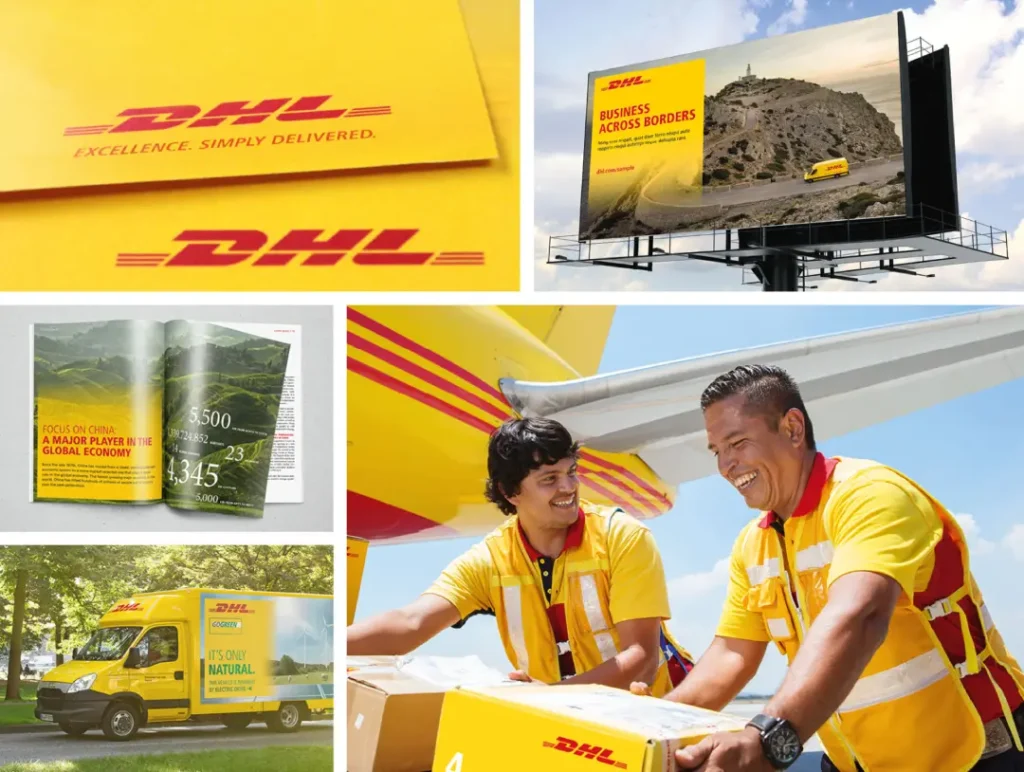
If your consumer brand is sleek, modern, and high-tech (see our work on Brand Identity), but your application portal looks like a Windows 95 form, you have created a “Brand Gap.”
The Visual Audit
Does your careers page look like the rest of your website?
- Photography: Are you using stock photos of smiling models in generic boardrooms? Stop. Use real photos of your actual office. If your office is unappealing, consider using tight shots of people working or allowing remote work and showcasing that instead.
- Typography: The font hierarchy on your job descriptions matters. If a developer has to squint to read your requirements, they will close the tab.
- User Journey: How many clicks does it take to apply? Every additional field in a form reduces conversion rates by 5-10%.
The “One-Click” Standard
In 2026, the standard is “Apply with LinkedIn” or a simple resume drop. Requiring a candidate to retype their CV into individual text boxes is a sign of a bureaucratic, inefficient company. Top talent will not tolerate it.
Component 3: Employee Advocacy (The Trust Engine)
The Edelman Trust Barometer consistently shows that “people like yourself” and “technical experts” are more trusted than CEOs.
Your marketing department can write the best copy in the world, but a single one-star review on Glassdoor from a verified engineer will kill your conversion rate.
How to Engineer Advocacy
You cannot force advocacy, but you can facilitate it.
- Identify the Champions: Find the employees who genuinely love their work.
- Provide Assets: Give them high-quality visuals (banners, photos) to update their LinkedIn profiles.
- The “Day in the Life” Content: Encourage staff to document their actual work. Not a staged PR video, but a blog post about a technical challenge they solved.
For more on mobilising your team, read our guide on Employee Advocacy.
Case Studies: The Good, The Bad, and The Ugly
The Gold Standard: HubSpot
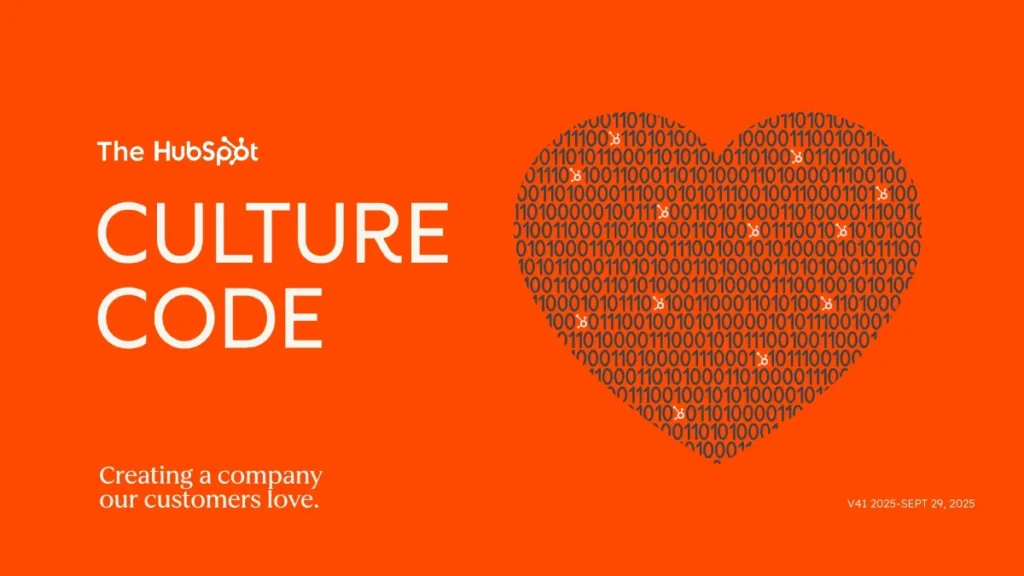
HubSpot’s “Culture Code” slide deck went viral (millions of views) because it was radically transparent. They explicitly stated they operate like a sports team, not a family. This means you can get “cut” from the team. This honesty repels people who seek tenure-based security and attracts high performers who value meritocracy.
The Cautionary Tale: WeWork
WeWork’s employer branding was incredibly strong visually. It promised community, beer on tap, and a revolution. However, the reality was a cult of personality surrounding Adam Neumann. When the IPO collapsed, the employer brand turned toxic overnight. The lesson? Visuals cannot mask structural rot forever.
The State of Employer Branding in 2026: What Changed?
Over the last 18 months, we have witnessed a significant shift due to the maturation of Gen Z in the workforce and the stabilisation of hybrid work models.
- Salary Transparency is Non-Negotiable: New legislation in the US (New York, California) and the EU is normalising salary ranges in job ads. In 2026, hiding the salary signals “we pay below market rate.”
- DEI as Data, Not Statements: Generic “Equal Opportunity Employer” statements are ignored. Candidates now look for published data on diversity. If you don’t publish it, they assume the worst.
- The “Boomerang” Strategy: Organisations are actively branding towards alumni. Rehiring former employees (also known as “boomerangs”) reduces onboarding time and risk. Keeping a positive relationship with those who leave is now a critical part of the branding lifecycle.
How to Build Your Strategy (Step-by-Step)
If you are ready to fix this, here is the roadmap.

Phase 1: The Audit (Weeks 1-2)
- Survey Current Staff: Use an anonymous eNPS (Employee Net Promoter Score) survey. Ask: “What is the one thing you tell your friends about working here?”
- Audit the Funnel: pretend to be a candidate. Apply for a job at your own company. Note where the friction points are.
- Review Sentiment: Read every Glassdoor, Indeed, and Google review. Categorise the complaints.
Phase 2: The Definition (Weeks 3-4)
- Draft the EVP. Keep it to three core pillars.
- Create the “Candidate Persona.” Who are we trying to hire? (e.g., “The Senior React Developer who is tired of agency crunch”).
- Align with Internal Branding. Ensure that your internal communications align with your external promises.
Phase 3: The Creative Execution (Weeks 5-8)
- Rewrite Job Descriptions: Remove gender-coded language (e.g., “Ninja,” “Dominant”). Focus on outcomes, not requirements.
- Shoot New Assets: Hire a photographer. No more stock photos.
- Update the Careers Page: Ensure it is mobile-responsive and optimised for speed.
Phase 4: Activation (Ongoing)
- Launch a referral bonus program.
- Train hiring managers on the new pitch.
- Monitor metrics: Time to Hire, Cost per Hire, and Offer Acceptance Rate.
A Reality Check
I often see companies panic about a bad Glassdoor review. They want to know how to “delete it.” You usually can’t.
Instead, reply to it. But do not use a canned corporate response.
- Bad Response: “We are sorry you feel this way. We strive for excellence.” (Robotic, dismissive).
- Good Response: “That sounds frustrating. We did have issues with project management in Q3, which is why we implemented the new Agile workflow in Q4. I’m sorry that impacted you while you were here.” (Specific, admits fault, shows progress).
Candidates are smart. They know no company is perfect. They trust companies that own their flaws more than companies that pretend they don’t exist.
The Verdict
Your employer brand exists whether you manage it or not. Currently, people are discussing your company at industry events and in Slack channels. They are saying either “It’s a mess, stay away” or “It’s tough, but you learn a lot.”
You cannot control the conversation entirely, but you can influence it. By treating your recruitment strategy with the same rigour as your client acquisition strategy, you stop bleeding money on failed hires and start building a team that compounds your success.
If you are ready to align your visual identity with your strategic goals, we should talk.
Frequently Asked Questions (FAQ)
What is the difference between employer branding and internal branding?
Employer branding focuses on both the external reputation that attracts talent and the internal perception of current employees. Internal branding focuses specifically on aligning current employees with the company’s mission and culture, thereby improving engagement and enhancing brand delivery to customers.
How do I measure the ROI of employer branding?
You measure ROI by tracking Cost Per Hire (CPH), Time to Hire, Offer Acceptance Rate, and Retention Rates. A strong brand reduces CPH and Time to Hire while increasing the quality of applicants, resulting in higher long-term productivity.
Can small businesses have an employer branding strategy?
Yes. Small businesses often have an advantage because they can offer autonomy, flexibility, and direct access to leadership—things large corporations cannot. Your strategy should highlight these unique benefits rather than competing solely on salary.
How much does it cost to build an employer brand?
The cost varies. It can range from £0 (internal audit and rewriting job ads) to £50,000+ for a full agency rebrand, including video production, website overhaul, and paid media campaigns. The investment should scale with your hiring volume.
What is an Employee Value Proposition (EVP)?
An EVP is the unique set of benefits and rewards an employee receives in return for their skills, capabilities, and experience. It includes compensation, work-life balance, career development, and company culture.
Why is my acceptance rate for offers low?
A low acceptance rate usually indicates a disconnect between the interview process and the final offer, or a poor reputation. It may also mean that your compensation is below market, or that your employer’s brand promised something that the interview process contradicted.
How do I handle negative Glassdoor reviews?
Respond professionally and transparently. Acknowledge valid feedback without being defensive. Explain any changes made to address the issues. This shows future candidates that you listen and care about improvement.
Is employer branding just for HR?
No. It is a collaborative effort between HR, Marketing, and Leadership. HR defines the policy, Marketing communicates the message, and Leadership must embody the values. If one pillar fails, the brand fails.
How does visual identity impact recruitment?
Visuals create the first impression. High-quality, consistent design signals professionalism and stability. Poor design signals disorganisation and lack of resources, which deters high-quality candidates who care about where they work.
What is the role of social media in employer branding?
Social media allows you to showcase the “human” side of your business. It is used for storytelling, employee advocacy, and engaging with passive candidates who aren’t currently looking for a job but might be interested in your culture.