Contextual Advertising: The Smart Way to an Audience
Ever get the feeling that the internet can read your mind? You look up a recipe for chocolate chip cookies, and the next thing you know, you’re seeing ads for mixing bowls and fancy vanilla extract. That’s not magic—it’s contextual advertising and changing everything.
We’re living in an information overload. Thousands of marketing messages are being thrown at us every day, most of them nothing but noise. But what if ads could be different? What if they could be helpful?
That’s the idea behind contextual advertising. It’s not about shouting louder or interrupting more. It’s about whispering the right words at just the right time. It’s like a key that fits perfectly into a lock.
In an attention-starved world with growing concerns over privacy, contextual advertising has become our way forward. This isn’t about tracking users all over the web — it’s about understanding the moment, the context, the need.
Contextual advertising is no mere marketing tactic; it represents a shift in how we approach connecting with people online. As is relevance, respect is vital in this equation, but timing is above all else. When you get it right here? Well then… you aren’t just selling anything anymore—you’re providing them value by meeting their needs!
Are you ready to see what happens when we let context take control of our conversations with customers online? Look below now! Let me show you why intelligent marketers consider this strategy the future of digital advertising.
- Contextual advertising delivers relevant ads based on current content, enhancing user experience without intrusiveness.
- AI and machine learning enhance precision, enabling timely and effective ad placements based on user behaviour.
- Success relies on understanding audience needs, continually testing strategies, and balancing creativity with data-driven targeting.
What is Contextual Advertising?

Contextual advertising fundamentally displays the correct ad to the right individual at the appropriate moment.
It’s not merely about spamming individuals with arbitrary offers; instead, it’s an advanced technique that considers the context of a webpage or app to show relevant advertisements.
Components Of Contextual Targeting
- Content analysis
- Keyword matching
- User behaviour
- Time and location data
These factors allow marketers to create highly tailored campaigns that speak directly to viewers.
The Evolution of Online Advertising
Do you remember the early days of the Internet? Flashing banner ads and pop-up windows that wouldn’t go away. In retrospect, we have moved miles ahead of those days, especially with contextual advertising.
From Shotgun to Sniper Approach
Online advertising used to be like using a shotgun – spray and pray. Now, it’s more like a sniper rifle. Precise, targeted, and effective.
The Rise of AI and Machine Learning
Contextual advertising has been supercharged by artificial intelligence as well as machine learning. These technologies can analyse content in real time while also looking at how users behave; this enables them to make speedy decisions on what ads should be shown.
Why Contextual Advertising Works
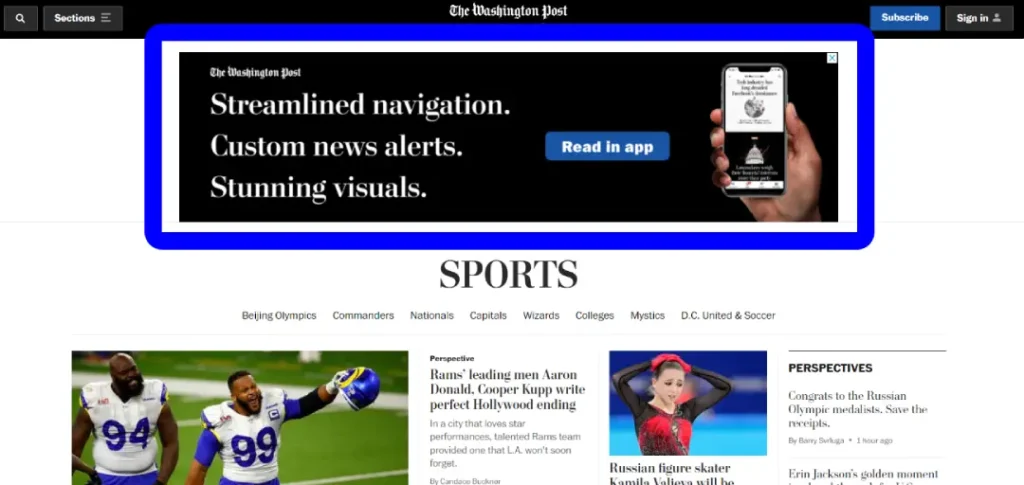
You might be puzzled, “What’s so important about it?” Good question. Contextual promotion is effective for several reasons:
- It’s applicable
- It’s timely
- It’s less interruptive.
When used correctly, contextual advertising is a part of the user experience rather than an irritating intrusion.
Psychology Behind Contextual Ads
There is some psychology in this. If someone is reading about travelling, for example, they will be more open to travel advertisements. The main thing is to attract people when they are in the appropriate mood.
Setting Up a Contextual Advertising Campaign
Do you want to try contextual advertising? Then, consider my guidelines for creating your first campaign.
- Choose a platform.
- Identify your audience.
- Pick critical phrases that relate to your company or product.
- Make some good ad text.
- Decide how much money you want to spend and where to place ads.
- Start the campaign, then watch it. Try different things if you need to!
Finding the Right Words
Be careful with words! They must not be too general so as not to attract people who don’t care about what you offer. But also, do not use such specific ones which will make nobody click on them and just waste budget.
Writing an Eye-catching Ad Text
Keep in mind that people have very short attention spans. They will only read the first few lines of any advertisement, so make those count!
Measuring Success: Key Metrics to Watch
How can you be sure that your contextual advertising campaign is effective? Look at these indicators:
- Click-through rate (CTR)
- Conversion rate
- Return on ad spend (ROAS)
- Cost per acquisition (CPA)
Qualitative Feedback: Beyond the Numbers
Don’t concentrate only on numbers; also consider qualitative feedback. Is there more engagement with your brand? Have positive mentions on social media increased?
Contextual vs. Behavioural Advertising

You might be wondering how contextual advertising stacks up against behavioural advertising. Let’s break it down:
| Contextual Advertising | Behavioural Advertising |
| Based on current content | Based on past behaviour |
| Fewer privacy concerns | More privacy concerns |
| Works without cookies | Relies heavily on cookies |
| Immediate relevance | Long-term relevance |
Both have their place, but contextual advertising is gaining ground, especially as privacy concerns grow.
Challenges and Limitations of Contextual Advertising
It’s not all rosy. Contextual advertising does have its challenges:
- Misunderstanding the context
- Having a limited reach as compared to broader targeting
- Ad fatigue
- Measuring long-term impact is hard
Getting over it
Savvy advertisers are finding ways around this. For example, they could use advanced natural language processing to understand context better. Alternatively, they combine contextual with other targeting methods for a more balanced approach.
Best Practices for Contextual Advertising
Desire to get the best out of your contextual advertising? Here are some tips for you:
- Understand your audience completely
- Regularly test and improve your campaigns
- Use negative keywords to prevent improper placements
- Produce various ad creatives that are relevant to different contexts
- Keep a close eye on brand safety
The Significance of Brand Safety
In contextual advertising, brand safety is paramount. No one would want their advertisement about family-friendly products displayed next to adult content sites or anything similar. There are tools and methods which can help you make sure that your ads appear in appropriate places.
Integrating Contextual Advertising into Your Marketing Mix
Contextual advertising should not stay alone. It is most effective when used with other marketing strategies. Here are some ways to integrate it:
- Employ it to support your SEO campaign
- Combine it with content marketing for a killer combo
- Let it guide your social media strategy
- Use insights from contextual campaigns to fine-tune your overall messaging
The Power of Synergy
When all your marketing efforts are aligned, they create synergy – the whole becomes more significant than the sum of its parts. Contextual ads can act as a binding agent for this synergy.
Tools and Platforms for Contextual Advertising

There are numerous methods to help you with contextual advertising. Below are some common ones:
- Google Ads
- Amazon Advertising
- Media.net
- AdRoll
- Taboola
Each has pros and cons, so research to determine which suits your needs best.
DIY or Agency: What’s Better?
Is it better to deal with contextual advertising alone or use an agency? Everything depends on resources and skills. If you’ve only started, it may be reasonable to understand the matter yourself. However, when campaigns become more complicated – invite professionals.
The Ethics of Contextual Advertising
Great responsibility comes with great power. As contextual advertising advances, we must think about ethics:
- Transparency: Do people know how they’re being targeted?
- Privacy: What data is collected and used?
- Manipulation: Should we use individuals’ weaknesses against them?
- Fairness: Is it unfair to focus on or exclude particular groups?
These are hard questions without clear solutions, but they are worth asking.
Finding the Right Middle Ground
What’s important is finding a way to make ads that work while respecting people’s privacy and autonomy. It can be done – even the most successful campaigns need not involve any ethical violations.
Contextual Advertising and SEO: A Perfect Match?

Contextual advertising and SEO have a lot in common. Both rely on understanding the content and context of web pages. Here’s how they can work together:
- Use SEO insights to inform your contextual targeting
- Let contextual ad performance guide your content strategy
- Use both to create a consistent user experience across organic and paid channels
You create a powerful online presence when SEO and contextual advertising work harmoniously.
The Global Perspective: Contextual Advertising Around the World
Contextual advertising is not only popular in the West but also has been booming around the world. However, there are a few regional specifics to keep in mind:
- What’s relevant or appropriate is shaped by cultural subtleties
- Language differences influence keyword targeting
- Ad technology adoption varies from region to region
- Privacy rules differ significantly between countries
Localisation is Paramount
When you do international campaigns, do not just translate your ads. Instead, they should be localised for every market according to cultural and linguistic context.
Contextual Advertising in Different Industries
Contextual advertising applies to almost all industries; however, the method may differ. Here are some examples:
- E-commerce: Aim ads at shopping intention and product categories
- B2B: focus more on professional contexts and industry-specific content
- Entertainment: Match adverts to viewer preferences and content genres
- Finance: Direct them according to market conditions and financial news.
The essential thing is that you should know what makes your industry unique and adjust accordingly.
The Role of Creativity in Contextual Advertising
Don’t get hung up on algorithms and targeting – creativity still matters. The best contextual ads are those that marry clever targeting with captivating creativity. Here’s why creativity is essential:
- It makes your adverts distinctive among many others online.
- It establishes emotional ties with viewers.
- It simplifies complicated messages.
- It improves brand recall.
Art and Science in Harmony
For a successful campaign, data-driven targeting must be combined with creative brilliance – this is what contextual advertising is all about. So don’t disregard one component over another.
Preparing for the Future of Contextual Advertising
Looking forward, it is evident that contextual advertising will evolve. To keep up with the times, you can take specific measures.
- Stay aware of new technologies and trends
- Test out different platforms and formats
- Train your employees and help them grow their skills
- Make your advertising strategy flexible
Change is Good
When it comes to digital marketing, everything changes quickly. If you are ready for those modifications by being flexible and following new ideas, your business will always be in demand within the field of contextual promotion.
Conclusion: The Power of Context
Contextual advertising is not just another marketing catchphrase. When applied correctly, it is a powerful weapon that can turn around your advertising attempts. Making meaningful relationships with potential customers comes to life by giving the correct message to the right person at the proper moment.
As the name implies, contextual advertising has several advantages: increased relevancy, better user experience and higher ROI (Return on Investment). However, there are still some challenges facing this form of digital marketing privacy concerns, among others.
Looking forward to the future, it seems like a bright one for contextual advertising, too, since AI (Artificial Intelligence) and machine learning are rapidly growing, which will make targeting more accurate than ever before while, at the same time, stricter regulations might force companies to stick with context-based solutions due to increased privacy worries.
Remember that success in this area does not solely rely on technology but also demands deep insights about whom you want to reach out to, thus informing what should be said to capture their attention while continuously testing different strategies.
Now that everything has been clarified for everyone interested in learning more or getting started with the contextual advertisement, I only have one question: Are you ready?
FAQs
What is the difference between behavioural and contextual advertising?
Contextual advertising selects ads based on the content of a webpage or app, while behavioural advertising picks users depending on their past actions online.
Is contextual advertising friendlier to privacy than other digital marketing forms?
Normally, yes. It does not use personal information or tracking cookies, making it one of the most private-friendly targeting methods.
So, how effective is contextual advertising compared to other digital marketing forms?
This will depend on various factors, but many advertisers have recorded high engagement rates with contextual ads due to relevance and timeliness, which has also increased ROI for them.
Can small businesses use contextual advertising?
Yes, they can! Especially those that target niche markets or local audiences.
How does AI improve contextual advertising?
By analysing content and user behaviour in real time, AI can make split-second decisions about where to place an ad, thereby improving targeting accuracy.
Are there any industries where it doesn’t work well?
Although applicable across all sectors, products or services with a natural affinity towards specific content topics may need help using this strategy.
How does phasing out third-party cookies affect contextual advertising?
The end of third-party cookies helps Contextual adverts because they don’t need cookies for targeting purposes.
After how long should I update my strategy again?
For an industry that changes rapidly, you should review quarterly, if not more often, while in others, once every six months would be fine.
Can it be used in video or audio content?
Yes! It’s increasingly used in videos and audio to match ads with themes or topics discussed therein.
What impact does it have on user experience?
Good ones improve user experience by providing relevant, non-intrusive ads aligning with their interests or needs.
What are some mistakes to avoid?
Over-reliance on broad keywords, neglecting brand safety and needing to update campaigns based on performance data regularly.