How to Build a Brand on a Small Budget
You don’t need a lot of money to create an outstanding brand. You need guts.
The world is stuffed with me-too companies yelling, hoping somebody will take note. They think branding means flashy commercials and fancy logos. They’re mistaken.
Authentic branding – the sort that turns heads and opens wallets – involves taking a stance. It’s about making a promise and consistently, passionately keeping it. It’s about connecting with people in ways that are meaningful to them.
Oh, and by the way, you can accomplish all this with next to nothing.
The trick? Don’t try to be liked by everybody: Be your strange self instead. Your quirk. The thing that makes some people roll their eyes while others lean closer.
Building a brand with limited funds isn’t about cutting corners; it’s about concentrating one’s scarce resources on what matters most – your narrative, values and the difference you seek to bring about in this world.
Do you want to create a brand which fights above its weight class? Then, let us begin!
- Authentic branding connects with people through meaningful narratives and values, not flashy logos or ads.
- Building a brand on a budget involves focusing on unique strengths and core mission without cutting corners.
- Engaging storytelling and consistent customer care foster trust and loyalty, crucial for brand success.
- Leverage low-cost strategies like social media and content marketing to create impactful brand visibility.
Understanding the Basics of Branding

Before I show you the weeds of budget-friendly branding strategies, let’s define what “branding” means.
A brand refers to more than just a logo or catchy tagline. It’s the whole personality behind your business – how it makes people feel, what it stands for and what it promises to them.
Imagine that brands are like DNAs, which mould all interactions and touchpoints between companies and their customers.
Why is Branding Important?
Should I bother about building my brand when I start? Someone may ask. The answer is yes! This is why:
- Establishes Trust: A strong brand creates credibility with your market.
- Differentiating from Competitors: It helps people remember you among many similar businesses.
- Inspires Customer Loyalty: Through emotional attachment, branding can foster a sense of loyalty that encourages clients to return for more.
- Command Higher Prices: When done appropriately, even low-cost products can be sold at premium rates due to effective packaging design ideas employed during the branding exercise.
- Attracts Good People: Having a clear identity around who they work for often improves staff morale levels, making recruitment much more manageable in the future.
Once we have covered these basics, let’s explore some hands-on methods for building your brand without breaking the bank.
Define Your Brand Essence

Step back and consider what your brand represents before you start displaying your logo everywhere. What is its mission? What are its core values? How is it different from any other business out there?
Get a notebook and write down answers to these questions:
- What problem does my company solve?
- Who is my ideal customer?
- What three words would best describe the personality of my brand?
- If my brand were a person, how would they dress and act?
- What do I want people to feel when they interact with my brand?
Right, so you’ve got answers to those questions. Good. But here’s the real gut check: what’s your Unique Selling Proposition, or USP?
Forget the corporate waffle. Your USP is the one single reason a customer should buy from you and not the other ten blokes selling the same thing.
It’s your knockout punch.
It needs to be dead simple. M&M’s had one of the best ever: “The milk chocolate melts in your mouth, not in your hand.”
Bang. You get it instantly. It solves a problem and sets them apart.
So, have a proper think. What’s the one promise you can make that nobody else can?
Nail that down. It’s the foundation for everything else.
This exercise costs nothing but time and brainpower–– but it’s also everything.
Tell An Engaging Brand Story
Now that you have your brand essence down pat, tell a story that resonates with the people who matter most: your audience. Everyone loves stories; nobody likes being sold to. Think about the “why” behind your business. Did an event trigger this idea? Was there a personal struggle that led to it?
Your brand story doesn’t have to be an epic novel — keep it simple, authentic, and relatable. Share it on your About page, incorporate it into marketing messages, and utilise it to foster emotional connections with consumers.
Design Your Visual Identity
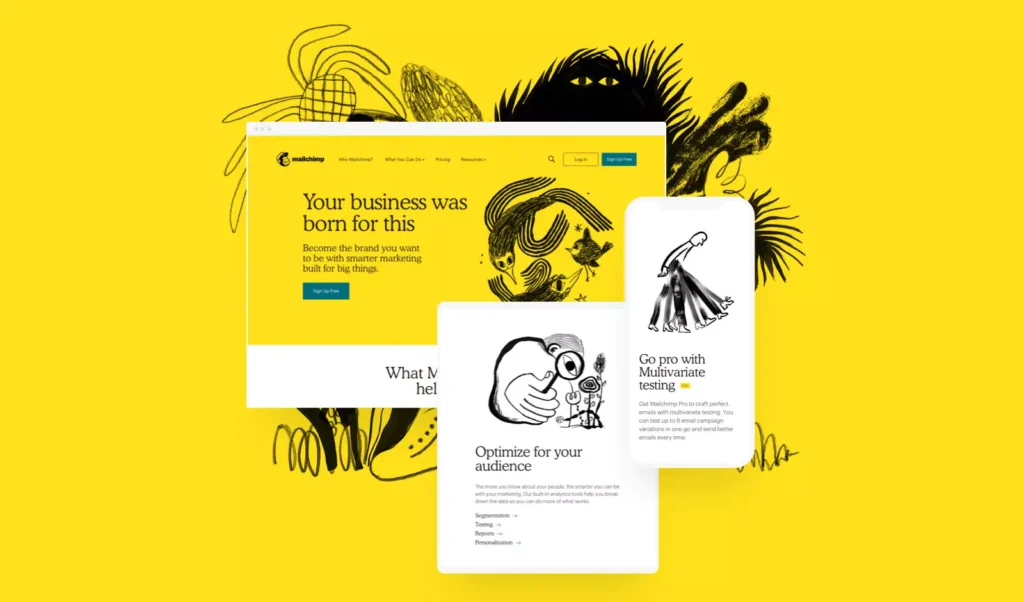
But the face of your brand doesn’t have to be costly. Try these inexpensive alternatives:
- Tools for DIY design: Canva and similar platforms have free templates and easy-to-use design features.
- Websites for logo creation: Some websites, like Hatchful or Looka, specialise in affordable logo design services.
- Student designers: Consider contacting local design schools — they may have talented students seeking to expand their portfolios.
- Freelance marketplaces, such as Fiverr or 99designs, offer logo design services at varying prices.
Remember that less is more. Many of the most iconic logos in the world are deceptively simple (e.g., Apple and Nike).
Colour Palette and Typography
Selecting colours and fonts can make or break brand recognition — and it doesn’t have to cost anything!
Colours:
- Utilise colour psychology to evoke the desired emotions.
- Keep 2-3 primary colours consistent throughout
- Coolors (or similar tools) can help generate harmonious palettes for free.
Typography:
- Opt for 1-2 fonts that align with your brand personality.
- Ensure readability across different platforms.
- Google Fonts offers a wide range of readable, high-quality fonts at no charge.
Develop Your Brand Voice
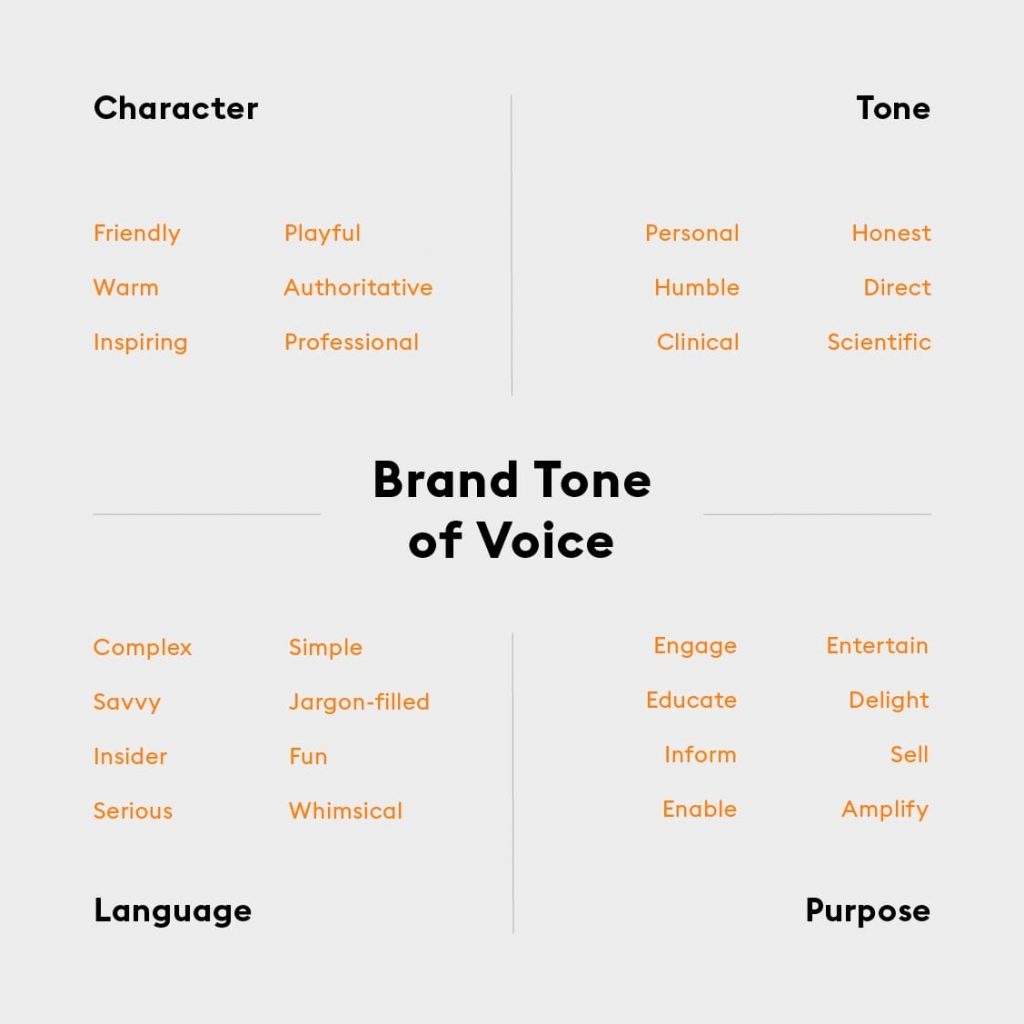
The way you talk to people matters. When speaking to someone, your voice is unique because it’s how you express yourself across all communication channels.
It should remain constant and reflect who you are as a brand. Do you consider yourself formal or casual? Sombre or light-hearted? Professional or unprofessional?
Create a guide that establishes the following:
- Tone (e.g., kind, assertive, peculiar)
- Phrases or buzzwords to use (and not use)
- Grammar and punctuation preferences
This will keep your social media content aligned with your customer service emails.
Content is King (and It Can Be Cheap)
Creating valuable content can be one of the most cost-effective ways for your business to gain recognition. Start a blog, launch a podcast, create informative videos – show what you know without being pushy about making sales.
Here are some ideas for low-cost content:
- Step-by-step instructions related to your industry
- Behind-the-scenes looks at how things work in your company
- Examples of customers who have succeeded in using your product/service
- News and opinions about current events within the field where you operate
- Question-and-answer sessions involving members from either side of the selling process: those who make products like yours vs those who buy them (or both!)
- Get your customers to make content for you.
Look, creating content all day is a slog. The smart play is to get your customers doing it for you.
This is called User-Generated Content (UGC), and it’s absolute gold dust.
It’s just pictures, videos, reviews, whatever, that your actual customers create. People trust other people way more than they’ll ever trust your slick marketing.
It’s just a fact.
So, get them involved. Create a simple brand hashtag that users can easily add to their Instagram or TikTok posts.
Run a little contest. The best photo of your product in the wild gets a prize.
Then, share their stuff on your own channels, with full credit, of course. It makes them feel like part of a club.
This gives you a mountain of free, believable advertising. It’s a no-brainer.
Remember that consistency matters more than anything else here — so don’t try to post every day unless there’s enough good material available every time.
Leverage Social Media

You can forget about being on all social media platforms. Select two that align well with your brand and where your ideal customers are located. Instead of spreading yourself too thin, focus on creating high-quality content and engaging with your followers.
Engage, Don’t Just Broadcast
Don’t make the mistake of using social media solely for advertising; it’s also a valuable relationship-building tool. Respond to comments, pose questions, and run polls that prompt people to participate.
Sharing user-generated content is also beneficial because it serves as free advertising while fostering a community around those who use or enjoy specific products/services.
Hashtag Strategy
Your branded hashtag is excellent, but you should also include other relevant ones so people can see what you’re posting. Identify the hashtags prevalent in your industry/niche, and then join conversations around them to expose more individuals to what you do/offer.
Network and Collaborate
Find companies that serve the same target audience as you but do not compete directly. You can ask yourselves whether you can promote each other’s products or services.
Alternatively, think about co-hosting an event together or creating a product jointly. This extends your coverage without inflating your budget.
Exploit Influencer Marketing (Cheaply)
You don’t have to ally with mega-influencers to create an impact.
Micro-influencers usually have smaller audiences ranging from one thousand to one hundred thousand followers, and maybe more engaged than their larger counterparts. Besides, they are also likely to work with smaller brands.
Propose win-win influencer agreements:
- Give them free items in exchange for unbiased feedback.
- Recommend commission-only affiliate program offers
- Ask them if they want to collaborate on content creation.
However, remember that genuineness is crucial when selecting ambassadors for your brand.
Build an Engaged Community
The thing is, just shouting about your brand is old hat. It’s boring.
The real game these days is building a community. A proper tribe of people who get what you do and want to be a part of it.
These are the people who will become your biggest fans. They won’t just buy from you; they’ll fight your corner.
So stop broadcasting and start talking. Set up a private Facebook Group or a Discord server for your most loyal customers.
Give them a sneak peek at new stuff. Ask for their opinions.
Make them feel like insiders, not just walking wallets.
Go live on Instagram or YouTube now and then. Don’t sell anything, just answer their questions and help them out.
Give them pure value. That’s how you build loyalty that money can’t buy.
Provide Exceptional Customer Service
Customer service is an excellent branding strategy that requires only effort. Do more than what’s expected to fix things, reply fast to questions, and express genuine gratitude to your buyers.
Ask happy clients to review and recommend you. This kind of marketing costs nothing, but it is very efficient.
And don’t just sit on that feedback. Use it.
It’s a treasure map showing you exactly what your customers want.
Go out and get it. Create a simple poll on your Instagram Stories or send a quick survey using Google Forms after someone makes a purchase.
Ask them what they love, what they hate, and what you should do next.
But here’s the magic bit. When you actually make a change based on their ideas, you need to shout about it.
A quick social media post saying, “You asked, we listened! Our packaging is now easier to open.” People love that.
It shows them they have a voice and that you’re not some faceless corporation. It makes them feel like partners.
And that’s how you get customers for life.
Appreciate clients who return often by introducing a straightforward loyalty program. It can be as simple as having a punch card system for small enterprises; make them feel important, and they will start advocating for your brand in droves.
Optimise Your Online Presence
The website is the first impression potential customers have of your brand.
An impact does not have to be created by a custom-made site that is too expensive. WordPress, Wix or Squarespace provide affordable templates you can personalise according to your brand.
Vital components for your friendly web design on a budget:
- Simple and direct message delivery
- Smoother navigation
- Mobile-friendliness
- Quicker loading time
- Prominent Calls-to-Action (CTA)
SEO: The key to getting traffic at no cost
Search Engine Optimisation (SEO) is a powerful way to attract potential customers without spending money to get them to know about your brand. Knowing the basics of On-page SEO will enable you to optimise the website and other content.
Concentrate on:
- Keyword research (Google Keyword Planner is free)
- Creating high-quality, relevant content
- Optimising meta titles and descriptions
- Building a logical site structure
- Earning backlinks through networking and great content.
Embrace Guerrilla Marketing
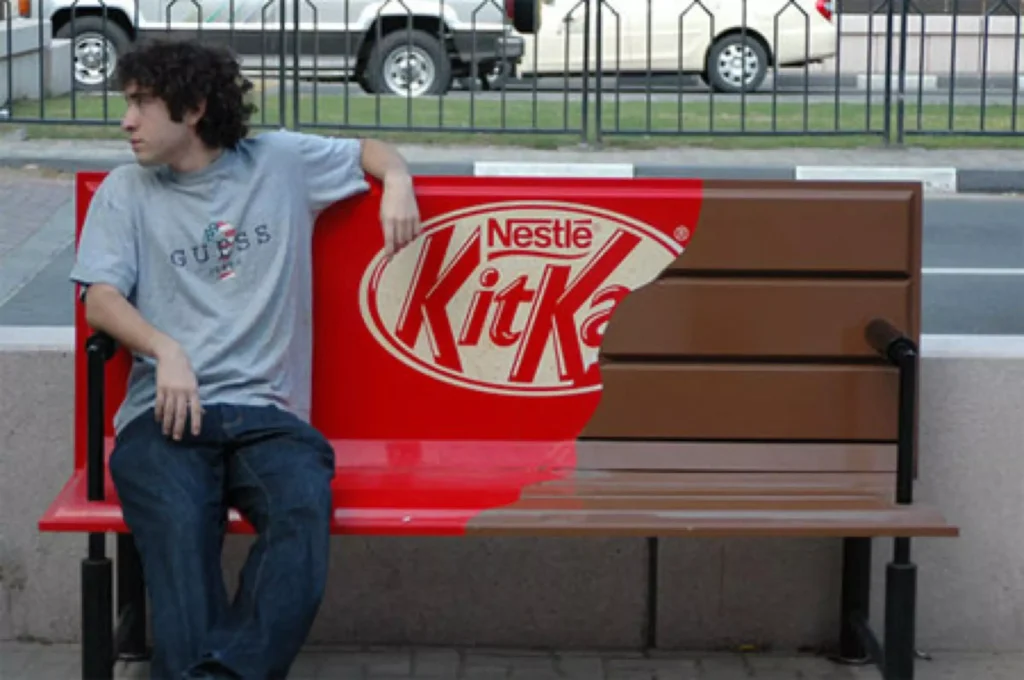
To execute a guerrilla marketing campaign, you must create brand interactions that are easily remembered, even with limited resources.
Creativity, shock value and cheekiness are heavily relied upon to win the eye of the public.
Here are Some Guerrilla Marketing Ideas on a Budget:
- Advertising through chalk art on sidewalks.
- Flash mobs or street performances
- Clever sticker campaigns
- Interactive installations in public spaces
- Viral social media challenges
The most important thing is to do something that nobody would expect from your business or industry, but that matches its character well enough to get people talking about it.
Measure and Adjust
You should understand what is happening and what is not as you create a brand. Free Google Analytics can track website traffic, social media insights for engagement monitoring and customer surveys to collect feedback.
When things are not working out, do not hesitate to change direction.
The advantage of building a brand with limited funds is that it allows you to be more flexible and reactive. If a specific strategy does not resonate with your audience, try another; as the enterprise expands and its knowledge of clients deepens, so should the brands themselves.
Conclusion
Creativity, strategic thinking, and consistent effort can build a brand on a small budget. Remember that even the most loved brands worldwide started from scratch. Concentrate on forming genuine connections with your audience while remaining authentic to your beliefs.
By utilising free or inexpensive tools, embracing digital platforms, and thinking creatively, you can establish a distinctive brand identity that resonates effectively with your target market. Do not let the lack of funds become an obstacle; let it act as a catalyst toward finding better solutions by being more creative.
While embarking on branding efforts, remember that strong brands are not built overnight. However long it may take, be patient throughout the process; be persistent in your actions, stay true to your goals, and celebrate every step taken towards achieving success.
Because when backed by passion and determination, even small-budgeted businesses have the potential to make a huge impact.