Artificial Intelligence in Marketing: Guide to the Basics
Artificial Intelligence in marketing uses customer data and machine learning to automate decisions and power personalisation at scale, moving beyond traditional “one-to-many” communication.
Key applications in 2026 include predictive analytics for forecasting trends, Generative AI tools like Jasper for content creation, and AI-powered chatbots for instant customer support.
Platforms like Google Ads and Meta Ads also leverage AI to optimise campaigns, allowing businesses to make smarter, data-driven decisions that increase marketing ROI.
- AI is transforming marketing from traditional methods to data-driven strategies, allowing businesses to anticipate customer needs.
- Machine learning empowers predictive analytics, enabling brands to forecast customer behaviour and enhance decision-making.
- Personalisation has evolved, driven by AI, to create tailored experiences that promote engagement and loyalty among customers.
- Ethical considerations are crucial; brands must balance personalisation with data privacy and avoid algorithmic bias.
- The future of marketing lies in AI-driven creativity and strategy, emphasizing the synergy between technology and human insight.
Artificial Intelligence in Marketing: More Than Just Buzzwords

Let’s face it – artificial intelligence has been the talk of the town for a while now. But in marketing, it’s not just hype. It’s a game-changer, redefining how we understand and reach our audience.
What’s All the Fuss About?
AI in marketing isn’t about replacing humans with machines; it’s about augmenting human capabilities. It’s about augmenting our capabilities, enabling us to make more informed decisions, and fostering deeper, more meaningful connections with our customers.
It’s like having a super-smart assistant who never sleeps and can crunch numbers faster than you can say “ROI”.
The Numbers Don’t Lie
Still sceptical? Check this out:
- According to Markets and Markets, the global AI in marketing market is expected to grow from $6.46 billion in 2020 to $40.09 billion by 2025.
- In 2020, 84% of marketing organisations implemented AI and machine learning, up from 29% in 2018 (Salesforce State of Marketing report).
- Businesses using AI for sales increased their leads by more than 50% (Harvard Business Review).
These aren’t just numbers – they’re a wake-up call. AI is here, and it’s transforming marketing as we know it.
The Building Blocks: Understanding AI in Marketing

Before we dive into the nitty-gritty, let’s get our heads around what AI in marketing means. It’s not just one thing – a whole toolbox of technologies that can supercharge your marketing efforts. Also, start learning Power BI to analyse and visualise your marketing data effectively.
Machine Learning: The Brain Behind the Operation
At the heart of AI in marketing is machine learning. Think of it as the brain that gets smarter over time. It analyses data, learns patterns, and makes more accurate predictions by processing more information.
Natural Language Processing: Speaking Your Customer’s Language
NLP is like having a universal translator for customer communication. It helps AI understand and generate human language, making chatbots more conversational and content creation more natural.
In modern AI applications, understanding how these systems work is crucial, and LLM agents explained provide insight into how large language model agents process inputs, generate responses, and perform tasks autonomously across customer support, content creation, and business workflows.
Computer Vision: Seeing is Believing
Computer vision allows AI to interpret and understand visual content. It’s what powers image recognition in social media and helps create more engaging visual content.
Predictive Analytics: Crystal Ball for Marketers
Imagine knowing what your customers want before they do. That’s the power of predictive analytics. It uses historical data to forecast future trends and behaviours.
AI-Powered Personalisation: The Holy Grail of Marketing
Remember when personalisation meant slapping a customer’s name on an email? Those days are long gone. AI is taking personalisation to a whole new level.
Beyond “Hello [First Name]”
AI analyses vast amounts of data to create detailed customer profiles. It looks at browsing history, purchase patterns, social media activity, and more to understand customers’ preferences and behaviours.
Real-Time Personalisation: Strike While the Iron is Hot
AI doesn’t just personalise content – it does it in real-time. As customers browse your website or app, AI can dynamically adjust content, product recommendations, and pricing to match their needs and interests.
Case Study: Netflix’s AI-Powered Recommendations
Netflix is the poster child for AI-powered personalisation. Their recommendation engine doesn’t just suggest movies based on what you’ve watched – it analyses everything from viewing times to how often you pause or rewind. The result? Personalised recommendations drive a staggering 80% of viewer activity.
Content Creation and Curation: AI as Your Creative Partner
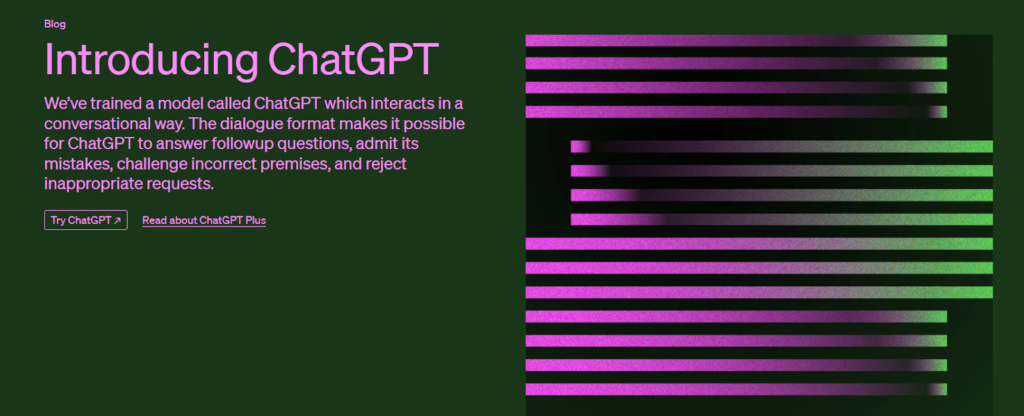
Don’t worry; AI isn’t here to replace copywriters and designers. But it is here to make their jobs much easier and more effective.
AI-Generated Content: From Data to Story
AI can analyse data and generate human-readable reports, product descriptions, and even essential news articles. Tools like GPT-3 are pushing the boundaries of what’s possible in AI-generated content, and many businesses now partner with an AI development company to integrate similar capabilities into their workflows.
Content Curation: Finding the Needle in the Haystack
With the sheer volume of content, finding relevant material for your audience can be overwhelming. AI can sift through vast amounts of content to identify the most relevant and engaging pieces for your audience.
Visual Content Creation: A Picture’s Worth a Thousand Words
AI isn’t just about text. Tools like DALL-E and Midjourney revolutionise visual content creation, generating unique images from text descriptions. Imagine creating custom visuals for your campaigns in seconds!
Chatbots and Conversational AI: 24/7 Customer Service
Gone are the days of clunky chatbots that barely understand “yes” or “no”. Today’s AI-powered chatbots are sophisticated conversationalists who can handle complex queries and even crack jokes.
Beyond FAQ: Intelligent Conversations
Modern chatbots use NLP to understand context and intent, not just keywords. They can handle multiple languages, understand the sentiment, and even pick up on sarcasm (although not always).
Proactive Engagement: Reaching Out Before Problems Arise
AI chatbots don’t just wait for customers to come to them; they actively engage with them. They can proactively reach out based on user behaviour, offering help or suggestions before the customer even realises they need it.
Human-AI Collaboration: The Best of Both Worlds
The most effective chatbot strategies combine AI, such as Datagrid, with human support. AI handles routine queries, freeing human agents to address more complex issues that require empathy and nuanced understanding.
Predictive Analytics: The Crystal Ball of Marketing

Wouldn’t it be great if you could predict what your customers will want next? With AI-powered predictive analytics, you can get pretty darn close.
Customer Lifetime Value: Playing the Long Game
AI can analyse customer data to predict future buying behaviour and estimate the total value a customer will bring to your business over time. This helps you focus your efforts on the most valuable customers.
Churn Prediction: Keeping Customers from Jumping Ship
By analysing patterns in customer behaviour, AI can identify signs that a customer might be about to leave. This allows you to take proactive steps to keep them engaged and loyal.
Trend Forecasting: Staying Ahead of the Curve
AI can analyse vast amounts of data from social media, search trends, and other sources to predict upcoming trends in your industry. This helps you stay ahead of the competition and create content that resonates with your audience.
AI in Advertising: Smarter Spending, Better Results
Advertising has always been a bit of a guessing game. AI is changing that, making ad spending more efficient and effective.
Programmatic Advertising: Real-Time Bidding on Steroids
AI-powered programmatic advertising utilises real-time bidding to place ads in front of the target audience at the optimal time. It analyses user data, context, and bid patterns to make split-second decisions on ad placement.
Ad Creative Optimisation: A/B Testing on Autopilot
AI can automatically generate and test multiple versions of ad creatives, optimising for the best-performing variants in real time. This means your ads are always presenting their best face.
Fraud Detection: Keeping the Bots at Bay
Click fraud is a significant problem in digital advertising. AI can analyse traffic patterns and user behaviour to identify and filter out fraudulent clicks, ensuring your ad budget is spent on real potential customers.
AI-Powered Social Media Marketing: Listening and Engaging at Scale
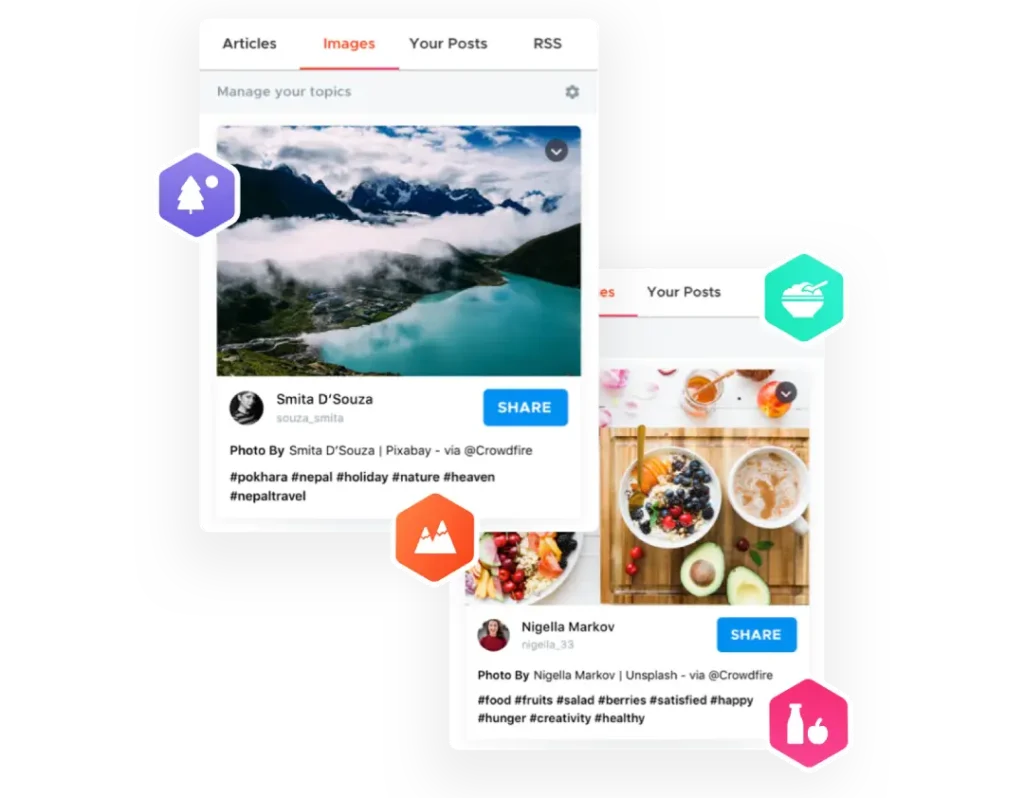
Social media is a goldmine of customer insights and a firehose of information. AI helps you make sense of it all and engage more effectively.
Social Listening: Tuning into the Conversation
AI-powered social listening tools can analyse millions of social media posts to identify trends, sentiments, and emerging issues related to your brand or industry.
Content Scheduling: Right Message, Right Time
AI can analyse engagement patterns to determine the best times to post content for maximum impact. It can adjust posting schedules in real time based on current engagement levels.
Influencer Marketing: Finding the Perfect Match
AI can analyse influencer profiles, audience demographics, and past performance to help you find the perfect influencers for your brand. It can even predict the potential ROI of influencer partnerships.
Email Marketing: Personalisation at Scale
Email might be one of the oldest digital marketing channels, but AI is breathing new life into it.
Intelligent Segmentation: Beyond Basic Demographics
AI can analyse subscriber behaviour to create hyper-specific segments based on purchase history, email engagement, and browsing behaviour. This enables more targeted and effective email campaigns.
Dynamic Content: Emails that Adapt
AI can dynamically adjust email content based on the recipient’s preferences, behaviour, and current context (such as weather or local events). This means each subscriber gets a uniquely tailored email experience.
Send Time Optimisation: Hitting the Inbox at the Right Moment
AI can predict the best time to send emails to subscribers based on their past engagement patterns. This increases the likelihood that your emails will be opened and acted upon.
Voice Search Optimisation: “Hey Alexa, How Do I Rank for Voice Search?”
With the rise of smart speakers and voice assistants, optimising for voice search is becoming increasingly important. AI is at the forefront of this new frontier in SEO.
Understanding Natural Language Queries
Voice searches tend to be longer and more conversational than typed searches. AI helps understand the intent behind these natural language queries and match them to relevant content.
Featured Snippets: Aiming for Position Zero
Voice assistants often pull answers from featured snippets. AI can help optimise your content to increase the chances of being selected for these coveted “position zero” spots.
Local SEO for Voice: “Near Me” Searches
Many voice searches are conducted to find local information. AI can help optimise your local SEO strategy to capture these “near me” voice searches.
AI in Customer Experience: Creating Memorable Moments
Marketing is about creating great customer experiences. AI is helping brands achieve this in ways that were previously impossible.
Predictive Customer Service: Solving Problems Before They Happen
AI can analyse customer data to predict potential issues and proactively offer solutions. This not only improves customer satisfaction but also reduces support costs.
Emotion AI: Understanding the Feelings Behind the Data
Emerging “emotion AI” technologies can analyse facial expressions, voice tone, and text sentiment to understand the emotional state of customers. This can help brands respond more empathetically and effectively.
Augmented Reality: Bringing Products to Life
AI-powered AR technologies enable customers to visualise products in their own space before making a purchase. From virtual try-ons for makeup to seeing how furniture looks in your living room, AR is creating immersive shopping experiences.
The Ethical Implications: Navigating the AI Minefield

With great power comes great responsibility. As we adopt AI in marketing, we must be mindful of its ethical implications.
Data Privacy: Walking the Tightrope
AI relies on data, but customers are increasingly concerned about privacy. Brands must balance personalisation and privacy, be transparent about data use and give customers control over their information.
Algorithmic Bias: Checking Our AI’s Blind Spots
AI systems can inadvertently perpetuate or even amplify biases present in their training data. It’s crucial to regularly audit AI systems for prejudice and ensure they’re making fair decisions.
The Human Touch: AI as Augmentation, Not Replacement
While AI can do many things, it can’t replace human creativity, empathy, and strategic thinking. The most successful AI implementations in marketing augment human capabilities rather than trying to replace them.
The Future of AI in Marketing: What’s Next?
As AI continues to evolve, what can we expect in the marketing field? Here are a few exciting possibilities:
Hyper-Personalisation: Segments of One
As AI understands individual preferences and behaviours, we may move towards proper one-to-one marketing, where each customer gets a completely personalised experience.
Predictive Analytics 2.0: From Reactive to Proactive
Future AI systems can predict and shape customer behaviour through perfectly timed and tailored interventions.
AI-Generated Creativity: A New Era of Content Creation
As AI gets better at understanding and generating human-like content, we may see AI systems that can create entire marketing campaigns from scratch, guided by human strategists.
Quantum AI: Unlocking New Possibilities
As quantum computing becomes a reality, it could supercharge AI capabilities, allowing for even more complex analysis and prediction in marketing.
Conclusion: Embracing the AI Revolution in Marketing
Artificial intelligence is not just changing marketing – it’s redefining it. From hyper-personalisation to predictive analytics, AI gives marketers superpowers they could only dream of a decade ago.
But with great power comes great responsibility. As we integrate AI into marketing, we must consider key ethical considerations, including data privacy and algorithmic bias. The goal should be to utilise AI to create better, more meaningful customer experiences, rather than to manipulate or exploit them.
The future of marketing is AI-powered, yet it remains human-driven. The most successful marketers will be those who can harness the power of AI while still maintaining the creativity, empathy, and strategic thinking that only humans can provide.
So, are you ready to join the AI revolution in marketing? The future is here, and it’s more exciting than ever.
FAQs
What is artificial intelligence in marketing?
Artificial intelligence in marketing refers to the use of AI technologies, such as machine learning, natural language processing, and predictive analytics, to automate marketing tasks, personalise customer experiences, and make data-driven decisions.
How is AI changing the marketing landscape?
AI is revolutionising marketing by enabling hyper-personalisation, predictive analytics, automated content creation, intelligent chatbots, and more efficient ad targeting and spending.
What are some typical applications of AI in marketing?
Common applications include personalised product recommendations, predictive customer analytics, AI-powered chatbots, programmatic advertising, content creation and curation, and social media analysis.
Will AI replace human marketers?
No, AI is not meant to replace human marketers. Instead, it’s designed to augment human capabilities, handling repetitive tasks and data analysis so marketers can focus on strategy, creativity, and human-centric aspects of marketing.
What are the ethical concerns surrounding AI in marketing?
Key ethical concerns include data privacy, algorithmic bias, transparency in AI decision-making, and the potential for manipulation of consumer behaviour.
How can small businesses leverage AI in their marketing efforts?
Small businesses can use AI through affordable tools for email marketing optimisation, social media management, chatbots, and basic predictive analytics. Many marketing platforms now offer AI-powered features accessible to businesses of all sizes.
What skills do marketers need to work effectively with AI?
Marketers should develop a basic understanding of AI concepts, data analysis skills, and the ability to interpret AI-generated insights. They must also cultivate skills AI can’t easily replicate, such as creativity, empathy, and strategic thinking.
How accurate are AI predictions in marketing?
The accuracy of AI predictions can vary depending on the quality and quantity of data available, the sophistication of the AI model, and the specific use case. While AI can make highly accurate predictions in many cases, it’s not infallible and should be used with human judgment.
What’s the future of AI in marketing?
AI’s future in marketing will likely include even more advanced personalisation, predictive capabilities, and automation. We may see AI systems that can generate entire marketing campaigns, more sophisticated emotional AI, and the integration of AI with emerging technologies like augmented reality and quantum computing.
How can marketers ensure they’re using AI responsibly?
Responsible use of AI in marketing involves being transparent about AI use, prioritising data privacy and security, regularly auditing AI systems for bias, and always considering the ethical implications of AI-driven marketing strategies.
What’s the difference between AI and machine learning in marketing?
AI is a broader concept that refers to machines mimicking human intelligence. Machine learning is a subset of AI focusing on algorithms that can learn and improve from experience without being explicitly programmed. In marketing, machine learning is often used for tasks like predictive analytics and personalisation.


