How to Set Good Sustainability Goals for Your Business
Sustainability has moved from a nice-to-have to a need in the quickly changing corporate environment.
Whether you work in digital marketing, web design, graphic design, or brand identity, defining appropriate sustainability goals goes beyond simply being environmentally conscious.
It’s about connecting with a broader audience that appreciates environmental responsibility, strengthening your brand’s reputation, and future-proofing your business.
Let’s discuss how to develop sustainability goals that have a real, long-lasting impact rather than just look good on paper.
- Begin with a thorough sustainability audit to identify your current impacts and high-priority improvement areas.
- Set science-aligned targets (SBTi/Net Zero) prioritising deep emission cuts before limited permanent removals.
- Embed sustainability across brand, governance and team culture to drive accountability and staff engagement.
- Measure, report transparently and adapt using recognised frameworks to avoid greenwashing and ensure continuous improvement.
Sustainability in Business

When we talk about sustainability in business, we mean developing a strategy that protects our planet and the people who live on it while also ensuring that the economy does not suffer.
It is far more than simply doing a few green things here and there.
Nowadays, sustainability is more than just a pleasant idea; it is something businesses must carefully consider.
Companies that choose sustainable paths are helping the environment, making themselves seem reasonable, strengthening their resilience against obstacles, and responding to client demand for enterprises that do the right thing.
This entails cutting back on the pollutants we release, conserving resources, providing for the well-being of our employees, and giving back to the neighbourhood. It involves operating the business to reduce risks, open new avenues, and provide genuine value to all parties—not just the company.
Given the numerous pressing concerns, including the depletion of natural resources, societal inequality, and a changing climate, it is more important than ever to carefully consider sustainability.
It’s essential for businesses that want to survive and adapt to the quickly changing environment around us.
Understanding regulatory frameworks, such as the Corporate Sustainability Reporting Directive (CSRD). For more details, explore and take a look at CSRD explained. It’s about ensuring we don’t hoard all the resources and leave future generations high and dry.
Start With a Sustainability Audit
It is essential to have a clear understanding of your current impacts before starting the sustainability path. Beginning with a thorough sustainability assessment is the first step.
Examine your company’s activities from various angles, including energy use, waste generation, water use, and the environmental effects of your supply chain.
Examining waste management procedures, utility bills, and even the sustainability certifications of your suppliers are all part of this.
If you are a digital firm, consider the environmental effects of your digital footprint and the energy efficiency of your hosting services. Although obtaining this information can seem overwhelming, it is necessary to pinpoint the areas where significant improvements can be made.
This baseline assessment identifies areas for innovation and improvement, as well as your company’s impact.
Moving Beyond SMART: Aligning with the Science-Based Targets initiative (SBTi)
While the SMART framework is a useful starting point, corporate sustainability in 2026 demands alignment with global scientific consensus.
To be credible, your goals should align with the Science Based Targets initiative (SBTi), which provides a clearly defined path for companies to reduce greenhouse gas emissions.
The Net-Zero Standard
Setting a “Net Zero” goal is no longer about buying offsets to balance out business-as-usual operations. Under the SBTi Net-Zero Standard, businesses must commit to:
- Rapid, deep emission cuts: Aiming for a 50% reduction by 2030.
- Long-term targets: Reducing emissions by 90-95% by 2050.
- Neutralisation: Using permanent carbon removal for only the final 5-10% of residual emissions that cannot be eliminated.
For a UK-based creative or digital agency, this might mean moving beyond simple recycling and looking at the “hidden” emissions in your digital supply chain.
Leverage Local Resources and Knowledge
Utilising local resources and expertise is crucial for businesses aiming to enhance their sustainability practices, particularly in energy management. This action is significant in some locations, like Australia, where energy prices and resources are dwindling.
For companies operating in Australia, platforms that let you quickly compare energy in SA are invaluable for identifying the most sustainable local energy solutions.
These platforms enable businesses to compare various energy providers based on their green energy initiatives, prices, and customer service, ensuring that your choice aligns with your sustainability goals and budgetary constraints.
Focusing on local energy solutions can significantly reduce your carbon footprint, even for businesses outside of Australia. This strategy supports sustainable energy development and promotes local economies, contributing to a broader positive environmental impact.
Engage Your Team
Team participation is critical to the success of sustainability efforts. Fostering a culture of sustainability within your company incentivises staff members to offer creative solutions and assume responsibility for environmental initiatives.
To begin, plan training sessions or workshops that inform your staff about the value of sustainability and how it fits with your company’s principles.
Encourage staff members to propose enhancements, such as integrating eco-friendly procedures into regular operations or using more effective digital tools that eliminate the need for physical resources in graphic design.
Acknowledging and praising these efforts can inspire your group further and foster a cooperative atmosphere where sustainability is seen as a shared responsibility.
By adopting this strategy, you will improve your company’s sustainability initiatives while simultaneously increasing employee satisfaction and engagement.
Choosing the Right Framework: B Corp, ISO 14001, or EcoVadis?
Deciding which certification to pursue depends on your business size, sector, and ultimate goals.
| B Corp | Holistic social and environmental performance. | Brands wanting to prove purpose-led values. | Scaled based on revenue. |
| ISO 14001 | Environmental Management Systems (EMS). | Industrial or service firms needing a formal, process-driven structure. | Certification/audit fees. |
| EcoVadis | Supply chain sustainability and ESG ratings. | Companies selling to large enterprises (B2B). | Annual subscription. |
| Planet Mark | Measurement and annual carbon reduction. | UK SMEs looking for guided, year-on-year improvement. | Tiered by headcount. |
The “Double Materiality” Approach
In 2026, many UK businesses are adopting the Double Materiality principle. This means looking at both how sustainability issues affect your business’s financial value (outside-in) and how your business impacts the environment and society (inside-out). This approach is central to the Corporate Sustainability Reporting Directive (CSRD) and ensures your goals are resilient to future regulatory shifts.
Partner with Sustainable Vendors

When integrating sustainability into your supply chain, vendor selection is critical. Collaborate with suppliers who value environmental responsibility, such as those who use recycled products or operate on renewable energy.
This could imply choosing web hosting services that use green energy for a digital marketing business or a web design firm.
You can drastically reduce your indirect environmental impact by conducting thorough research and selecting providers based on their sustainability standards.
This method reduces your carbon footprint and positions your company as a corporate responsibility leader, appealing to environmentally conscious clients and customers.
Incorporate Sustainability Goals into Your Brand Identity
Since brand identity seems to be a prevalent issue right now, let’s start there.
Do you know what it is? The culmination of all the strategies a business uses to provide the best possible image to its customers is its brand identity. It includes the company’s entire experience with its clients and the use of colour, typography, design, and tone of voice in communications. It goes beyond simply a logo or aesthetics.
Brand identity is crucial because it sets a business apart from its rivals, fosters consumer loyalty, and shapes public perception of the brand. In essence, it’s your company’s character and how it represents its values.
Sustainability should be more than just an operational practice; it should resonate through your brand identity and communications.
This doesn’t mean you need to overhaul your brand visuals; rather, it means integrating your commitment to sustainability into your brand’s story and client interactions. For instance, showcase projects that emphasise eco-friendly designs or use sustainable materials if you’re a graphic design firm.
Digital agencies can highlight their use of energy-efficient web solutions or their contributions to carbon offset projects. This strategy reinforces your brand’s commitment to sustainability and engages customers by aligning with their values, potentially increasing loyalty and business opportunities.
Digital Sustainability: The Carbon Cost of Data and AI
As a digital-first business, your primary environmental impact isn’t plastic waste—it’s data. Global energy demand from data centres is skyrocketing, driven largely by the adoption of Generative AI.
Sustainable Web Design (SWD)
When setting goals for web design, aim for a “carbon-per-page-view” target. Use tools like Ecograder or Beacon to benchmark your sites.
- Optimise Assets: Use WebP or AVIF image formats to reduce file sizes.
- Code Efficiency: Clean, lean code requires less processing power, reducing energy consumption on the end-user’s device.
- Green Hosting: Move your sites to providers powered by 100% renewable energy, such as Kinsta or Google Cloud Platform, which has committed to being carbon-free by 2030.
The AI Paradox
While Artificial Intelligence can help optimise energy grids and supply chains, the training of Large Language Models (LLMs) is incredibly resource-intensive. When integrating AI into your workflow, set a goal to use “small language models” (SLMs) where possible, or choose providers like Anthropic or Microsoft that have transparent carbon-neutrality roadmaps.
Measure, Report, and Adjust
A key component of creating sustainable goals is monitoring development and sharing your successes. Create measures to assess the effectiveness of your sustainability efforts.
This could entail keeping tabs on drops in trash, energy use, or recycling rates. Reporting these results regularly keeps your staff engaged and shows stakeholders, investors, and clients that you are committed to having a real impact.
Be open and honest about your experience, including your achievements and your room for growth. This openness builds trust and can serve as an example for others in your field.
Remember that sustainability is an ongoing process that requires continuous assessment and adaptation to achieve long-term objectives.
Embrace Circular Economy Principles
Transitioning to an economy requires a shift in how businesses operate, moving away from the conventional linear “take, make, dispose” model toward one that is inherently regenerative.
This transformation entails designing products with their end-of-life considerations in mind, ensuring that materials can be easily reclaimed, reused or recycled. For example, companies can embrace design principles that facilitate product repairs or upgrades, thereby prolonging their lifespan and minimising waste.
Businesses can also explore avenues to derive value from waste by-products through internal recycling processes or collaborations with firms to discover uses for these materials. The circular economy approach addresses concerns and uncovers new business opportunities and revenue streams by maximising the use of resources and extracting their full value during use.
Improve Supply Chain Transparency
Enhancing the transparency of your supply chain involves assessing suppliers to verify their compliance with your social criteria. This may entail on-site visits, evaluation of third-party audits or leveraging technology to monitor suppliers’ sustainability credentials.
For example, technology can establish an unchangeable record of a product’s entire journey, from its raw materials to the finished product, ensuring that each stage aligns with the company’s sustainability standards.
Companies should also consider introducing programs to develop suppliers, offering training and resources to help them improve their sustainability practices. This approach does not guarantee adherence to sustainability guidelines. It also nurtures a culture of ongoing improvement and cooperation throughout the supply chain.
Promote Sustainable Consumption
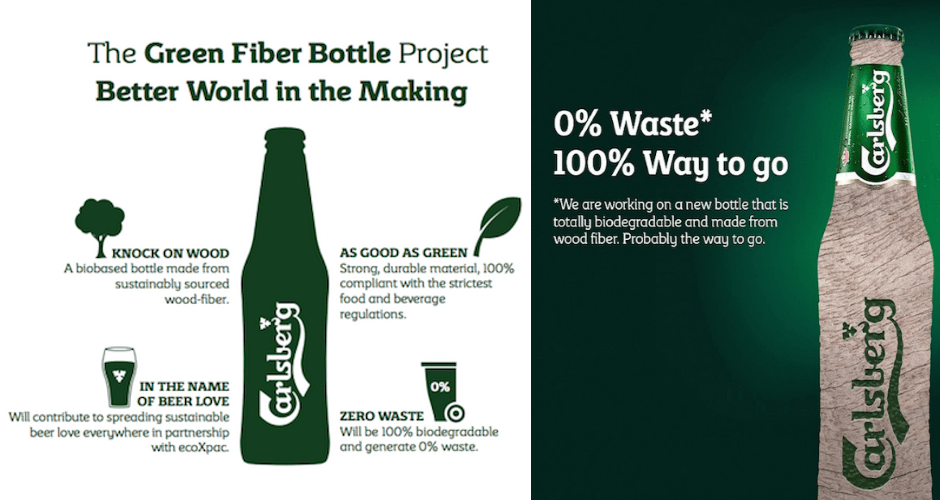
Encouraging consumption can be achieved by launching marketing campaigns that emphasise the environmental advantages of their products or services, providing take-back initiatives for used items and presenting clear information on recycling or proper disposal methods.
Educating consumers about the consequences of their purchases and how they can make environmentally friendly choices is pivotal to changing consumer behaviour.
Moreover, businesses can use platforms to create experiences that involve consumers in sustainability initiatives, like applications that monitor the environmental impact of purchases or offer advice on sustainable living practices.
By promoting consumption, companies contribute to preserving the environment and establish more robust and meaningful connections with their clientele.
Invest in Renewable Energy
Investing in energy requires assessing how you currently use energy and finding ways to shift towards alternative sources. This could involve examining the feasibility of installing panels at your business location, considering wind power options for areas with wind or enrolling in a green energy program offered by your local utility provider.
Businesses should also consider incorporating energy storage solutions to maximise energy and ensure a power supply. Introducing energy-saving LED lighting and smart energy management systems can further reduce energy use and costs.
By switching to renewable energy, businesses can not only lessen their impact but also shield themselves from fluctuating energy costs and boost their reputation with environmentally conscious customers.
Develop Green Products and Services
Creating eco-friendly products and services begins by evaluating how your current offerings affect the environment and pinpointing areas for improvement.
This might involve using materials and designing products for energy efficiency and reducing packaging waste. For service-oriented businesses, this could include providing alternatives to traditional services to reduce travel needs or using environmentally friendly materials in physical projects.
Foster Community Engagement and Collaboration
Establishing relationships with industry associations and engaging in policy dialogues can offer early insights into upcoming regulations and empower your business to shape policy decisions.
Companies need to incorporate sustainability and fraud prevention into their risk management strategies, assessing how regulatory changes and emerging threats might affect their operations and financial viability.
By adapting to shifts, businesses can mitigate compliance risks, seize opportunities for innovation and showcase their commitment to sustainability.
Monitor and Adapt to Regulatory Changes
To effectively adopt sustainability reporting practices, businesses should pinpoint the sustainability metrics pertinent to their operations and stakeholders.
This entails gathering data on energy usage, carbon emissions, water consumption, and waste production as social impact indicators, as well as on workforce diversity and community engagement. Employing established sustainability reporting frameworks ensures that your reports are uniform, comparable and trustworthy.
Training employees on the significance of data collection and transparency is crucial for producing reports. Furthermore, companies should involve stakeholders throughout the reporting process by soliciting their input on the information.
Embracing sustainability reporting enables businesses to demonstrate responsibility, gain insights into their sustainability performance and identify areas for enhancement.
Embrace Sustainability Reporting
Implementing finance practices involves assessing your strategies and investment choices from the perspective of environmental, social and governance (ESG) criteria. This could include allocating a portion of your portfolio to bonds that finance projects with environmental impacts, or obtaining green loans with interest rates linked to meeting specific sustainability goals.
Companies can also explore opportunities in impact investing by directing funds to businesses or initiatives that deliver environmental benefits and financial returns.
Establishing a finance policy and educating your finance team on ESG principles are steps in integrating sustainable finance into your business activities. By embracing finance practices, organisations can contribute to social goals while potentially mitigating financial risks and uncovering new avenues for growth.
Cultivate a Culture of Continuous Improvement
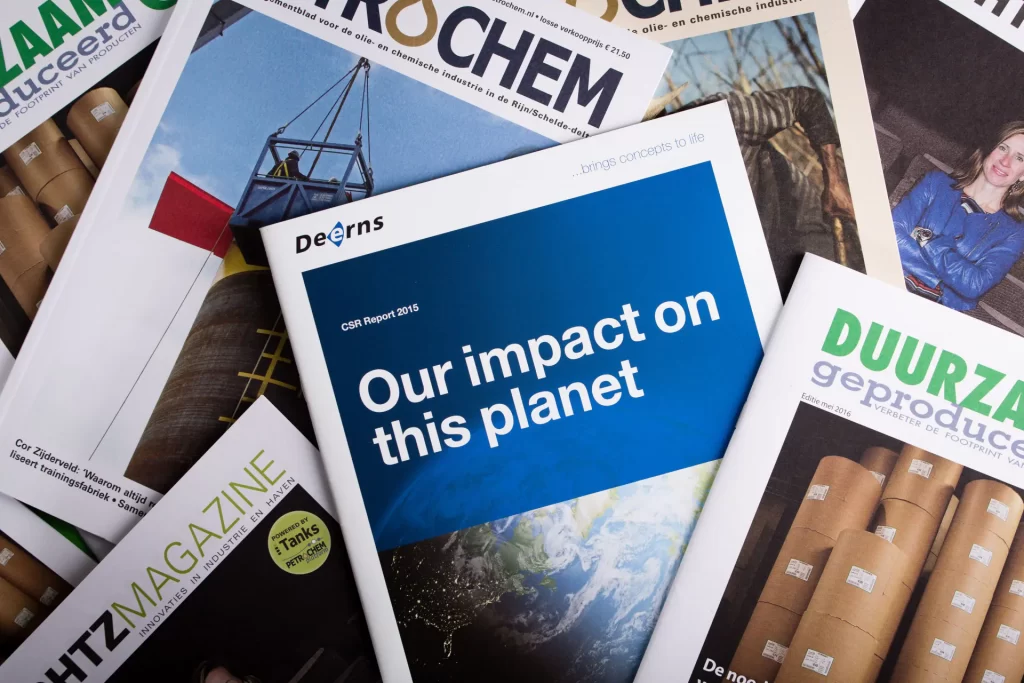
Fostering a culture of sustainability improvement entails creating an environment where employees are encouraged to share ideas and drive initiatives. This may involve forming a sustainability committee or task forces for waste reduction, energy efficiency or community involvement.
Promoting discussions about sustainability challenges and achievements through meetings, newsletters, or an internal sustainability platform can instil a sense of ownership and commitment among employees.
Embrace Ethical Labour Practices
Embracing work practices involves ensuring safe work environments and respecting workers’ rights to form associations and engage in collective bargaining. Companies can regularly review their supply chains to ensure compliance with labour standards and work with suppliers to address any issues.
By adopting work practices, companies show a dedication to responsibility, which can improve their brand reputation, customer loyalty and employee satisfaction. Additionally, businesses prioritising their employees’ well-being often experience increased productivity and innovation.
Foster Innovation for Sustainability
Encouraging innovation is crucial for addressing sustainability challenges. This can lead to the creation of new products, services and processes that reduce environmental impact while meeting societal needs.
Promoting a culture of innovation within your organisation may involve establishing innovation centres that invest in research and development efforts or collaborate with startups and academic institutions.
For instance, exploring materials, developing production methods or creating digital platforms that support circular economy concepts are ways to foster sustainability through innovation.
By promoting innovation for sustainability, companies can stay competitive in the market, unlock business opportunities, and contribute to the shift towards a sustainable economy.
Integrate Sustainability into Corporate Governance
Incorporating sustainability into governance means integrating social considerations into decision-making processes at the top levels of the company. This can be done by forming a sustainability committee within the board of directors, defining sustainability goals for management and tying executive compensation to sustainability performance targets.
Doing it ensures that sustainability is not an afterthought but a fundamental aspect of the company’s direction and risk management practices. It also communicates to stakeholders. Investors, customers and employees. The company’s dedication to its sustainability commitments fosters trust and supports long-term success.
Engage Stakeholders in Sustainability Goals
Your sustainability initiatives can bring insights, enhance support and amplify the impact of your actions. This might involve consultations with stakeholders, initiating sustainability projects, or providing transparent reports on your progress. Engaging with stakeholders helps uncover emerging issues and opportunities while building connections and a shared purpose.
By engaging stakeholders in your journey, companies can steer joint efforts towards a more sustainable future that benefits both the business and society.
Leverage Sustainable Marketing Strategies

Marketing focuses on promoting products and services by emphasising their environmental and social impacts while involving customers in sustainability efforts. It means being transparent about the sustainability of your offerings and avoiding practices like greenwashing, which claim environmental benefits.
Sustainable marketing strategies include using packaging and digital marketing materials instead of physical ones and utilising social media to showcase stories of sustainable practices and community engagement.
By embracing marketing strategies, businesses can stand out in a market, build customer loyalty, and influence consumers to make more eco-conscious choices that align with their environmental and social objectives.
Assessing and Addressing Climate Impact
Tackling climate change is a component of sustainability efforts. Companies can impact this by measuring their carbon emissions, setting science-based targets to reduce their climate footprint, and implementing action plans to meet these goals.
This might involve transitioning to renewable energy sources, enhancing energy efficiency throughout operations and supporting carbon offset projects that aid preservation.
Additionally, businesses can drive innovation in product design and logistics to minimise emissions across the supply chain.
Companies can play a role in reducing their environmental impact, not just by contributing to efforts against climate change but also by preparing for a future in which customers, investors and regulators value carbon efficiency more.
Support Sustainable Community Development
Supporting community development is another way for businesses to make a difference. This can involve backing small companies investing in sustainability projects, such as clean water access or renewable energy installations, and participating in community-based environmental initiatives.
By aligning their sustainability efforts with community needs, businesses can create benefits that help both the company and the community thrive. Engaging in community development enhances social acceptance and helps build resilience against environmental and social challenges, benefiting the business and society.
Aiming for sustainability should involve more than just checking boxes; it should include incorporating environmentally friendly practices into your company’s operations. Every action you take can make a big difference, from making the most of local resources to motivating your staff and integrating sustainability into your corporate identity.
Remember, the objective is to create a company driven by innovation, accountability, and forward-thinking while minimising your environmental impact.
Let’s elevate sustainability beyond the status of a trendy term in our sectors.
2026 Sustainability Strategy FAQs
What is the difference between Net Zero and Carbon Neutral?
Carbon Neutral usually means you balance your emissions by purchasing offsets (like planting trees) without necessarily reducing your own output. Net Zero (specifically under the SBTi) requires you to reduce your actual emissions by at least 90% before using high-quality carbon removal to offset the remaining emissions.
Do small UK businesses have to comply with CSRD?
Directly, no—unless they have significant operations in the EU or are part of the supply chain of a larger company that must report. However, most large firms now require their suppliers to provide CSRD-aligned data, making it a “de facto” requirement for many SMEs.
What are the best tools for a sustainability audit in 2026?
Persefoni and Watershed are leaders in carbon accounting for mid-market firms. For SMEs, Sage Earth and EcoVadis provide excellent entry points for measuring footprints and supply chain risk.
How do I avoid “Greenwashing” when talking about my goals?
Be specific and transparent. Avoid vague terms like “eco-friendly” or “green.” Instead, use data-backed claims like “reduced Scope 2 emissions by 40% against a 2023 baseline.” Always link to your methodology or third-party certifications.
Is carbon offsetting still a valid strategy?
It is seen as a secondary tool. The priority is “Value Chain Mitigation” (reducing your own emissions). Offsetting should only be used for emissions you cannot yet eliminate, and you should prioritise Carbon Removal credits (CCS) over Carbon Avoidance credits.

