30 Proven Ways to Increase Website Traffic in 2026
Most entrepreneurs are still operating on advice from a decade ago, wondering why their Website Traffic is flatlining while their competitors dominate the search results.
If you are looking for TikTok SEO strategies, go elsewhere. If you want a forensic breakdown of how to actually move the needle in a world dominated by AI and semantic entities, pay attention.
The reality is that web traffic in 2026 isn’t about casting a wide net; it’s about being the precise answer to a specific problem.
If your site doesn’t reflect why web design is important through its technical speed and clarity, you are subsidising your competitors’ growth.
- Master Generative Engine Optimisation: produce concise, fact-dense, entity-rich content LLMs can cite as authoritative.
- Fix technical performance: optimise .htaccess, use modern image formats, and meet INP and WCAG 2.2 for speed and accessibility.
- Use schema and action markup: define entities, PriceSpecification and PotentialAction so AI agents can execute tasks.
- Create high-gain content: focus on proprietary data, niche "zero-volume" clusters and regular updates for Information Gain.
What is Website Traffic?
Website traffic refers to the total volume of users visiting a website, measured by the quality of engagement and the relevance of visitors to the business’s goals.
In 2026, it is defined by the site’s ability to serve as an authoritative source for both human users and search engine algorithms, ensuring visibility across traditional search results and generative AI summaries.
Key Components of 2026 Traffic:
- Entity Authority: The recognition of your brand as a primary source for a specific subject.
- Technical Performance: The speed and accessibility of the interface, specifically meeting WCAG 2.2 and INP requirements.
- Semantic Depth: The breadth of related topics covered within a structured information architecture.
1. Master Generative Engine Optimisation (GEO)
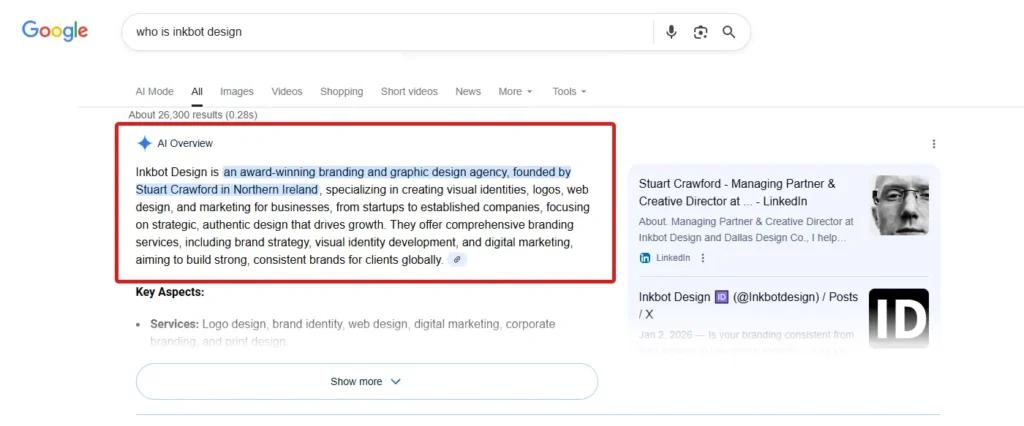
The era of traditional search engine optimisation has been superseded by GEO.
In 2026, a significant portion of your Organic Traffic comes from being the primary citation in AI Overviews. To win here, your content must be structured in a way that LLMs can easily parse.
This involves using declarative sentences and clear subject-predicate-object relationships.
If you want to increase Website Traffic, you must be the source that the AI trusts to answer the user’s query directly.
The New Rules: SEO vs. GEO in 2026
Stop applying 2020 logic to 2026 algorithms. Here is the fundamental shift you must understand to survive:
| Feature | Traditional SEO (Old) | GEO (New Standard) |
| Primary Goal | Rank #1 Blue Link | Win the AI Snapshot / Citation |
| Content Style | Long-form, “Skyscraper” | Concise, Fact-Dense, Entity-Rich |
| Keywords | Volume-based Matching | Intent-based Vector Matching |
| Success Metric | Click-Through Rate (CTR) | Share of Voice (SOV) / Brand Mentions |
| Optimization | Keywords in H1/H2 | Structured Data & Confidence Scores |
Takeaway: GEO isn’t about length; it’s about confidence. Use statistics, expert quotes, and structured lists to help the AI verify your facts.
2. Refine Your .htaccess for Edge Performance
Most WordPress sites are weighed down by bloated plugins handling simple tasks.
I often see servers struggling because of poor redirect management. Moving your logic to the server level reduces the load on the web crawler and speeds up the user experience.
By forcing modern image formats and setting aggressive cache headers, you improve your page speed, which is a direct ranking factor for every search engine.
3. Leverage “Zero-Volume” Keyword Clusters
Generic Keyword Research is a race to the bottom.
In 2026, we focus on semantic clusters that tools like Google Keyword Planner often ignore because they show “zero volume.”
These are highly specific, long-tail queries where the intent is crystal clear.
By dominating these niche topics, you establish topical authority that ultimately improves your rankings for broader terms in the Google search index.
4. Implement Advanced Schema Markup
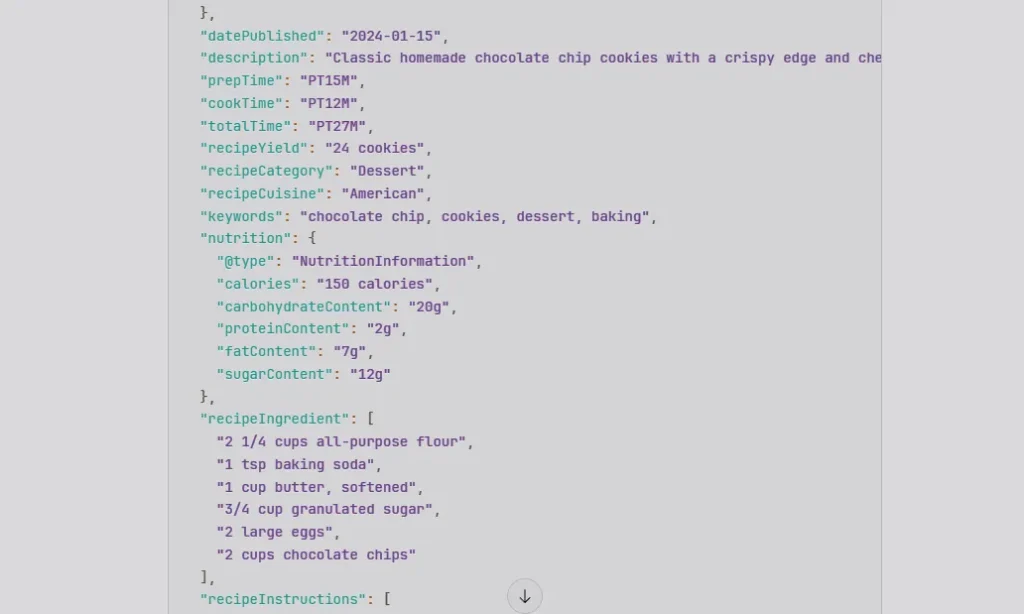
If you aren’t using schema markup to define your entities, you are invisible.
You need to tell search engines exactly what your business is, what services you offer, and who your experts are. This data is what fuels the rich results you see in the SERPs.
For a branding agency, this means nesting the “Service” schema within the “Organization” schema to create a clear map for the Google bots.
5. Audit Your Crawl Budget in Search Console
I recently audited a client who had thousands of pages of “thin” content that was sucking up their crawl budget.
By using Google Search Console, we identified that the Google index was cluttered with useless archive pages.
We pruned the “zombie” content, and within three weeks, their primary landing pages saw a 40% increase in Organic Traffic.
You must ensure the web crawler is spending its time on pages that actually convert.
6. Create a High-Gain Content Plan
In a world saturated by AI-generated fluff, the Google Search algorithm now prioritises “Information Gain.”
This is a quantitative measure of how much new information your page provides compared to what is already in the search index.
If your article on “website traffic” simply echoes the same 30 points found on every other site, your visibility in Search Generative Experience (SGE) snapshots will plummet.
To increase Information Gain, follow the Forensic Content Framework:
- Proprietary Data: Include internal statistics from your Google Analytics 4 audits. For instance, “We found that UK service sites using AVIF images saw a 12% boost in mobile retention.”
- Contrarian Experience: Challenge “best practices.” If you found that LinkedIn ads performed better than organic search for a specific niche, document why.
- Technical Granularity: Move beyond “optimise your site.” Provide the specific
.htaccesscode or the JavaScript execution priority list.
The Information Gain Checklist:
- Is there a “lessons learned” section based on a real-world failure?
- Does this page include a table or chart not found elsewhere?
- Do we quote a named expert (e.g., a WCAG 2.2 auditor) with a unique insight?
7. Optimise Interaction to Next Paint (INP)
In 2024, Interaction to Next Paint (INP) replaced First Input Delay as a core Web Vital. By 2026, it will be the primary metric Google uses to judge “Site Quality.” INP measures the time it takes for a page to respond to any user interaction—a click, a tap, or a key press.
If your WordPress site is bogged down by unoptimised JavaScript, your INP will suffer. A “good” score is under 200ms. To achieve this:
- Optimise CSS Triggers: Ensure that clicking a mobile menu doesn’t trigger a massive page re-layout.
- Yield to the Main Thread: Break up long-running tasks. If a script takes more than 50ms, the user will feel a “lag.”
- Minimise Script Execution: Use the
deferorasyncattributes on all non-essential scripts.
| Metric | Goal (Good) | Needs Improvement |
|---|---|---|
| INP | < 200ms | 200ms – 500ms |
| LCP (Largest Contentful Paint) | < 2.5s | 2.5s – 4.0s |
| CLS (Cumulative Layout Shift) | < 0.1 | 0.1 – 0.25 |
8. Expand Your Presence on Short-Form Video Platforms
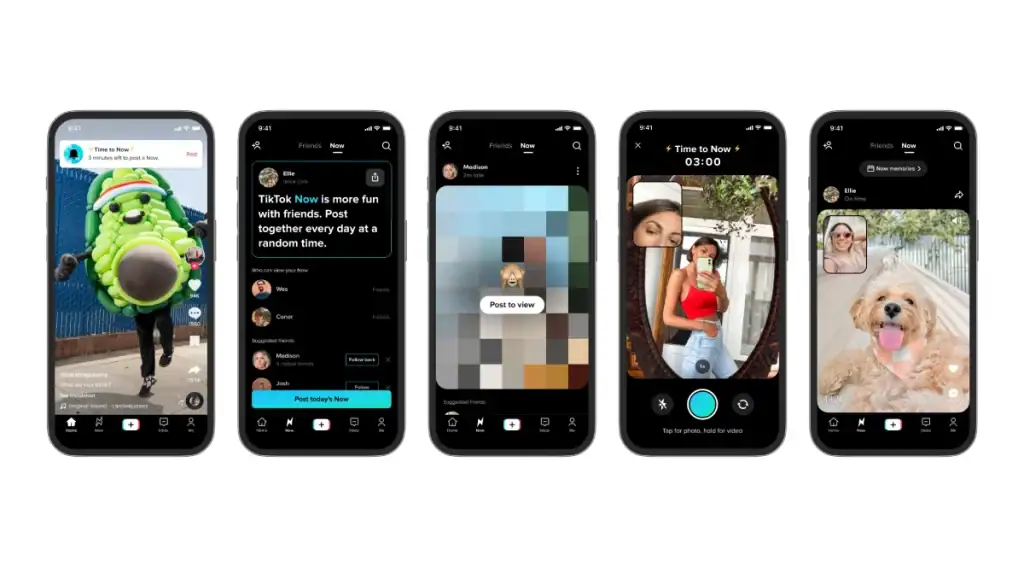
In 2026, social media isn’t just for networking; it’s a discovery engine. Platforms like TikTok and YouTube Shorts are where the next generation of entrepreneurs starts their search.
Your Social Media Traffic will grow if you repurpose your deep-dive articles into 60-second “Forensic Audits.”
This drives brand awareness and contributes to the “Brand Search” volume that Google values highly.
9. Use Push Notifications for Retention
Acquiring new Website Traffic is five times more expensive than retaining existing visitors.
Implementing push notifications allows you to bring users back to your site the moment you publish a new case study or service update.
This creates a loyal audience that isn’t dependent on the whims of a search engine algorithm.
10. Develop Niche Collection Pages
Scaling to 100,000+ visitors often requires Programmatic SEO. This involves creating hundreds of high-quality landing pages based on a specific database or set of variables.
For a branding agency, this might mean creating pages for “Branding for [Industry] in [City].”
However, in 2026, “thin” programmatic pages are penalised. Your collection pages must be “Smart Hubs”:
- User Interaction: Include a “Cost Calculator” or a “Project Estimator” on every programmatic page to drive engagement and lower Bounce Rate.
- Dynamic Data: Each page should pull in real-time data, such as “Average ROI for [Industry] in 2026.”
- Entity Mapping: Link each collection page to relevant Schema.org entities to ensure Google understands the relationship between your services.
The Forensic Approach to Traffic Growth
| Technical Feature | The Amateur Way | The Inkbot Way (Pro) |
| Server Logic | Heavy plugins for everything. | Lean, hand-coded .htaccess. |
| Image Handling | Generic JPEGs and PNGs. | AVIF with server-side negotiation. |
| SEO Focus | Targeting high-volume keywords. | Building entity-based semantic clusters. |
| UX Design | Following generic templates. | UX vs UI design precision. |
| Data Analysis | Looking at total hits only. | Deep-dive Search Console log analysis. |
11. Harness the Power of Email Marketing
Despite the rise of AI, email marketing remains the channel with the highest ROI for UK SMBs.
A well-segmented list lets you drive targeted web traffic to your newest landing page design without competing for space in search results.
Your editorial calendar should strike a balance between educational content and direct calls to action.
12. Fix Your Internal Links and Information Architecture
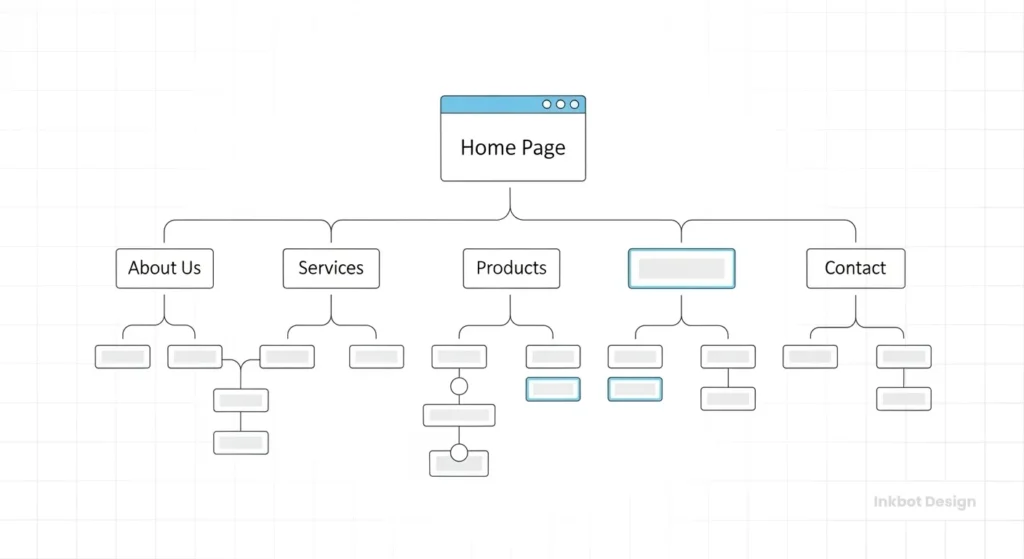
Your internal links are the connective tissue of your site.
If your internal links are messy, both users and Google bots will get lost. Use descriptive anchor text that includes your primary and secondary keywords.
This also helps you track which keywords they’re ranking for and ensures your internal linking supports those high-value terms.
13. Optimise for Mobile-First Design
In 2026, mobile optimisation is non-negotiable.
Google uses the mobile version of your site for indexing and ranking. If your mobile-first design is an afterthought, your Organic Traffic will suffer.
This includes ensuring that your click-to-call buttons are easily accessible and that your landing page loads quickly on 4G connections.
14. Conduct Regular SEO Audits
An SEO Audit isn’t a one-time event; it’s a quarterly necessity.
You need to check for broken links, duplicate meta tags, and updates to Google E-E-A-T guidelines.
We often find that a quick audit of the Search Console reveals technical errors that have been silently killing Website Traffic for months.
15. Leverage Google Business Profile for Local SEO

For UK-based businesses, local SEO in 2026 has evolved beyond just having a Google Business Profile. The “Map Pack” is now heavily influenced by regional authority and verification signals unique to the British Isles.
To dominate UK local search:
- Local Landing Pages: If you serve multiple areas like Chelsea, Richmond, and Hackney, create bespoke pages that mention local landmarks or transit links. This signals hyper-relevance to the Google Search local algorithm.
- Entity Verification: Ensure your business is clearly linked to your Companies House profile via
Organizationschema. Mentioning your specific Borough or County (e.g., “Greater Manchester” vs just “Manchester”) helps AI agents understand your service radius. - UK-Specific Directories: While Yelp is fading, niche UK directories like Yell, FreeIndex, and industry-specific bodies (like the Design Business Association) still provide critical citation signals.
16. Participate in Guest Blogging with Authority
Ignore the “link building” farms. True guest blogging involves writing for high-authority publications in your niche.
When you contribute a guest blog to a site like Deloitte Insights or McKinsey, you aren’t just getting a link; you are borrowing their authority.
This builds your brand voice and drives referral Website Traffic.
17. Use Video Content Marketing
Video is the most engaging form of content marketing in 2026. Embedding video on your landing pages increases “dwell time,” which is a positive signal to search engines.
Use the VideoObject schema to ensure your content appears in Google Images and video search results.
18. Monitor Your Competitors’ Marketing Strategies
Don’t copy them; outmanoeuvre them. Use tools to see where your competitors are getting their Referral Traffic.
If they are finding success on specific social media platforms, you should investigate how to provide a better, more technical alternative to their content.
This is a core part of a modern Social media strategy.
19. Optimise for Voice Search
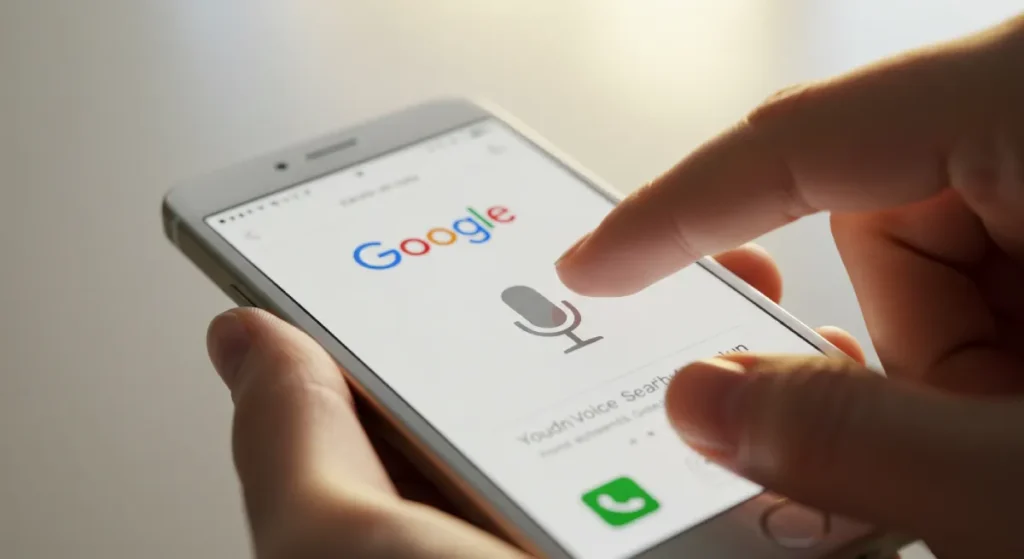
As more users rely on AI assistants, voice search optimisation has become critical.
People ask questions differently when speaking than when typing. Your content should include natural language questions and answers.
This is a great way to appear in the Featured Snippets at the top of the Google search results.
20. Optimise for “Agentic” Discovery
To thrive in 2026, you must understand that the “user” is increasingly an autonomous AI agent. These agents don’t just “browse”; they execute.
When a user asks their Apple Intelligence to “find the best branding agency in London and book a consultation,” the agent scans the web for sites that provide structured, executable data.
If your site relies solely on a “Contact Us” form with a JavaScript-heavy submission process, the agent will likely fail. You must implement Action Schema via Schema.org. This allows you to tell the agent exactly where the booking URL is and what parameters it requires.
Example Scenario: A user tells Gemini on their mobile: “Find me a website maintenance service under £200/month and send them my site URL.”
- Site A: Has a PDF price list. Gemini ignores it.
- Site B: Uses
PriceSpecificationschema and a clearPotentialActionformat for messaging. Gemini completes the task, and Site B gets the lead.
Technical Implementation Table:
| Feature | Traditional Markup | 2026 Agentic Markup |
|---|---|---|
| Price | Plain text: “From £99” | priceCurrency: "GBP", price: "99.00" |
| Service Area | List of cities | areaServed: { "@type": "City", "name": "Manchester" } |
| Action | “Call us” button | potentialAction: { "@type": "ReserveAction" } |
21. Refresh Evergreen Content Regularly
Don’t let your best work go to waste. Your evergreen content should be updated at least once a year with new data and insights to maintain its relevance and currency.
This informs the search engine that the information remains relevant, helping you maintain your SEO ranking over time.
Check your editorial calendar to ensure you have time allocated for these updates.
22. Focus on User Experience (UX)
If your user experience is poor, no amount of Website Traffic will save you.
A high conversion rate depends on a clean, intuitive interface. Wireframing in web design is where these decisions are made.
If the user can’t find what they need within two clicks, they will return to the search results.
23. Utilise LinkedIn for B2B Growth
In 2026, the “company page” on LinkedIn is less important than the “personal entity” of the founders and experts.
High-quality Social Media Traffic is driven by individuals who provide forensic audits, observational insights, and transparent case studies.
The 2026 LinkedIn Strategy:
- Video Audits: A 60-second “Teardown” video of a common industry mistake (e.g., “Why your .htaccess is slowing you down”) generates 5x more engagement than a text post.
- The “Zero-Link” Strategy: Don’t just post a link to your article. Write a 500-word summary of the value of the article on LinkedIn itself. At the end, invite users to your site for the “Technical Template” or “Full Data Set.” This satisfies the platform’s algorithm while driving high-intent traffic.
- Employee Advocacy: When your technical leads share their expertise, it builds a “cluster of authority” around your brand entity.
24. A/B Test Your Call to Action (CTA)
Every landing page should have one clear call to action.
Are you testing different versions?
Small changes in wording or button colour can lead to significant increases in conversion rates. We utilise Google Analytics 4 data to continually refine these elements.
25. Invest in Pay-Per-Click (PPC) Advertising

While organic growth is the goal, pay-per-click advertising is a powerful way to “jumpstart” Website Traffic for new services.
Targeted Facebook Ads or Google Ads can place your brand in front of a specific audience while you wait for your Organic Traffic to build.
26. Leverage Influencer Marketing (The Right Way)
Forget the “lifestyle” influencers.
In the B2B world, influencer marketing means collaborating with respected industry experts.
A single mention from a trusted consultant can do more for your brand awareness than a dozen standard ads. It’s about building customer loyalty through association.
27. Optimise Your Meta Tags
Every page on your site needs unique, compelling meta tags.
This includes the meta title and description. These are your “sales pitch” in the search results.
If your Click-through Rate (CTR) is low, it’s usually because your meta tags are boring or don’t include the primary keyword.
28. Use Google Analytics 4 (GA4) Correctly

Most people hate Google Analytics 4, but it is a goldmine of data if you know where to look.
Use it to track the user journey from social media to conversion.
Understanding your traffic sources enables you to focus on what works and eliminate unnecessary expenses from your budget.
Decode “Dark Social” Traffic
The most significant blind spot in modern marketing is Dark Social.
This refers to traffic coming from “private” channels like WhatsApp, Slack, Discord, and even Apple Intelligence hand-offs. Because these platforms strip out tracking parameters, Google Analytics 4 defaults to labelling this traffic as “Direct.”
By 2026, relying on standard UTM codes is insufficient. You need a multi-layered attribution strategy:
- Self-Reported Attribution (SRA): Add a simple, mandatory field to your lead forms: “How did you really hear about us?” Options should include “Private Slack Group,” “Podcast,” or “Colleague’s recommendation.”
- Coupon Code Tracking: Assign specific discount or reference codes to different dark channels.
- Click-to-Copy Links: Use a custom “Share this” button that automatically appends a unique (but clean) identifier to the URL.
Comparison of Attribution Models:
- Last-Click: Obsolete. Credits the “Direct” visit instead of the Slack share.
- Data-Driven (GA4): Better, but still struggles with cross-device dark social.
- Hybrid (SRA + GA4): The 2026 gold standard. Combines hard data with human truth.
29. Implement Licensing Content
Sometimes, the best way to grow is to use an established authority.
Licensing content from reputable sources or participating in industry community events can broaden your reach and introduce your brand to a new audience.
This is a sophisticated part of any content plan.
30. Maintain Your Site’s Technical Health
A slow, broken site is a traffic killer. Utilise a website maintenance checklist to ensure your site consistently operates at peak performance.
From updating your WordPress child theme to checking your AdSense crawler logs, technical health is the foundation of all business success.
The State of Website Traffic in 2026
The last 18 months have seen the most radical shift in the history of the search engine.
We have moved away from a “link-centric” model to an “entity-centric” model. The Google index is no longer just a list of pages; it is a map of relationships.
In early 2026, we saw the full integration of AI Overviews into the mobile Google search experience.
This has fundamentally changed the Click-through Rate for many traditional keywords.
If your site isn’t technically perfect—specifically regarding landing page speed and Responsive Design—you are being filtered out of these AI-generated answers.
Furthermore, the “cost of retrieval” has become a priority for search engines. They want to serve the most comprehensive answer in the shortest time.
This is why our focus on collection pages and schema markup is so critical. If you aren’t helping the web crawler understand your site, it will simply ignore you.
A Consultant’s Reality Check
I once audited a client who was obsessed with their Social Media Traffic. They were spending £5,000 a month on social media management tools and a fleet of guest bloggers. Their traffic was high, but their conversion rate was nearly zero.
When we reviewed their Search Console, we found that they were ranking for terms completely unrelated to their business. They were attracting “lookie-loos,” not leads.
We scrapped the generic social media strategy, rebuilt their information architecture, and focused on high-intent Organic Traffic.
The result? Their total web traffic dropped by half, but their revenue tripled.
Traffic without intent is just a vanity project. If you aren’t measuring the impact of your marketing strategies on your bottom line, you are playing a dangerous game.
The Verdict
To increase Website Traffic in 2026, you must stop thinking like a marketer and start thinking like a forensic consultant.
Every technical error in your .htaccess file, every generic sentence in your content marketing, and every missed opportunity for schema markup is a leak in your revenue.
You must master the balance between user experience and technical search engine optimisation.
The future of visibility belongs to the brands that provide the most “Information Gain” while maintaining a lightning-fast, accessible online presence.
Are you ready to stop guessing and start growing? Explore our web design services or request a quote today to discover how we can enhance your digital presence for the era of AI.
FAQ
How do I appear in the AI Overview for competitive keywords?
Focus on “Declarative Sentences.” AI models like Gemini prefer content that states facts clearly (e.g., “The best way to increase traffic is…”) and supports them with Schema.org and credible citations from sources like Deloitte Insights.
How do I improve my Click-through Rate (CTR)?
Focus on your meta tags and Featured Snippets. Your meta title should be a compelling hook, and your description should clearly state the benefit of clicking.
Is TikTok really a B2B search engine in 2026?
Yes. Younger decision-makers use TikTok to find “Proof of Concept.” They search for “how to fix [Problem],” and if your 60-second forensic audit appears, you win the brand search later on Google.
What is the best image format for 2026?
AVIF is the standard. It offers superior compression to WebP and JPEG, directly impacting your LCP and INP scores on mobile devices.
Can I use AI to write my content in 2026?
Only as a draft. Google rewards “Information Gain”—unique insights, data, and human experience that an LLM cannot replicate. Pure AI content often lacks the “entity authority” required to rank.
What is the “Action Schema” and why do I need it?
It is a technical markup that tells AI agents (like Apple Intelligence) how to interact with your site—such as booking a call or checking a price—without a human having to navigate your UI.
Why did my traffic drop after a site speed improvement?
You may have prioritised “technical load” over “Interaction to Next Paint.” If your site looks fast but feels unresponsive when clicked, users bounce, signalling low quality to search engines.
What are “collection pages”?
Collection pages are top-level pages that group related products or services. They are excellent for capturing broad Organic Traffic and guiding users to specific landing pages.
Why should I care about schema markup?
Schema markup helps search engines understand the context of your content. This yields rich results that significantly improve your CTR.
How do I lower my Bounce Rate?
Enhance your user experience and ensure your content aligns with the user’s intent. If the page doesn’t deliver what the search results promised, they will leave.
What is the best way to build brand awareness in 2026?
A combination of high-authority guest blogging, a strong brand voice on LinkedIn, and technical excellence in your web design.
How do I track visitors who don’t accept cookies?
Use Server-Side Tagging and “Self-Reported Attribution.” Ask users directly how they found you to capture the 40-60% of data lost to privacy settings.