Print Media vs Digital Advertising: The Battle for Attention
The battleground has changed, but the game is still the same.
In one corner is the old guard – print media, with pages you can touch and ink that stains your fingers. In the other corner, we have pixels, clicks and endless scrolling — the digital upstart.
But it’s not just print media vs digital advertising. It’s about capturing human attention — that scarce resource.
How does a full-page magazine spread compete in a world where notifications buzz nonstop, and ads follow us across the internet like persistent shadows? When did you last read a newspaper article word-for-word instead of skimming the headlines on your phone?
The rules are different now. Advertisers still have to tell stories. They still need to connect and persuade. But who will adapt to this new landscape? And who will get left behind?
So let’s collide old with new, mix creativity with technology and see whose attention comes out on top.
- The competition for attention is fierce between print media and digital advertising.
- Print media provides a tactile experience that digital cannot replicate.
- Digital advertising offers targeting and personalisation, engaging users interactively.
- Both print and digital have their strengths and weaknesses in the advertising landscape.
- Finding a balance between print and digital is key for meaningful connections.
The Evolution of Advertising: From Papyrus to Pixels
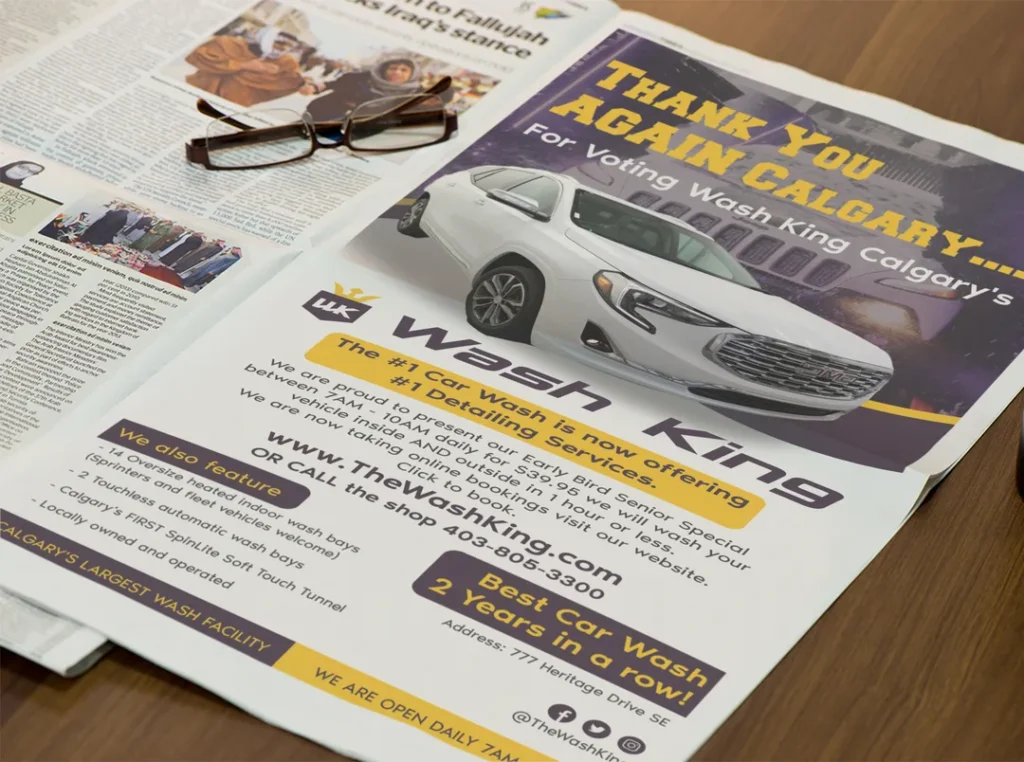
Remember when magazines were portals to possibility?
You’d sit in that worn leather chair, thumbing through glossy pages, each turn a potential discovery. An ad wasn’t an intrusion – it was an invitation. To dream. To desire. To imagine yourself transformed.
But nostalgia is a tricky beast.
We romanticise the past, forgetting the limitations. How many trees fell for those pages? How many voices never made it to print because gatekeepers deemed them unworthy? The “good old days” were only good for some.
The Digital Disruption
Then came the pixels. The clicks. The endless scroll.
Suddenly, everyone had a megaphone. A blog. A chance to be heard.
But we gained noise and lost signal.
Instead of curated experiences, we got a firehose of content. Ads stopped inviting and started shouting. They chased us across websites like desperate salespeople, their digital footsteps echoing in our browsing history.
The Promise and the Peril
Here’s the thing: neither era was perfect. Both print and digital hold immense power – and profound limitations.
Print taught us the art of distillation. How to capture attention in a single, perfect moment.
Digital gave us reach—finding our faithful fans scattered across the globe.
The real question isn’t “Print or Digital?”
It’s “How do we create meaningful connections in a world of infinite choice?
The medium isn’t the message anymore. The message is the message.
And in a sea of sameness, the brands that win will be those that dare to be remarkable. Those who respect attention as the precious resource it is. Those that invite rather than interrupt.
The battle isn’t for eyeballs. It’s for hearts and minds.
Print Media: The Enduring Classic
There is something about a newspaper or magazine in your hand that digital just can’t match. It’s like a handwritten letter versus an email; one is personal, and the other… well, it’s just pixels on a screen.
Trustworthiness and Trust
Print media, over time, has built up this idea of being credible because if you see an ad in a good newspaper, it has weight. Like your dad’s advice – sometimes you don’t want to hear it, but you know he’s right deep down.
Taking Your Sweet Time & Enjoying Yourself
It is like drinking fine wine when you read print media; everything takes longer, so you enjoy every moment more without feeling like you are clicking off after five seconds. You can stroll through information leisurely instead of running through it quickly.
Digital Advertising: The New Kid on the Block
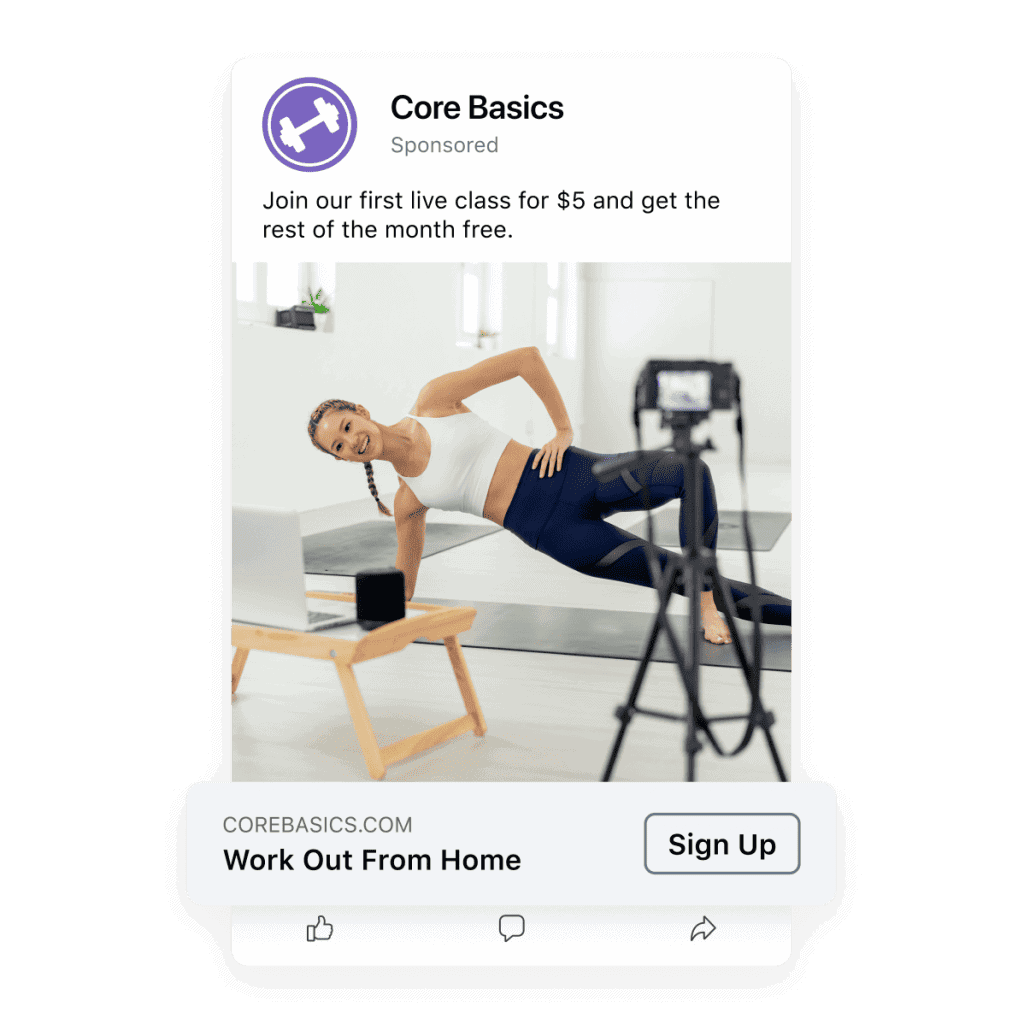
We could say that digital ads are like a friend who always knows what’s going on. They’re quick, they’re everywhere, and they spread like wildfire. With just a click of a button, you can send your message to millions worldwide. Try doing that with a newspaper!
Targeting and Personalisation
Do you remember when you looked at some shoes online and then suddenly they were following you everywhere on the internet? That’s what digital advertising does – it’s magic (or creepy, depending on how you see it). It understands us better than our best friends do, sometimes even ourselves.
Interactivity and Engagement
Digital ads aren’t just about looking pretty; they want us to click, swipe, and interact with them! It’s as if they’re saying, “Hey you! Yeah, you with the smartphone. Wanna play?” And let’s be honest… sometimes we do.
The Numbers Game: Stats That’ll Make Your Head Spin
Let’s have a conversation about numbers. It’s because, in advertising, figures mean more than words.
In 2023, global digital advertising spending was over $620 billion – while print advertising struggled at less than $50 billion.
Are you feeling attacked? 91% of consumers believe ads are more intrusive today than two years ago.
Every person is exposed to between six and ten thousand ads per day. And you thought your social life was busy!
| Medium | Reach | Trust Factor | Cost per Thousand Impressions |
| Local | High | $500-$30,000 | |
| Digital | Global | Moderate | $2.80-$10 |
Print Media vs Digital Advertising: Pros and Cons
Print Media: The Strongest Boxer
Pros:
- Physicality – You can touch, feel, and smell it (strange flex, but okay).
- Reliability – It gives off that trusty vibe.
- Duration – Unlike a digital ad you scrolled past in 0.5 seconds, it stays.
Cons:
- Limited coverage – Unless you plan to air-drop magazines worldwide.
- Higher expenses – Trees don’t grow on… oh wait.
- Lack of immediacy – News? It’s more like “broken by the time it’s printed” news.
Digital Advertising: Lightning McQueen
Pros:
- Broad audience – From Timbuktu to Kalamazoo at the click of a button.
- Cost efficiency – More for less money.
- Instant statistics – Know how many eyeballs you’ve caught precisely.
Cons:
- Ad fatigue – People are getting better at ignoring online ads.
- Privacy issues – “Big Brother is watching” vibes.
- Technical problems – Have you ever tried to click an ad and downloaded a virus? Yeah, that.
The Psychology of Advertising: Print vs Digital

The Power of Touch
It’s referred to as haptic perception, the touchy-feely stuff. The print media taps into this, creating an emotional connection. Think of it as a hug versus an emoji – both are good, but one is more real than the other.
Information Overload
Our brains are sponges, but even sponges can get oversaturated.
Digital advertising throws information at us, while print allows for a more digestible intake. It’s like trying to drink from a fire hose instead of drinking from a water fountain.
The Attention Economy
In this world where attention is the new currency, digital and print fight for your eyeballs.
Print relies on relaxed, focused attention and the “lean back” experience. On the other hand, digital media has to keep you engaged, so it’s about “lean forward,” which is active but often divided attention.
The Art of Storytelling: Narrative in Print and Digital
Since time immemorial, print media has been all about telling stories.
Think of it as sitting around a campfire and listening to a tale that unfolds before your eyes — or rather, page by page. There is limited space for it, so every word must be meaningful.
But digital advertising is like having a hyperactive storyteller with ADHD.
It’s interactive; it’s non-linear. It can take you down rabbit holes you never knew existed.
One moment, you’re reading about shoes; the next, you’re watching an epic cat-fail video. It’s wild.
The Environmental Impact: Trees vs Energy
The truth is print media has a reputation for destroying trees.
However, things are not all bad. Many publications have adopted sustainable approaches involving recycling paper and using eco-friendly inks.
Do not let the appearance of cleanliness fool you when it comes to anything digital.
Servers are energy hogs, and they consume power like crazy! It’s almost as if we’re comparing a logger to a power plant — both leave their marks on the environment.
The Future of Advertising: A Hybrid Approach?
Print won’t go down without a fight. It’s changing, becoming more niche, more luxury. Think of it as the vinyl records of the advertising world – not mainstream, but deeply loved by its fans.
But digital advertising is that friend who tries every new diet. AR, VR, AI – it’s an alphabet soup of innovation. It’s great, but sometimes you just want a regular banner ad, you know?
Innovative businesses know that it isn’t about picking sides but finding balance. It’s like making the perfect cocktail – a little print, a splash of digital and garnish with creativity.
Mobile Advertising: The World in Your Pocket
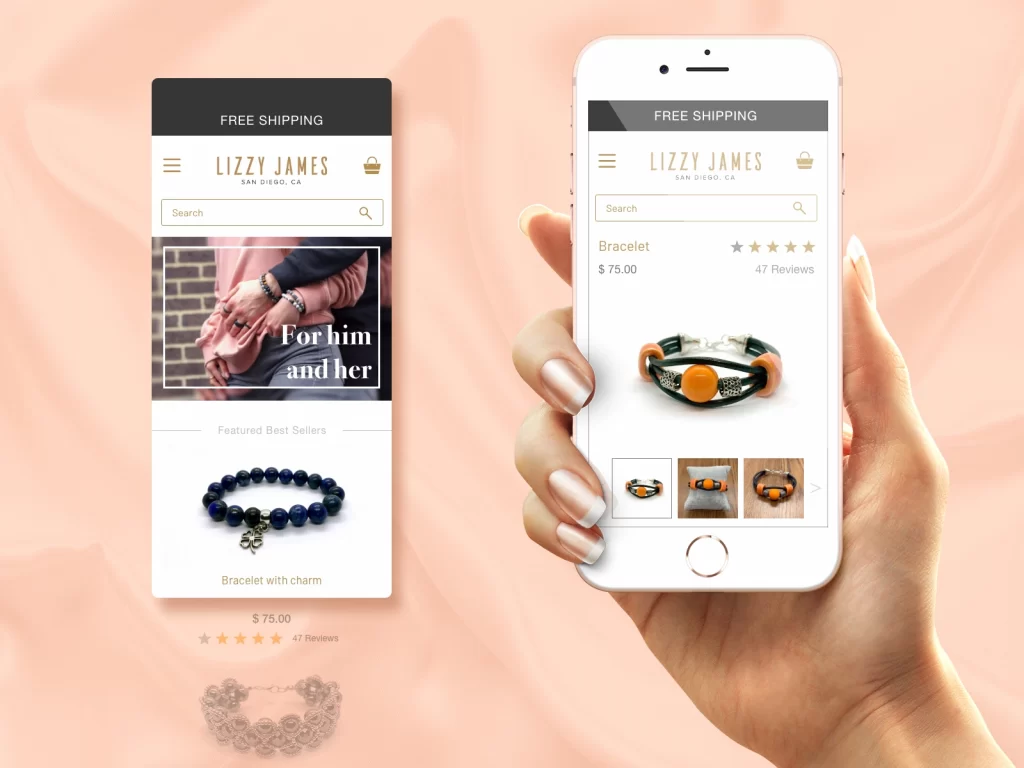
Remember back when phones were just… phones?
Now they’re portals. Oracles. Extensions of ourselves.
That thing in your pocket isn’t just a tool; it’s a window to your soul. Your wants. Your fears. Your 3 AM “I wonder if…” searches.
And marketers? They’re looking through that window and taking notes.
The Always-On Salesperson
Imagine if a salesperson followed you around everywhere. To work. To the gym. Into your bedroom at night.
Creepy, right?
But we invited this digital shadow into our lives — and not only willingly but eagerly.
Every scroll. Every tap. Every “Hey Siri.” It’s all data. All insight. It’s all an opportunity for someone to whisper, “Psst… wanna buy something?”
The App Ecosystem: Digital Habitats
Remember when software came in boxes? When did you have to go to the store to buy a game?
Now, our phones are digital habitats — ecosystems of apps, each vying for our attention, time, and in-app purchases.
Its product placement on steroids: Imagine if your favourite movie character paused the action to sell you sneakers. That’s the world we’re living in now.
But here’s the twist:
We’re not just consumers anymore…
We’re creators. Curators. Influencers in our micro-universes.
The Power Shift
The old rules said: “He who has the biggest billboard wins.”
The new rules?
“She who understands her tribe best wins.”
It’s not about reaching everyone anymore — it’s about reaching the right ones who resonate with your message, mission, and why.
The Challenge
So here’s the real question:
In a world where everyone is shouting, how do you whisper so that people listen?
How do you create value instead of noise?
How do you respect someone’s attention space while trying to capture it at the same time?
The brands that figure this out — that treat our pocket oracles like portals of connection rather than invasion — are the ones who will win.
At the end of it all, it’s not about the device; it’s not about the app; it’s not even about the ad.
It’s about the person on the other side of that screen.
The Human Touch: Creativity in Advertising

Do you remember when ads were like art?
Not just pretty pictures but ideas are given form. Concepts that made you stop, think, and change.
Print advertising wasn’t just selling. It was storytelling.
Every page is a canvas. Every headline is an opportunity to connect. To challenge. To inspire.
We didn’t just see ads. We lived them.
The Digital Canvas: Infinite Possibilities
Now, pixels move at our will.
Interactivity isn’t an add-on — it’s the engine.
We’ve gone from passive spectators to active participants. From audience to hero.
It’s not about watching the show anymore. It’s about writing our lines and choosing our adventure.
But here’s the thing:
With great power comes great responsibility. And often, mediocrity.
Just because you can make something interactive doesn’t mean you should.
Just because you can track every click doesn’t mean you’re measuring what matters.
The Data Dilemma
In the print era, measurement was an art form. Gut mattered. Results took time to appear.
Today, we’re swimming in data points:
Click-throughs. Conversions. Heat maps. A/B tests…
You name it, and we can measure it, but are we measuring anything that counts?
Here’s what I know:
Numbers don’t tell stories; people do.
The most critical metrics can’t be tracked in real-time: They happen in hearts and minds, conversations and decisions long after the screen goes black.
The Real Bottom Line
Return on investment (ROI) is not only measured in money. It is also about the effect it has.
Did you change someone’s point of view? Did you promote action? Did you make people feel acknowledged, heard and appreciated?
These are the numbers that count. On paper. In digital form. In life itself.
The Challenge Ahead
Now, we come to this point where art meets science, where old ways meet new methods.
It’s not a matter of choosing between “Print or Digital?”
Instead, “How can we establish genuine connections when the world is filled with endless chatter?”
How can we respect print as an artistic institution while welcoming digital as a land of opportunity?
How do we ensure that data supports rather than replaces human intuition?
Brands which will have mastered this – those fusing both worlds – are the ones that shall prosper.
Ultimately, it doesn’t matter what medium one employs but what they say using it.
And what is the most impactful statement?
“You matter. I get you. And here’s how…”
Conclusion: The Balancing Act
Ultimately, this is not about which will be the winner but about finding that sweet spot for your brand and audience. Like a good diet, in many cases, it works best when you have both.
Tangibility, trustworthiness and timeless allure are some of the things print media has to offer.
Speed, reach, and interactivity are what digital advertising brings to the table. These two work together like never-before-seen tools in any advertiser’s creative arsenal.
It all boils down to knowing who you’re talking to, what you’re trying to say, and what you want them to do.
Sometimes, it’s as simple as putting an entire page ad in a magazine somewhere people know they’ll see it. Other times, maybe design a social campaign with hyper-targeting abilities that ensure only folks see particular ads. Also, sometimes, perhaps, do both at once so you hit them from every angle.
So next time you flip through a mag or scroll through your feed, take a second to appreciate each ad for all its artistry + science – whether it’s ink on paper or pixels on a screen, they’re part of one giant beautiful tapestry called modern advertising.
Now go forth and advertise wisely!
FAQs: Unraveling the Print vs Digital Advertising Mystery
Do print ads still work?
Although digital is more popular, print is still valid, especially for local and luxury businesses.
How can I tell if I should use digital or print advertising for my business?
It depends on who you are trying to reach, how much money you have, and what you want to achieve. Sometimes, it’s best to do both.
Are digital ads cheaper than print ads?
In most cases, yes. The cost per impression of a digital ad is usually lower, but there are instances where print can make a more significant impact.
How should I know if my print ads are effective?
You can keep track of responses by giving away something free, like stickers or buttons in exchange for unique promo codes (use different ones for each magazine), unique phone numbers (forward all calls to your regular line), QR codes linked to a remarkable landing page on your website or surveys that ask how customers heard about you.
Do young people indeed not pay attention to printed advertisements?
They might not notice them as much because they grew up with screens, but studies show that printed media can be exciting because it’s new to them.
When should I change my digital ads so people don’t get tired of seeing them?
Every 4 – 6 weeks.
Can I combine the power of print and internet advertising?
Yes! Many companies have used this strategy successfully, using offline publications like newspapers or direct mail pieces as drivers towards online platforms, creating seamless multi-channel experiences.
Are there any industries where traditional media still works better than online methods?
Yes, the luxury goods industry has been proven successful with magazine publications, while service-oriented industries such as plumbers also benefit significantly from newspaper exposure. Additionally, B2B companies see great success when running trade publication advertisements.
What is the future of advertising? Will everything be done digitally?
Although experts believe digital will continue to grow, there may still be room for traditional methods. For example, many viewers appreciate seeing their favourite products in tangible form, such as magazines or billboards.