What Is Personalised Marketing? Strategy, Examples & Trends
Personalised marketing is a strategic approach that tailors campaigns and promotions to individual consumers based on data-driven insights and customer segmentation.
This customer-centric strategy focuses on delivering personalised messaging and dynamic content to engage consumers effectively.
Personalised marketing utilises behavioural targeting and predictive analytics to foster customer relationships through tailored experiences.
From targeted advertising to precision marketing, this strategy enhances consumer engagement and drives results in today’s competitive market.
- Personalised marketing tailors campaigns using data-driven insights for individual consumer engagement.
- Consumers increasingly expect personalised experiences in marketing efforts.
- Effective strategies utilise customer segmentation and predictive analytics for targeted messaging.
- Examples include customised promotions, loyalty programmes, and dynamic content for individual preferences.
Definition Of Personalised Marketing
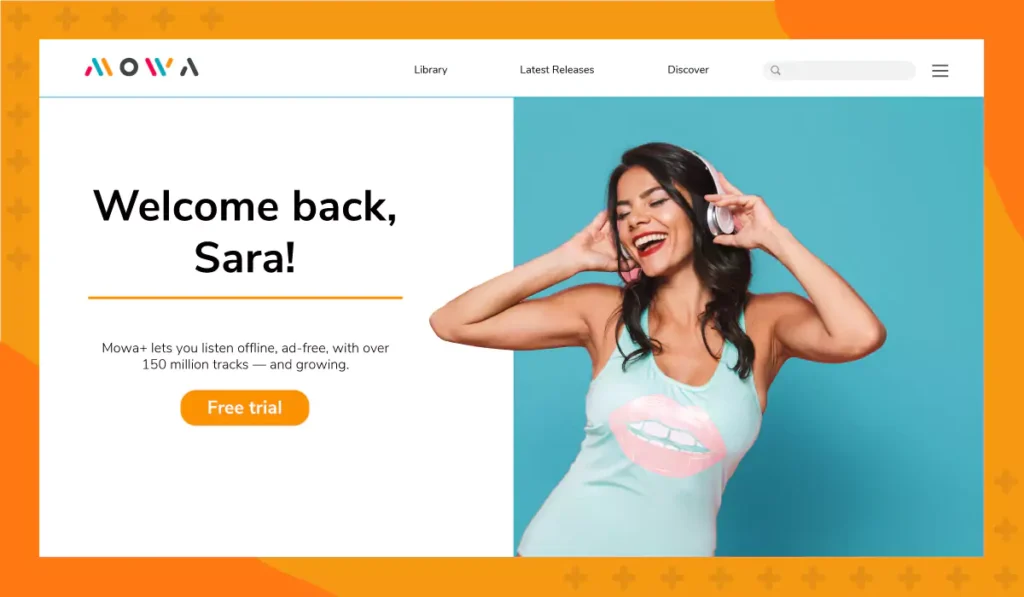
We all crave that personal touch, especially when it comes to the things we buy and the services we use.
This is where personalised marketing comes into the picture. It’s all about businesses using what they know about you to show you stuff that fits your taste.
Imagine walking into a store where everything on the shelves has been picked out just for you. That’s what we aim to do, but online.
At the heart of this approach is data. Not just any data, but the information you share with us, which we use to understand what you like and how you want it.
Whether it’s the ads you see, the emails you receive, or the offers that appear, everything is designed to appeal to your interests and needs. It’s like having a conversation where we listen to what you want and respond to it. Take a look at these brand examples for a deeper insight into real-world success stories.
Let’s get real; we’re not psychic. However, we can get close with tools such as predictive analytics, customer segmentation, and marketing automation. This isn’t about bombarding you with random stuff.
It’s about making every message count, whether it’s through email marketing, social media, or even direct mail. It’s all tailored just for you, based on your actions and preferences. That’s our promise.
Critical Components Of Personalised Marketing
We aim to connect with our audience and craft messages that resonate with them.
Think of it like building a bridge. To do this, we gather data but always with respect for privacy. This helps us know you better. Think of it as us putting the puzzle pieces together to see what makes you smile.
Once we’ve got the puzzle pieces, it’s all about creating a picture just for you. We use what we know to pick the right spot for our messages.
It could be an email that feels like it’s just from us to you or a social media post that catches your eye. It’s like choosing the perfect gift that we know you’ll love.
And don’t forget, it’s not just about what we say, it’s also where we say it. Choosing the right platform is critical. It’s like throwing a party and making it at your favourite spot. That’s how we ensure our message is not only heard but also felt.
Key Technologies Powering Personalisation
Right, so how does this all actually work behind the scenes? It’s not just a person guessing what you might like. We utilise some sophisticated technology to ensure that what we show you is genuinely useful.
First up, there’s Artificial Intelligence, or AI. Think of it as a super-smart assistant who can spot patterns we humans would miss. It examines what you browse, what you buy, and what other people like you purchase. Then it connects the dots to predict what you might want to see next. It’s the brain behind those “you might also like” suggestions that are actually good.
Then we have what’s called a Customer Data Platform, or CDP. Look, it’s just a central hub, a single place where we store all the interactions you have with us.
Every click, every purchase, every time you’ve contacted support. It means we have one clear picture, so we don’t treat you like a stranger every time you visit.
And let’s discuss creating content tailored to each person. The technology for this is often called Dynamic Content, and it allows us to customise the appearance of a webpage or email depending on who’s viewing it.
So, if you’re in Glasgow, you might see an offer for a raincoat. But if you’re in Cornwall, you’ll see one for sunglasses. It’s all about showing you the right thing at the right moment, and this is the tool that lets us do it.
Data-Driven Strategies
We dig deep into our rich source of customer data. This isn’t just numbers and email addresses. It’s a goldmine that reveals what our customers like, what they dislike, and how they behave online. Using this, we create messages that hit the mark every time—no more guessing games.
Segmentation is our secret sauce. It sounds complex, but it’s just about grouping our customers based on what they care about. Whether it’s what they buy, how often they shop, or even their location, we make our messages speak directly to them. It’s like having a one-on-one conversation but at scale.
And with the help of tools and insights, we continue to improve. Each campaign teaches us something new. This ongoing learning cycle ensures we’re always one step ahead, making every marketing dollar count. Have a look at how we do this to get a clearer picture.
Customer-Centric Approach
We believe in putting our customers first. That means we always keep their interests and needs at the centre of our marketing strategies. Learning about their preferences helps us create messages and offers that are tailored to them.
This approach goes beyond using their names in emails. We dig deep into data to understand how they behave and what they truly want. This allows us to send them information and offers they find genuinely helpful and engaging, making their experience with us feel unique and tailored.
By focusing on our customers this way, we meet their expectations and often exceed them. This makes them more likely to stick with our brand and recommend us to others. It’s a win-win situation.
Behavioural Targeting Techniques
We employ specific techniques to understand how different individuals behave online. It’s like tracking the breadcrumbs to see what interests you and what doesn’t.
By examining these digital footprints closely, we can display ads and offers that are relevant to you. It’s not just about guessing; it’s about knowing what you might like based on what you’ve done before.
This approach enables us to communicate with you in a way that feels personal. We make sure our messages hit the mark, whether it’s an email or a social media post.
By listening carefully to your actions, we can better offer things that catch your eye. With tools and strategies focused on your behaviour, we craft experiences you’re more likely to enjoy and find useful.
For more info, check out personalised marketing. It’s all about making our conversations with you as relevant as possible. Remember, it’s not just talking at you; it’s about talking with you, creating a two-way street that respects your preferences and interests.
Benefits Of Personalised Marketing
We understand the power of targeted advertising and individualised marketing. By focusing on customer insights, we make sure that every communication feels like a one-on-one conversation. This approach not only boosts engagement but also enhances customer satisfaction.
Using data-driven marketing, we craft customised promotions that connect with our audience’s unique preferences and behaviours. This means the right message reaches the right person at the perfect time. It’s not just about making sales, but about building lasting relationships and fostering loyalty.
Additionally, tailored campaigns and segmented marketing enable us to better understand and anticipate the needs of our customers. This leads to a more enjoyable and relevant experience for them and increased success for us. Making every interaction count is necessary in a place where attention is scarce.
Measuring the Success of Personalised Marketing
This all sounds good, but how do we know it actually works? We don’t just throw things at the wall and hope they stick. We measure everything to make sure our efforts are actually helping you and our business.
The most obvious one is conversion rates. It’s simple, really. We check if you’re more likely to buy something or sign up when you see a personalised message compared to a generic one. If the numbers are higher, and they almost always are, we know we’re on to something good.
We also look at something called Customer Lifetime Value, or CLV. It’s a bit of a mouthful, but it just means how much a customer is worth to us over the entire time they shop with us. If our personalised stuff makes you feel valued, you’re more likely to stick around and buy again. It’s about building a proper relationship, not just a quick sale.
And finally, we keep an eye on basic engagement. Are you opening our emails? Are you clicking on the links we send? Are you spending more time on our site? If these numbers are going up, it’s a clear signal that what we’re sending you is interesting and relevant. It tells us we’re not just adding to the noise.
Examples Of Personalised Marketing
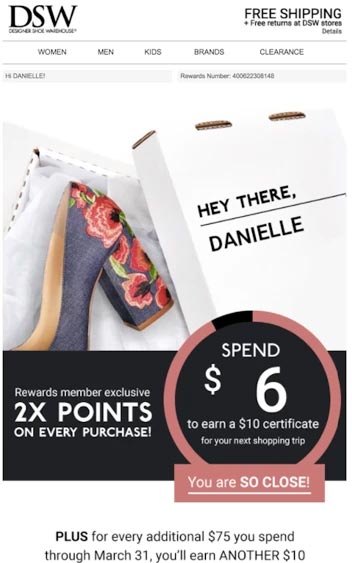
We’re all about connecting with people in a way that matters to them. This means using what we know – such as what someone likes or does online – to show them content they care about.
It’s like having a conversation where we only discuss things you’re interested in. Imagine you’re shopping online, and instead of seeing random stuff, you see all the things you love. That’s what we do with personalised marketing.
Take loyalty programs, for example. They’re not just about points or discounts. They’re our way of saying “thank you” by giving you special treats we know you’ll love. This could be a birthday discount for your favourite item or a sneak peek at a new product.
We utilise data-driven marketing and customer segmentation to ensure that what we send your way is something you’ll find both cool and helpful.
And here’s the deal – we get that no one likes feeling like they’re just a number. That’s why we focus on individualised marketing. It’s all about crafting messages and offers made just for you. By getting to know you through predictive analytics and marketing automation, we ensure that every time we reach out, it feels personal and genuine.
You see this in action every day, probably without even realising it. Take Netflix, for instance. Your homepage looks completely different to your mate’s. It knows you just watched a whole series of crime dramas, so it’s going to show you another one, not a cheesy rom-com.
They even change the little pictures for the shows to see what will tempt you to click. If you watch a lot of films featuring a certain actor, you’ll often see their face in the thumbnail. It’s that specific.
Spotify is another master of this. Its “Discover Weekly” playlist feels like it was made just for you, because it was. It analyses all the music you play, skip, and save to find new tracks it thinks you’ll love.
And then there’s the “Wrapped” campaign at the end of the year. They package up your own listening data into a fun, shareable story. You get to showcase your music taste, and they receive extensive free advertising. Everyone’s a winner.
Trends In Personalised Marketing
Today, we observe a significant shift in how we communicate with our customers. We aim to make each person feel special, as if we’re talking just to them. This is where personalised marketing steps in.
It’s about knowing what each person likes and dislikes and then showing them things that match their taste. We utilise our knowledge of our customers to craft messages that resonate with them.
We don’t just guess what you might like. Instead, we look closely at what you’ve shown interest in before. This means we can show you promotions and offers you’re more likely to care about. It’s a win-win. You get to see things you might want to buy, and we strive to make you happy. For tips on how we do this, check out personal selling strategies.
We utilise data-driven marketing to stay informed about what works and what doesn’t. This helps us get better every day. We also use tools that let us remember your choices, so the next time you visit, we’ll have saved your spot just for you. This way, every visit feels personal, just like a chat with a friend.
Dynamic Content Creation
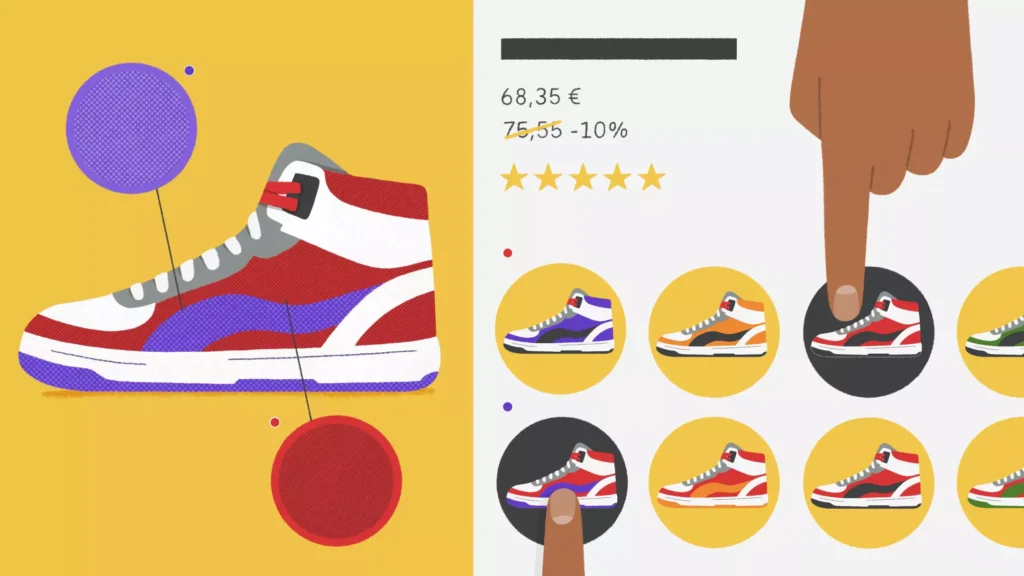
We understand the importance of talking directly to each customer. That’s why we change the content they see. If two people visit the same website, they may see different things based on their preferences or previous browsing history. It’s like having a conversation where we listen and respond in real time.
We use tools and data to ensure every message or offer we send out feels unique to the recipient. Whether it’s an email, a webpage, or a mobile notification, we make it relevant and exciting for each individual. This approach enables us to connect more effectively and foster stronger relationships with our customers.
By doing this, we aim to make shopping or browsing more fun and less of a one-size-fits-all experience. Everyone gets something that feels made just for them.
Contextual Marketing Strategies
We understand the power of reaching our customers at the right time and place. We focus on creating intelligent strategies that match messages to our customers’ situations. This approach enables us to connect in a way that’s both meaningful and relevant to them.
For instance, if someone browses sports gear on our website, we might display ads or send emails about our latest sports equipment. By doing this, we ensure that we’re not just another brand in their inbox or on their screen; we’re a brand that understands their current needs and concerns.
This targeted communication helps us build stronger connections and encourage more engaged responses from potential buyers.
To gain a deeper understanding of creating a strong bond with your audience, consider developing a customised marketing plan. Implementing these strategies not only boosts our relationship with customers but also remarkably increases the effectiveness of our marketing efforts.
Predictive Analytics Integration
We explore our customers’ behaviours and preferences in depth. Our focus is on understanding what drives their actions. This isn’t just guesswork; it’s about having solid data to back every decision we make.
We analyse past and current behaviours with the right tools to predict what our customers might want next.
We tailor our marketing efforts more precisely by integrating predictive analytics into our strategy. This isn’t about sending the same message to everyone. It’s about crafting specific messages that connect with each individual based on what we know they’ll love.
This approach not only makes our customers feel special, but it also remarkably boosts our marketing effectiveness. We’re not just reaching out; we’re connecting in a way that feels personal and relevant to each person. That’s how we turn data into a powerful tool for engagement and satisfaction.
Personalised Marketing Strategies
We understand the importance of making each customer feel special. That’s why we use all sorts of data to create marketing that fits precisely what every person likes.
This could be anything from emails that suggest products tailored to them to ads that appear at the perfect time. It’s all about making customers see that we get them.
Loyal customers appreciate it when they receive deals or rewards that align with their interests. Think about when you sign up for a points program at your favourite store.
You keep coming back since the rewards are just for you. It’s the same with our marketing efforts. We can make your next visit even better by remembering what you bought or looked at before.
Our goal?
To talk to each person in a way that clicks. We’re constantly tuning into what you like and how you shop. This means the messages we send aren’t just random guesses.
They’re picked just for you. And if your tastes change, no sweat. We adjust our strategy to stay ahead. Always keeping it new means you see stuff that catches your eye.
Customer Segmentation In Personalised Marketing

Understanding customer needs and preferences enables us to craft marketing messages that truly connect. We look at what our customers like, what they do, and want.
This way, we can communicate with them in a way they prefer. It’s like knowing your friend’s favourite snack and surprising them with it. It makes them happy and shows you care. This is what we aim to make our customers feel: unique and understood.
With data, we can group our customers based on their interests or actions. This could range from the products they purchase to how they discovered our website.
Then, we use this info to send out targeted advertising that speaks directly to them. It’s like creating a special message just for them. This is not just about selling more stuff. It’s about building a connection and ensuring they know we get them.
But we always remember this is a two-way street. We ask for their info, and in return, we offer them something they’ll value. It could be a discount, a special offer, or a piece of content they’d enjoy.
It’s our way of saying thank you for letting us get to know you better. This approach helps make our brand more human and our customers more engaged.
Audience Profiling Techniques
We understand the importance of treating each customer as an individual. This means knowing what they like and don’t like. To do this well, we collect data.
But we always keep their privacy in mind. It’s about more than just having a vast amount of data. The key is using it smartly to connect with everyone uniquely.
Once we have this information, we split our audience into different groups. This is called customer segmentation. It helps us talk to each group in a way that makes sense to them.
For example, if we know you love sports, we won’t send you news about science fiction books. It’s all about sending the right message to the right person. Doing this can make a big difference. People feel understood. When they need something, they’re more likely to think of us.
We use a bunch of excellent tools and techniques to make this work. There are tools like predictive analytics and marketing automation. These help us guess what you might like in the future. And make sure we’re always ready to offer it to you.
Additionally, explore some valuable tips on personal branding that can help you stand out. Imagine receiving an email from us that discusses topics you care about. That’s what we aim for. It’s not just better for you. It’s better for us, too, since it builds a stronger connection.
Relationship Marketing In a Personalised Approach
We’re committed to fostering strong connections with our customers. It’s what sets us apart. Our foundation is laid on data-driven marketing and customer-centric approaches.
We tap into the power of customer segmentation and audience profiling. This helps us understand every customer as if they were our only customer.
Through tailored campaigns and customised promotions, we speak directly to the heart of our audience. We utilise inspiring examples to demonstrate the effectiveness of our strategies. Our efforts in personalised messaging and behavioural targeting make every interaction meaningful.
By marrying predictive analytics with marketing automation, we’re not just guessing what our customers might like. We know. This insight powers our direct marketing efforts, ensuring every message is effective. It’s about creating moments that matter, leading to authentic consumer engagement.
The Role Of Marketing Automation In Personalisation
We understand that reaching out to each customer individually is vital in today’s business world. It’s all about connecting in a meaningful way. This is where marketing automation steps in. It’s a game-changer for us. With it, we can collect and use information to talk directly to our customers’ interests and needs.
By sending out personalised emails, we’re not just saying “hey” with their name at the top. We’re showing them we know what they’re about – their likes, purchases, and preferences. This makes our message more appealing. It also makes customers more likely to take action, such as repurchasing an item.
Our approach utilises a range of data-driven marketing tools. These tools help us break down our audience into groups. This way, we can send the right message to the right people at the right time. It’s not just about using their name. It’s about understanding what they want—then giving them precisely that.
Challenges and Ethical Considerations in Personalised Marketing
Now, we have to be honest. This isn’t a magic wand, and there are things we have to get right. Using data comes with a big responsibility. It’s about being helpful, not creepy, and always respecting people’s privacy.
The main thing is data privacy. We’re very clear about what information we collect and exactly how we use it. Regulations like GDPR are there for a reason, and we follow them to the letter.
But it’s more than just rules; it’s about trust. We make sure you have control over your data because it’s yours, not ours.
There’s also a fine line we have to walk to avoid being intrusive. A helpful suggestion is great. An ad for something you were just talking about in private feels like someone’s listening in, and nobody wants that. Our goal is to be like a helpful shop assistant who remembers you, not a shadow following you around the internet.
Ultimately, none of this is effective if our data is incorrect. It’s just plain annoying to get an offer for something you bought last week. It shows we’re not paying attention. We strive to maintain accurate and up-to-date information. If we get it wrong, the personalisation backfires and just becomes a nuisance for you.
Conclusion
Personalised marketing is a passing trend and a fundamental element in modern marketing strategies. It is about creating a unique dialogue with each customer, tailoring marketing efforts to meet individual preferences, behaviours, and needs.
Businesses can utilise data-driven methods to engage in targeted advertising, personalised marketing, and one-to-one marketing, thereby enhancing customer experiences and fostering brand loyalty.
In a place where consumers expect personalisation, implementing personalised marketing techniques can increase customer satisfaction and long-term success.
FAQs
What is personalised marketing?
Personalised marketing is a strategy that tailors marketing messages, offers, and experiences to specific individuals based on their preferences, behaviours, and data. It aims to deliver relevant and customised content to each customer or prospect.
Why is personalised marketing important?
Customised marketing helps businesses build stronger customer relationships by providing more relevant and valuable experiences. It can increase engagement, conversions, and customer loyalty by making customers feel understood and valued.
What data is used for personalised marketing?
Typical data sources for personalised marketing include website behaviour data, purchase history, demographic information, location data, and preferences/interests indicated by the customer.
How is personalised marketing implemented?
Personalised marketing can be implemented through various channels like email, websites, mobile apps, and advertising platforms. Techniques include dynamic content, product recommendations, personalised emails, and targeted ads based on user data.
What are some examples of personalised marketing?
Examples include customised email campaigns that address the customer by name and feature products based on their interests, tailored product recommendations on e-commerce sites, and targeted ads on social media based on a user’s browsing history.
Is personalised marketing the same as segmentation?
No, segmentation involves dividing customers into broad groups based on shared characteristics, while personalised marketing tailors the experience to each customer based on their unique data and preferences.
What are the benefits of personalised marketing?
Benefits can include increased customer engagement and conversions, improved customer loyalty and retention, higher average order values, and better ROI on marketing spend.
Are there any concerns with personalised marketing?
Privacy concerns are a consideration, as personalised marketing collects and uses customer data. Transparency in data practices and providing customers with control over their data are essential.
How can businesses get started with personalised marketing?
Key steps include collecting and integrating customer data, investing in marketing automation and personalisation tools, developing a personalisation strategy, and continuously testing and optimising personalised experiences.
What are some personalisation best practices?
Best practices include using data responsibly and transparently, delivering value (not just selling), respecting customer preferences, providing easy opt-out options, and continuously iterating based on performance data.