Custom Signage Design: Guide to Materials, Lighting, and Scale
Walk down any UK high street, and you are surrounded by failure.
Faded acrylics, flickering LEDs, and signs so large they are literally unreadable from the footpath.
Business owners spend thousands on a logo, only to have a cut-price signmaker ruin their physical brand equity through poor execution.
If your signage is an afterthought, so is your brand. In a world of digital noise, physical print design is the last bastion of actual, unskippable presence.
But getting it wrong isn’t just a shame; it’s a liability.
According to research by the International Sign Association, nearly 60% of businesses saw a 10% increase in sales just by updating their signage.
Conversely, a poor sign acts as a “Do Not Enter” beacon for the sceptical modern consumer.
- Choose durable, climate-appropriate substrates (marine-grade stainless or HDU) to prevent wind, salt and weather-related failures.
- Design lighting with proper lumen maintenance, Kelvin matching and illumination style to ensure legibility and avoid visual dissonance.
- Scale lettering using the Rule of 10 and increased kerning for distant legibility; factor viewer speed and viewing time.
- Comply with UK planning and accessibility rules, ensure high contrast (LRV), and adopt circular, PVC-free materials for sustainability.
What is Custom Signage Design?
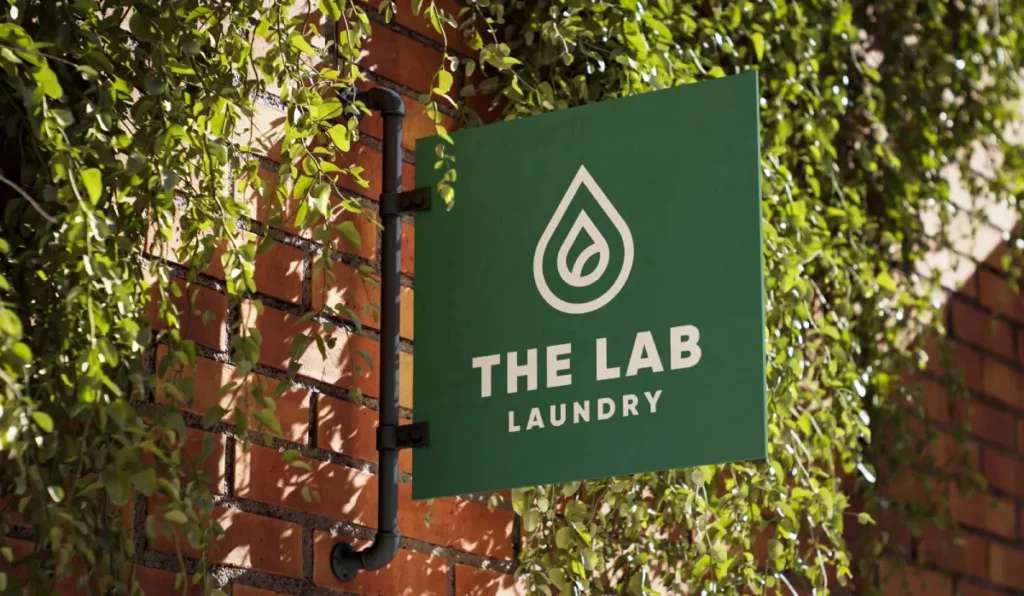
Custom signage design is the strategic engineering of physical brand touchpoints, combining graphic design, material science, and environmental psychology.
It involves the precise selection of substrates, illumination methods, and typographic scaling to ensure brand legibility and durability within a specific architectural context.
The 3 Core Elements of Signage
- Substrate Selection: Choosing the physical material (e.g., Aluminium, Acrylic, Wood) based on environmental exposure and longevity.
- Photometric Engineering: The calculation of light output (Lumens) and temperature (Kelvin) to ensure visibility without light pollution.
- Spatial Scaling: The mathematical relationship between the height of the lettering and the maximum viewing distance of the target audience.
The Physics of Material Selection: Beyond the Aesthetic
Choosing a material for your professional signage design isn’t about what looks “nice” in a PDF presentation. It’s about how that material behaves when the British weather decides to throw a tantrum.
Structural Integrity: Wind Loading and the “Coastal” Reality
In the UK, particularly in regions such as the South West and the Scottish Highlands, “wind load” is the primary cause of sign failure. A large fascia sign acts as a sail.
If the substrate isn’t calculated for the local Beaufort Scale averages, the sign won’t just warp—it will tear from the masonry.
Marine-Grade Materials
For any project within 5 miles of the coast, standard aluminium is insufficient. We specify 316-grade Stainless Steel or Marine-Grade Powder Coating (Qualicoat Class 2). This prevents the “pitting” and white-rust oxidation caused by salt mist.
Mechanical Fixings vs. Adhesives
While high-bond VHB tapes are popular, a 2026 professional installation relies on Mechanical Stand-offs and Through-bolt Anchors (e.g., Hilti or Rawlplug systems).
- Technical Tip: For “Projecting Signs” (the ones that hang over the pavement), we use a “double-brace” internal frame. This prevents the torque from high winds snapping the bracket welds.
High-Density Urethane (HDU) vs. Natural Timber
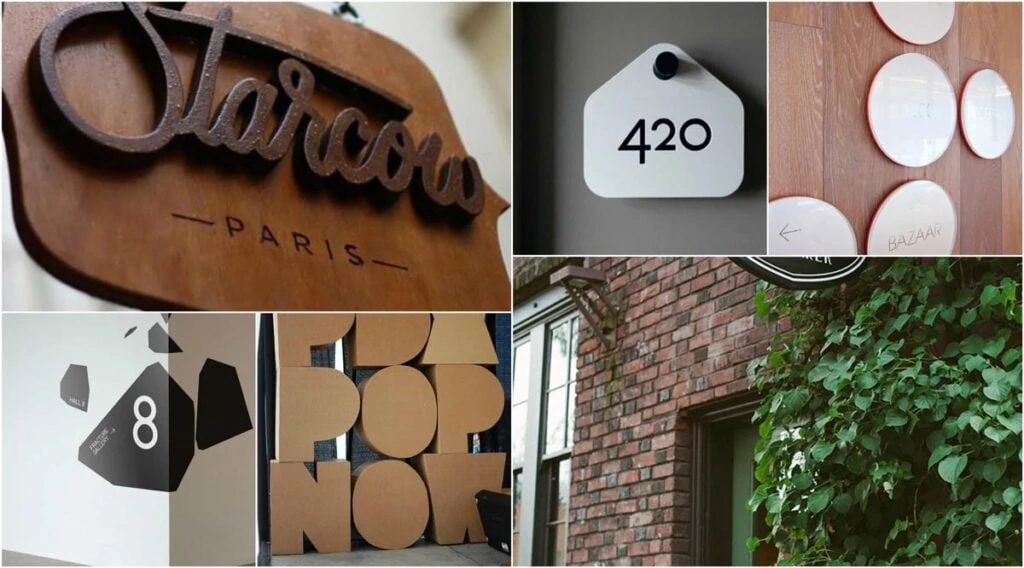
Timber looks fantastic for a week. Then it moves. It breathes, it swells, and the paint starts to flake. For that “carved wood” look without the maintenance nightmare, we recommend HDU.
It’s waterproof, won’t rot, and can be CNC-routed to create incredible depth.
Acrylic and Perspex
Acrylic is the king of light transmission. However, amateurs often forget that acrylic expands and contracts significantly more than metal.
If you pin-mount a large acrylic sign without allowing for “slotted” holes, it will eventually buckle or snap its fixings. This is a technical detail that separates a consultant-led project from a “man with a van” job.
Pro Tip: Always check the UV rating of your substrates. Cheap acrylics will yellow within 18 months, turning your crisp white brand into a nicotine-stained relic.
The Legal Framework: UK Planning and Accessibility
Custom signage design is not just a creative choice; it is a regulated architectural addition. In the UK, failing to adhere to The Town and Country Planning (Control of Advertisements) (England) Regulations 2007 can result in heavy fines and a mandatory “Notice to Remove.”
Navigating Deemed Consent
Most small business signage falls under “Deemed Consent,” meaning you don’t need active permission if you follow specific criteria.
However, if your sign is illuminated, over 4.6 metres above ground level, or features letters larger than 0.75 metres in a conservation area, you must apply for Advertisement Consent.
Inclusive Design and the Equality Act 2010
In 2026, accessibility is no longer optional. Under the Equality Act 2010, physical premises must make “reasonable adjustments” for people with visual impairments. This involves:
- Tactile and Braille Integration: Essential for wayfinding signage in public-facing buildings like hotels or healthcare centres.
- LRV (Light Reflectance Value): You must maintain a contrast ratio of at least 30:1 between your text and the background substrate to assist those with low vision.
Example Scenario: A London-based clinic recently faced a legal challenge because its “Satin Silver” lettering on a “Polished Chrome” background was illegible to patients with cataracts. We rectified this by switching to a RAL 7016 Anthracite matte finish against a high-contrast white backing, achieving an LRV difference of 65 points.
Lighting: Engineering the “After Dark” Brand
Lighting is where most marketing collateral fails to translate to the physical world. You aren’t just “turning on a light”; you are managing contrast ratios.
The LED Revolution and Lumen Depreciation
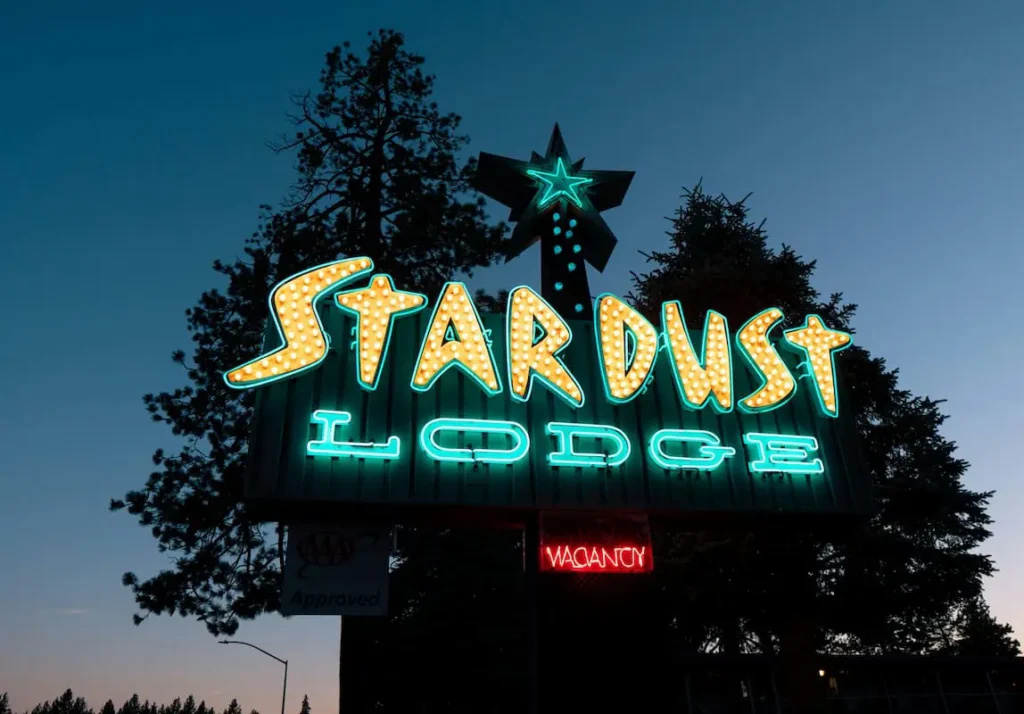
In 2026, there is no excuse for using neon unless you are specifically aiming for a “retro-kitsch” aesthetic. LEDs are more efficient, but not all LEDs are created equal.
High-quality modules from manufacturers like SloanLED or Samsung offer better “Lumen Maintenance”—meaning they won’t lose 30% of their brightness after the first year.
Illumination Styles
- Front-Lit: The classic “light box” or channel letter. Bold, bright, and impossible to miss.
- Halo-Lit (Back-Lit): The sign is offset from the wall, and the light glows from behind. This is the “executive” look. It’s subtle, sophisticated, and excellent for high-end branding.
- Trough Lighting: An external light bar that shines down. It’s cost-effective, but it can create harsh shadows if the angle isn’t calculated correctly.
The “Kelvin” Mistake
We often audit sites where the signage lighting (6500K – Cool Blue/White) clashes horribly with the interior shop lighting (3000K – Warm Yellow). This creates visual dissonance.
Your signage lighting should complement your business card design and your physical premises, not fight it.
The Mathematics of Scale: Why Your Sign is Invisible
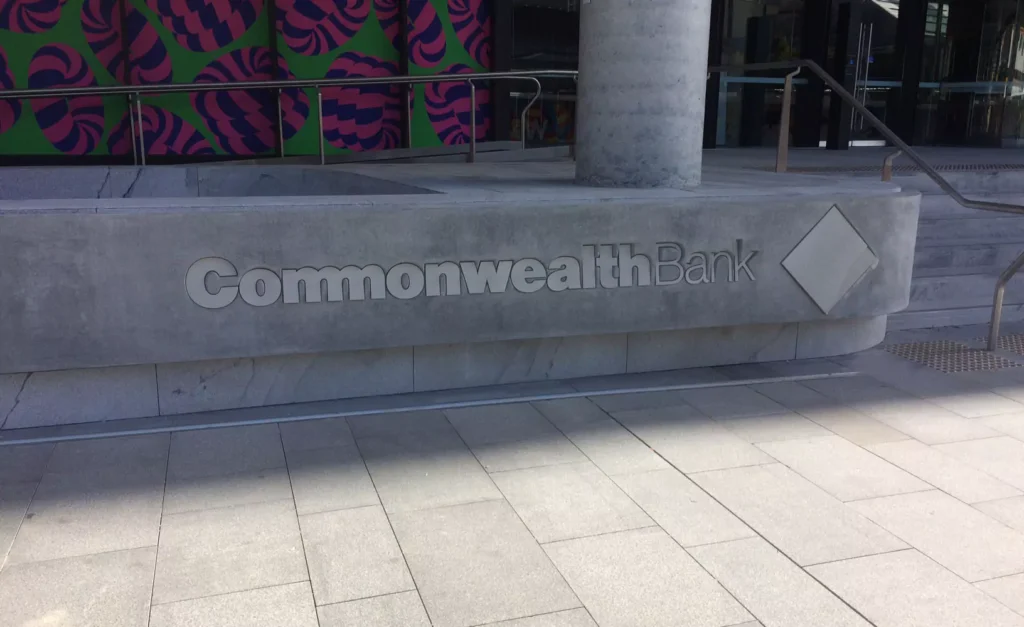
The most common mistake in custom signage design is ignoring the Rule of 10.
For every 10 feet of viewing distance, you need at least 1 inch of letter height.
If your shop is on a road where cars travel at 40mph, those drivers need a letter height of at least 12 inches just to recognise the word before they’ve passed you.
The Viewing Distance Table
| Speed / Distance | Recommended Letter Height | Min. Total Sign Width |
| Pedestrian (3m) | 25mm (1 inch) | 300mm |
| Urban Traffic (15m) | 150mm (6 inches) | 1200mm |
| High Speed (50m+) | 500mm+ (20 inches+) | 3000mm+ |
Kerning and Negative Space
In a brochure design guide, you can get away with tight kerning. In signage, tight kerning is a death sentence for legibility. At a distance, letters “bleed” into each other. You need to increase your letter spacing by at least 10-15% compared to your digital assets to maintain clarity.
The State of Custom Signage in 2026
We are currently seeing a massive shift towards Smart Materials and AR Integration.
In the last 12 months, the cost of transparent LED film has dropped by 40%, allowing businesses to turn their entire windows into high-resolution displays without blocking natural light.
Furthermore, “Digital Twins” of physical signage are now standard for high-end projects.
We use LiDAR scanning to create a 3D model of your building, allowing us to simulate exactly how shadows will fall across your sign at 4 PM in mid-November.
This level of precision is what’s required to rank as a leader in your local space.
The 2026 Sustainability Mandate: Circular Signage Engineering
The signage industry has historically been one of the most significant contributors to microplastic pollution and landfill waste.
In 2026, the shift is toward the Circular Economy, where every component of a custom sign is designed to be recovered, reused, or safely biodegraded.

PVC-Free Initiatives and Recycled Substrates
We have moved beyond toxic PVC (Polyvinyl Chloride). High-performance alternatives now include:
- Recycled HDPE: Made from post-consumer plastic waste, this is the go-to for durable, “eco-industrial” aesthetics.
- Organoid Substrates: Using natural materials like alpine hay or moss, compressed into fire-rated panels for internal branding.
- Aluminium Re-skinning: Instead of discarding an entire sign tray, we now design “Modular Fascias.” This allows the Aluminium Composite face to be popped out and recycled, while the internal LED loom and structural frame remain in place for decades.
Energy Efficiency and Carbon Auditing
With UK energy prices remaining volatile, the Wattage per Square Metre of an illuminated sign is now a key KPI.
By using Constant Current LED Drivers instead of “Constant Voltage,” we can extend the modules’ lifespan by 40% and reduce energy consumption.
Case Study: A national retail chain switched from 24V fluorescent-style LEDs to a 12V SloanLED system with integrated daylight sensors. They reduced their “Signage Carbon Footprint” by 22% annually while increasing their nighttime “Stop-Rate” by 15% due to better light consistency.
Technical Comparison: The Amateur vs. The Pro
| Feature | The Amateur Way (Cheap) | The Inkbot Way (Pro) |
| Fasteners | Standard steel screws (will rust) | Stainless Steel or Hidden Stand-offs |
| Wiring | Exposed “daisy-chain” cables | Internal looms with IP67-rated connectors |
| Vinyl | Monomeric (3-year life, will shrink) | Polymeric or Cast (7-10 year life) |
| Scaling | “Make it fit the board” | “Make it fit the eye” (Mathematical) |
| Planning | “Hope no one notices” | Full UK Planning Portal compliance |
Procurement Framework: Choosing Your Signage Tech Stack
Not all “custom” signage is equal. Use this table to align your budget with your site’s technical requirements.
| Material / Method | Lifespan (UK) | Best For | Typical Cost (Installed) | Risk Level |
| Vinyl on ACM Tray | 5–7 Years | Standard retail, Industrial units | £800 – £1,800 | Low |
| Fabricated 3D Acrylic | 8–10 Years | High-street boutiques, Corporate | £2,500 – £5,000 | Medium (Fragile) |
| Halo-Lit Stainless Steel | 15+ Years | Luxury hotels, Law firms | £4,500 – £12,000 | Low (Durable) |
| Transparent LED Film | 3–5 Years | Tech hubs, Flagship stores | £10,000+ | High (Maintenance) |
| HDU Carved Panels | 10–12 Years | Pubs, Parks, Heritage sites | £1,200 – £3,000 | Low |
The “Signage Brief” Checklist
Before contacting a manufacturer, ensure you have defined the following:
- The Reading Time: How many seconds does your audience have to see the sign?
- The Ambient Light: Is the area already bright (e.g., Piccadilly Circus) or pitch black?
- The Mounting Surface: Is it brick, “Curtain Walling” (glass), or a timber shiplap? Each requires different structural engineering.
The Verdict
Custom signage design is not an exercise in “making things pretty.”
It is a technical discipline that requires an understanding of structural integrity, photometric data, and human biology.
If you are still using a generic sign shop that doesn’t ask about your “viewing distance” or “luminaire maintenance factor,” you are throwing money away.
Your physical presence is the most permanent piece of marketing you own. Treat it with the same technical rigour you apply to your website or your SEO strategy.
Frequently Asked Questions
How much does custom signage design cost in the UK?
Prices vary wildly. A basic ACM tray sign might start at £500, while a fully illuminated, 3D fabricated brand mark for a storefront can range from £3,000 to £15,000. Always factor in installation and access equipment (scaffolding/cherry pickers), which can add £500-£1,000 to the bill.
Do I need planning permission for my business sign?
In the UK, many signs fall under “Deemed Consent,” but there are strict rules on size, illumination, and height above ground. If your building is listed or in a Conservation Area, you must apply for Advertisement Consent. Check the UK Government guidelines before commissioning work.
What is the best material for outdoor signs?
Aluminium Composite (ACM) is the best all-rounder for cost and durability. For premium 3D effects, acrylic or stainless steel is preferred. In 2026, recycled HDPE is becoming a popular, durable alternative for eco-conscious brands.
How long does a custom sign last?
A professionally manufactured sign using cast vinyl and powder-coated aluminium should last 7 to 10 years. Cheap digital prints on monomeric vinyl will begin to fade and peel within 2 to 3 years.
How bright should my illuminated sign be?
In the UK, the Institution of Lighting Professionals (ILP) guides “The Control of Obtrusive Light.” In urban areas, you are generally looking at a maximum luminance of 600 cd/m2 after dark to avoid being a nuisance.
Do I need a structural engineer for my sign?
If your sign weighs over 50kg or is being mounted above a public thoroughfare on a high-rise, a Structural Calculation is often required by your building insurance and local council to prove wind-load compliance.
What is the difference between “Cast” and “Calamdered” vinyl?
Cast Vinyl is like a “liquid skin” that doesn’t shrink; it’s essential for 3D curves and long-term outdoor use. Calendered vinyl (often called Monomeric) is cheaper but will shrink and leave “glue lines” around your letters within 12 months.
Can I use solar power for my shop sign?
In the UK, solar-only signage is challenging during the winter months due to low “Peak Sun Hours.” We recommend a hybrid system: solar-charged batteries with a mains-failover to ensure your brand doesn’t go dark in December.
How do I match my digital brand colour to a physical material?
You cannot simply use Hex codes. You must convert your brand identity into RAL (for paint/powder coating) or Pantone (PMS) for vinyl. Always request a “physical sample” under 5000K light before approving a full production run.
Is “Digital Signage” legal in residential areas?
It’s difficult. Councils are strict about “Light Nuisance.” If your digital screen faces residential windows, you will likely be restricted to specific “Nits” (brightness) levels and required to turn it off between 11 PM and 7 AM.
Is digital signage better than static signage?
Not necessarily. Digital signage has higher “stopping power” but much higher maintenance costs and a shorter lifespan (3-5 years). A high-quality static sign is a one-time investment that works 24/7 without a software update.
How do I maintain my custom signage?
Wash it twice a year with mild soapy water—avoid power washers as they can strip vinyl or force water into LED modules. Check the electrical transformers annually to ensure they aren’t overheating.
What is the “Inverse Square Law” in signage lighting?
In simple terms, as you double the distance from the light source, the intensity of the light is quartered. This is why “trough lights” often look bright at the top of a sign but leave the bottom in total darkness.
Can Inkbot Design help with my signage strategy?
Yes. We specialise in translating digital brand identities into high-performance physical assets. We bridge the gap between “graphic designer” and “structural fabricator.”
Ready to fix your physical brand presence?
Request a quote today to ensure your custom signage design is engineered for 2026 and beyond. Or, explore our other print design services to see how we can unify your brand across every touchpoint.