Rebranding Your Business: When and How to Do It Right
Rebranding is not a reset button. Done wrong, it destroys the brand recognition your business spent years building. Done right, it protects equity while repositioning for growth. This guide separates the genuine triggers from the expensive distractions — and gives you a clear framework for deciding which camp you’re in.
 By Stuart Crawford
 Reviewed by Tabitha Ayers
Updated 17 min read
On this page17 min left
- What Is Rebranding?
- Why Most Businesses Rebrand for the Wrong Reasons
- When Rebranding Is Actually Justified
- The Myth: Rebranding Fixes a Broken Business
- The Rebranding Process: How to Do It Without Destroying What You've Built
- The Rebranding Decision Table
- The State of Rebranding in 2026
- Rebranding Right: Common Mistakes vs Best Practice Checklist
- The Verdict
We see a lot of businesses that rebrand too late, and for the wrong reasons.
The ones that succeed aren't fixing a broken image — they're protecting equity they've already built, before the gap between perception and reality gets too wide to close cheaply.
This distinction is everything.
A rebrand initiated from a position of strength is a strategic investment. One initiated from panic, boredom, or the delusion that a new logo will fix an operational problem is an expensive mistake.
Tropicana, a PepsiCo brand, spent $35 million on a rebrand in 2009, then lost another £20 million in sales within two months because it confused “the look is getting stale” with “customers don't recognise us anymore.” They did recognise Tropicana. They just couldn't find it on the shelf after the redesign erased every distinctive asset the brand had spent decades building.
If you're seriously weighing whether to rebrand, you need Rebranding services from someone who will tell you when not to do it just as readily as when you should.
The question is never “how do we rebrand?” It's always “should we rebrand at all, and what specifically are we trying to achieve?”
This guide answers both.
What Is Rebranding?
Rebranding is the strategic process of updating a business's visual identity, positioning, messaging, or name to reflect better its current value proposition, target audience, or market context — while deliberately managing the transition of existing brand equity.
Key components:
- Identity layer — Logo, colour palette, typography, and visual system
- Positioning layer — Market positioning, brand promise, and audience definition
- Communication layer — Tone of voice, messaging hierarchy, and naming conventions
Rebranding your business is the process of strategically updating your visual identity, positioning, or name to reflect your current value proposition better — not to fix a product problem, but to close a perception gap between what your business delivers and how the market sees it.
Why Most Businesses Rebrand for the Wrong Reasons
The majority of rebranding decisions are made by people who are tired of their own brand, not by those responding to a documented perception problem. These are not the same thing.
Internal fatigue with a brand is almost universal after three to five years. Founders, directors, and marketing teams see their logo every single day. They notice every imperfection. They grow restless with the colour palette.
They start to wonder whether the brand “still represents who we are.” And when that restlessness coincides with a slow quarter or a failed campaign, the rebrand becomes both explanation and solution.
It is neither.
A brand exists in the minds of customers, not in the minds of the people who made it. The Ehrenberg-Bass Institute (part of the University of South Australia's business school) has produced extensive research demonstrating that distinctive brand assets — logos, colours, characters, slogans — require consistent exposure over five to seven years before they achieve reliable, automatic recognition among a target audience.
Erasing them before that recognition is established is not refreshing. It is starting again from zero.
The actual triggers that justify rebranding are narrow and specific. They include documented evidence of market misalignment, a merger or acquisition that creates genuine identity conflict, a proven audience shift that the existing brand cannot bridge, or reputational damage so severe that association with the current name actively suppresses consideration. Anything outside those categories is rationalisation.
Most companies rebrand because someone internally got bored, not because customers stopped recognising them. Brand fatigue within the business is not the same as brand fatigue in the market — and research on distinctive asset development consistently shows that consistency, not novelty, builds recognition. Rebranding for internal reasons at the expense of external equity is one of the most expensive mistakes a scaling business can make.
When Rebranding Is Actually Justified
Rebranding is justified when the existing identity actively impedes business growth — not simply when it looks dated to those who see it every day.
You've Outgrown Your Market Position
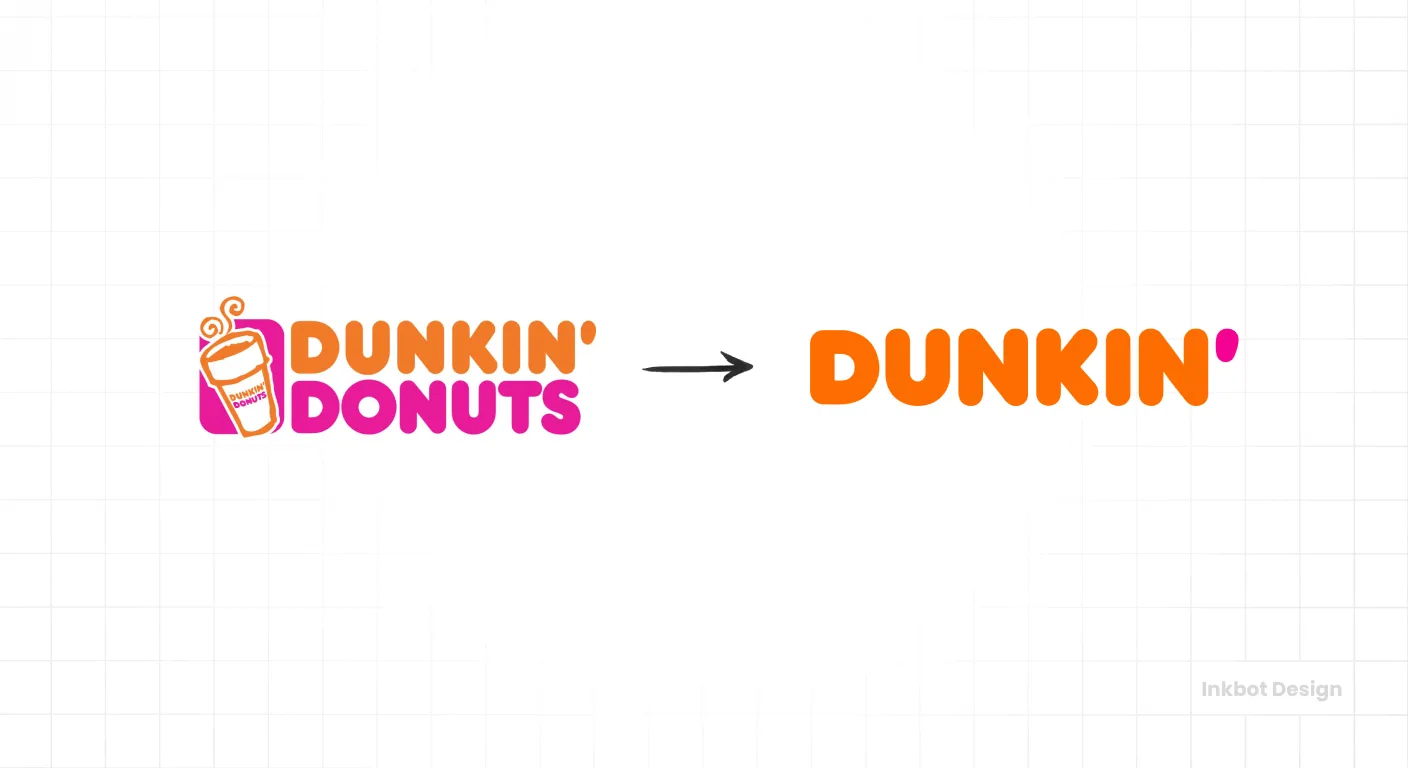
The clearest genuine trigger is when your positioning no longer reflects what you do or who you serve. Dunkin' Donuts dropped “Donuts” from its name in 2018 precisely because the word was suppressing consideration among coffee-first buyers who dismissed the brand as a food outlet.
The name Dunkin' — which customers were already using colloquially — allowed the brand to reposition as a beverage-led, on-the-go brand without abandoning its existing customer base.
By 2020, the name change had contributed to a brand identity coherent enough to drive a TikTok collaboration with Charli D'Amelio that produced a 57% spike in app downloads and a 45% lift in cold brew sales within 48 hours, according to reporting on the campaign results.
The rebrand worked because it was solving a specific positioning problem, not a visual one.
You're Going Through a Merger or Acquisition
When two companies merge, two distinct brand identities create customer confusion, internal friction, and wasted marketing spend.
According to research compiled by Capital One Shopping, 69% of brands acquired by S&P 100 companies rebrand within the first seven years, with 40% doing so within the first year.
The European rail operator Eurostar's rebrand following its 2022 merger with Thalys is a clear example: design agency DesignStudio created a unified identity under the concept of “bringing the star back to Eurostar,” resolving the identity conflict while giving the merged entity a single, legible market presence.
You're Entering a New Market Segment
Moving upmarket, downmarket, or into a new geography creates a gap between your existing brand signals and the expectations of the new audience.
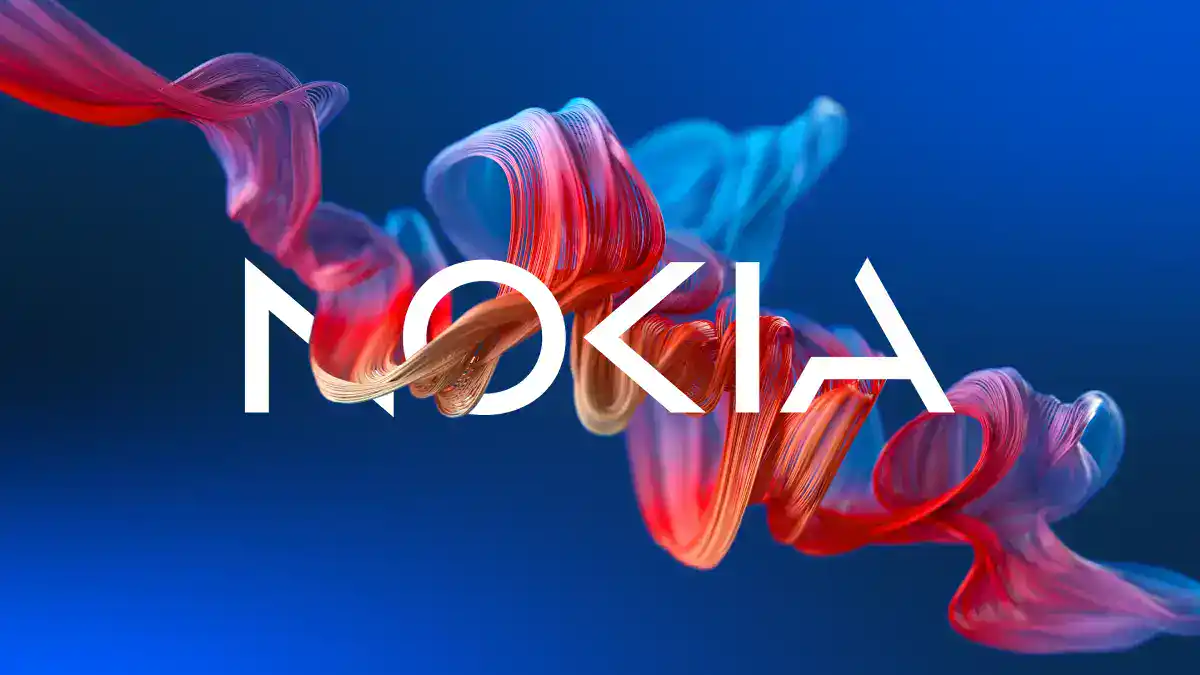
Nokia's 2024 logo refresh — its first overhaul in over three decades — directly addressed this: the brand was moving from consumer mobile phones into business technology solutions, and its consumer-facing heritage was a liability in enterprise sales conversations.
The visual change signalled strategic intent rather than cosmetic preference.
You Have a Documented Reputation Problem
This trigger is valid but frequently misapplied.
A rebranding can help a business create distance from a specific, named incident that has demonstrably damaged purchase intent — but only when the underlying problem has been fixed.
Rebranding without fixing the product, the service, or the culture is transparent to customers and accelerates distrust rather than resolving it.
The four genuine triggers for rebranding are market misalignment, merger integration, new segment entry, and documented reputation recovery. Every other reason — including internal fatigue, design trend-chasing, and competitor envy — produces expensive rebrands that erode the very equity they claim to protect.
The Myth: Rebranding Fixes a Broken Business
The most damaging advice in circulation is that rebranding can serve as a reset button for a struggling business. It cannot.
This idea has intuitive appeal. If customers aren't buying, maybe they don't like what the brand represents. If sales are flat, the visual identity may be outdated and put people off. The logic feels reasonable until you look at why customers are actually not buying — and in most cases, it has nothing to do with the logo.
Gap Inc.'s 2010 attempt to replace its iconic blue box logo lasted six days. The backlash was immediate, vocal, and entirely predictable to anyone who understood what the brand represented: a heritage identity with decades of equity in its simplicity.
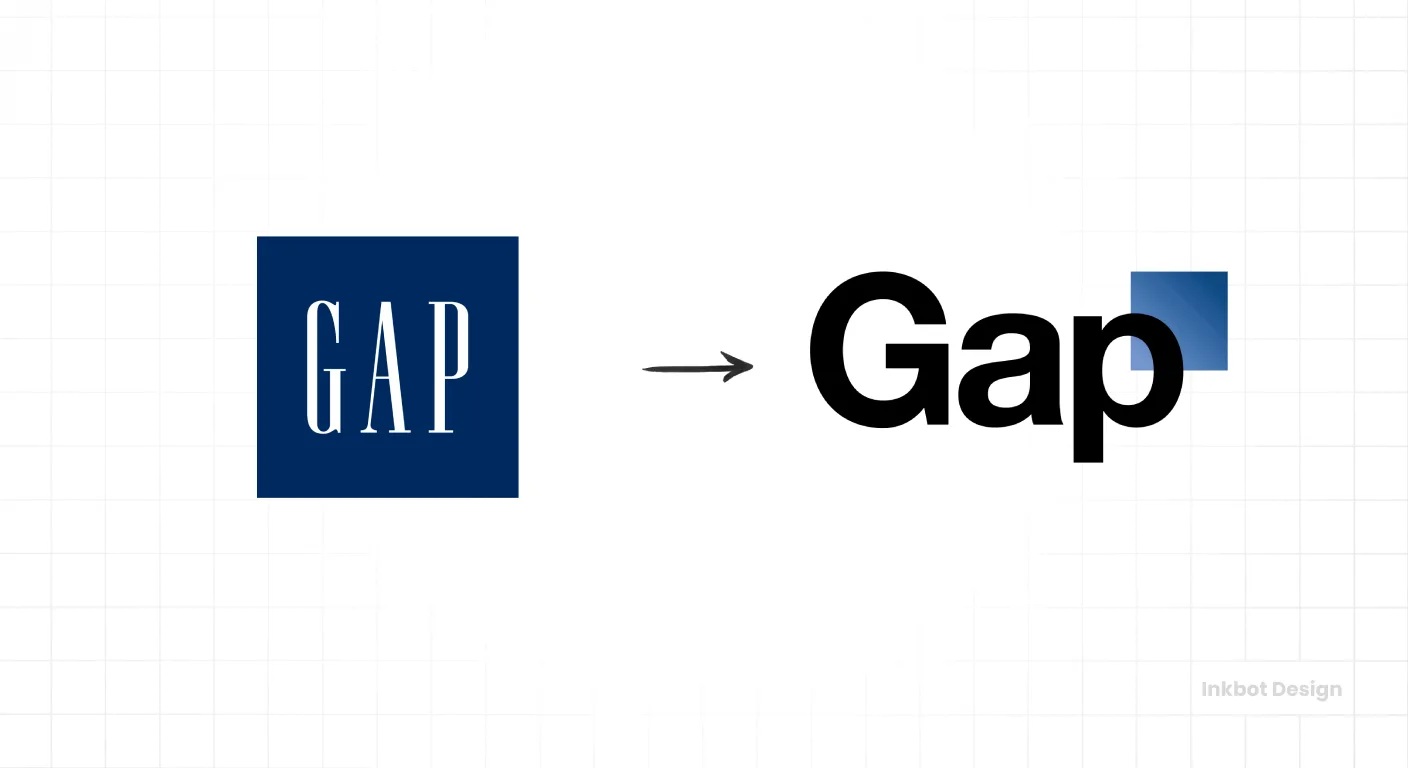
Gap wasn't struggling because of its logo. It was struggling because of product decisions, pricing, and retail distribution. The rebrand didn't address any of those issues. It simply added a design controversy to an already difficult trading period and then had to be reversed, at cost, in under a week.
The pattern repeats across industries. A business with weak conversion rates and a rebrand still has weak conversion rates after the rebrand.
A business losing customers to a cheaper competitor and a new logo still loses customers to the cheaper competitor. The fundamental commercial problems that drive rebranding decisions are rarely brand problems — they're product, pricing, or distribution problems that have been misdiagnosed.
Before commissioning a rebrand, every business should answer one question in writing: “If we fix nothing except the brand, what specifically changes in our numbers?” If the honest answer is “not much,” the rebrand is the wrong intervention.
Rebranding does not fix a broken business model. It fixes a perception gap — the distance between what a business delivers and how the market currently sees it. When no perception gap exists, or when the gap is caused by product failure rather than brand misalignment, rebranding consumes time and money that should be directed at operations, product development, or sales capability.
The Rebranding Process: How to Do It Without Destroying What You've Built
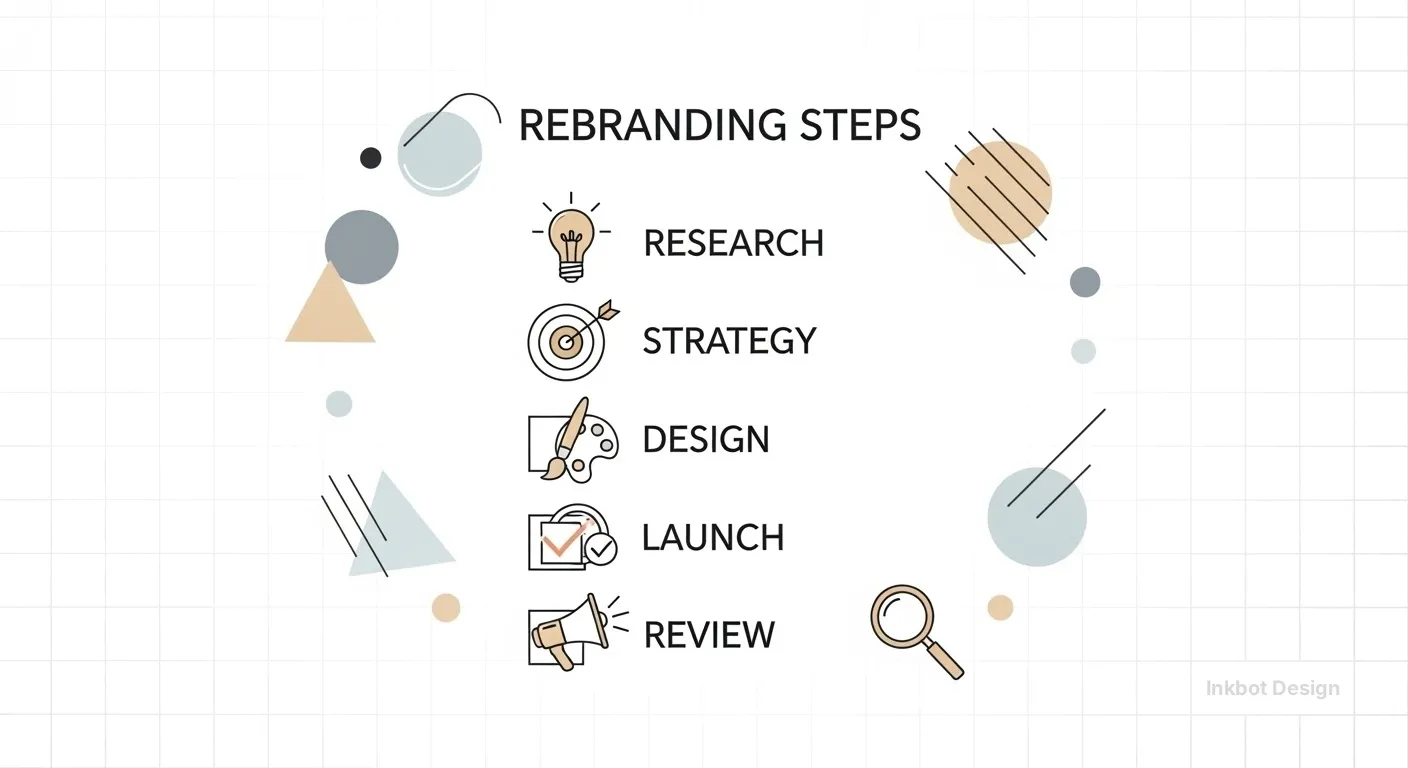
A well-executed rebrand follows a defined sequence. It begins with evidence, moves through strategy, and only arrives at visual execution once the strategic foundation is settled.
Step 1: Audit What You Actually Have
Before making any changes, measure your brand's current value.
This means quantifying unaided brand recognition within your target audience, documenting which brand elements drive the strongest recognition, and identifying where the brand's associations diverge from your intended positioning.
The Brand Equity Audit — the diagnostic tool Inkbot Design uses before any strategic engagement — maps exactly this: which assets are doing the work, which are invisible, and which are actively creating the wrong associations.
Most businesses discover that their visual identity is not the problem. The problem is almost always a matter of positioning or clarity of communication.
Step 2: Define What the Rebrand Needs to Achieve
This step eliminates 80% of bad rebranding decisions. A rebrand brief that says “we want to look more modern” is not a brief — it's an aesthetic preference.
A brief that says “we need to signal a move into the enterprise B2B segment without losing our existing SMB base, and our current visual language reads as consumer-grade to enterprise procurement teams” is a strategic problem that a rebrand can actually solve.
Every element of the new identity should be traceable to a specific strategic requirement. If the brief cannot justify a design decision, it should not be in the final system.
Step 3: Protect Your Distinctive Assets
Before removing any existing brand element, establish whether it has achieved recognition. Recognition is different from preference. Customers do not need to love an element to have learned to use it as a reliable signal of your brand.
The Ehrenberg-Bass Institute distinguishes between brand salience — how readily a brand comes to mind in purchase situations — and brand image. Most rebranding decisions optimise for image at the expense of salience.
This is precisely the mechanism behind the Tropicana disaster: the agency removed distinctive elements (the orange with a straw, the bold vertical wordmark) in favour of a cleaner aesthetic.
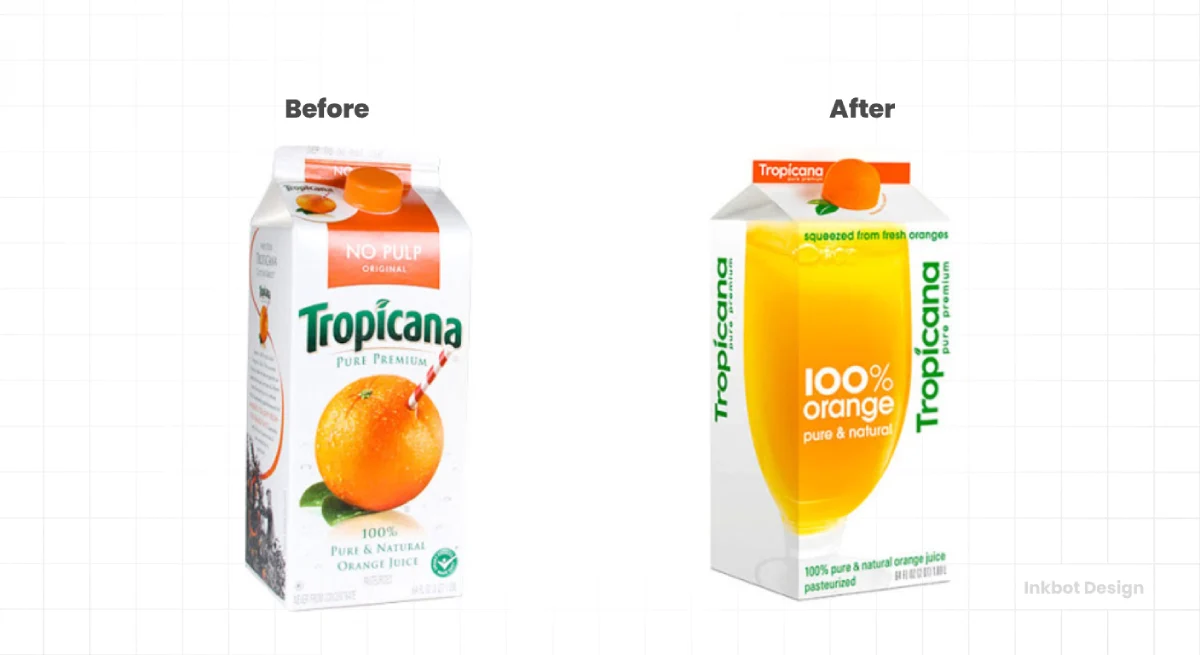
The result was that a brand generating over $700 million in annual sales for Tropicana Pure Premium became unrecognisable on the shelf, with sales dropping 20% in less than two months, according to AdAge's April 2009 reporting on the sales figures.
Preserve what is working. Change what is actively working against you.
Step 4: Manage the Transition
The gap between old and new identity is where equity is most vulnerable. An abrupt switch, with no communication to existing customers, reads as either a cover-up or a mistake.
A managed transition — which names the change, explains the strategic rationale, and explicitly connects the new identity to the existing reputation — maintains continuity of trust through the visual discontinuity.
This is operational execution, not creative work. It requires an internal comms plan, a customer-facing announcement, a systematic asset update across every touchpoint, and a monitoring framework for the first 90 days.
Done well, the transition reinforces the rebrand's strategic message. Done badly, it creates the impression that the business itself doesn't know what it's doing.
A rebranding that destroys recognition to achieve aesthetic freshness is not a brand evolution — it is brand suicide conducted on a timeline. The safest rebrands are those in which existing customers notice that something has changed but cannot immediately say what, because the distinctive signals they rely on remain present, just refined. That is the target: evolution legible to the market as progress, not disruption.
The Rebranding Decision Table
Decision Point | The Wrong Way | The Right Way | Why It Matters |
|---|---|---|---|
Trigger for rebranding | The internal team is fatigued with the existing design | Documented evidence of market misalignment | Internal fatigue does not correlate with customer recognition failure |
Brief quality | “We want to look more modern and premium” | “We need to signal enterprise B2B capability without losing SMB recognition” | Vague briefs produce expensive redesigns that solve nothing |
Distinctive asset management | Remove all existing elements for a clean start | Audit recognition value before removing any asset | Recognition is built over years; removing it restarts the clock |
Visual change magnitude | Complete overhaul of logo, colours, type, and naming | Change only what is actively working against the strategy | The more you change, the more recognition you risk destroying |
Launch approach | Swap assets overnight with no customer communication | Managed transition with named rationale and 90-day monitoring | Unexplained change reads as instability or a cover-up |
Success measurement | “It looks better than it did” | Tracked change in brand salience and market perception at 6 and 12 months | Aesthetic preference is not a business outcome |
Agency selection | The cheapest quote or the most awards | Proven process from strategy through execution, with clear accountability | Rebranding without a strategic foundation produces decoration, not direction |
The State of Rebranding in 2026
The rebranding landscape has shifted significantly since 2023, driven by two forces: the democratisation of AI-generated visual assets and a market-wide overcorrection towards minimalism that has made a generation of brands visually indistinguishable from one another.
Canva's Magic Studio and Adobe Firefly 3 — both significantly updated through 2024 — have enabled non-designers to produce professionally finished brand materials in minutes. This has paradoxically affected the rebranding strategy.
On one hand, it has lowered the perceived cost of visual change, encouraging more frequent and more casual brand refreshes from SMBs.
On the other hand, it has dramatically raised the stakes for brands trying to stand out, because the baseline visual quality of even amateur brand work is now higher.
The Jaguar rebrand of November 2024 is the most instructive case study from this period. Jaguar unveiled a minimalist monogram and a campaign built around the slogans “Copy Nothing” and “Delete Ordinary” — without a car in sight.
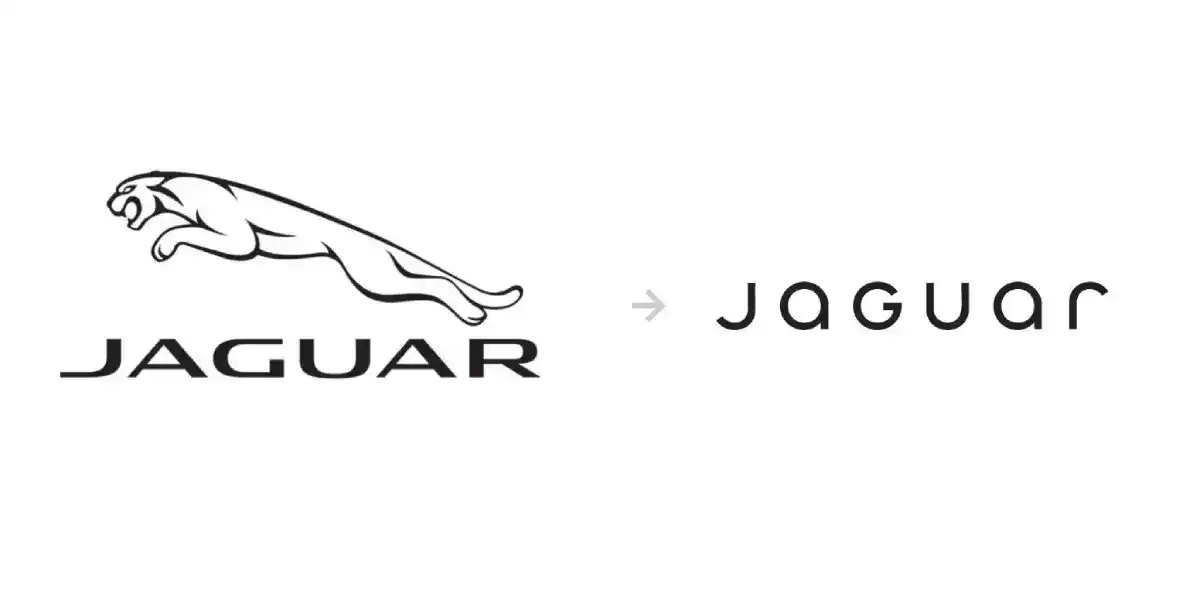
The reaction was swift and damaging: consumer surveys from YouGov and btrax, tracking brand perception before and after the launch, found that positive impressions of Jaguar dropped from 23.1% to 15.3%, while negative impressions surged from 21% to 40.5%.
The rebrand was designed to signal a bold shift to an all-electric luxury positioning, which was a legitimate strategic goal. The execution failed because it severed the connection to the heritage that gave Jaguar the credibility to charge luxury prices in the first place.
Contrast that with Adobe's 2025 rebrand: a tighter grid system, the introduction of the Adobe Lens device, and a cleaner red system that unified the company's fragmented product suite without erasing any of Adobe's core visual signals.
The result, widely cited in the design press, was a brand that finally felt coherent across its entire ecosystem — resolving a real problem (product fragmentation) without introducing a new one (recognition disruption).

The trend towards minimalism — which has dominated brand design since roughly 2018 — is showing signs of reversal.
Kellogg's 2025 “Seed Your Day” rebrand, which introduced vibrant characters and a rich colour system in place of the flat, clean aesthetic that had defined the previous iteration, signals an appetite for visual warmth and distinctiveness that the minimalist wave suppressed.
For businesses rebranding in 2026, this context matters: the market is crowded with minimalist identities, and differentiation through considered visual complexity is increasingly viable.
The average complete rebranding process takes 12 to 18 months from strategic brief to full market deployment, according to data compiled by Crowdspring, with costs starting at £32,000 for organisations undertaking it properly.
Businesses treating rebranding as a logo swap — commissioning a new mark without the strategic foundation, the asset audit, or the transition planning — typically spend a fraction of that sum and get results commensurate with the investment.
Rebranding Right: Common Mistakes vs Best Practice Checklist
Before committing to a rebrand, work through your own rebranding checklist to confirm that the decision is grounded in strategic evidence rather than internal preference.
The fundamental errors we see repeatedly:
Skipping the strategic audit. Jumping straight to visual design without a documented understanding of which existing brand assets are doing measurable work. This is equivalent to a surgeon operating without a diagnosis.
Underestimating the transition and treating the launch of the new identity as the end of the project rather than the beginning of the most critical phase. Brand transitions require systematic asset updates across every customer touchpoint — website, email signatures, proposals, social media, printed materials, signage — and active communication to existing clients and customers. Leaving a single high-visibility touchpoint on the old identity undermines the coherence of everything else.
Changing too much at once. The temptation to treat a rebrand as a total reset is powerful, but the most successful rebrands retain the elements that have achieved recognition and change only what is actively working against the strategic objective.
Confusing refresh with rebrand. A visual refresh — updating a logo for digital environments, refining the colour palette, modernising typography — is not a rebrand. It does not require a new strategic foundation, a new name, or a complete identity system. Treating a refresh as a rebrand wastes money. Treating a rebrand as a refresh leaves the actual positioning problem unsolved.
The Verdict
Rebranding is not a creative project. It's a business risk management exercise conducted through the language of design.
The businesses that lose money on rebrands are the ones that treat it as an aesthetic decision — an expression of where the brand wants to go — without the evidence base to show where the brand actually is.
They change things that were working. They preserve things that were failing. And they do it quickly, under pressure, without the strategic foundation that would have told them not to do it at all.
The businesses that build lasting equity through rebranding are the ones that start with a question rather than a brief: “What specific perception problem is our current identity creating, and what evidence do we have that changing the identity will close it?” If the answer is clear and evidenced, the rebrand is justified.
If the answer involves the word “feel” more than the word “data,” keep the logo and fix something else.
The decision framework is not complicated. It just requires the honesty to apply it, even when the answer is inconvenient.
If you're at that decision point, explore Rebranding services to understand what a properly structured process looks like — and whether what you need is a rebrand, a refresh, or simply a better brief.
FAQ
What is the difference between a rebrand and a brand refresh?
A brand refresh updates specific visual elements — such as logo refinement, colour palette modernisation, and typography updates — without changing the brand's strategic foundation, name, or positioning. A full rebrand restructures the brand at a strategic level, including positioning, naming, and identity, in response to a documented shift in market context or business direction. Most businesses need a refresh. Far fewer need a full rebrand.
How long does a rebranding process take?
A properly executed rebranding process takes 12 to 18 months from strategic brief to full deployment across all customer touchpoints, according to industry data compiled by Crowdspring. Compressed timelines of six weeks or three months are possible, but typically sacrifice either the strategic foundation or the transition management — both of which are more important to the outcome than the visual design itself.
How much does rebranding a business cost?
A complete rebranding process for a small to medium business starts at approximately £32,000–£40,000 when it includes a strategic audit, identity development, and transition management. Visual-only rebrands — a new logo without a strategic foundation — are available at lower price points but solve aesthetic problems rather than brand positioning ones, and often need to be redone within 3 years.
When is the wrong time to rebrand?
The wrong time to rebrand is immediately after a bad trading period, during a leadership transition where strategic direction is unclear, or when the business cannot identify a specific perception problem that the rebrand will solve. Rebranding from a position of instability compounds the instability — it signals change without signalling direction.
Does rebranding hurt SEO?
A rebrand involving a domain name change carries significant SEO risk. Properly managed — with 301 redirects from every old URL, updated canonical tags, GSC property changes, and a structured link reclamation campaign — traffic loss is temporary. Poorly managed domain migrations can result in organic traffic losses of 40–60% that take 12-18 months to recover. A rebrand limited to visual identity without URL changes carries minimal SEO risk.
Is it true that rebranding always confuses existing customers?
Rebranding confuses customers when it removes distinctive assets they rely on to recognise the brand at the point of purchase without explanation or transition. Rebranding that retains core recognition signals while refining or evolving them — as Bose and Adobe both demonstrated in 2024–2025 — typically produces little customer confusion because the brand remains legible. Confusion is a product of poor transition management, not of change itself.
How do I know which brand elements to keep during a rebrand?
Keep any element that has achieved reliable, unaided recognition among your target audience. The test is not “do we like it?” but “do customers use it as a signal to identify us?” Recognition testing — through structured surveys or focus groups — provides a definitive answer. Absent that data, err on the side of retention over removal.
What is brand equity, and why does it matter in rebranding decisions?
Brand equity is the commercial premium a business can charge, and the preference customers extend based on their association with the brand name and identity, rather than the product specifications alone. It is built through consistent exposure over time and eroded by inconsistency or change. A rebrand that destroys distinctive assets destroys the equity those assets carried — including revenue-generating recognition built over years.
Should I rebrand if I'm entering a new market?
Entering a new geographic market rarely requires a full rebrand unless the existing name or visual identity carries problematic associations in the new context. Entering a new audience segment — particularly moving from consumer to enterprise — may require repositioning and visual refinement, but rarely a complete identity overhaul. The question is whether the existing brand is a liability in the new context, not whether it was designed for the original one.
How do I measure whether a rebrand has worked?
Measure brand salience — how readily the brand comes to mind in purchase situations — at six and twelve months post-launch, using comparable survey methodology to your pre-rebrand baseline. Track any changes in conversion rate at the top-of-funnel, average deal value, and customer acquisition cost. Aesthetic preference surveys are not useful as a measure of rebrand success. Revenue impact is.
What happened when Gap rebranded in 2010?
Gap Inc. replaced its iconic blue box logo in October 2010 with a new design featuring a Helvetica wordmark and a small blue gradient square. The consumer response was immediate and hostile. Within six days, Gap had reverted to its original logo. The failure demonstrated that brand equity built over decades cannot be erased without cost — even when the intention is modernisation — and that consumer attachment to distinctive assets often outweighs the aesthetic preferences of the business owners who grew tired of them.
How is AI changing the rebranding industry in 2026?
AI design tools, including Canva's Magic Studio and Adobe Firefly 3, have significantly lowered the cost of producing visually compelling brand assets. This has increased the frequency of low-investment brand refreshes among SMBs and raised the baseline visual quality of amateur brand work. The net effect for businesses investing in professional rebranding is that visual quality alone is a weaker differentiator than it was five years ago — strategic positioning, distinctive asset management, and coherent identity systems matter more, not less.