What Does a Brand Manager Do? The Commercial Reality
Most entrepreneurs have a fundamental misunderstanding of what a brand manager does.
If you think the role consists primarily of choosing Pantone swatches, browsing stock photography, and posting motivational quotes on Instagram, you’re wasting your time and money.
That is not brand management. That is graphic design with a side of administrative assistance.
In the real world—where profit margins matter, and shelf space is a war zone—a brand manager is not a ‘creative type’ floating in the clouds.
They are the commercial steward of an asset. They are the “Mini-CEO” of a specific product or service line. They sit at the uncomfortable intersection of finance, operations, psychology, and sales.
When we audit businesses, we often find a terrified junior marketing executive holding the title of “Brand Manager” but lacking the authority to change pricing, influence product development, or challenge the sales director. That is a recipe for stagnation.
This guide dissects the forensic reality of the role. We will examine the commercial mechanics, P&L responsibilities, and the strategic rigour required to manage a brand in 2026 and beyond.
- Brand managers are commercial stewards—mini‑CEOs—owning P&L, pricing, and margin decisions to protect long‑term brand value.
- They enforce brand guardrails and consistency, preserving distinctive assets to maintain mental availability and prevent dilution.
- They act as consumer advocates, translating insights into product briefs, NPD, and go‑to‑market strategies to avoid cannibalisation.
- Modern brand management is data‑driven: forecasting ROI, blending brand build with performance, and using AI for trend and persona testing.
The Simple Answer: What is a Brand Manager?
A brand manager is the individual responsible for the overall image, commercial performance, and strategic direction of a brand or product line. Their primary mandate is to increase Brand Equity (the value of the brand name) while ensuring the product remains profitable.
Unlike a marketing manager who focuses on tactical execution (how do we get leads this month?), a brand manager focuses on strategic health (will this product matter in five years?).
The Three Core Components:
- Commercial Stewardship: Managing the Profit & Loss (P&L) statement for the brand.
- Brand Guardrails: Ensuring all output—from packaging to social media posts—aligns with the brand’s identity and positioning.
- Consumer Advocacy: Acting as the voice of the customer within the company to prevent “corporate speak” from diluting the message.
The Origin: It Started with a Memo
To understand the job, you have to understand where it came from. It wasn’t born in a Mad Men-style ad agency. It was born in a soap factory.
In 1931, Neil McElroy, a junior executive at Procter & Gamble (P&G), wrote a legendary internal memo. He was frustrated that his product, Camay soap, was being cannibalised by P&G’s other leading soap, Ivory. The company’s generic marketing department was treating all soaps the same.
McElroy proposed a radical idea: a “Brand Man.”
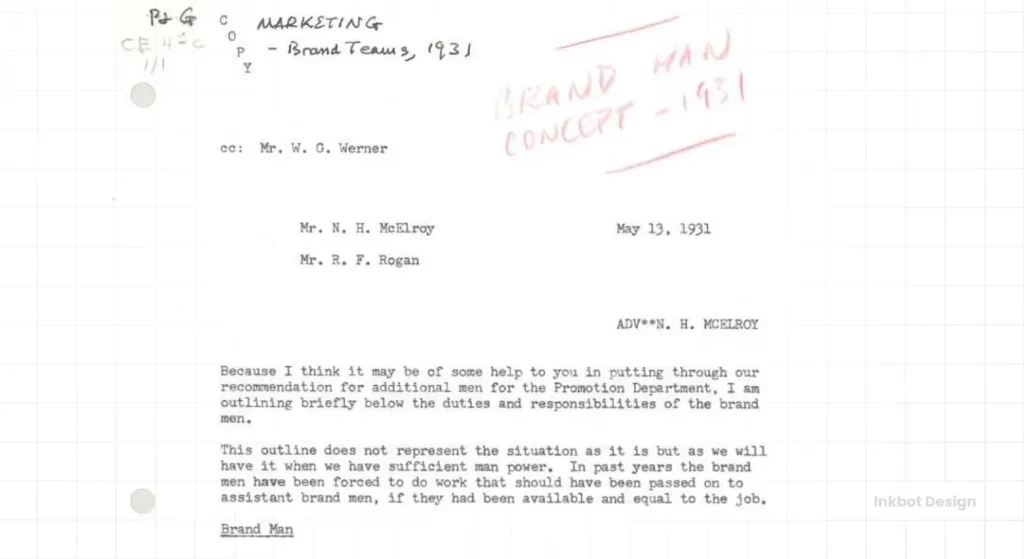
He argued that each product should have a dedicated manager who would fight for that specific brand’s market share, even against other brands owned by the same company. This “Brand Man” would track sales, manage advertising, and take full responsibility for the product’s success or failure.
McElroy eventually became the Secretary of Defense for the United States, which gives you an idea of the type of personality required for this role. It is a combat position, not a creative retreat.
The Core Responsibilities: Beyond the Logo
When we consult on brand management, we break the role down into four distinctive quadrants. If your brand manager is only doing one of these, they are not doing the job.
1. The Strategy: The ‘Mini-CEO’ Mindset
The most critical function is strategic planning. A brand manager must answer the question: Where do we play, and how do we win?
This involves defining the Brand Architecture. Are you a “Branded House” (like FedEx) or a “House of Brands” (like Unilever)? If you launch a new sub-product, does it carry the master brand’s name? These decisions have massive financial implications.
Real-World Example: The Tropicana Disaster
In 2009, Tropicana (owned by PepsiCo) decided to refresh its packaging. The brand team ignored the strategic “distinctive assets” of the brand—the orange with the straw in it. They replaced it with a generic glass of orange juice.
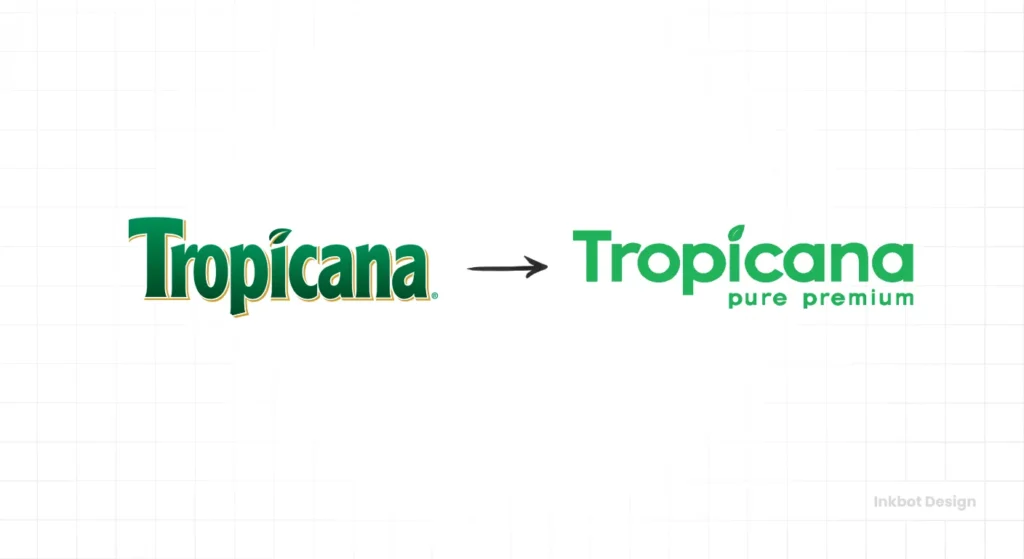
The result? Consumers literally couldn’t find the product on the shelf. Sales plummeted by 20% in two months, resulting in a loss of over $30 million for the company. A competent brand manager would have recognised that the “orange with a straw” was a non-negotiable strategic asset, not just a graphic design element.
2. The Commercials: P&L and Pricing
This is where the ‘fluff’ perception dies. A true brand manager owns the P&L (Profit and Loss). They need to understand:
- COGS (Cost of Goods Sold): If the supply chain team wants to change the cardboard thickness to save 2p per unit, the brand manager must assess if that destroys the “premium feel” of the unboxing experience.
- Pricing Elasticity: Can we raise the price by £5 without losing volume?
- Margin Analysis: Are we selling a large number of units but losing money on each sale due to excessive discounting?
Consultant’s Note: We often encounter “Brand Managers” who lack access to sales data. This is absurd. You cannot manage a brand effectively if you do not know if it is generating a profit. If you are a business owner, open the books to your brand manager.
3. The Guardian: Consistency and Policing
Yes, this is the part everyone knows about—the “Logo Police.” But it goes deeper than checking hex codes.
The brand manager protects the Distinctive Memory Structures. According to the Ehrenberg-Bass Institute, brands grow by building mental availability. You do this through relentless consistency of assets (colours, jingles, shapes, fonts).
If the sales team in the Northwest decides to print their own flyers using Comic Sans and a stretched logo because “it looks friendlier,” they are actively undermining the financial value of the brand. The brand manager is the person who has to have the awkward conversation to stop that.
4. Innovation and NPD (New Product Development)
Brands die if they stand still. The brand manager is responsible for the pipeline. They look at consumer trends and brief the R&D teams.
- The Brief: “Consumers are moving away from sugar. We need a zero-sugar variant that doesn’t taste like chemicals.”
- The Go-to-Market: How do we launch this without cannibalising our main product?
The Myths vs. The Reality
Let’s clear the air. We have worked with numerous SMBs to understand the expectations versus the reality.
| Feature | The Myth (What people think) | The Reality (What actually happens) |
| Primary Task | Designing cool ads and posting on TikTok. | Analysing spreadsheets, market share data, and margin reports. |
| Authority | “Creative Director” of the company. | Cross-functional influencer who has to beg Sales and Ops to cooperate. |
| Focus | Making the brand “loved.” | Making the brand “bought” (Mental and Physical Availability). |
| Success Metric | Likes, Shares, and Design Awards. | Revenue, Market Penetration, and Brand Equity scores. |
| Timeline | What are we posting next week? | Where will the brand be in 3 years? |
The “Dirty Work”: Day-to-Day Responsibilities
If you are hiring a brand manager or considering a career in this field, here’s what a typical Tuesday morning looks like. It is rarely a photoshoot.
1. Managing Agencies
Most companies outsource the actual “doing.” They hire ad agencies, PR firms, and design studios (like Inkbot Design). The brand manager is the client. Their job is to write the brief and judge the work.
Writing a bad brief is the number one cause of wasted marketing budget. A brand manager must translate business problems (“We need 10% more sales”) into creative problems (“We need to convince young mums that our product saves them time”).
2. The “Sales vs. Brand” War
This is the eternal conflict.
- Sales Team: “We need to hit the monthly target. Let’s run a 50% off discount!”
- Brand Manager: “If we run a 50% discount, we devalue the brand. Customers will never pay full price again. We will become a commodity.”
The brand manager acts as the firewall against short-termism. They have to have the spine to say “No” to revenue today to protect profit tomorrow.
3. Market Research Analysis
You cannot manage what you do not measure. Brand managers spend hours poring over data from Nielsen, Kantar, or internal Google Analytics.
- Brand Tracking: Is our “Unaided Awareness” (people naming us first) increasing or decreasing?
- Sentiment Analysis: Why are people complaining on Trustpilot? Is it a product flaw or a shipping issue?
The State of Brand Management in 2026
The role is shifting. We are moving away from the “Art” of branding toward the “Science” of branding.
The Death of “Gut Feel”
Ten years ago, a brand manager could justify a campaign because “it feels right.” Today, that gets you fired. CFOs demand attribution. With the rise of AI and predictive analytics, brand managers are expected to forecast the lift of a campaign before a single penny is spent.
The “Performance Branding” Hybrid
For a long time, there was a wall between “Brand Building” (TV, Billboards, long-term) and “Performance Marketing” (PPC, SEO, short-term).
In 2026, that wall is crumbling.
Example: Airbnb’s Pivot
In 2021/22, Airbnb reduced its performance marketing budget (Google Ads) and allocated funds to brand building. The critics said it was suicide.
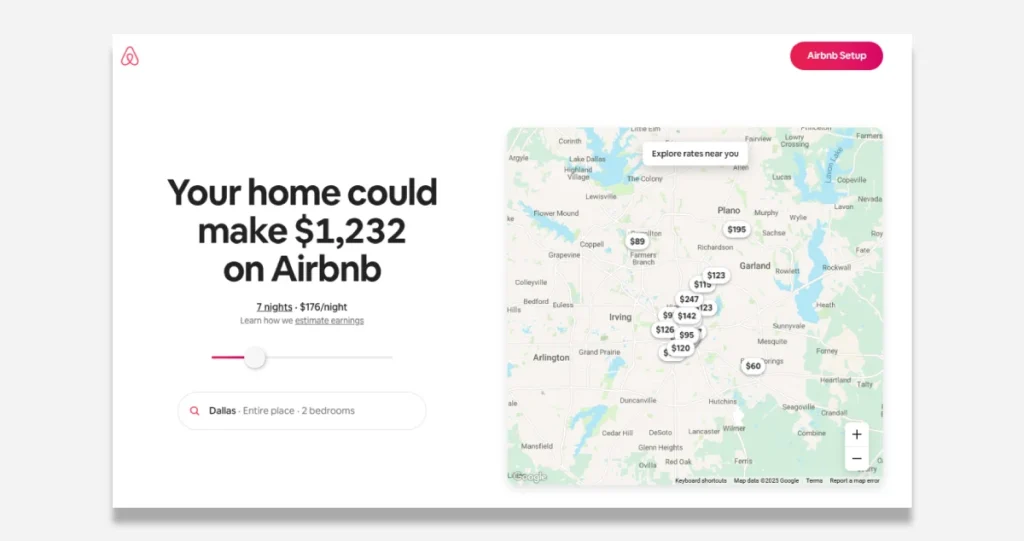
The result? They posted their most profitable quarter ever. They proved that building the brand reduced the reliance on renting traffic from Google. A modern brand manager knows when to turn off the performance tap.
AI in the Workflow
We are seeing brand managers use AI not to generate final assets, but to speed up the strategy.
- Synthetic Personas: generating AI customers to test messaging against.
- Trend Spotting: Using AI to analyse millions of social conversations to find the next flavour trend before the competition does.
Why You (Probably) Don’t Need a “Junior” Brand Manager
This is a specific observation from our time at Inkbot Design. We see startups hire a “Brand Manager” straight out of university with a degree in Fashion Marketing.
They give this person the keys to the company voice. This person then focuses entirely on the aesthetic—the Instagram grid looks beautiful, but the messaging is vacuous.
The Danger:
Brand management requires the ability to understand business mechanics. If your brand manager cannot read a balance sheet, they are a Graphic Designer or a Social Media Manager. Those are valuable roles, but they are not brand managers.
If you are an SMB, you might be better off hiring a Fractional Brand Director or a consultancy to set the guardrails and then hiring a marketing coordinator to execute the tactics. Do not put a junior pilot in the cockpit of a 747.
What Happens When You Get It Wrong?
The cost of poor brand management is rarely immediate. It is a slow rot.
1. Brand Dilution
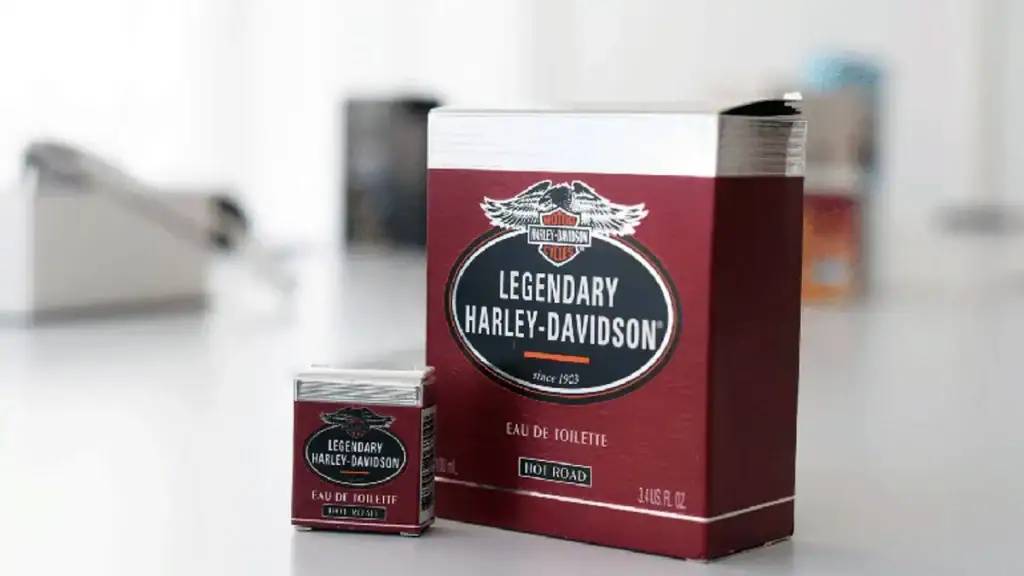
You launch too many products that don’t fit your core mission. Think of Harley-Davidson launching perfume. It confuses the customer. When customers are confused, they are less likely to make a purchase.
2. The “Sea of Sameness”
Without a brand manager enforcing differentiation, your company starts to copy competitors. You use the same stock photos, the same “we are passionate” copy, and the same blue colour palette. You become invisible.
3. Price erosion
If you don’t manage the brand’s perceived value, you have no pricing power. You are forced to compete solely on price. That is a race to the bottom, and there is always someone willing to go broke faster than you.
Conclusion
A brand manager is not there to make things look pretty. They are there to increase the business’s value.
They are the custodians of the intangible asset that often makes up 50% or more of a company’s market capitalisation. If you are hiring one, look for commercial acumen first and creative flair second. Look for the person who talks about “market penetration” and “margin protection,” not just “virality” and “vibes.”
If you need help defining your brand identity or setting the strategic foundations that a brand manager can actually work with, that is what we do. Do not build a house on sand.
Next Step: Are you unsure if your current brand strategy is commercially viable? We can perform a Brand Audit to see where you are bleeding value. Request a quote here.
Frequently Asked Questions
What is the difference between a Brand Manager and a Marketing Manager?
A Brand Manager focuses on the long-term health, identity, and strategy of the brand (the “Why” and “Who”). A Marketing Manager focuses on the tactical execution and lead generation to hit short-term sales targets (the “How” and “When”).
Do Brand Managers design logos?
Rarely. A Brand Manager commissions and approves logos. They write the brief for the designers to ensure the logo fits the strategic goals, but they are usually not the ones pushing pixels in Adobe Illustrator.
Does a small business need a Brand Manager?
Not necessarily a full-time one. However, the function of brand management must be owned by someone—usually the founder. If no one is guarding the brand, the business will eventually lose focus and pricing power.
What qualifications should a Brand Manager have?
Look for a mix of analytical and creative skills. A degree in Business, Marketing, or Psychology is common. However, experience in P&L management, agency management, and cross-functional leadership is far more valuable than a specific degree.
How much does a Brand Manager earn in the UK?
Salaries vary wildly. A Junior Brand Manager might start at £30,000–£40,000 per annum. A Senior Brand Manager or Brand Director at a large FMCG company can easily earn £70,000–£100,000+ per year.
Who was the first Brand Manager?
The role is widely attributed to Neil McElroy at Procter & Gamble (P&G) in 1931. He proposed the “Brand Man” system to manage individual products like separate businesses.
What is Brand Equity?
Brand Equity is the commercial value derived from consumer perception of the brand name, rather than the product itself. It allows companies to charge more for a product than a generic equivalent (e.g., Tylenol vs. generic Paracetamol).
What tools do Brand Managers use?
They use data tools (Nielsen, Kantar, Google Analytics), project management tools (Asana, Monday), and presentation tools (PowerPoint/Keynote) to sell their strategies to internal stakeholders.
Is Brand Management a dying career?
No, but it is evolving. The “Mad Men” era is over. The new era requires high data literacy, an understanding of AI, and the ability to demonstrate clear ROI (Return on Investment).
What is the ‘Brand Architecture’?
It is the structural relationship between a company’s portfolio of brands. Common models include “Branded House” (Virgin Atlantic, Virgin Media) and “House of Brands” (Unilever, which owns Dove, Axe, and Hellmann’s).