Brand Entity Framework
Most Brands are Becoming Invisible. Yours Shouldn't Be.
The “Helpful Content” era didn’t just kill blogs. It killed generic businesses.
If your brand looks, talks, and acts like everyone else, the 2026 internet will treat you like a ghost. You won't show up in AI-generated answers. You won't be cited as a source. You won't be recommended by the LLMs that now gatekeep 80% of consumer discovery.
You’ll just… disappear.
At Inkbot Design, we don't do “pretty logos.” We don't play with crayons and hope for the best. We build Brand Entities. We build the digital and visual infrastructure that forces search engines and human beings alike to stop and say: “That is the authority.”
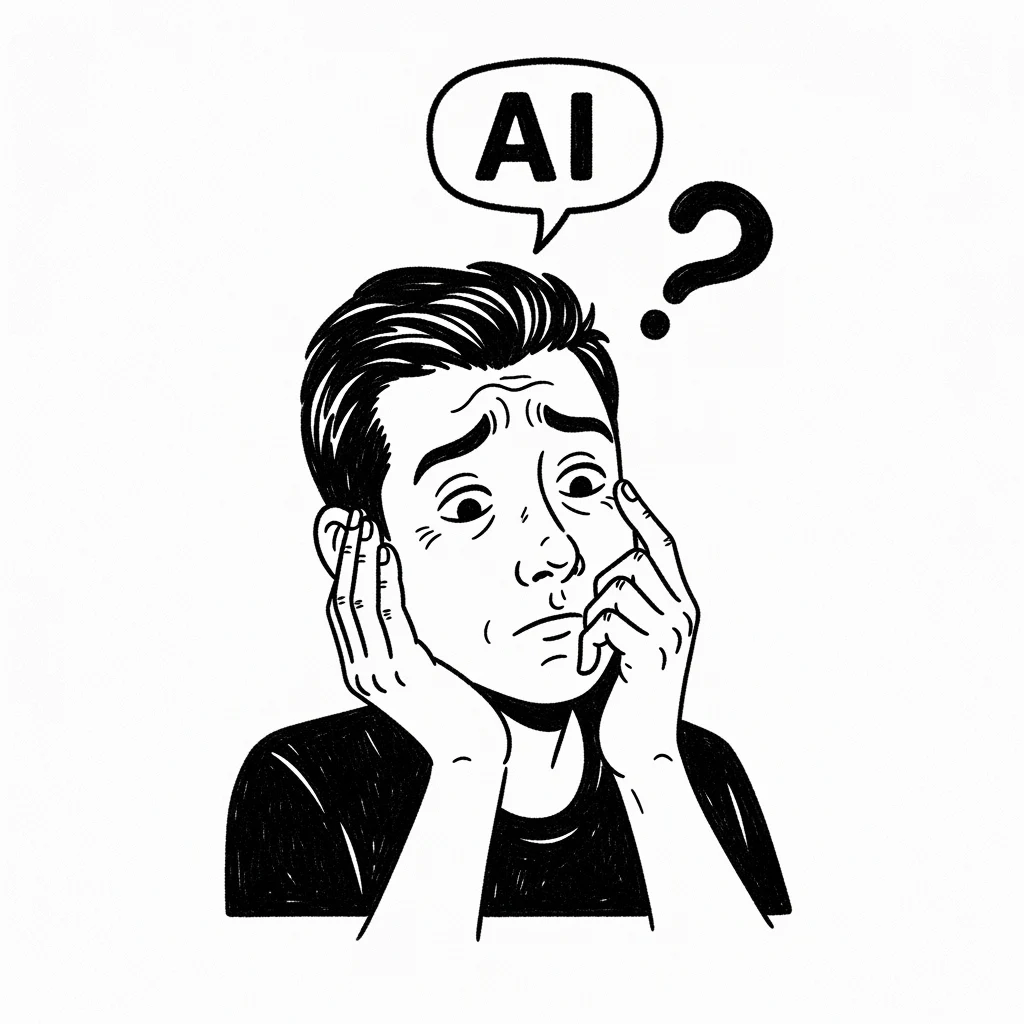
The “Generic Tax”
Every day you operate without a distinct brand entity, you are paying a Generic Tax. It’s a hidden drain on your balance sheet that gets more expensive every month. You see it in:
- Sky-High Ad Spend: Because no one remembers your name, you have to pay for every single click, over and over. You’re renting an audience because you don’t own a brand.
- The “Race to the Bottom” Pricing: Because you look exactly like your cheapest competitor, your prospects shop on price rather than value. You’re a commodity, and commodities are easily replaced.
- The Algorithm Cold Shoulder: Google’s AI doesn't know what you stand for. If the “Knowledge Graph” can’t connect your business to a specific set of values, expertise, and visual identifiers, it won't risk showing you to users.
If you can't define your brand entity, why should a machine? In 2026, being “good at what you do” is the baseline. It’s the ante to get into the game. To win, you need a Moat.
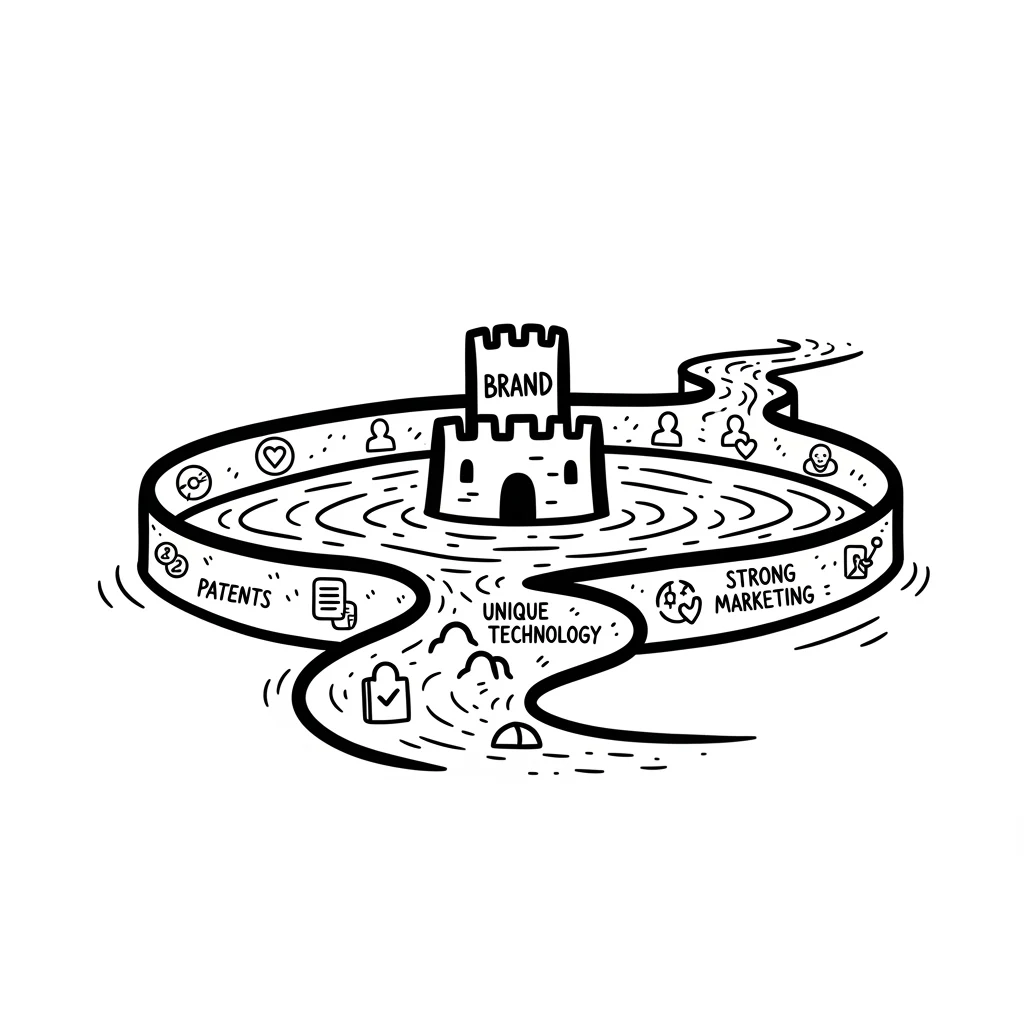
The Inkbot Brand Entity Framework
We’ve spent over a decade in the trenches of high-end design and technical SEO. We’ve watched the “Leaks” happen—where brands lose their essence through poor execution or outdated strategy.
The Brand Entity Framework is our proprietary response to the AI Search era. We don't just “rebrand” you; we hard-code your authority into the digital fabric of your industry.
We build your brand in three impenetrable layers:
1. The Visual Moat (Identification)
In a world of AI-generated “slop,” bespoke design is the ultimate trust signal.
We don't just give you a “mark.” We build a visual system designed to be recognised at a glance—whether it’s a 16px favicon, a social media thumbnail, or a 40-foot billboard.
In the age of Generative Engine Optimisation (GEO), your visual identity is a data point. If your imagery looks like a stock photo or a generic AI prompt, the human brain (and the algorithm) subconsciously flags you as “low effort.”
- Typography that Commands Respect: Custom or highly curated typefaces that communicate stability and heritage.
- Psychological Colour Mapping: Palettes engineered to trigger specific “buy” signals and emotional anchors in your specific UK sub-market.
The “Un-Promptable” Aesthetic: Design that is too nuanced, too human, and too balanced for a machine to replicate. This is your visual fingerprint.
2. The Verbal Soul (Differentiation)
If a machine can write like you, you are obsolete.
Most AI-written content sounds like a robotic HR manual from 2012. It’s boring. It’s “safe.” It’s entirely forgettable. When your brand speaks, does it sound like a person or a corporate template?
We build your Brand Voice DNA. This is a set of “Human Constraints” that ensure your communication—whether written by a senior partner, a freelance copywriter, or an AI tool—always sounds like you.
- Tone of Voice Frameworks: Moving beyond “professional yet friendly” (the most useless phrase in marketing) to a voice that has grit, opinion, and personality.
- Unique Brand Vocabulary: The specific words you own, and the “Forbidden Words” you never touch.
Sentiment Mapping: Ensuring your brand reacts to industry shifts with a consistent emotional resonance that builds long-term loyalty.

3. The Semantic Bridge (Authority)
This is where the magic happens. We translate your brand into a language that Google’s Knowledge Graph understands.
This is the “Inkbot Edge.” Most design agencies stop at the visuals. Most SEO agencies stop at the code. We bridge the gap. We don't just make you look like an authority; we make sure the internet's infrastructure categorises you as one.
- Entity Mapping: We define the specific niche you own. We help search engines understand that “Company A” is the definitive “Entity” for “Service X” in “Location Y.”
- Schema Integration: We don't just hope Google finds your info. We hard-code your brand’s relationships, awards, and leadership into your site’s DNA using advanced Schema Markup.
GEO Optimisation: We ensure AI search engines (SearchGPT, Perplexity, Google SGE) cite you as the primary source. We move you from “Searching for keywords” to “Being the Answer.”

What is an “Authority Moat” worth?
Close your eyes and imagine a Google update rolls out tomorrow. While your competitors are frantically checking their analytics and watching their traffic tank, you are calm.
Why? Because your customers aren't searching for “Plumbers in Manchester” or “Architects in London.”
They are searching for YOU, by name.
That is the power of a Brand Entity. It moves you from being a “Commodity” (replaceable) to a “Category King” (essential).
Lower Customer Acquisition Cost (CAC): Trust is built before the first click.
Higher Retention: People stay loyal to entities, not vendors.
Pricing Power: You stop justifying your price and start stating it.
Ready to stop being invisible?
The “Generic Tax” is being collected every single hour your brand remains undefined. In the time it took you to read this, another potential client just chose a competitor because they looked more “official” or “authoritative” than you. Let's fix that.
The 2026 Brand Transformation
Let’s be direct: We don't take on everyone.

The Brand Entity Framework is a high-intensity, strategic partnership. We only work with UK service businesses that are established, ambitious, and ready to stop being “just another company.”
If you are looking for a cheap logo and a quick fix, we aren't the agency for you. But if you are ready to build a legacy that survives the AI shift, here is what is included:
- The Visual Identity Overhaul: A complete rebrand including primary/secondary logos, palettes, and the “Visual Moat” style guide.
- The Brand Voice Bible: Your definitive guide to sounding human in an AI world.
- The Semantic Entity Roadmap: A technical blueprint for your web team (or ours) to ensure Google knows exactly who you are and why you matter.
The Authority Audit: A 12-month strategy to maintain your “Entity” status as the search landscape evolves.
FAQs: The Brand Entity Framework
What is a “Brand Entity” in 2026 SEO?
A Brand Entity is a uniquely identifiable “thing” or concept that search engines like Google and AI models (ChatGPT/Claude) recognise as a distinct authority. Unlike keywords, an entity is backed by a Knowledge Graph that connects your brand name to specific topics, people, and values across the web.
How does branding affect AI search results?
Generative engines prioritise brands with high “Entity Authority.” If your brand is frequently cited by trusted third-party sources and has a clear, consistent identity, AI models are more likely to retrieve and recommend your business as the definitive answer to a user's prompt.
Why is branding more important than keywords for my UK business?
Keywords are now a commodity; anyone can buy them. Branding builds a “Moat.” In a market saturated by AI-generated content, users and search engines look for “Human Signals”—unique visual styles, distinct brand voices, and proven expertise—that keywords alone cannot provide.
What are the core components of a Brand Entity Framework?
The Inkbot Framework consists of three pillars: Visual Identification (design that stands out), Verbal DNA (a voice that sounds human, not robotic), and Semantic Mapping (technical data that tells search engines exactly who you are and what you own).
How do I make my brand recognisable to Google’s Knowledge Graph?
To be recognised as an entity, you must corroborate your brand data. This involves consistent NAP (Name, Address, Phone) data, high-quality PR mentions, active social profiles, and “Service” Schema markup that links your website to established industry concepts and locations.
Can a brand refresh help recover traffic lost to the Helpful Content Update?
Yes. The HCU specifically targets “search-engine-first” content. By pivoting to an “entity-first” branding strategy, you signal to Google that your site exists to provide unique, human-led value rather than just capturing traffic for ad revenue.
What is the difference between a logo and a Brand Entity?
A logo is a graphic mark; a Brand Entity is the entire reputation associated with that mark. While a logo helps with recognition, the Entity is what AI search engines use to determine if your business is trustworthy enough to be suggested to a user.
How do I ensure my brand voice doesn’t sound like AI?
We develop a Verbal Identity Bible that uses “Human-Only” constraints—specific slang, unique perspectives, and brand-specific vocabulary. This ensures that even if you use AI tools for drafting, the final output aligns with your distinct, non-generic brand persona.
What is “Generative Engine Optimisation” (GEO)?
GEO is the evolution of SEO. It focuses on making your brand “citation-ready” for AI. This means structuring your site content so it is easily extractable by AI crawlers and building enough third-party authority that the AI views you as a primary source.
Do I need a full rebrand to improve my SEO in 2026?
Not necessarily. Many businesses only need a Semantic Pivot. This involves keeping your core visual elements but realigning your messaging and technical metadata to match the “entities” your target audience is searching for in the AI era.
How long does it take to see results from an entity-based branding strategy?
While visual changes are instant, “Entity Recognition” typically takes 3 to 6 months. This is the time it takes for search engines to crawl your new data, recognise your brand in new contexts, and update your position in the Knowledge Graph.
Why should I choose a UK-based branding agency for my service business?
Local nuances matter for entity SEO. A UK-based agency understands the cultural “Sentiment” and linguistic triggers of your local audience, which is critical for building a brand that feels authentic and authoritative to both UK customers and regional search algorithms.